Developing logical thinking Normal Worksheets for Ages 4-9
4 filtered results
-
From - To
Developing logical thinking is essential for young minds. Our 'Normal Worksheets for Ages 4-9' offer engaging and interactive activities specifically designed to enhance logical reasoning skills. Each worksheet, tailored to different learning styles, involves puzzles, patterns, and problem-solving tasks that challenge children to think critically and make connections. These exercises not only boost cognitive abilities but also make learning fun and meaningful. With clear instructions and vibrant illustrations, our worksheets are perfect for both classroom and home use. Help your child build a solid foundation in logic and prepare them for future academic success!
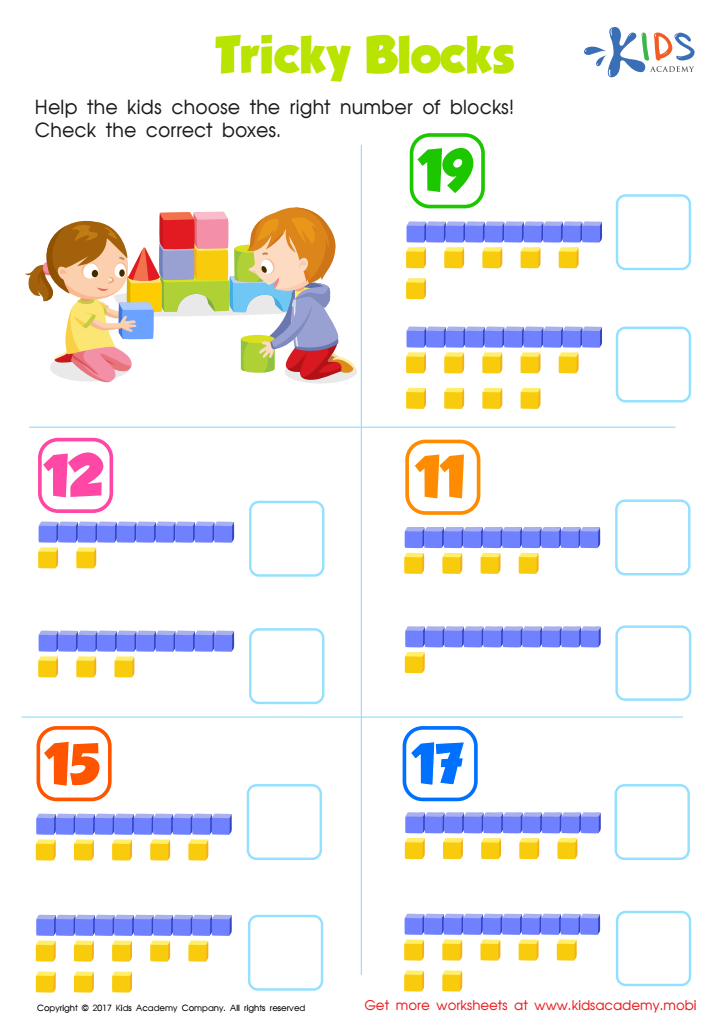
Tricky Blocks Worksheet
 Assign to My Students
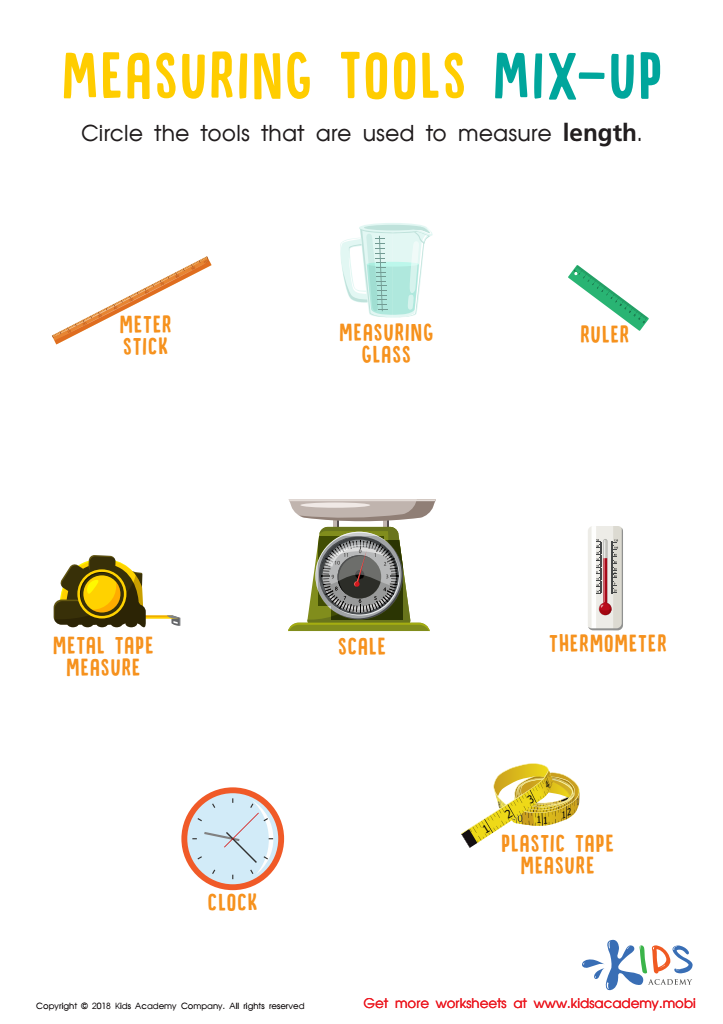
Measuring Tools Mix–up Worksheet
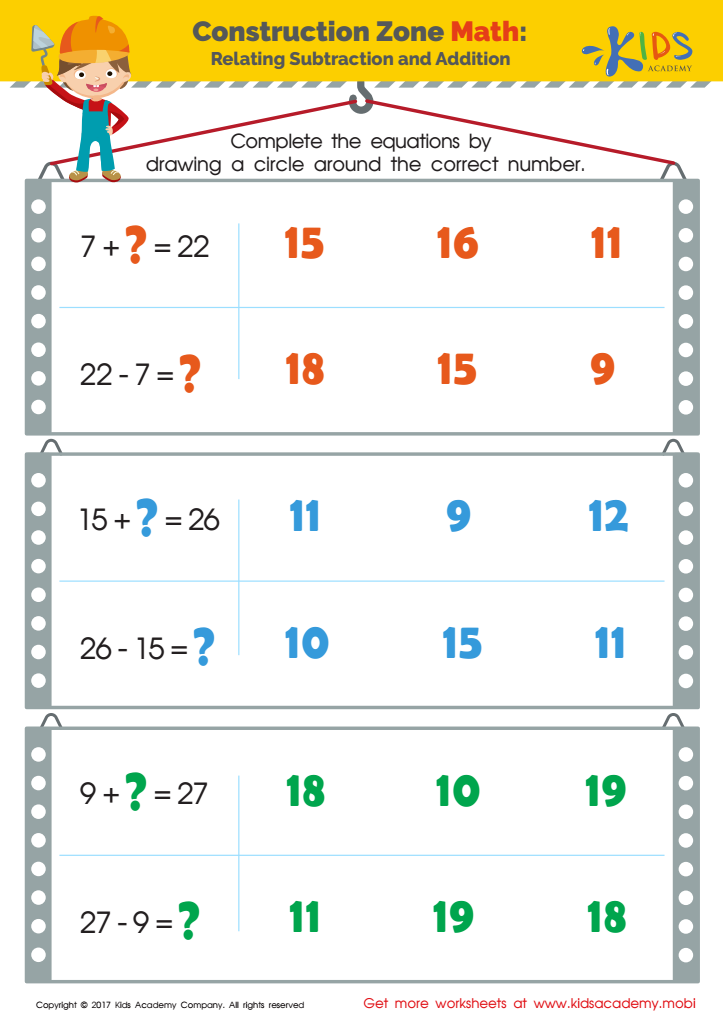
Related Addition and Subtraction Facts Worksheet
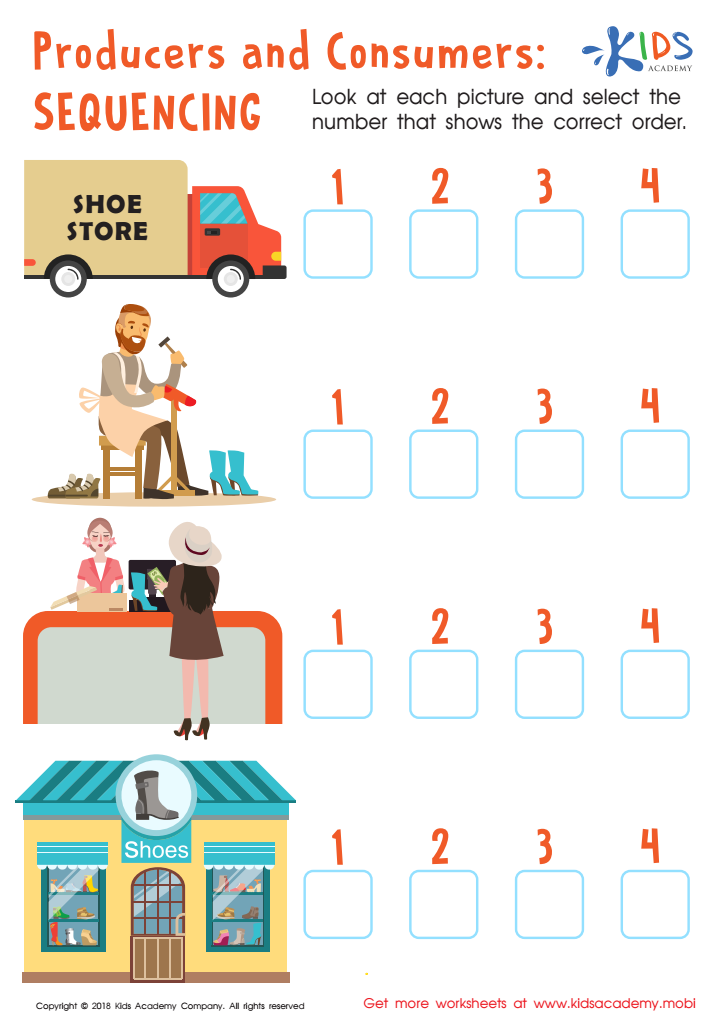
Producers and Consumers: Sequencing Worksheet








Developing logical thinking in children ages 4-9 is crucial for their cognitive growth and academic success. At this tender age, children's brains are highly adaptable and capable of acquiring foundational skills that will benefit them throughout life. Logical thinking enables them to understand cause-and-effect relationships, make informed decisions, and solve problems systematically.
For parents and teachers, fostering this skill early on supports children's ability to follow multi-step instructions, understand sequences, and build connections between ideas. This enhances their performance in subjects like math and science, where logical structuring is essential. Additionally, a child who can think logically will benefit socially and emotionally, as they can better navigate complex social interactions, understand others' perspectives, and control their impulses.
Engaging children in activities like puzzles, games, and age-appropriate riddles sharpens their logical reasoning. Encouraging curiosity by asking open-ended questions and providing opportunities for exploration also fuels their cognitive development. By prioritizing logical thinking from a young age, parents and teachers equip children with vital tools for lifelong learning and problem-solving, making them more competent and confident individuals. Consequently, nurturing logical thinking in these formative years lay a robust foundation, impacting their future academic achievements and personal growth.








