Enhances counting skills Normal Worksheets for Ages 4-9
3 filtered results
-
From - To
Enhance counting skills with our engaging normal worksheets designed for children ages 4-9! Our collection features a variety of fun, interactive activities that make learning to count enjoyable and effective. Each worksheet is crafted to help young learners develop essential numerical skills through colorful illustrations and relatable themes. From counting objects to simple addition and subtraction exercises, these worksheets cater to different learning stages. Perfect for use at home or in the classroom, our enhanced counting skill worksheets support early childhood education by providing a hands-on approach to mastering numbers. Boost your child's confidence and arithmetic capabilities today!
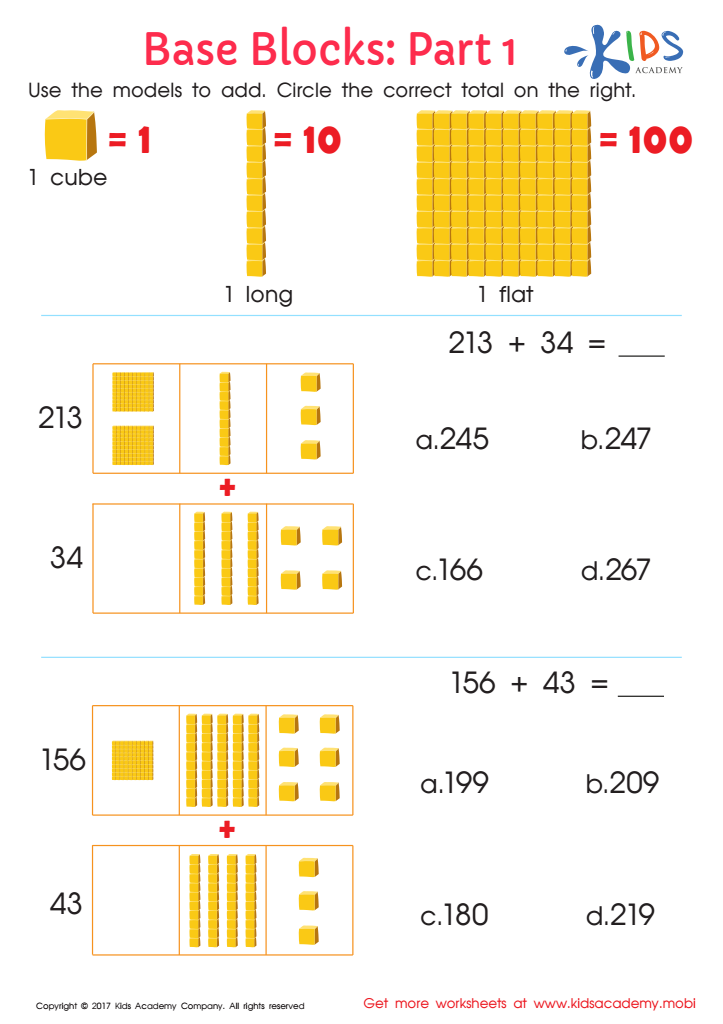
Base Ten Blocks Worksheet: Part 1
 Assign to My Students
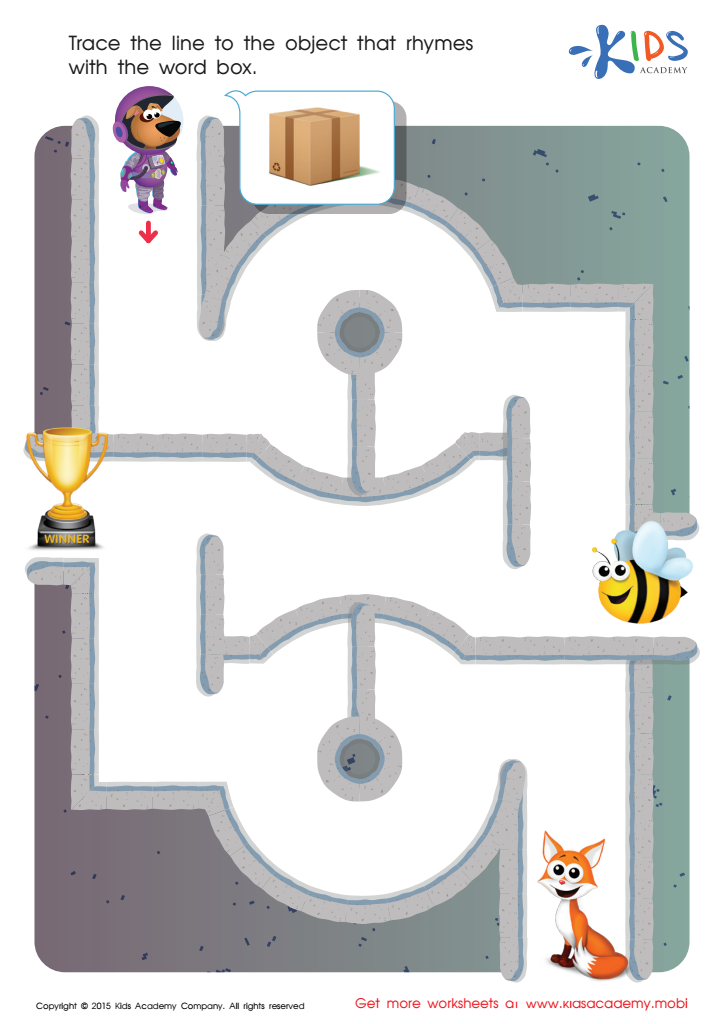
Box Rhyming Words Worksheet
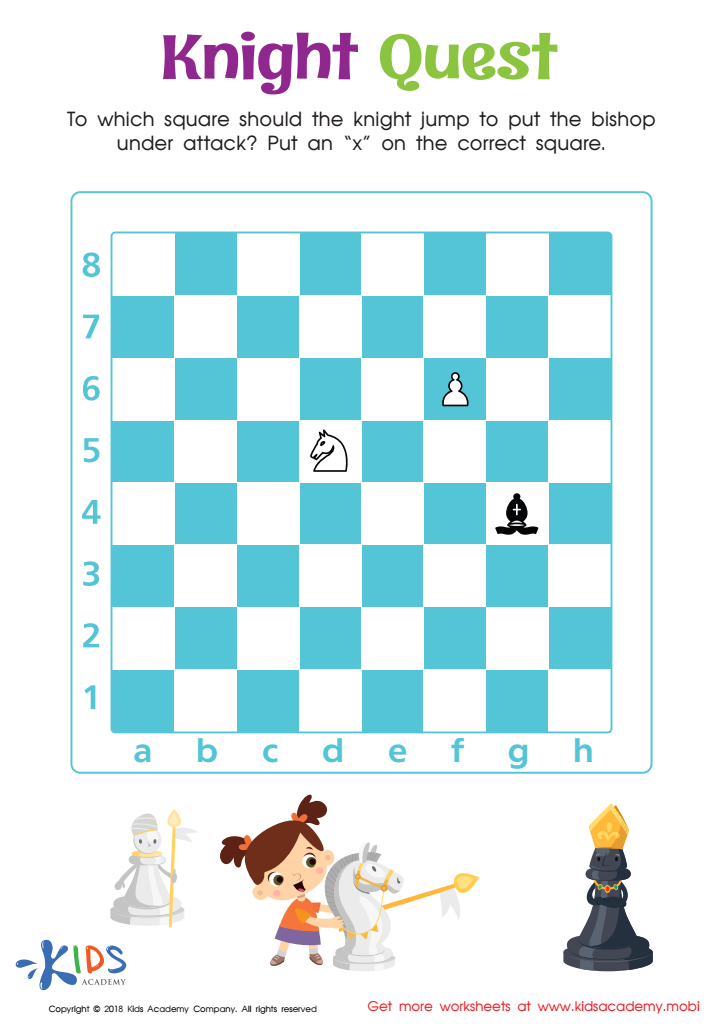
Knight Quest Worksheet






Enhancing counting skills in children aged 4-9 is crucial for multiple reasons that resonate with both parents and teachers. Firstly, counting forms the foundation for all future mathematical learning. Children who master basic counting early on are more likely to excel in addition, subtraction, and higher-level concepts later in their academic journey. Improved counting skills foster confidence, allowing children to approach math problems with a positive attitude.
Additionally, counting is not just a mathematical concept; it also develops critical cognitive skills such as pattern recognition, sequencing, and problem-solving. These abilities are important in everyday tasks and decision-making, enhancing a child's overall cognitive development.
Furthermore, engaging in counting activities can be a delightful experience that strengthens the bond between parents and children as well as teachers and students. Fun counting games, songs, or storytelling can make learning enjoyable and promote a love for mathematics.
Ultimately, prioritizing counting skills leads to children becoming equipped not only for academic success but also for real-life situations that require numerical understanding. Therefore, it is essential for both parents and teachers to support the development of strong counting skills during these formative years.








