Identifying Animals Normal Worksheets for Ages 4-9
3 filtered results
-
From - To
Discover an engaging collection of "Identifying Animals Normal Worksheets" designed for children ages 4 to 9. These worksheets provide a fun and interactive way for young learners to recognize and differentiate between various animal species. Filled with vibrant images and age-appropriate activities, children will enhance their observation skills and vocabulary while enjoying delightful illustrations. Ideal for home or classroom use, these worksheets support early education by fostering curiosity about wildlife and nature. Perfect for enhancing critical thinking and promoting a love of learning, our identifying animals worksheets are a valuable resource that will make learning an exciting adventure for your little ones!
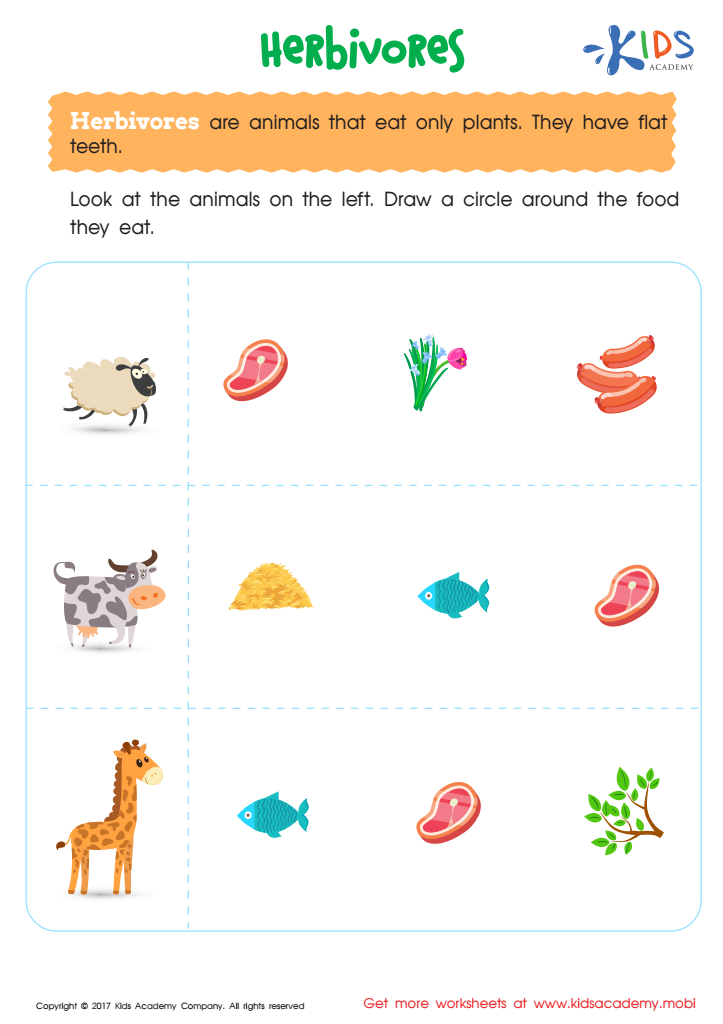
Herbivores Printable
 Assign to My Students
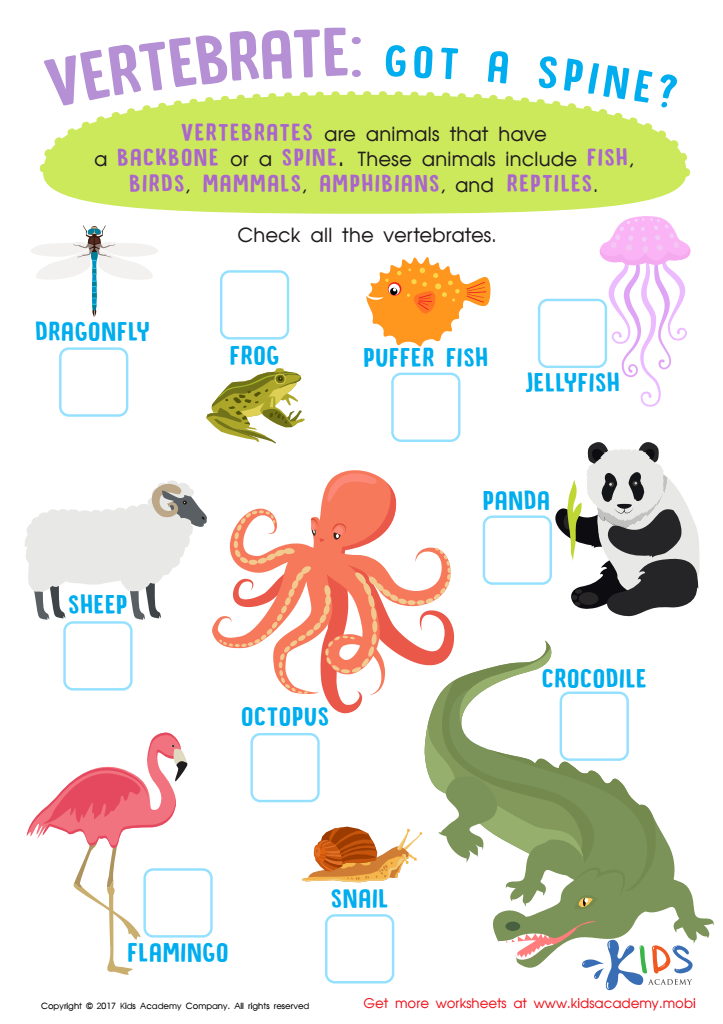
Vertebrates Animals Worksheet for 3rd Grade
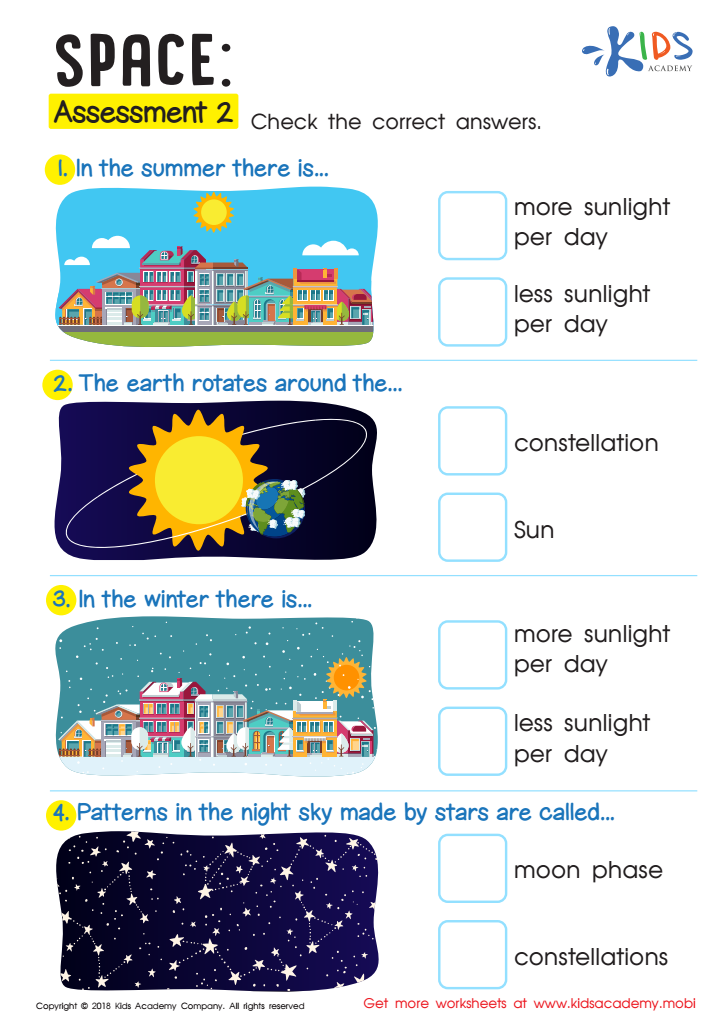
Space: Assessment 2 Worksheet







Identifying animals is crucial for children aged 4-9 as it fosters a connection to the natural world. Early exposure to animals enhances their understanding of biology and ecology, igniting curiosity about diversity in the environment. This foundational knowledge can lead to a lifelong interest in science, promoting critical thinking and observation skills as children learn to categorize different species based on characteristics such as habitat, diet, and behavior.
Moreover, familiarizing children with animals can also help them develop empathy and respect for living creatures. Understanding the roles various animals play in ecosystems encourages young learners to appreciate nature and be responsible stewards of the environment.
Parents and teachers should prioritize this learning because it serves as a springboard for countless educational opportunities—including storytelling, art projects, and outdoor exploration. These activities can highlight the importance of conservation and sustainability.
Additionally, identifying animals can boost language development and communication skills as children expand their vocabulary and express their observations. Overall, supporting children in identifying animals not only enriches their educational experience but also cultivates a profound appreciation for the interconnectedness of life that is vital for future generations.








