Mental math practice Normal Worksheets for Ages 4-9
6 filtered results
-
From - To
Enhance your child's mathematical skills with our Mental Math Practice Worksheets, specially designed for ages 4-9. These engaging, age-appropriate activities help young learners strengthen their foundational math concepts and boost confidence. With a variety of addition, subtraction, and number sense exercises, our worksheets transform learning into a fun, interactive experience. Kids will enjoy the challenges while practicing essential math skills, making them ready for more advanced concepts. Whether at home or in the classroom, our Normal Worksheets provide perfect supplementary material for any young mathematician. Discover the joy of math and watch your child thrive today!
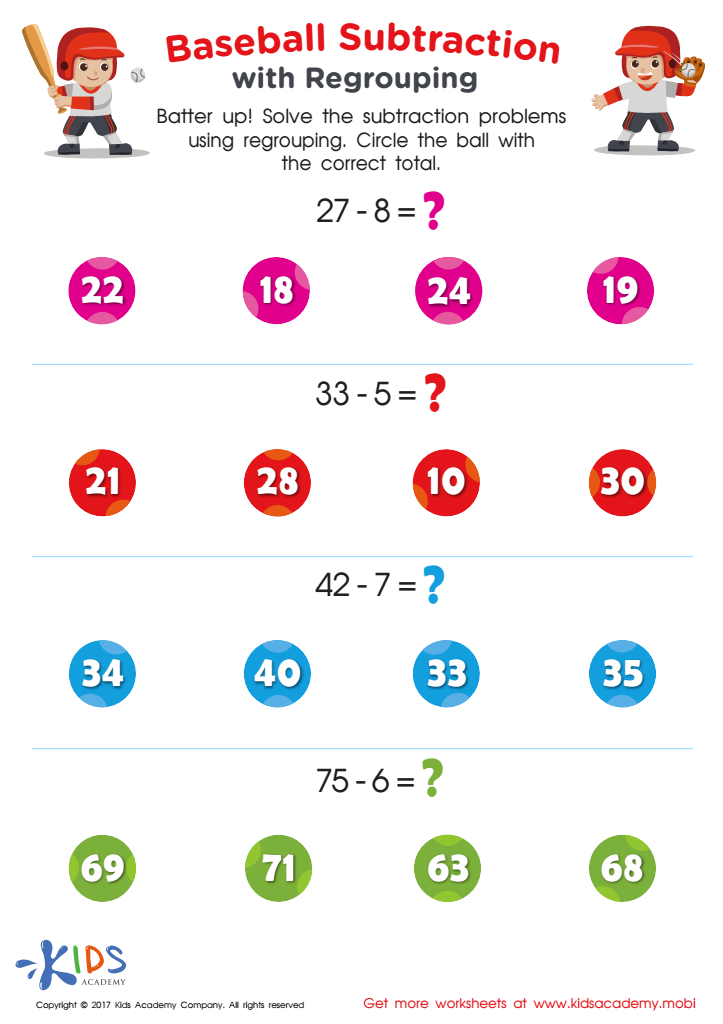
Subtraction With Regrouping for 2nd Grade Worksheet
 Assign to My Students
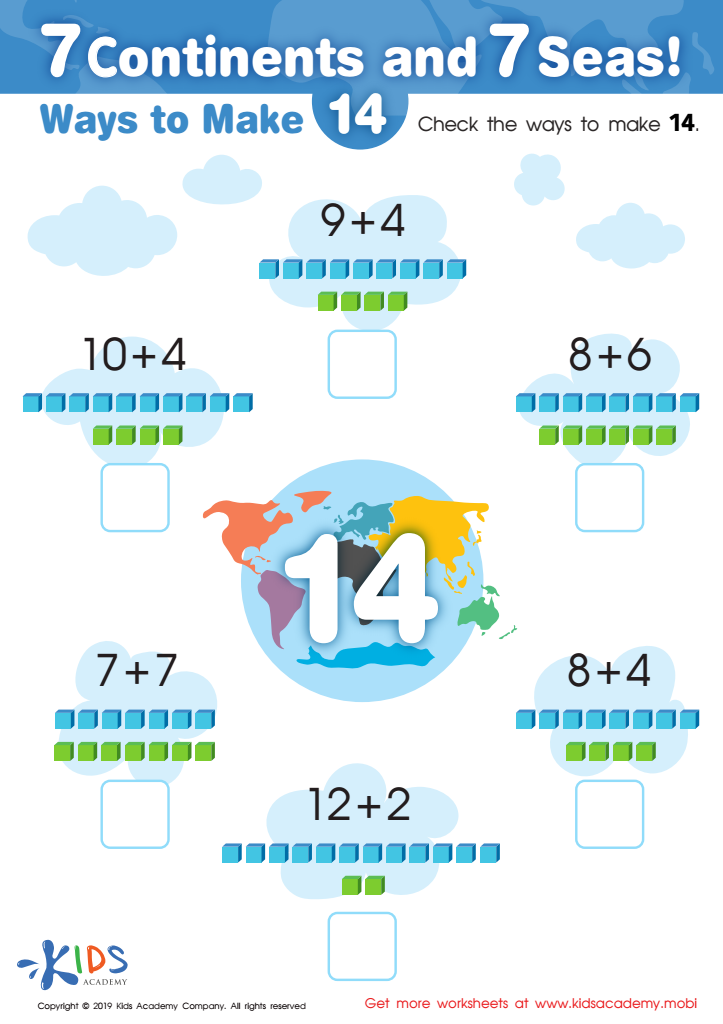
7 Continents and 7 Seas Worksheet
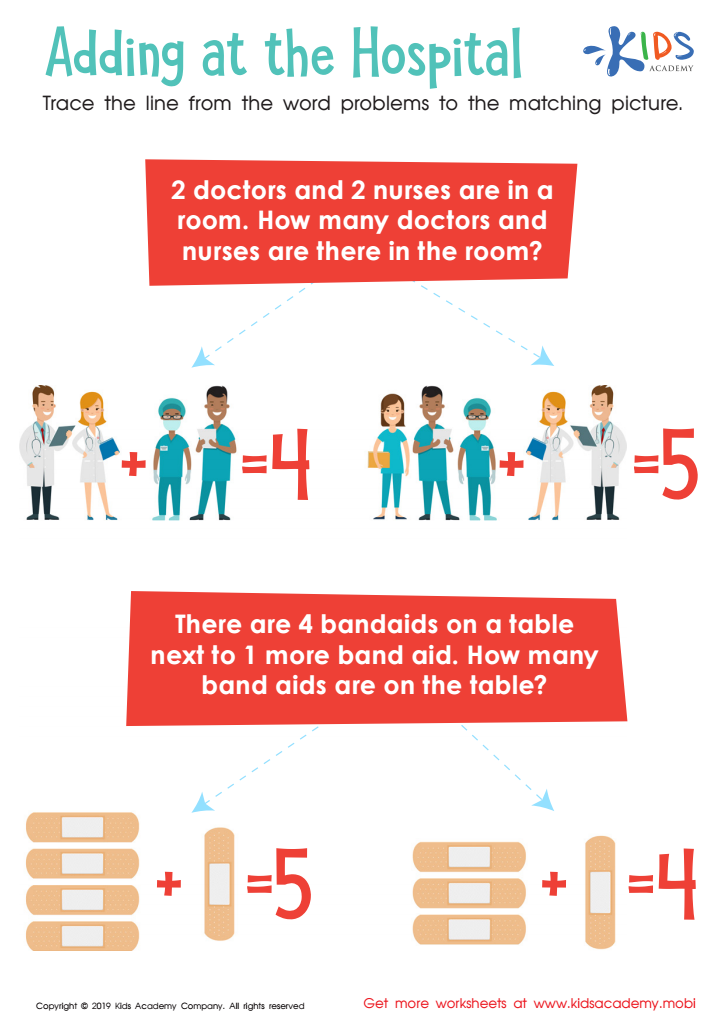
Adding at the Hospital Worksheet
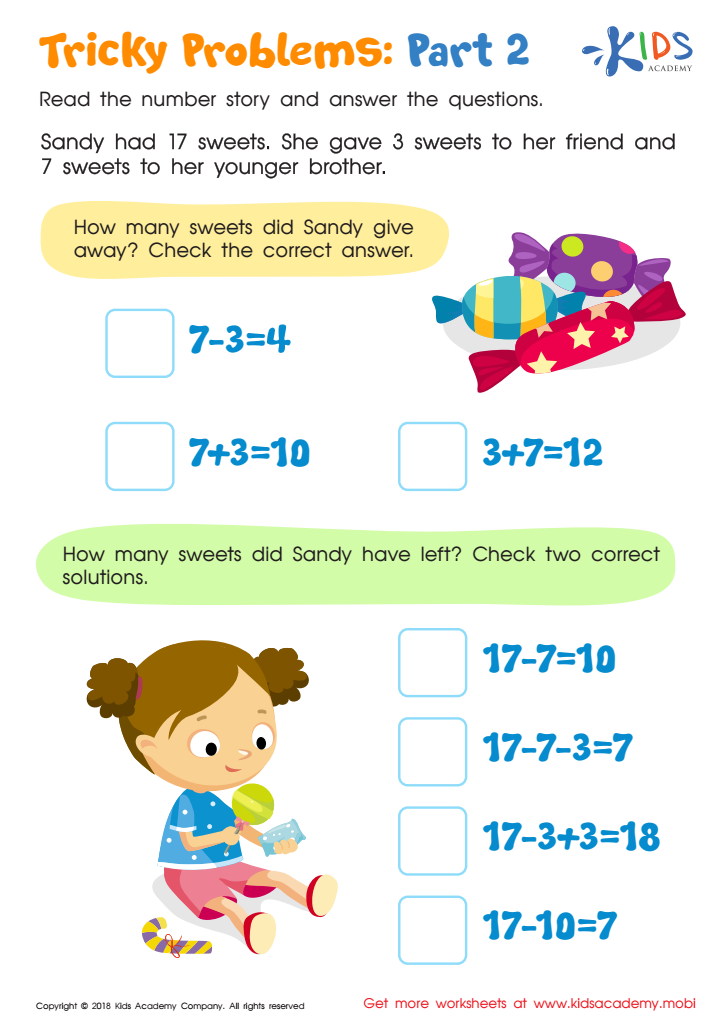
Tricky Problems Worksheet: Part 2
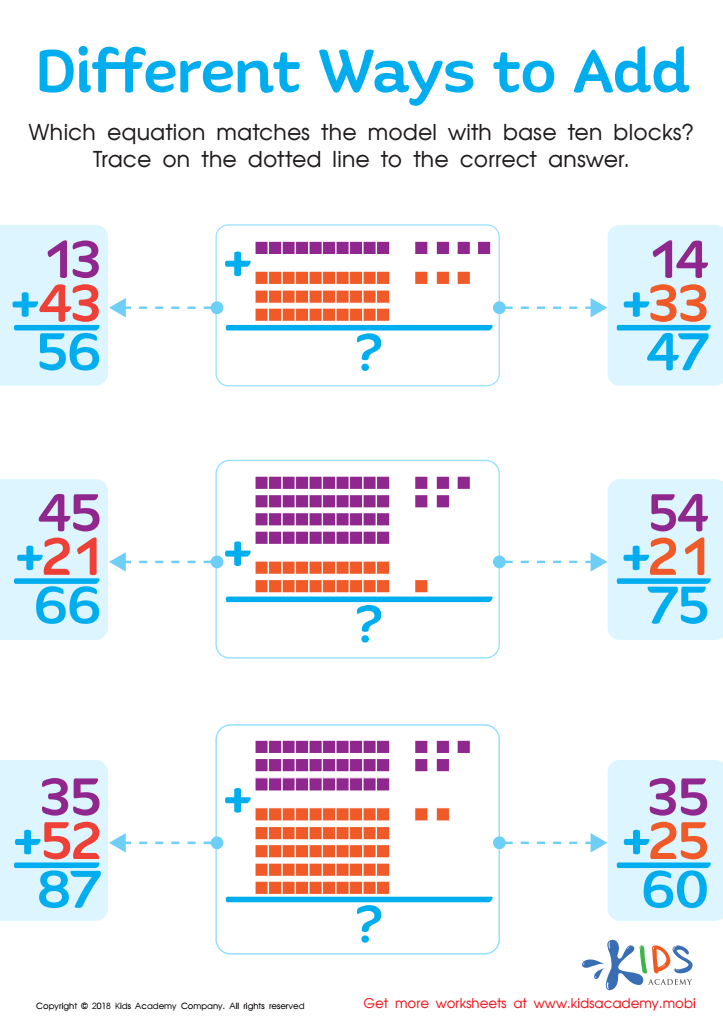
Different Ways to Add Worksheet
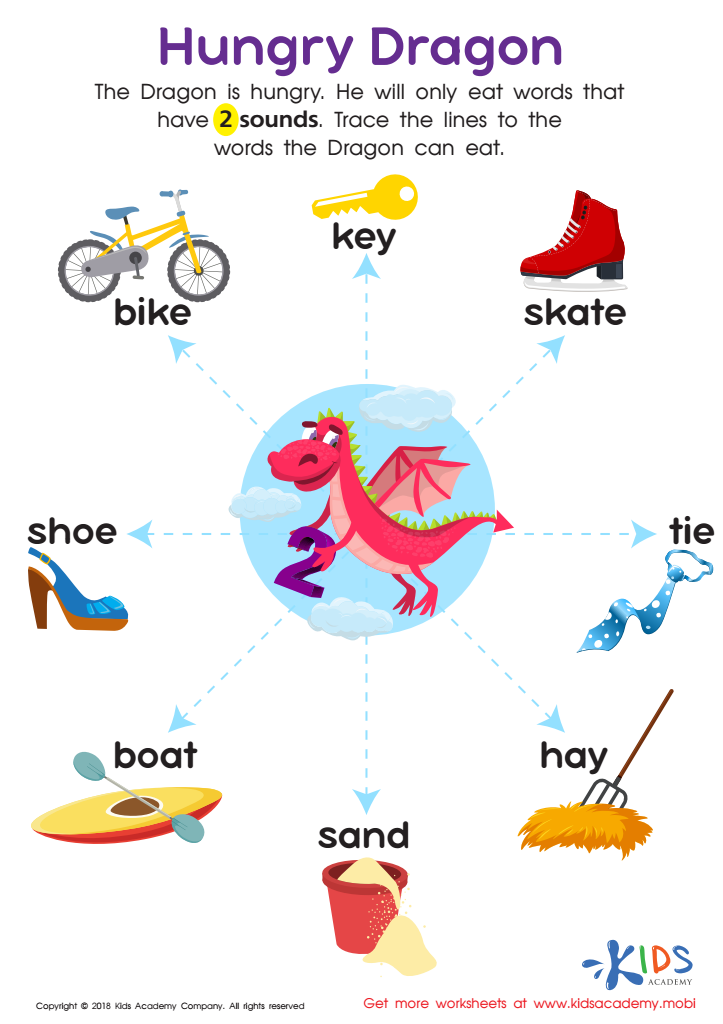
Hungry Dragon Worksheet








Mental math practice is crucial for children aged 4-9 due to its significant impact on cognitive development and mathematical understanding. During these formative years, children's brains are highly adaptable, making it an ideal time to cultivate strong foundational skills. Engaging in mental math activities not only enhances numerical fluency but also fosters critical thinking and problem-solving abilities.
For parents and teachers, prioritizing mental math helps children become more confident in their mathematical competencies, enabling them to approach challenges with a positive mindset. These activities promote mental agility, allowing children to perform calculations quickly and accurately, which is essential for more advanced mathematical concepts in later years.
Moreover, mental math practice nurtures perseverance and resilience as children learn to tackle complex problems independently. This promotes a growth mindset, helping them understand that effort leads to improvement. In collaborative settings, mental math encourages communication and teamwork among peers, as they share strategies and solutions.
In essence, mental math practice equips children with not just mathematical skills, but also vital life skills that will benefit them across all subjects and future endeavors. Thus, it is pertinent for parents and teachers to actively engage children in these practices to ensure comprehensive development.








