Phonics skills improvement Normal Worksheets for Ages 4-9
6 filtered results
-
From - To
Enhance your child's phonics skills with our engaging Normal Worksheets designed for ages 4-9. These printable resources feature a variety of fun and interactive activities that support early reading and literacy development. Each worksheet is crafted to improve phonemic awareness, decoding, and comprehension, ensuring that learning is both effective and enjoyable. From tracing letters to matching sounds, our worksheets provide a structured approach to mastering phonics. Ideal for parents and educators seeking to reinforce classroom learning or supplement home study, these materials foster a love for reading while building essential skills for academic success. Start your phonics journey today!
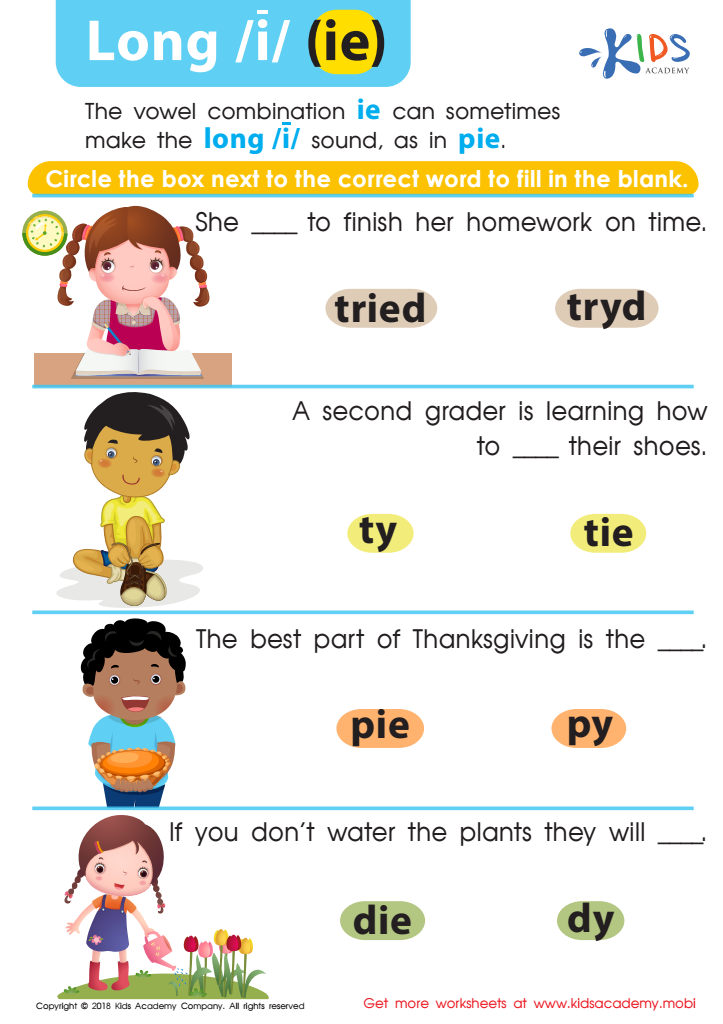
Reading: Long I and IE Worksheet
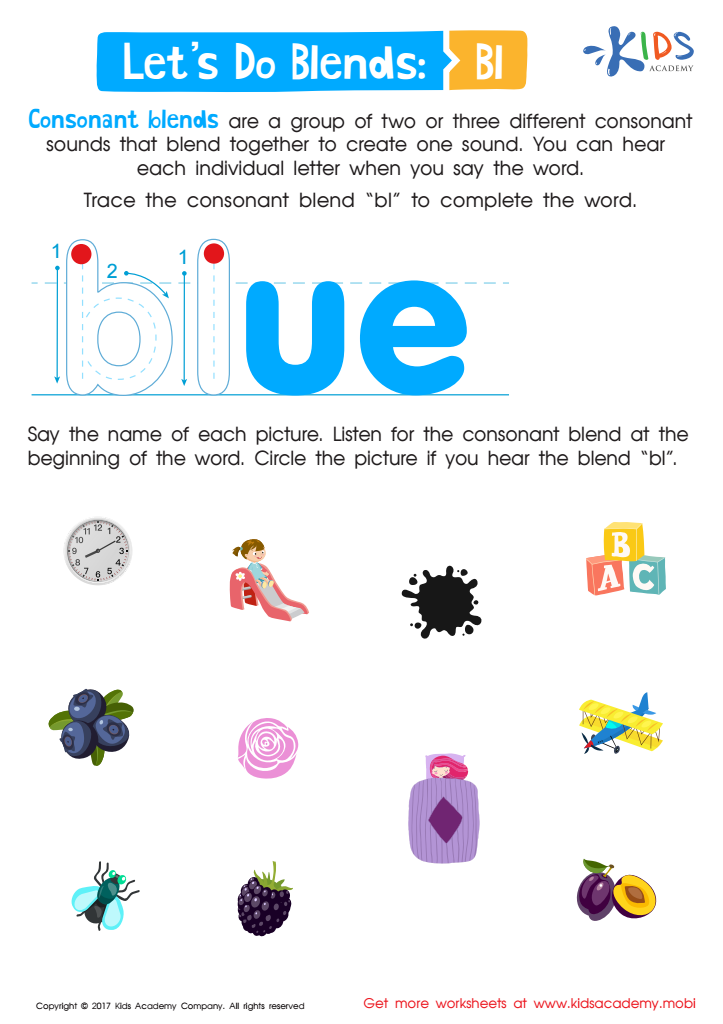
Beginning Blends: "Bl" Words Worksheet
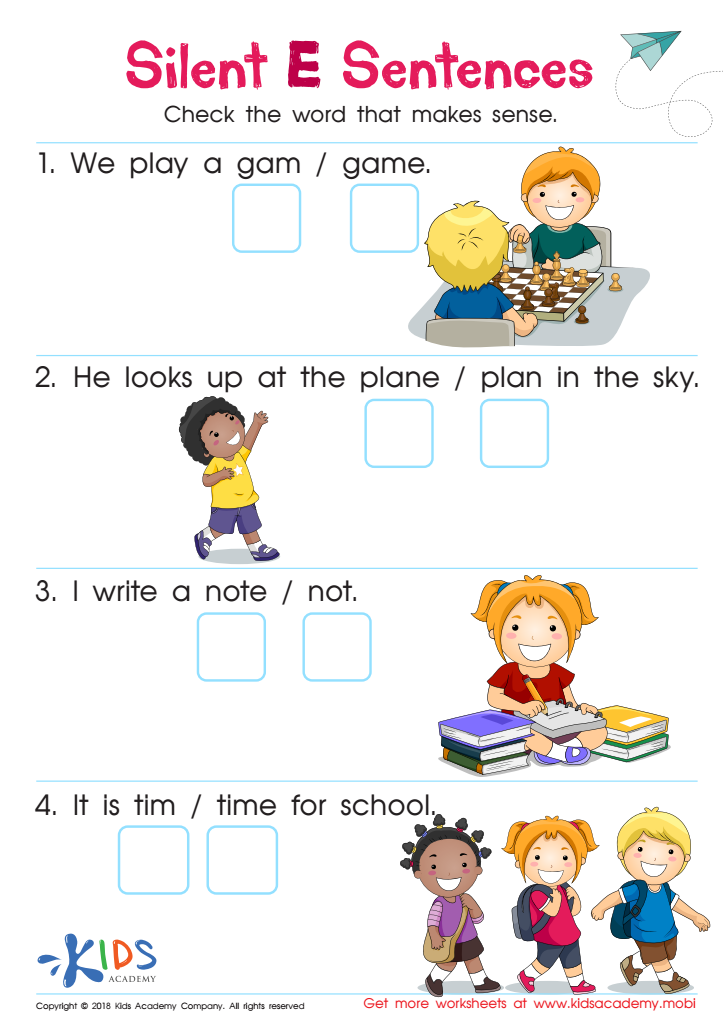
Silent E Sentences Worksheet
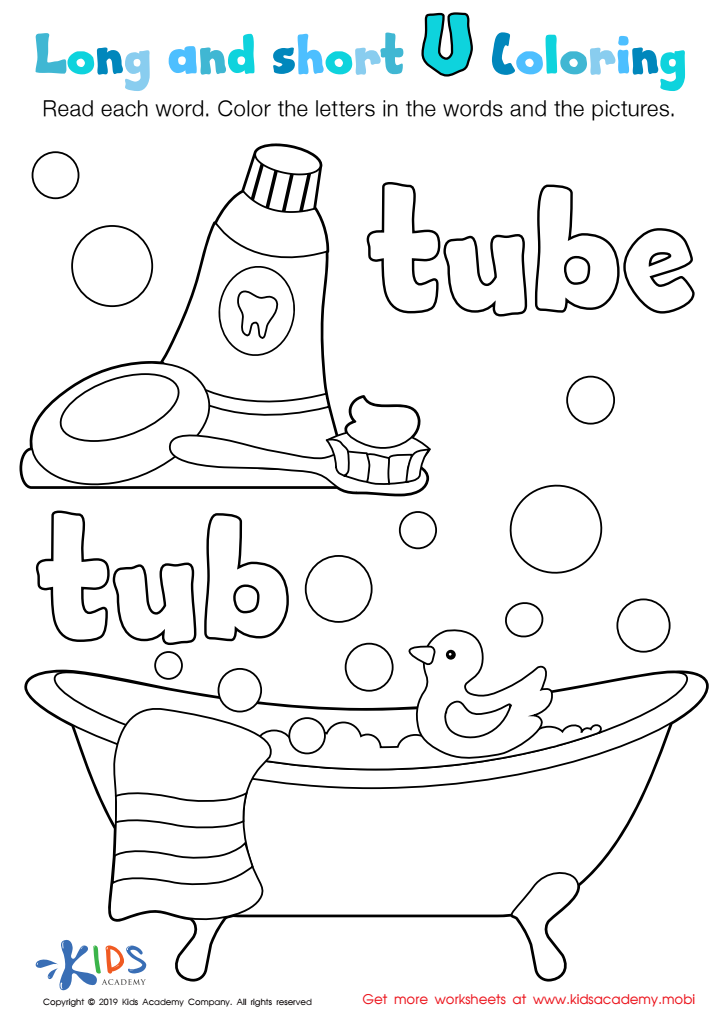
Long and Short U Worksheet
 Assign to My Students
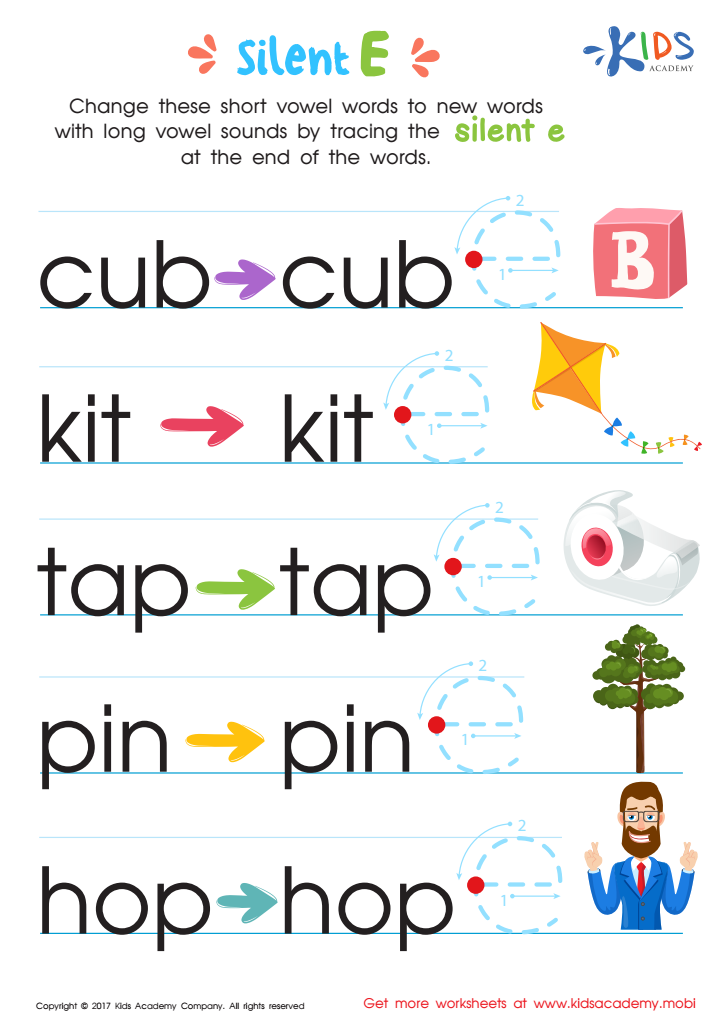
Silent E Words Worksheet
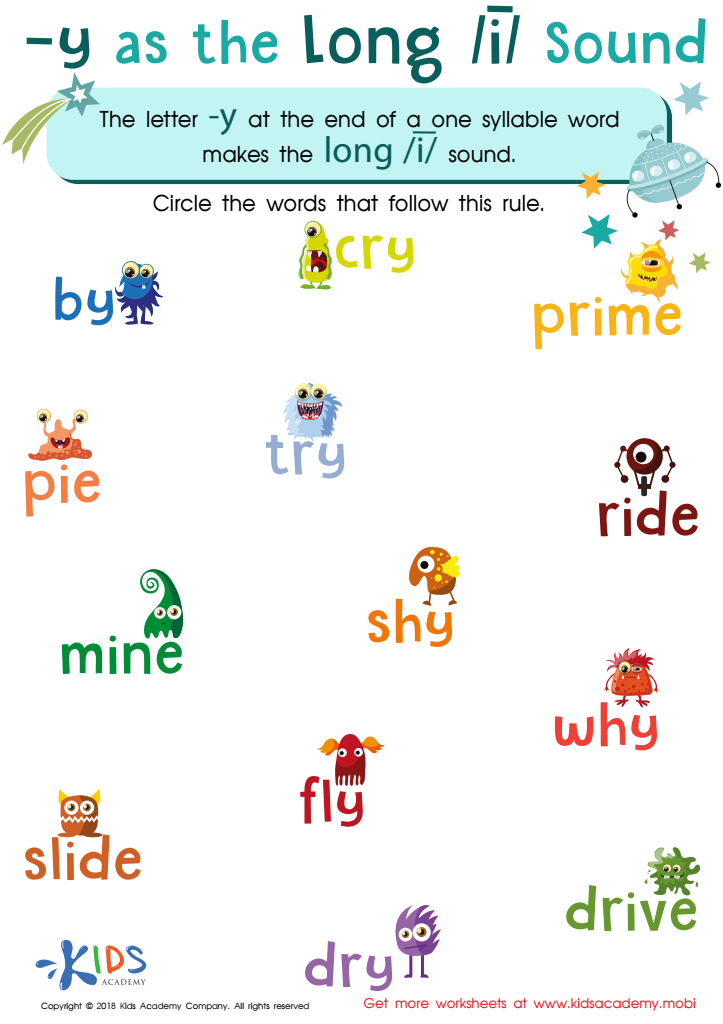
Reading: Y as Long I Worksheet






.jpg)

Phonics skills are a fundamental aspect of early reading development for children aged 4-9. These skills involve understanding the relationship between sounds and the letters that represent them, which fosters essential decoding abilities. As children transfer their phonics knowledge to reading, it facilitates word recognition, allowing them to read fluently and with comprehension.
Parents and teachers should prioritize phonics skills improvement because strong phonics knowledge significantly impacts students' overall literacy success. Children with solid phonics foundations are more likely to become confident readers, which enhances their academic performance across all subjects. Additionally, proficient phonics skills help learners engage with texts independently, fostering a love for reading.
Improving phonics skills can also boost children's self-esteem, as successful reading experiences lead to increased motivation and perseverance. Awareness of phonics can support early interventions for struggling readers, preventing long-term literacy challenges. Furthermore, building phonics skills creates a strong base for more advanced literacy skills, including vocabulary and comprehension, which are critical for lifelong learning. By investing in phonics, parents and teachers not only aid in immediate reading and writing success but also equip children with the tools they need for future academic achievements.








