Reading enhancement Normal Worksheets for Ages 4-9
4 filtered results
-
From - To
KidsAcademy.mobi offers Reading Enhancement Normal Worksheets for children ages 4-9, specifically designed to foster essential reading skills. Each worksheet focuses on phonics, vocabulary, comprehension, and fluency, making learning engaging and effective. The age-appropriate activities ensure young readers build a strong foundation while enjoying the process. These printable worksheets support early literacy development with colorful visuals and fun exercises, empowering kids to progress at their own pace. Perfect for both at-home practice and classroom use, our carefully crafted materials guide children through their reading journey, ensuring they develop the confidence and proficiency needed for future academic success.
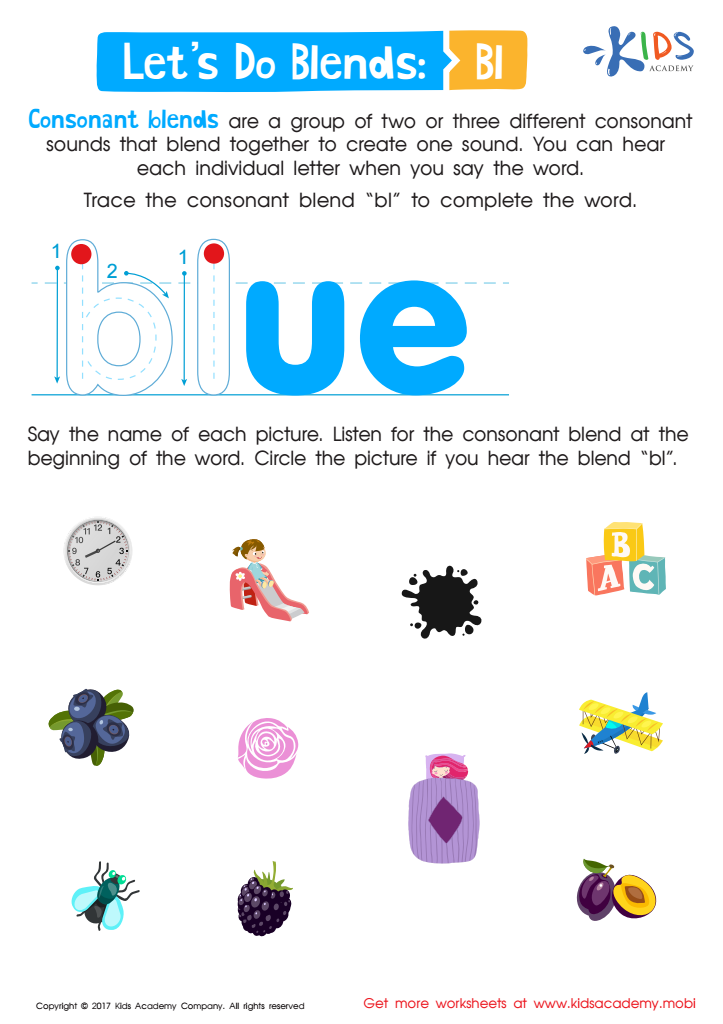
Beginning Blends: "Bl" Words Worksheet
 Assign to My Students
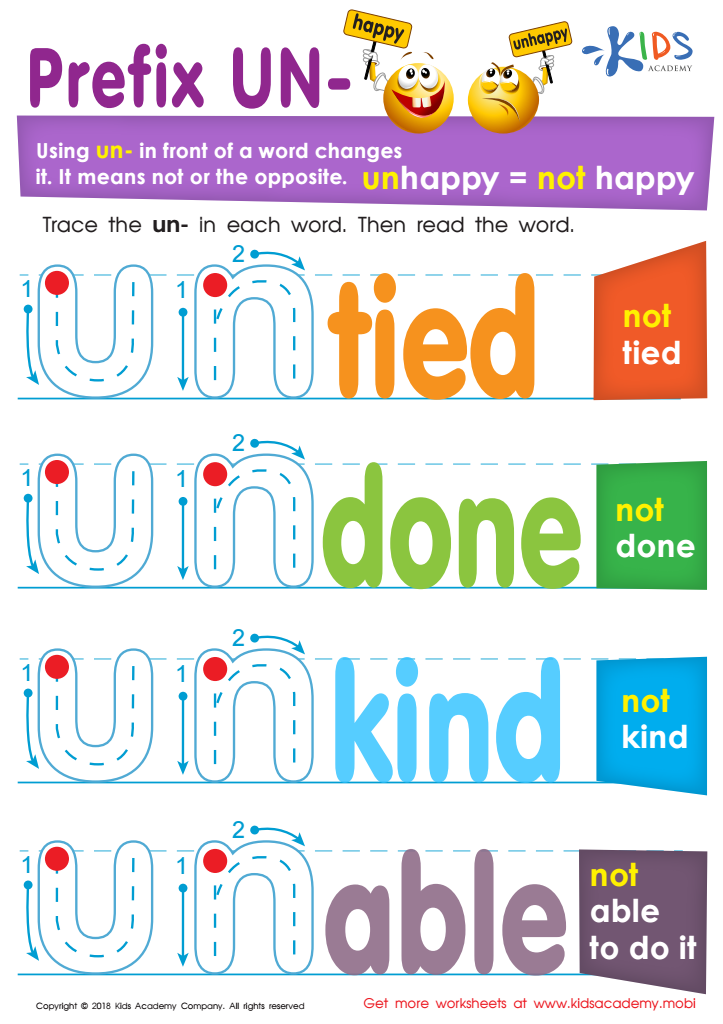
Prefix Un- Worksheet
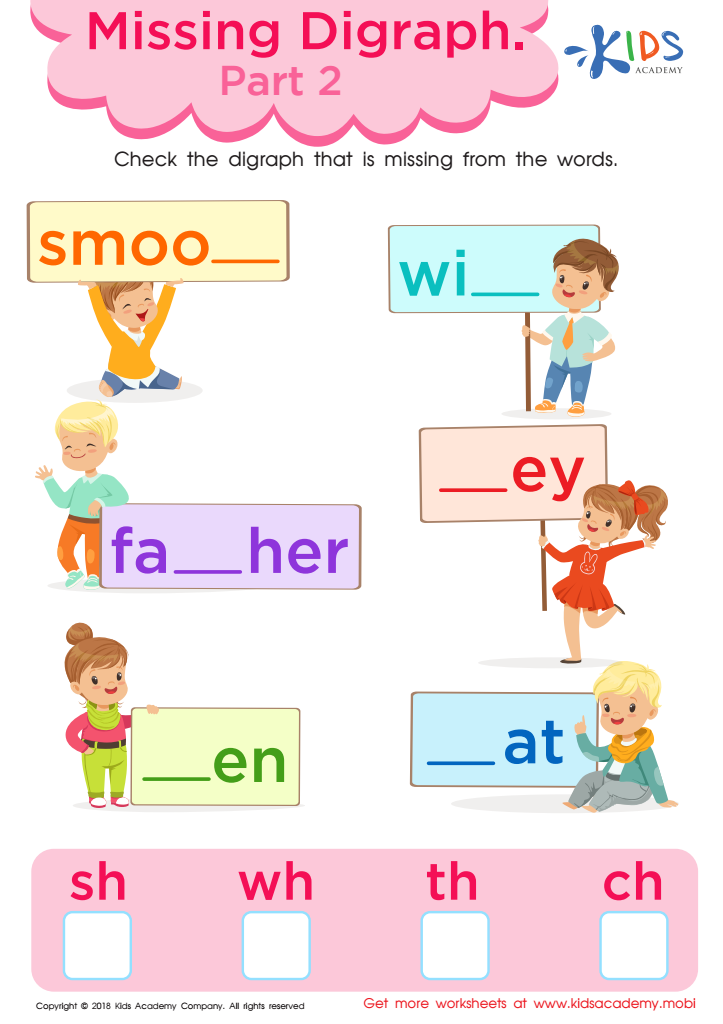
Missing Digraph: Part 2 Worksheet
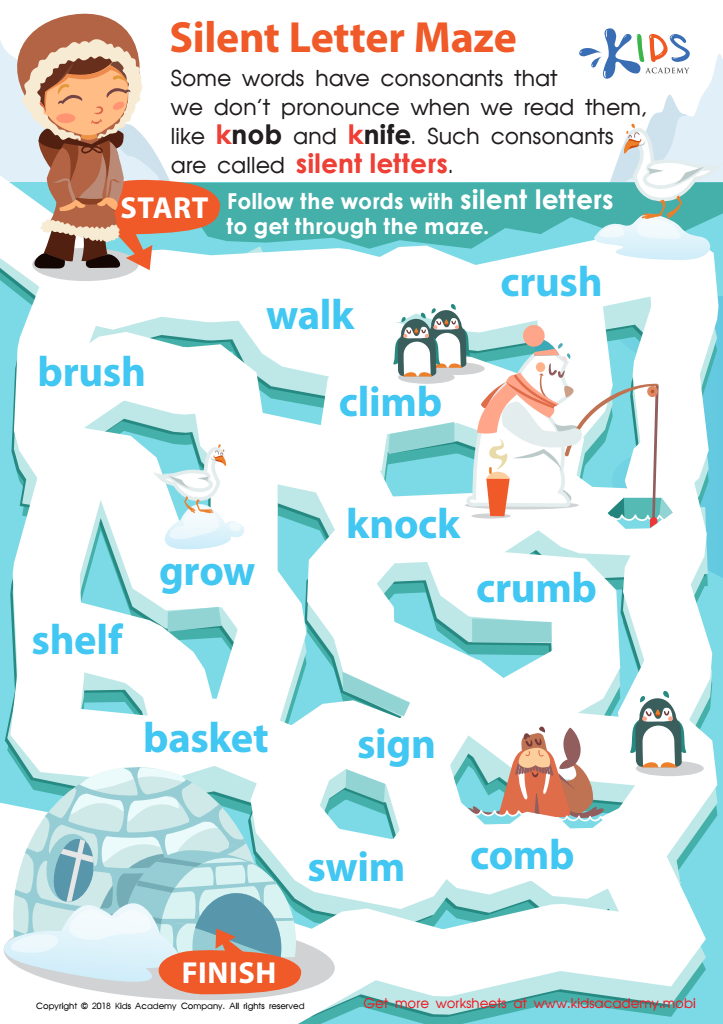
Silent Letter Maze Worksheet








Enhancing reading skills for children aged 4-9 is critical as it forms the foundation for their future academic success and personal development. At this stage, children transition from learning to read to reading to learn; establishing strong literacy skills is crucial for their overall educational journey. For parents and teachers, prioritizing reading enhancement supports cognitive development, including vocabulary expansion, comprehension, and critical thinking skills.
Early reading proficiency correlates with better performance in other academic areas, such as math and science, due to improved understanding and knowledge acquisition capabilities. Additionally, reading fosters a child's imagination, curiosity, and empathy by exposing them to diverse ideas, cultures, and perspectives. This diversity is essential in nurturing well-rounded individuals who can handle complex social and emotional situations.
Moreover, fostering a love for reading at an early age encourages lifelong learning habits. Parents and teachers are vital in creating an engaging and supportive reading environment to spark this interest. They can do this by offering varied and age-appropriate reading materials, engaging with children through discussions about stories, and modeling positive reading behaviors themselves.
In essence, reading enhancement for young children equips them with essential skills, a broad perspective, and a lifelong passion for learning, making it a crucial focus for both parents and teachers.








