Real-world application Normal Worksheets for Ages 4-9
4 filtered results
-
From - To
Discover engaging Real-world Application Normal Worksheets designed for children aged 4-9 on Kids Academy. These thoughtfully crafted worksheets bridge classroom learning with everyday experiences, helping young learners connect academic concepts to their world. Covering essential skills such as math, language, and problem-solving, our resources encourage practical application through fun and relatable scenarios. Perfect for teachers and parents, these activity-rich worksheets enhance critical thinking and promote creativity. Empower your child's learning journey by exploring our extensive collection of worksheets that inspire curiosity and confidence. Dive into real-world applications and watch your child thrive in both school and life!
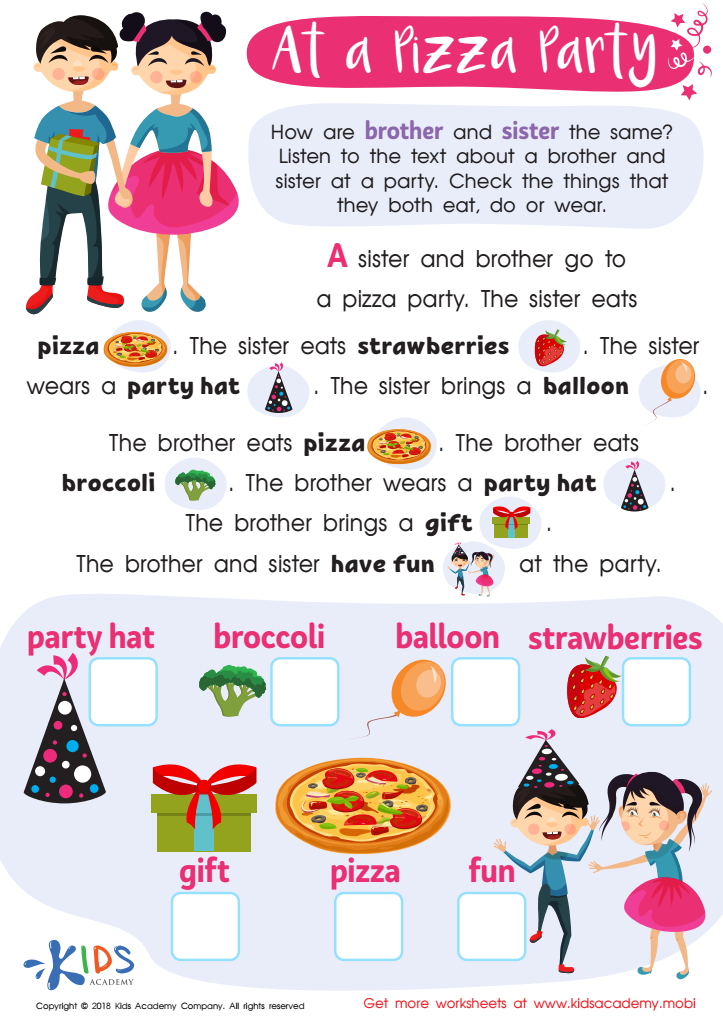
At a Pizza Party Worksheet
 Assign to My Students
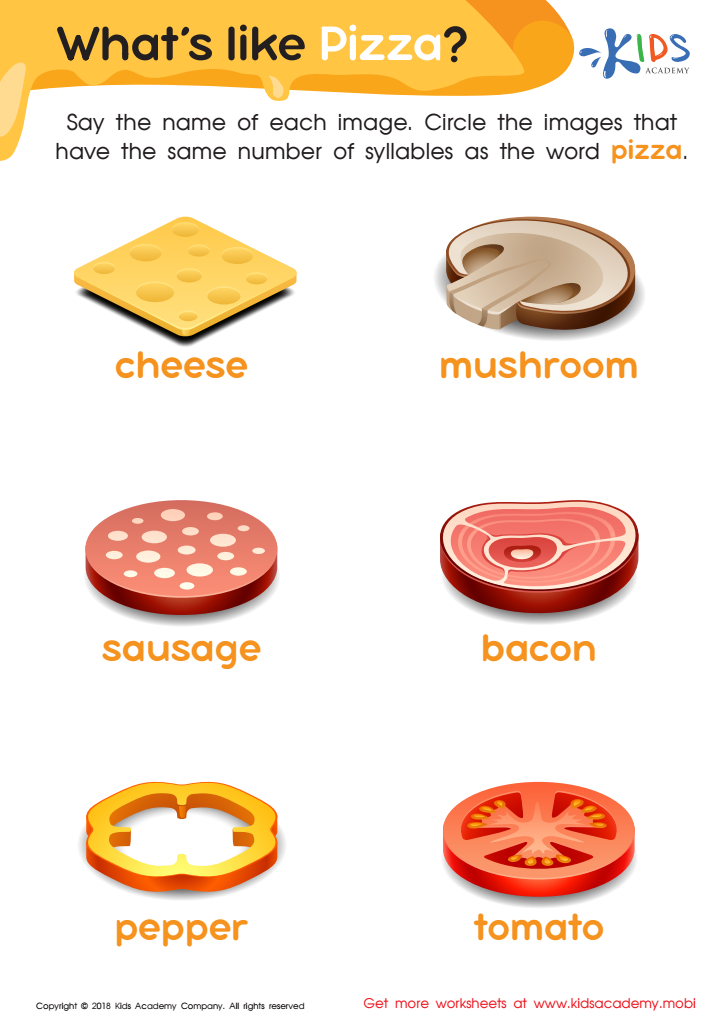
What's Like Pizza? Worksheet
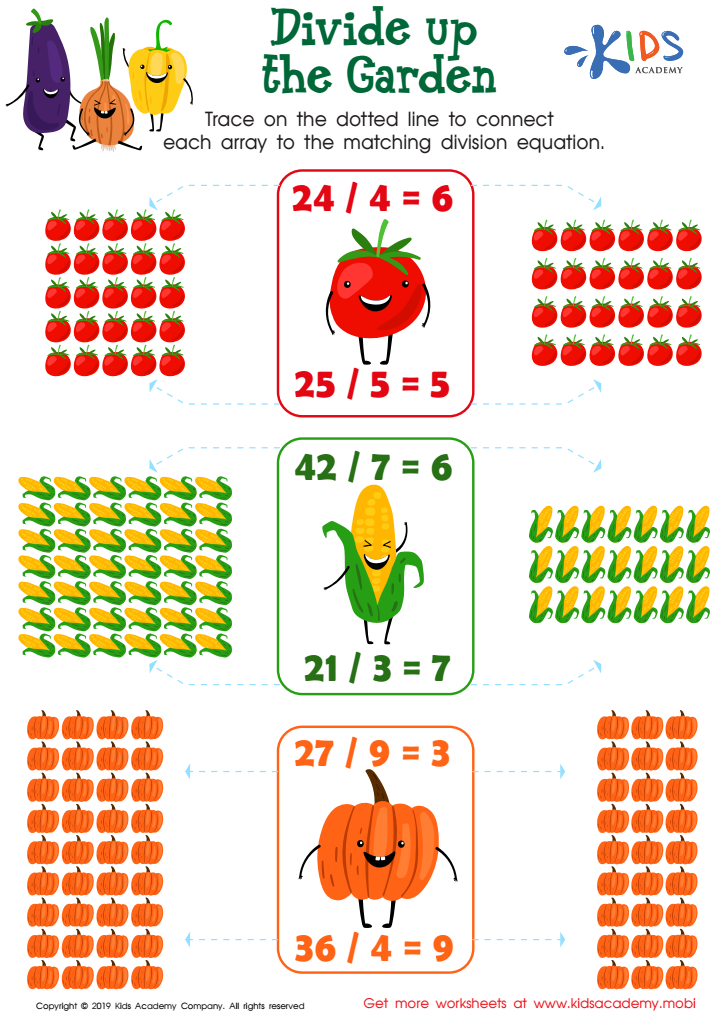
Divide up the Garden Worksheet
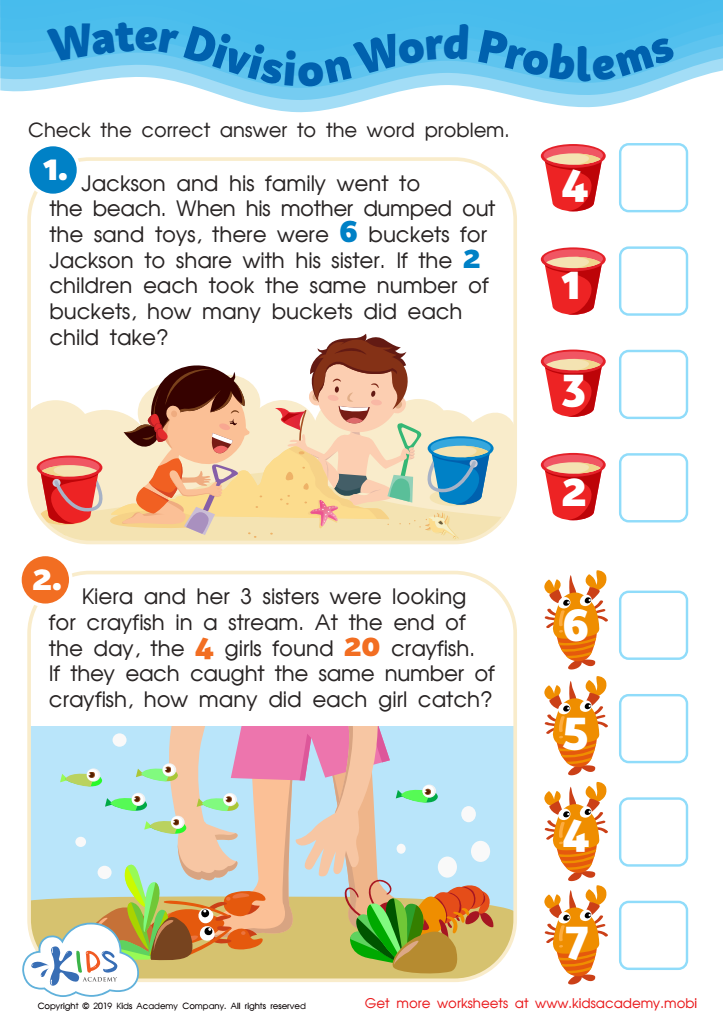
Water Division Word Problems Worksheet






Parents and teachers should prioritize real-world applications for children aged 4 to 9 because it fosters both engagement and understanding in early learning. At this crucial stage, children are naturally curious, and connecting classroom lessons to everyday life helps nurture this curiosity and ignite a love for learning. When children see how math, reading, and science are relevant to their daily activities—like counting snacks, reading street signs, or exploring nature—they can grasp concepts more effectively.
Real-world applications also help children develop critical thinking and problem-solving skills. For example, when they participate in a cooking activity, they practice measuring, following instructions, and making choices. Ultimately, these experiences prepare children for more complex thinking as they grow.
Additionally, engaging in real-world activities fosters social skills, as children work collaboratively on projects or community activities. This promotes a sense of belonging and teamwork, vital elements in emotional development.
Lastly, learning through practical experiences makes education joyful and meaningful, helping to build positive associations with school that will last a lifetime. By connecting lessons to the world around them, teachers and parents can encourage children to become lifelong learners and thinkers.








