Shape identification Normal Worksheets for Ages 4-9
9 filtered results
-
From - To
Looking for engaging shape identification worksheets for kids aged 4-9? Our carefully crafted sheets at Kids Academy offer interactive activities to help young learners recognize and name various shapes. Designed with vibrant visuals and age-appropriate challenges, our resources make learning shapes fun and effective. Perfect for at-home practice or classroom use, these worksheets support essential skills in geometry and cognitive development. Help your child or students improve their shape identification abilities today with our expertly designed materials. Visit Kids Academy to download and print now!
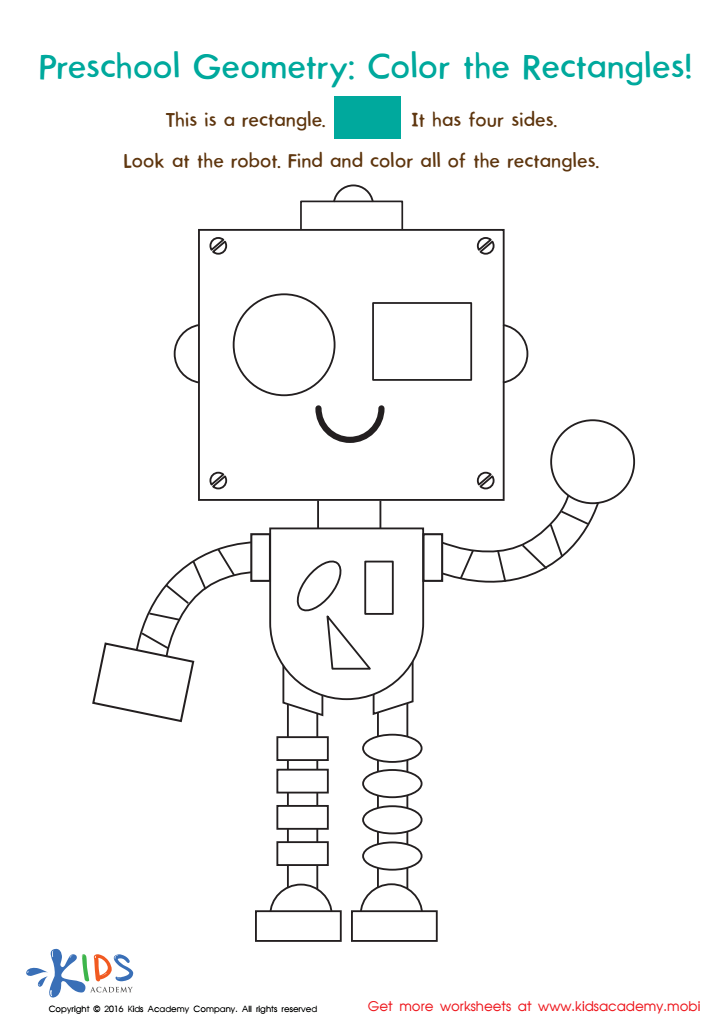
Geometry Worksheet
 Assign to My Students
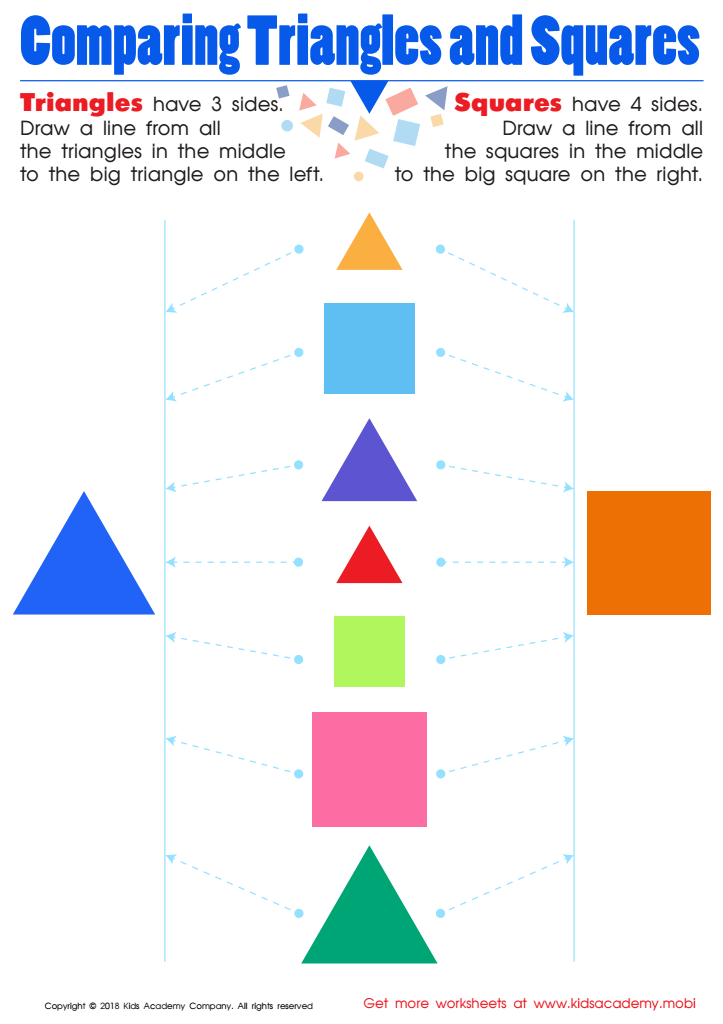
Comparing Triangles Squares Worksheet
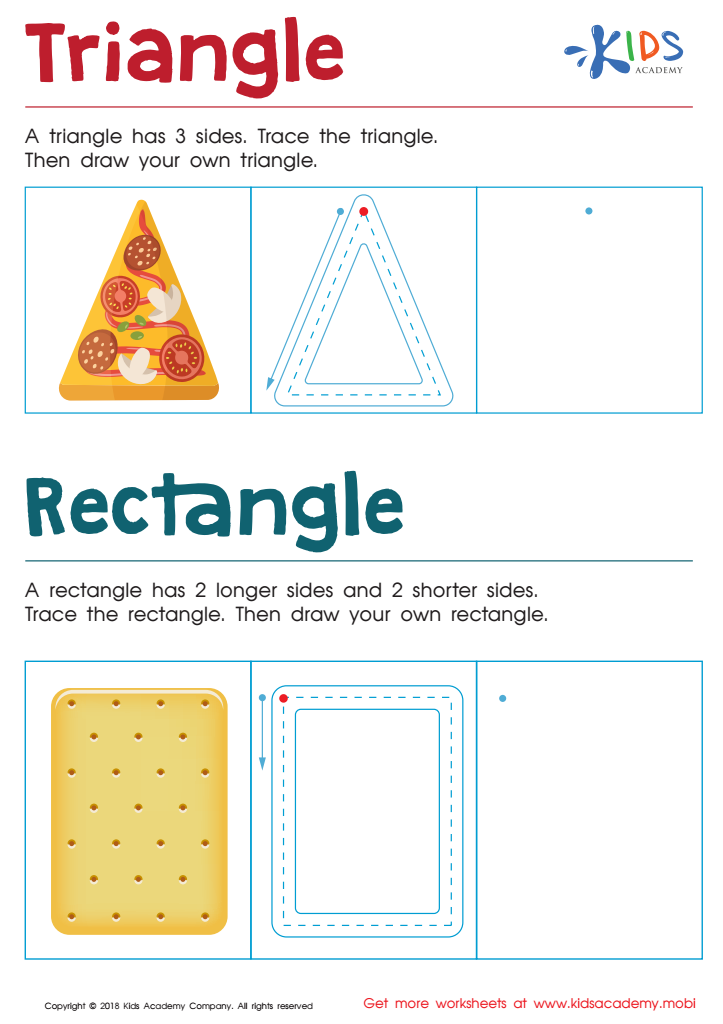
Triangle Rectangle Worksheet
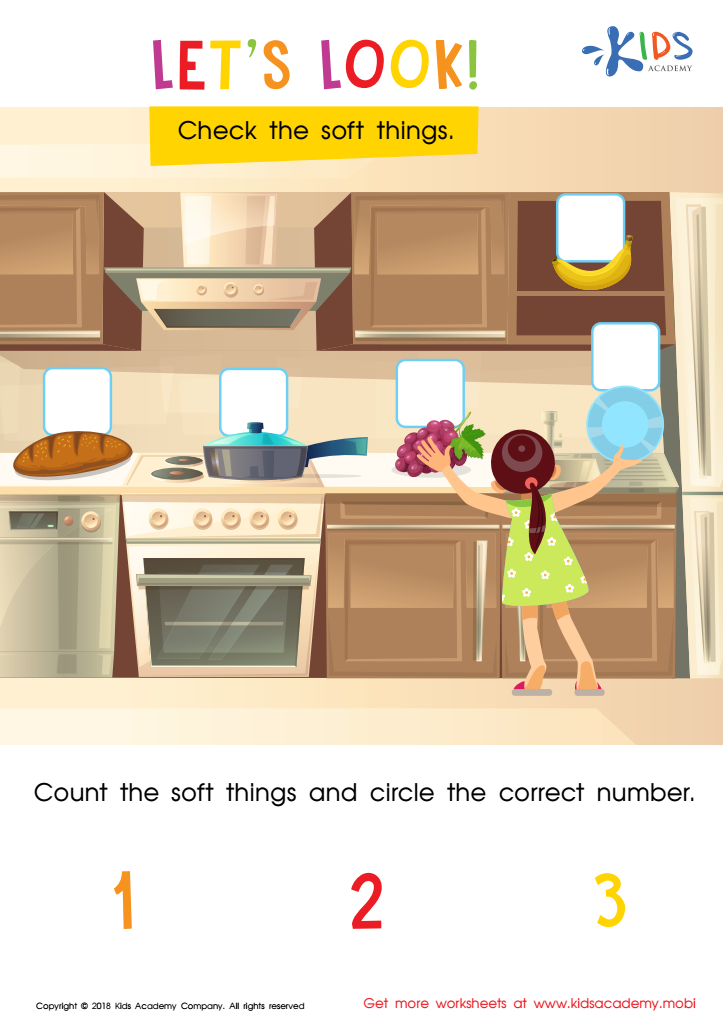
Let's Look! Assessment Worksheet
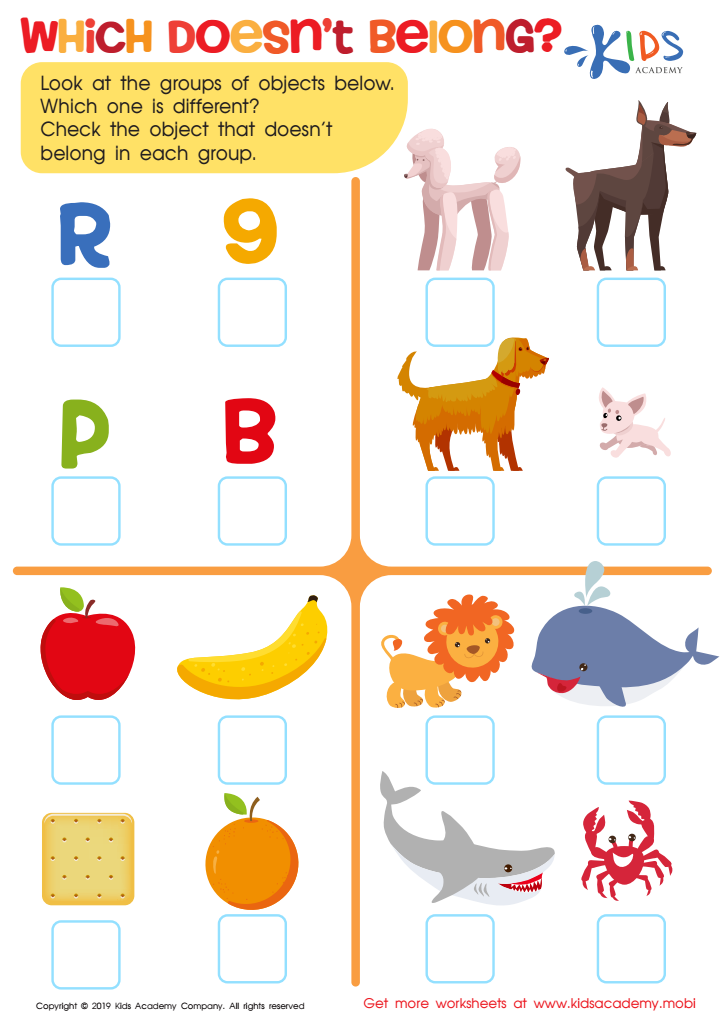
Which Doesn't Belong? Worksheet
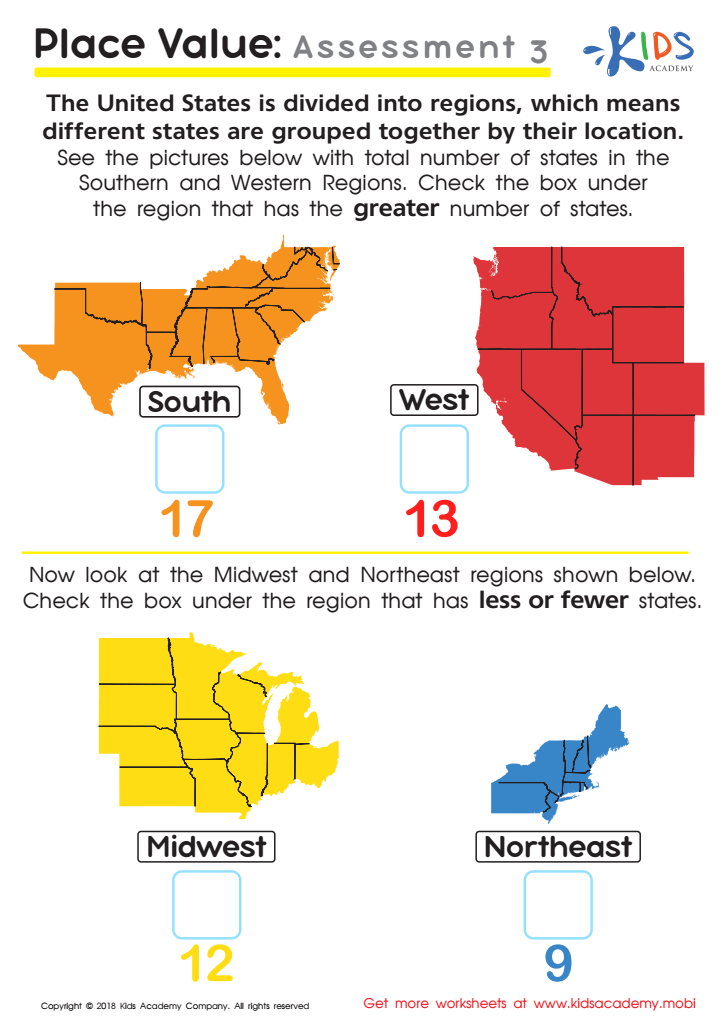
Place Value: Assessment 3 Worksheet
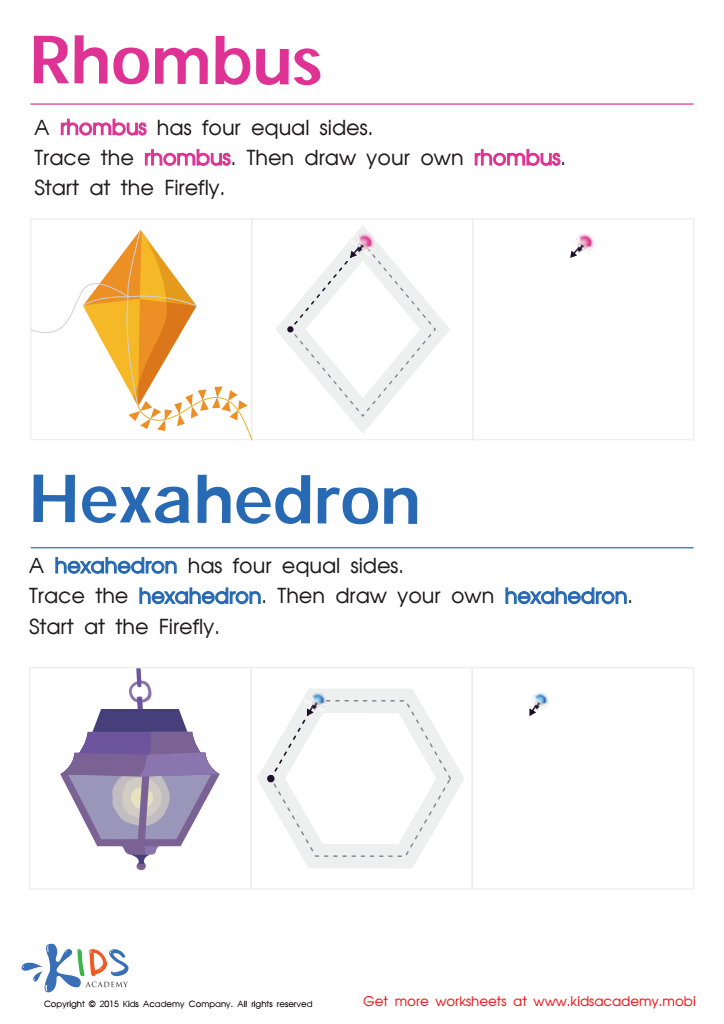
Draw a Rhombus And a Hexahedron Printable
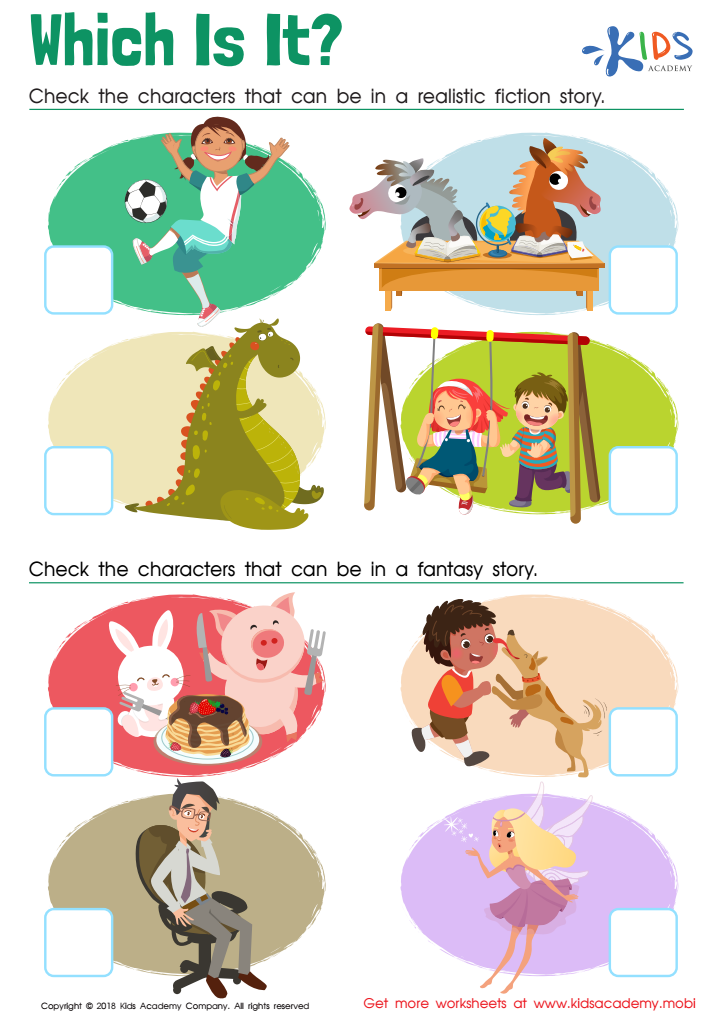
Which Is It? Worksheet
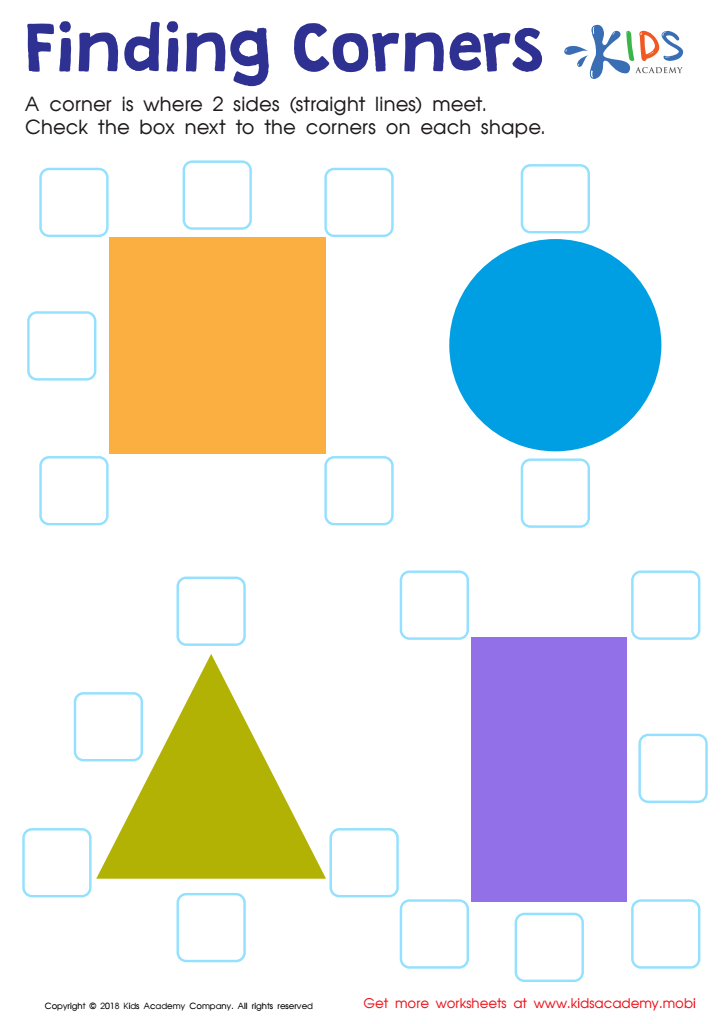
Finding Corners Worksheet








Shape identification is a fundamental skill for children aged 4-9, serving as a critical building block for later academic success and everyday problem-solving. Shapes are among the first tools children use to navigate and understand the world around them. Recognizing and differentiating between shapes enhances cognitive development, specifically in areas related to spatial awareness and reasoning. Developing these skills early helps children with tasks ranging from sorting objects and recognizing patterns to more advanced geometry in later grades.
For parents and teachers, emphasizing shape identification enriches language skills and communication. When children learn the names and properties of shapes, they expand their vocabulary and ability to describe objects and their surroundings more accurately.
Moreover, shape identification fosters creativity and artistic expression, as kids frequently use shapes in drawing and constructing activities. Understanding shapes also underpins many practical life skills, such as reading cues from physical objects or participating in structured play. Educators see a direct link between early shape recognition and later success in more complex mathematical concepts like symmetry, fractions, measured drawing, and graph reading.
By focusing on this aspect of early education, parents and teachers lay a strong foundation for a child's comprehensive cognitive development and academic journey, ensuring they are well-prepared for future learning challenges.








