Understanding patterns Normal Worksheets for Ages 4-9
10 filtered results
-
From - To
Enhance your child's learning experience with our "Understanding Patterns Normal Worksheets" designed for ages 4-9. These engaging worksheets help young learners recognize and create patterns through fun, interactive activities. Children will explore various pattern types using colors, shapes, and objects, fostering critical thinking and cognitive development. Each worksheet is tailored to promote hands-on learning, encouraging kids to spot similarities and predict sequences. Ideal for parents and teachers alike, these resources support early math and logic skills while making learning enjoyable. Download our worksheets today and watch your child’s understanding of patterns blossom! Perfect for home or classroom use!
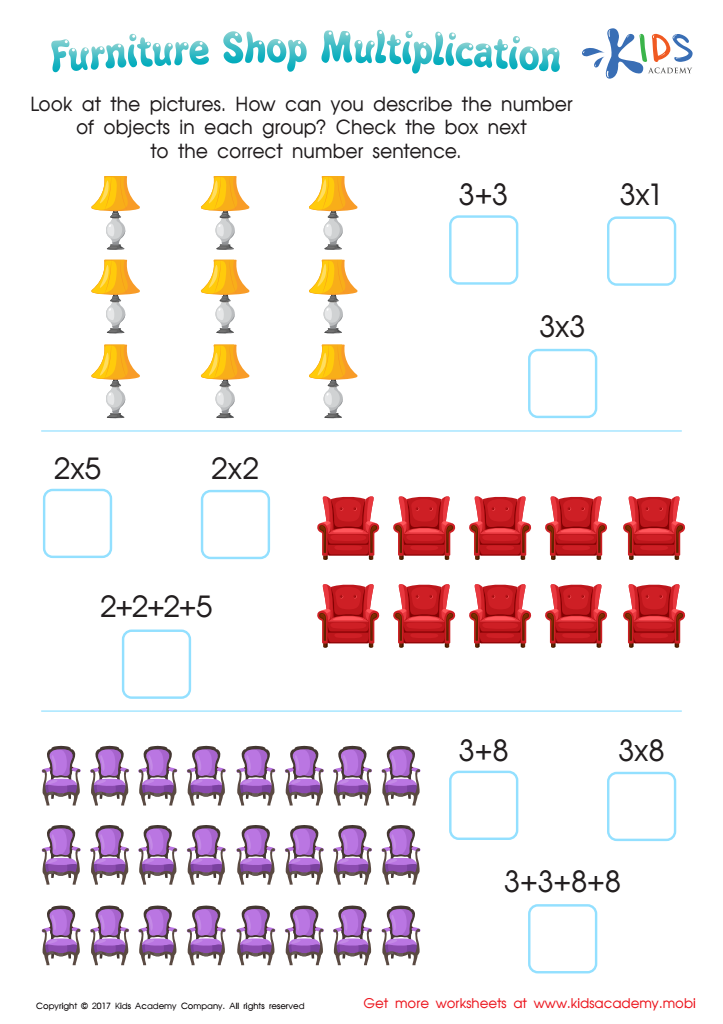
Furniture Shop Worksheet
 Assign to My Students
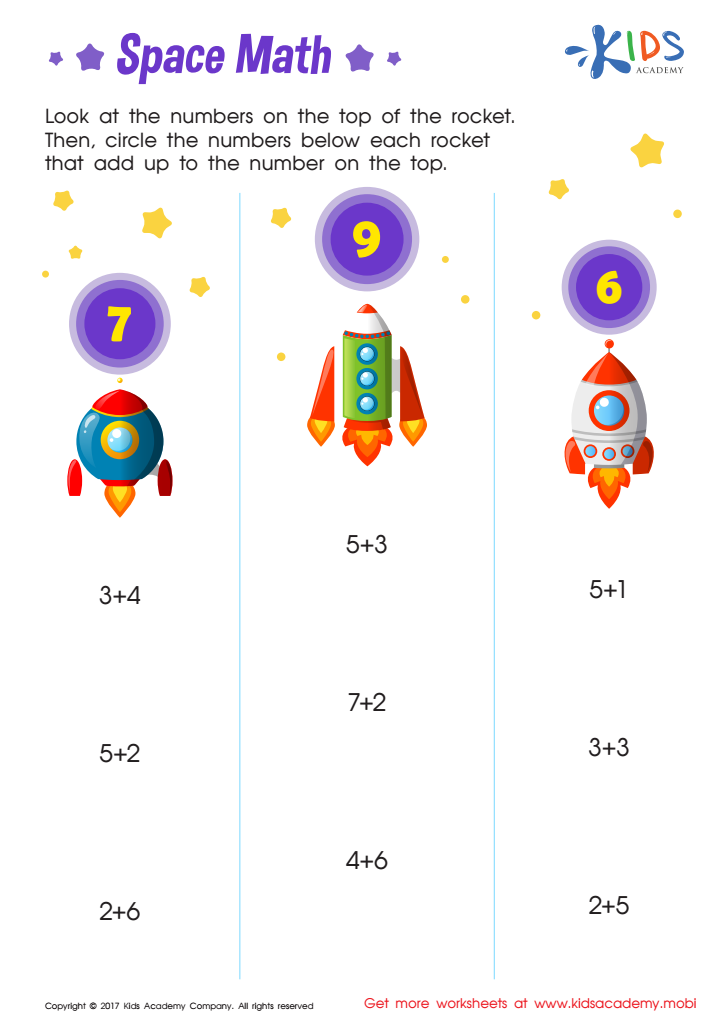
Addition: Space Math Worksheet
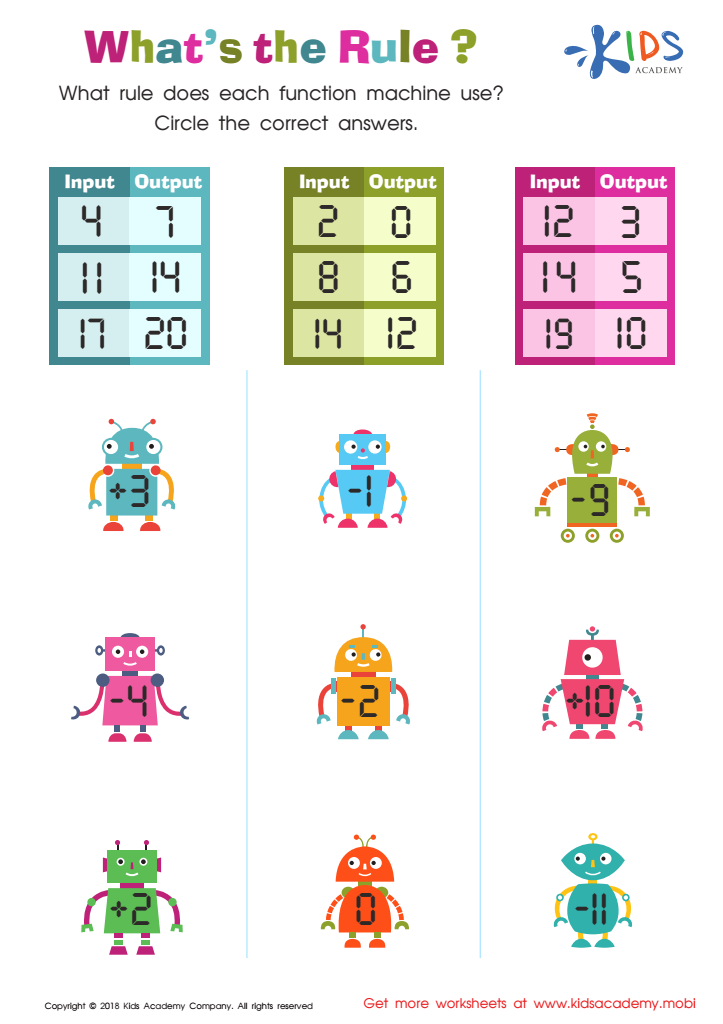
What's the Rule Worksheet
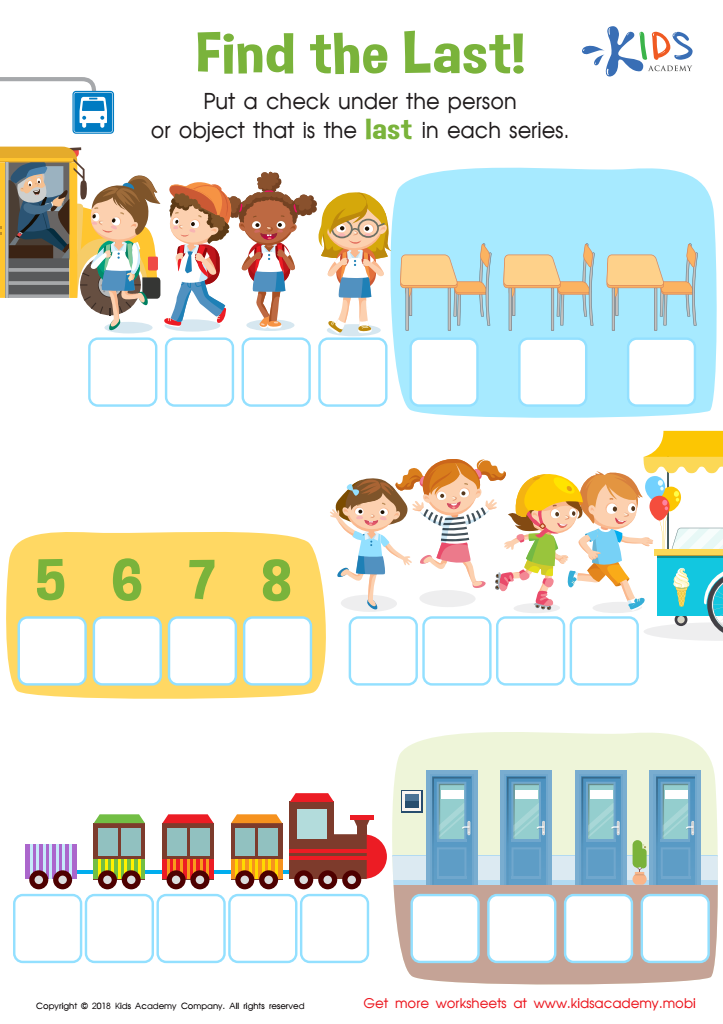
Find the Last! Worksheet
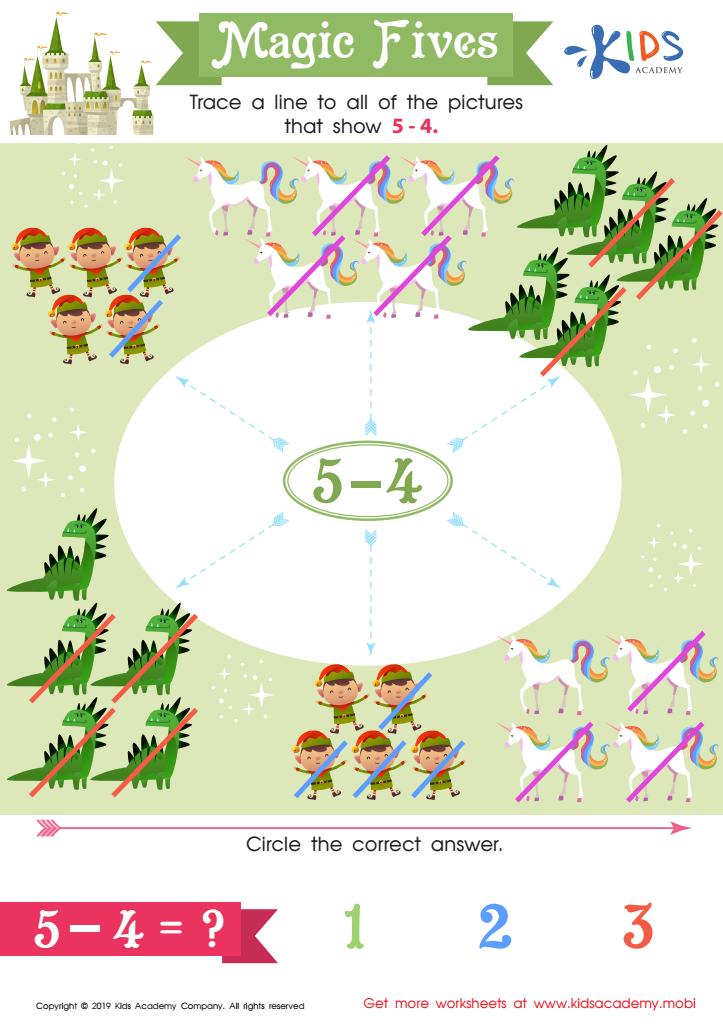
Magic Fives Worksheet
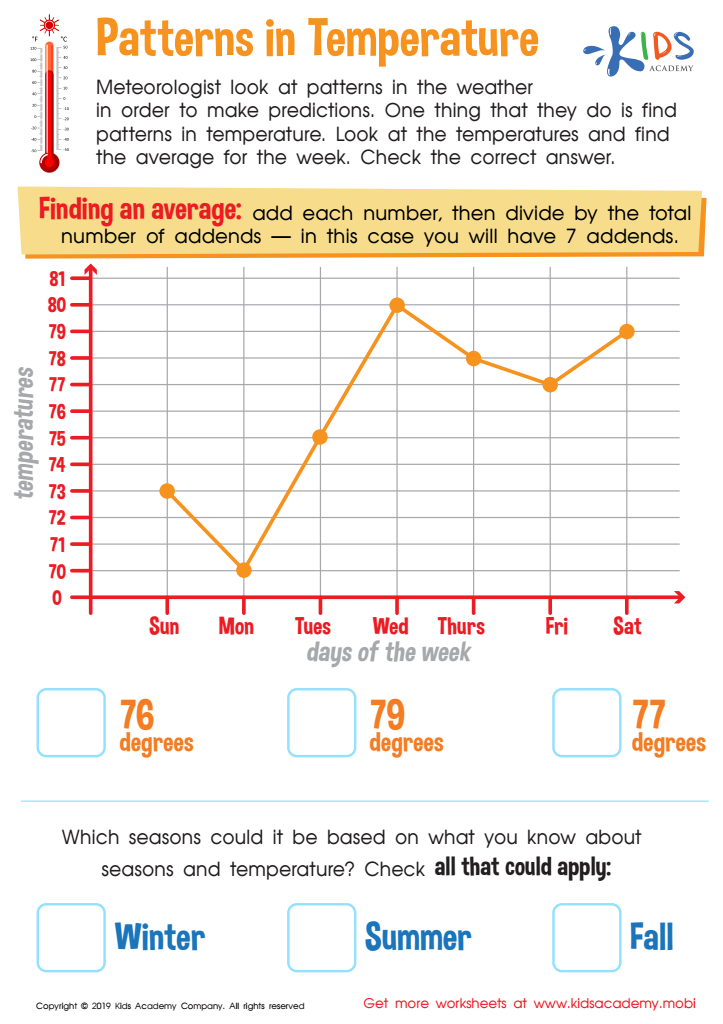
Patterns in Temperature Worksheet
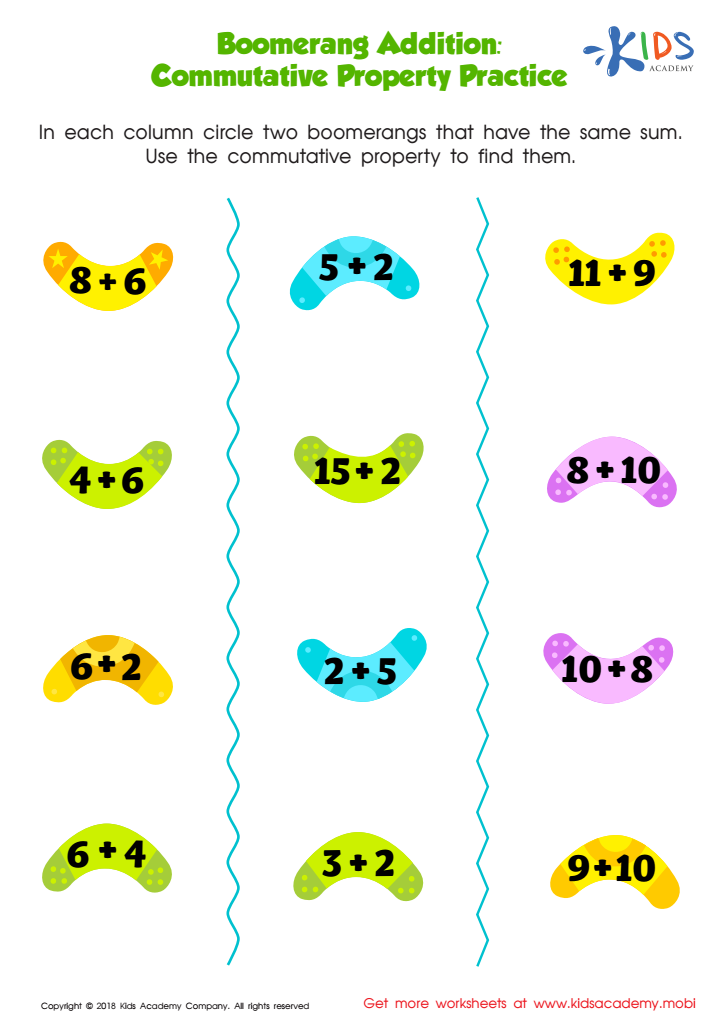
Boomerang Addition Worksheet
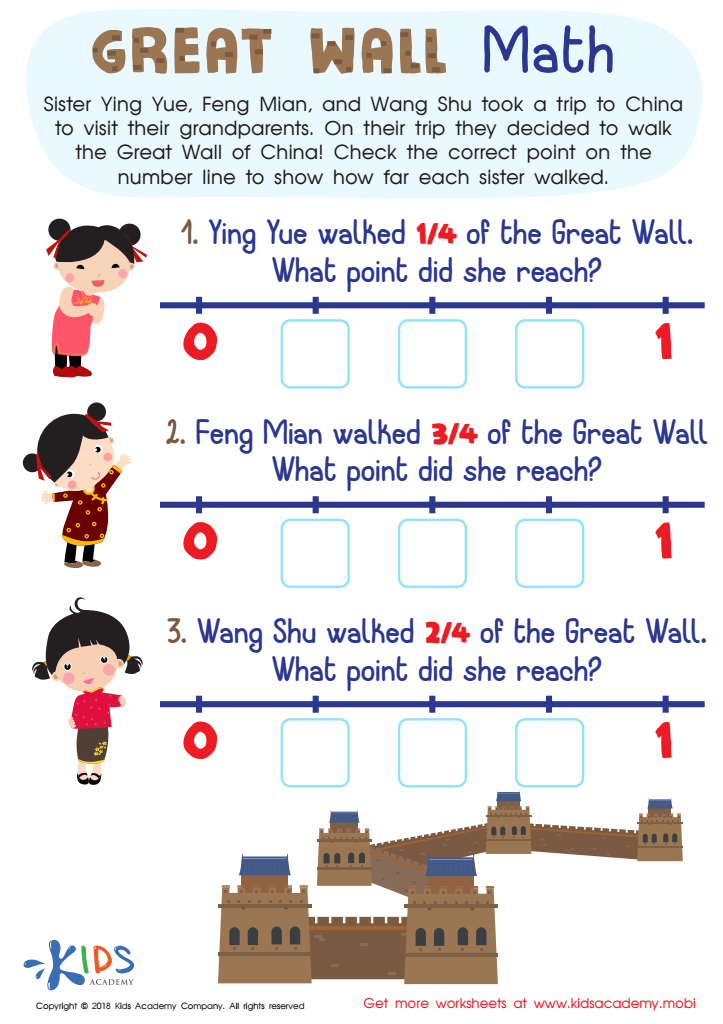
Great Wall Math Worksheet
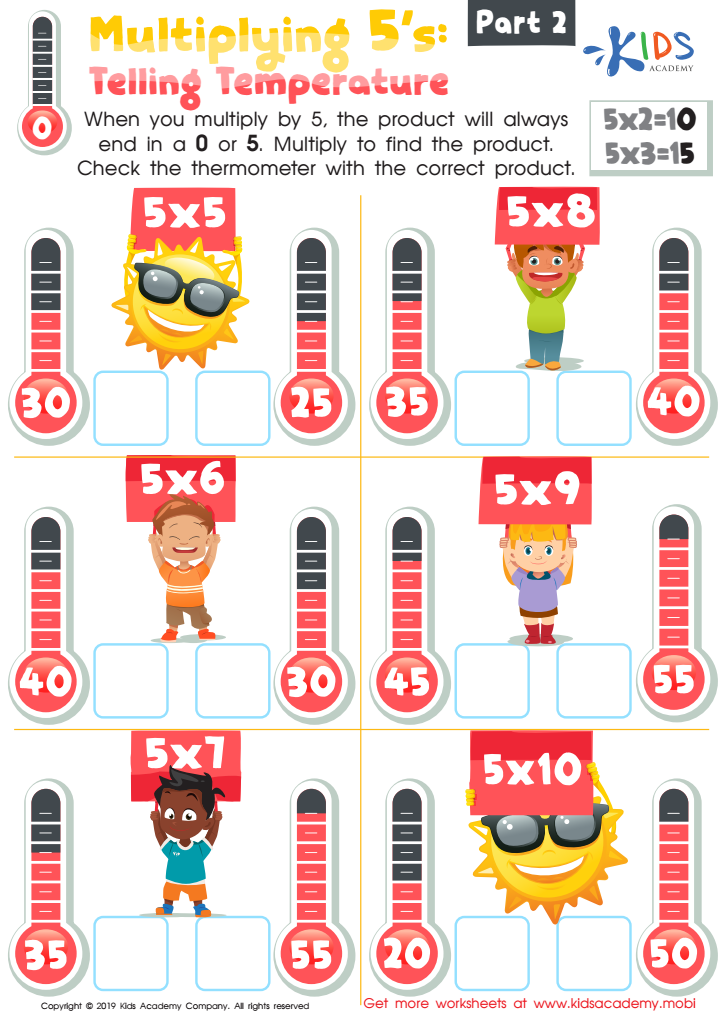
Multiplying 5’s: Telling Temperature Part 2 Worksheet
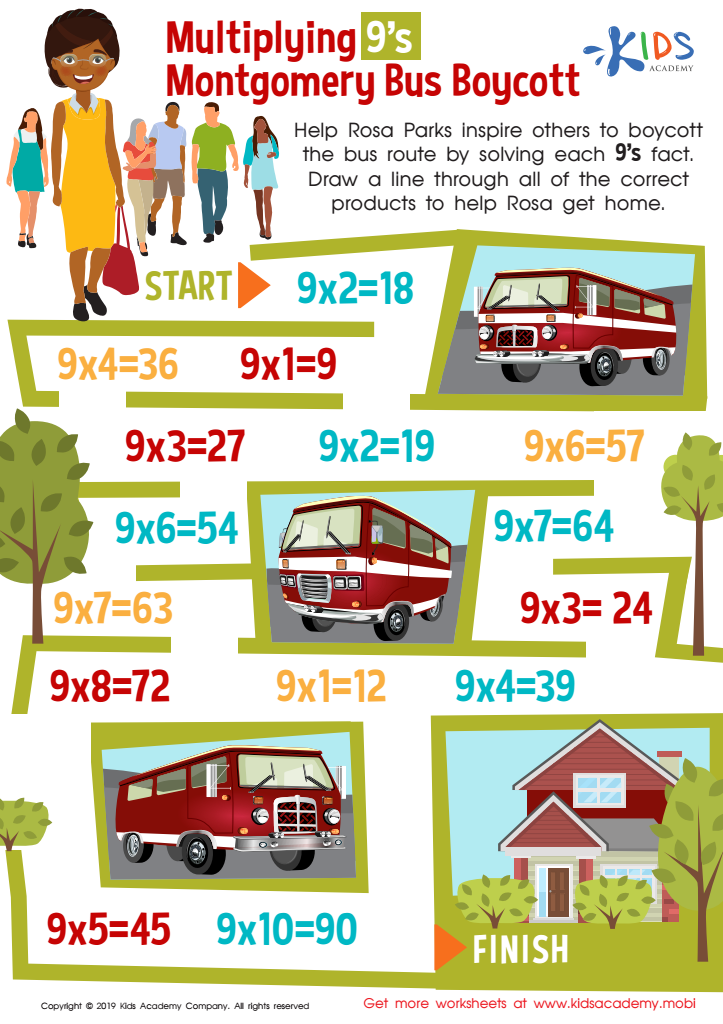
Multiplying 9’s Montgomery Bus Boycott Worksheet








Understanding patterns is fundamental for children aged 4-9 as it forms the basis for critical thinking, problem-solving, and logical reasoning. Recognizing patterns helps young learners make connections, predict outcomes, and develop strong mathematical skills. For parents and teachers, nurturing this understanding can significantly enhance a child's cognitive development.
At this age, children are naturally curious and eager to explore their environment. They encounter patterns in everyday life—whether in nature, art, or through routines. Engaging with these patterns not only supports math concepts such as addition, subtraction, and classification but also lays the groundwork for complex subjects like algebra and geometry in later years.
Incorporating pattern recognition into learning activities can be fun and interactive. For instance, using games, songs, and hands-on activities can keep children engaged while reinforcing their cognitive skills. Moreover, pattern recognition contributes to literacy development through narrative structures and rhymes in stories.
By paying attention to this aspect of child development, parents and teachers can foster a love for learning and instill valuable skills that children will utilize throughout their education and in real-life situations. Ultimately, understanding patterns equips young learners with the tools necessary to navigate the world around them confidently.








