Understanding symmetry Normal Worksheets for Ages 4-9
5 filtered results
-
From - To
Discover engaging and educational “Understanding Symmetry Normal Worksheets” for children aged 4-9! These thoughtfully crafted worksheets aim to ignite curiosity and promote foundational math skills by introducing the concept of symmetry through fun activities. Young learners will enjoy identifying symmetrical shapes, completing patterns, and exploring reflections, all while building essential cognitive abilities. Perfect for both classroom and home learning, these worksheets help nurture creativity and critical thinking in a playful manner. Encourage your child's growth and understanding of symmetry with our colorful, user-friendly resources designed to make learning enjoyable. Dive into the world of symmetry today and watch your child's skills flourish!
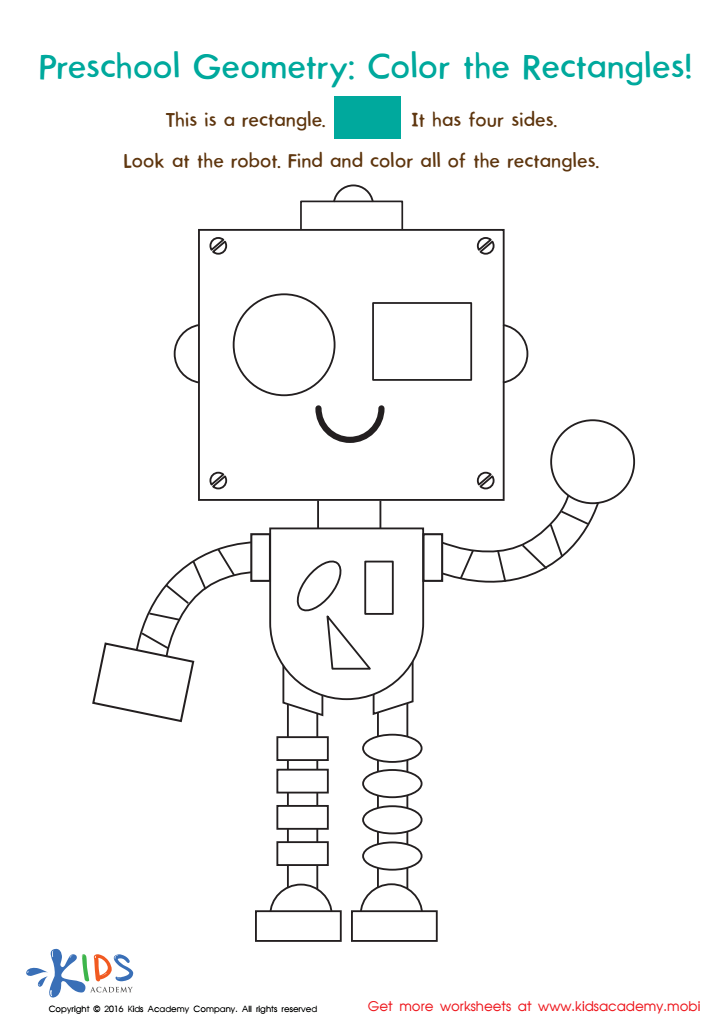
Geometry Worksheet
 Assign to My Students
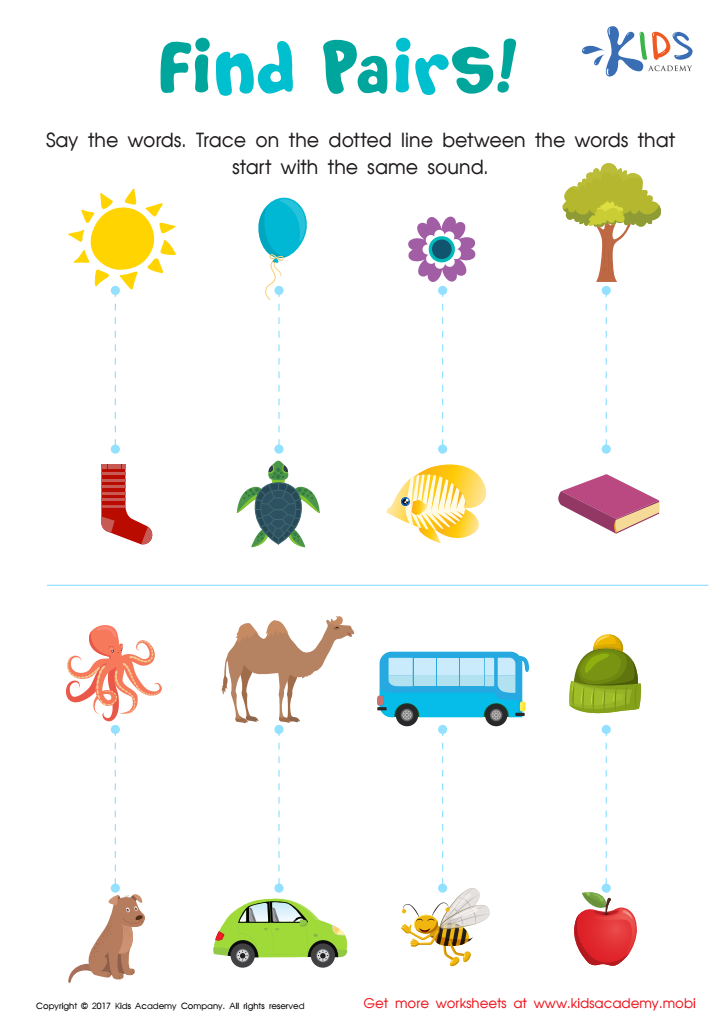
Beginning Sound: Find Pairs Worksheet
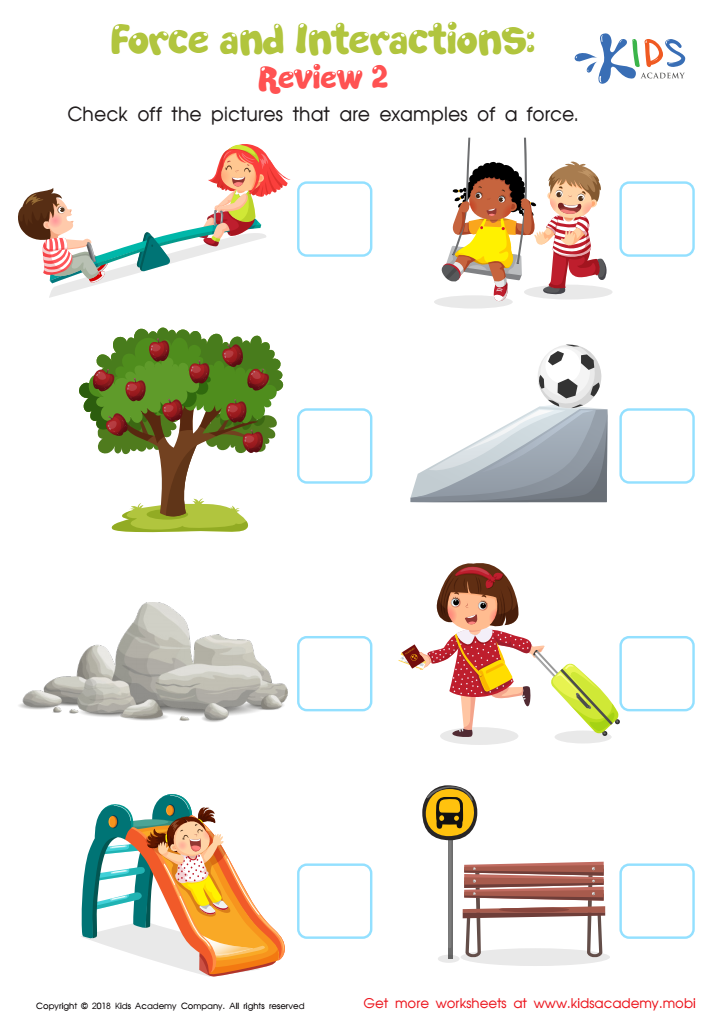
Force and Interactions: Review 2 Worksheet
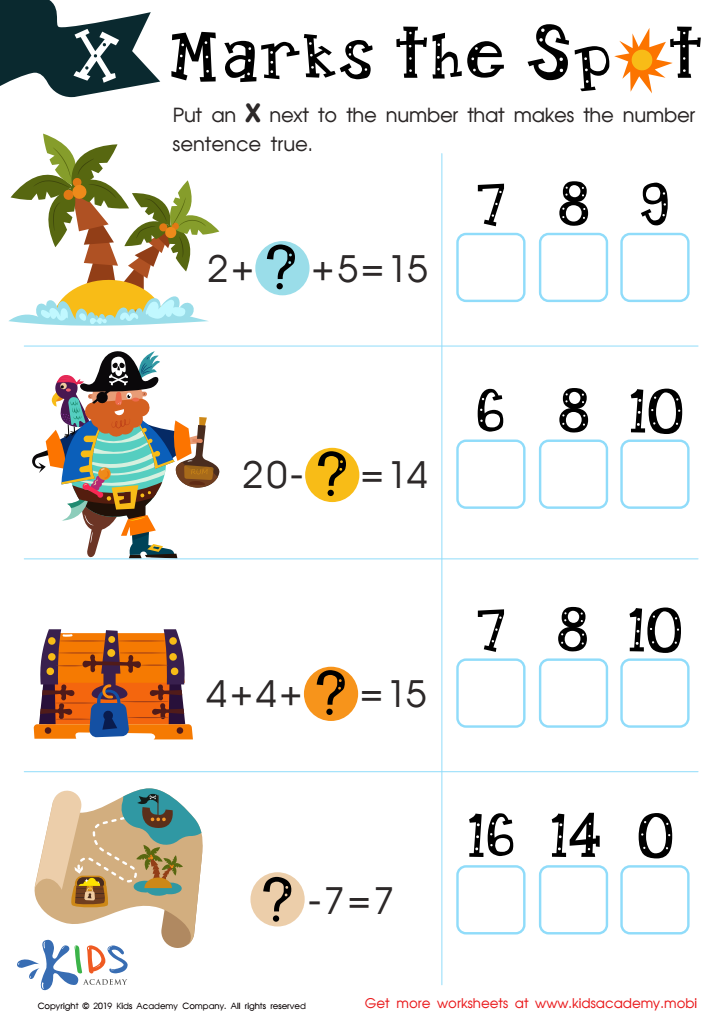
X Marks the Spot Worksheet
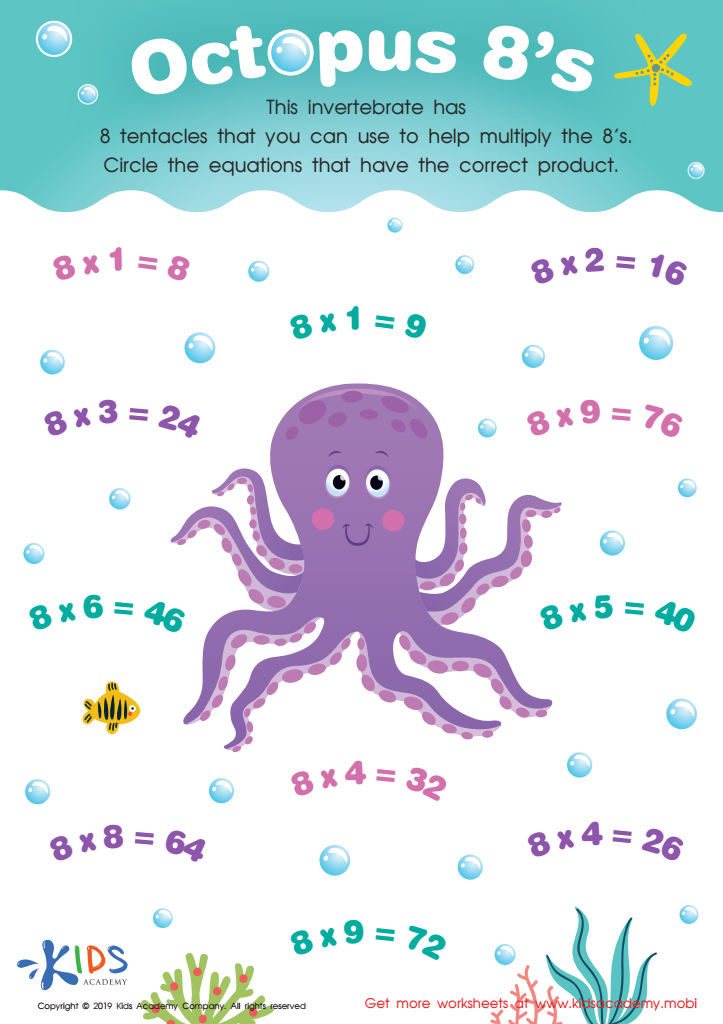
Octopus 8’s Worksheet







Understanding symmetry is essential for children between the ages of 4 and 9 as it lays the foundation for critical cognitive skills. At this age, children are naturally curious and begin to explore the world around them through shapes, patterns, and spatial relationships. Teaching symmetry helps them to recognize these patterns and fosters their problem-solving abilities.
Exposure to symmetry develops mathematical thinking, as children learn to categorize shapes and understand how they can change while maintaining balance and proportion. This knowledge not only boosts their early math skills but also enhances their creativity, as they start to create symmetrical art and designs. Furthermore, recognizing symmetry aids in developing visual-spatial skills, which are crucial for later learning in subjects such as geometry and science.
Moreover, symmetry is prevalent in nature, art, and architecture, which provides opportunities for integrated learning. Engaging with symmetry also promotes critical thinking, as children learn to observe, hypothesize, and reason. Therefore, parents and teachers should prioritize concepts of symmetry, as it helps instill a wealth of foundational skills that will support children's current and future academic journeys, ultimately shaping their overall cognitive development and appreciation for the world around them.








