Visual learning stimulation Normal Worksheets for Ages 4-9
3 filtered results
-
From - To
Discover a world of engaging visual learning stimulation worksheets designed for children ages 4 to 9! Our specially curated resources encourage creativity and critical thinking while enhancing essential skills. These worksheets are perfect for nurturing visual recognition, logical reasoning, and imaginative exploration through vibrant illustrations and age-appropriate activities. With a variety of topics and formats, children will enjoy hours of stimulating fun as they learn to identify shapes, colors, patterns, and more. Ideal for home or classroom use, our visual learning worksheets are set to ignite curiosity and foster a love for learning, ensuring a solid foundation for future academic success.
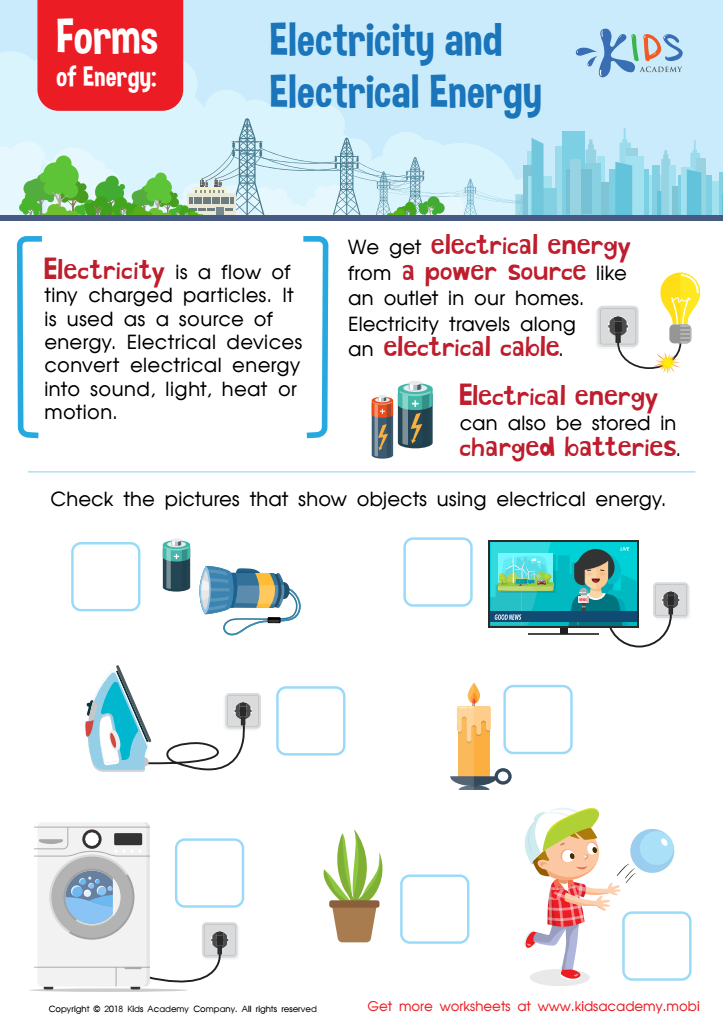
Forms of Energy Worksheet
 Assign to My Students
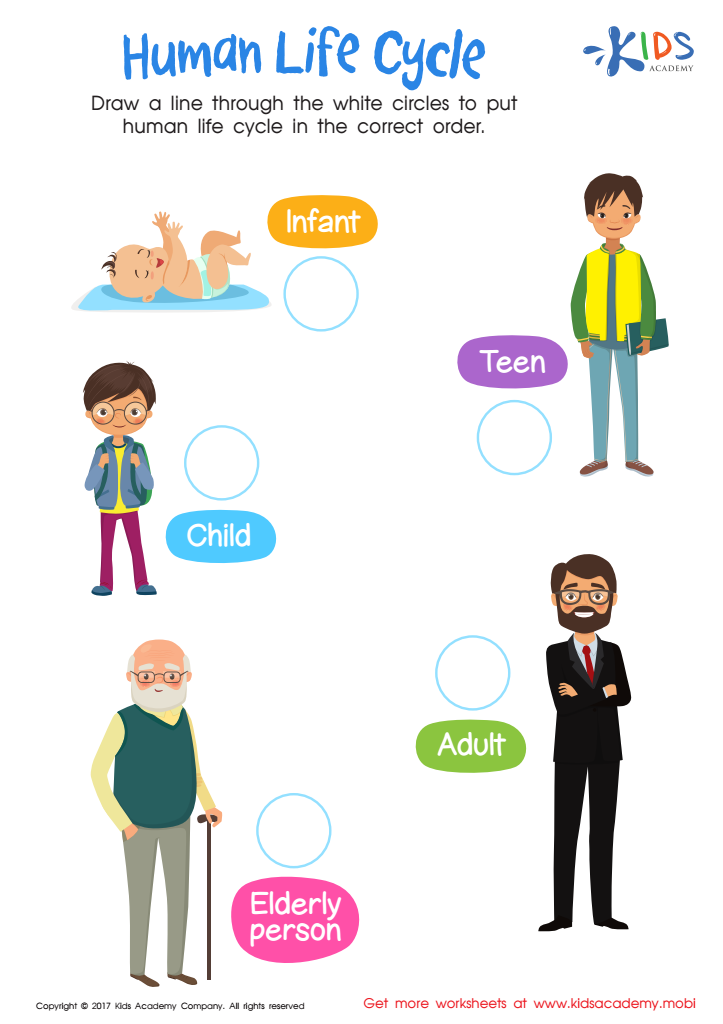
Human Life Cycle Worksheet
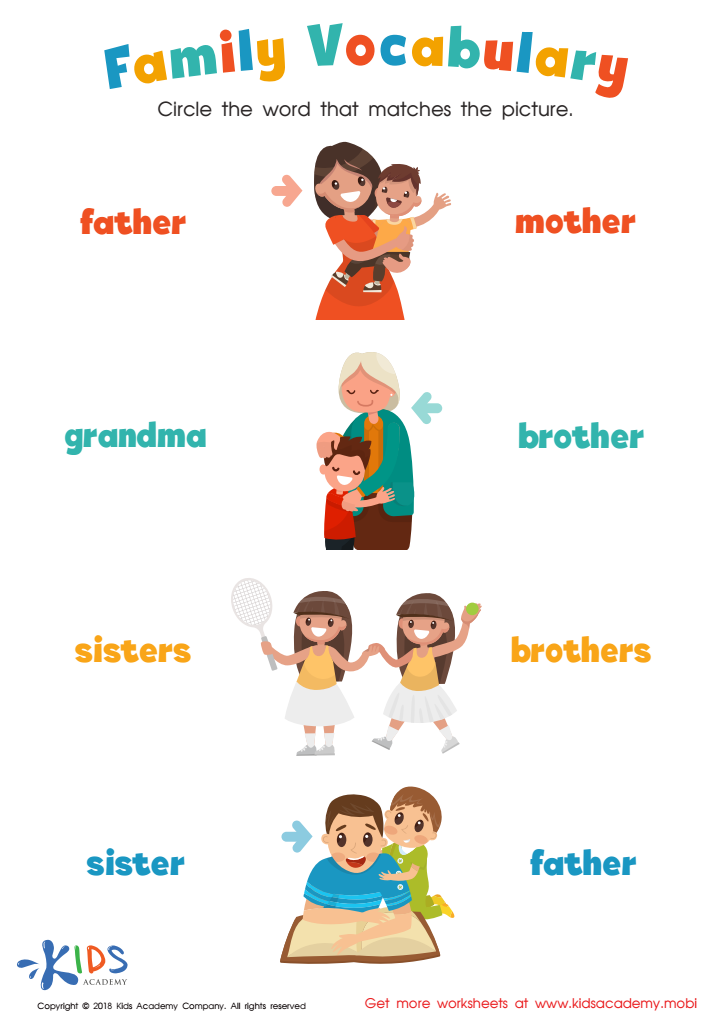
Family Vocabulary Worksheet






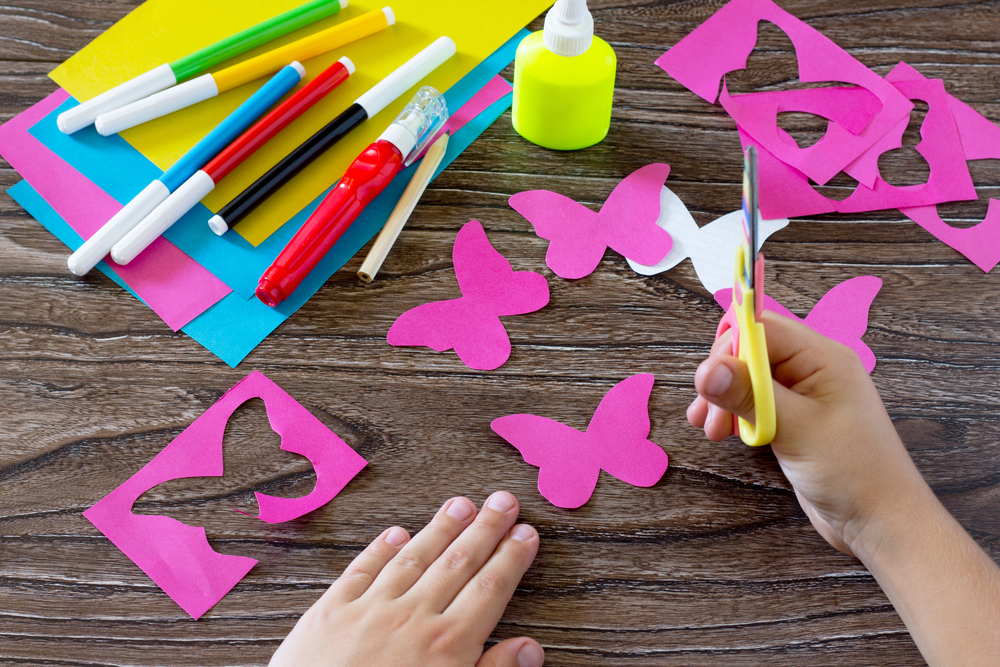

Visual learning stimulation is crucial for children aged 4-9 as it plays a significant role in their cognitive, emotional, and social development. During this formative period, children's brains are highly receptive, and engaging them visually can enhance their understanding and retention of information. Visual learning promotion supports various skills, including critical thinking, problem-solving, and creativity. These abilities form the foundation for academic success across subjects like math, literacy, and science.
Moreover, visual aids help children process and interpret complex concepts, making learning more accessible and enjoyable. They encourage active participation and curiosity, which fosters a love for learning. Visual stimulation also supports various learning styles; some children absorb information best through images, diagrams, and colors, while others may find engagement in videos or interactive activities.
Additionally, incorporating visual elements into learning allows kids to express their emotions and thoughts creatively, nurturing their self-esteem and confidence. This approach creates an inclusive environment that accommodates diverse learners and enhances collaboration among peers. By recognizing and valuing visual learning, parents and teachers can significantly affect a child's educational journey, ensuring they become competent, curious, and capable individuals.








