Vocabulary development Normal Worksheets for Ages 4-9 - Page 3
57 filtered results
-
From - To
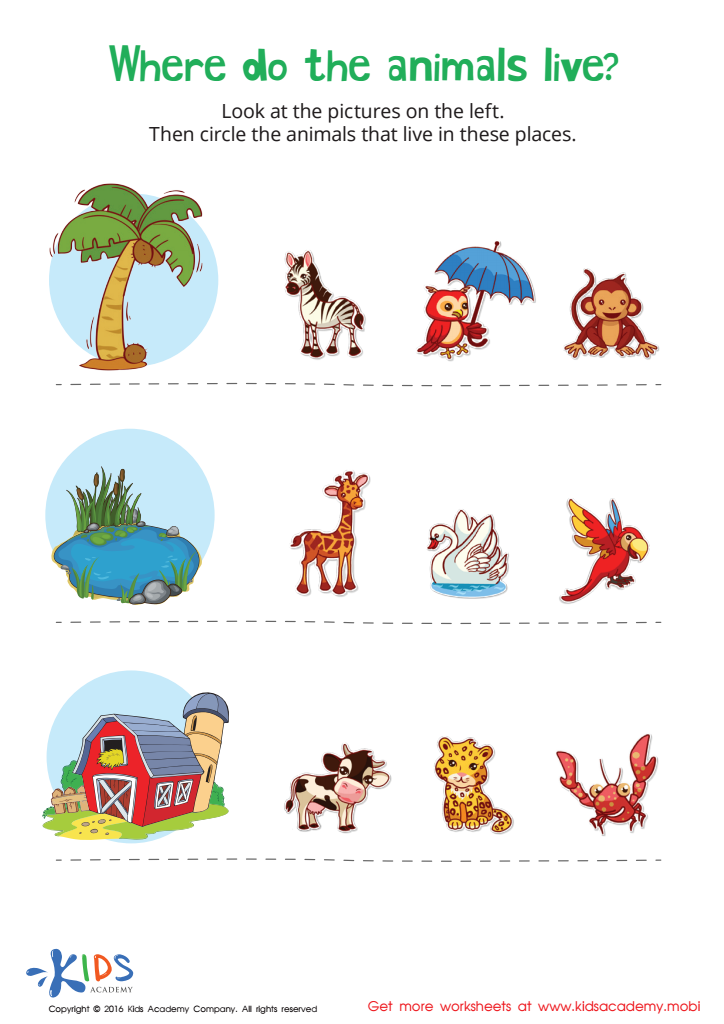
Where Animals Live Worksheet
 Assign to My Students
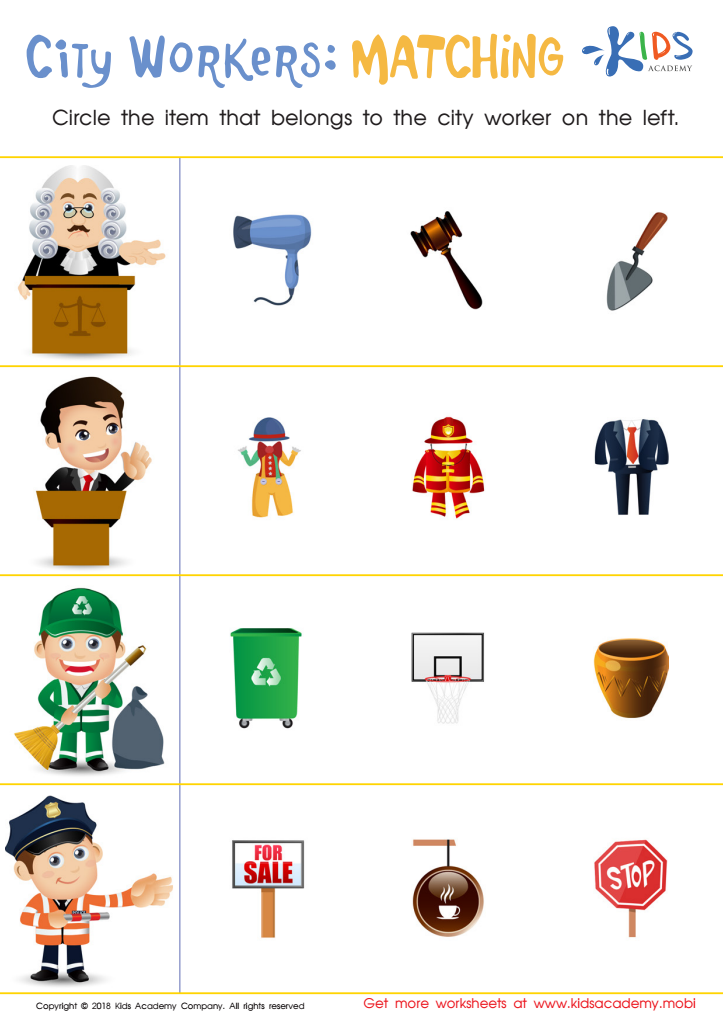
City Workers: Matching Worksheet
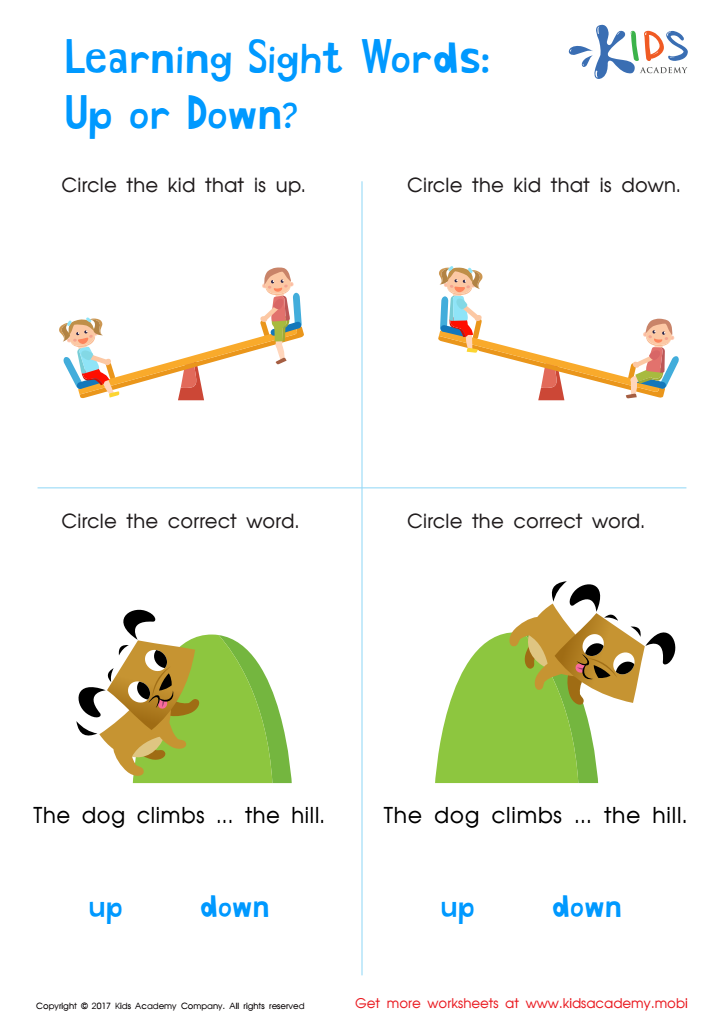
Up or Down Printable Sight Words Worksheet
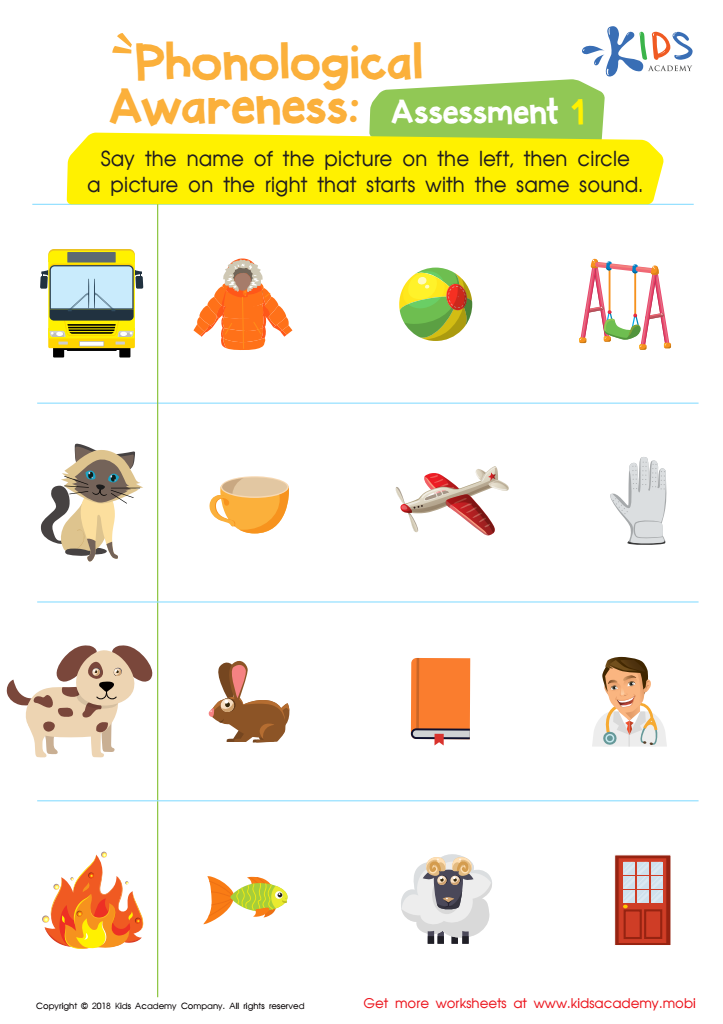
Phonological Awareness: Assessment 1 Worksheet
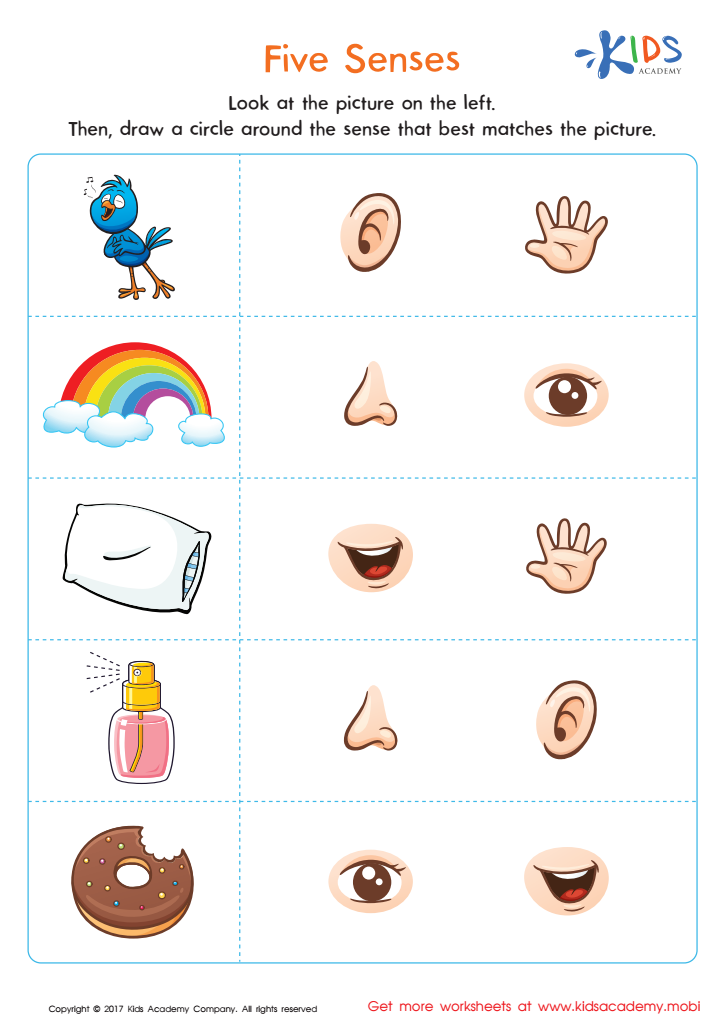
Five Senses Printable
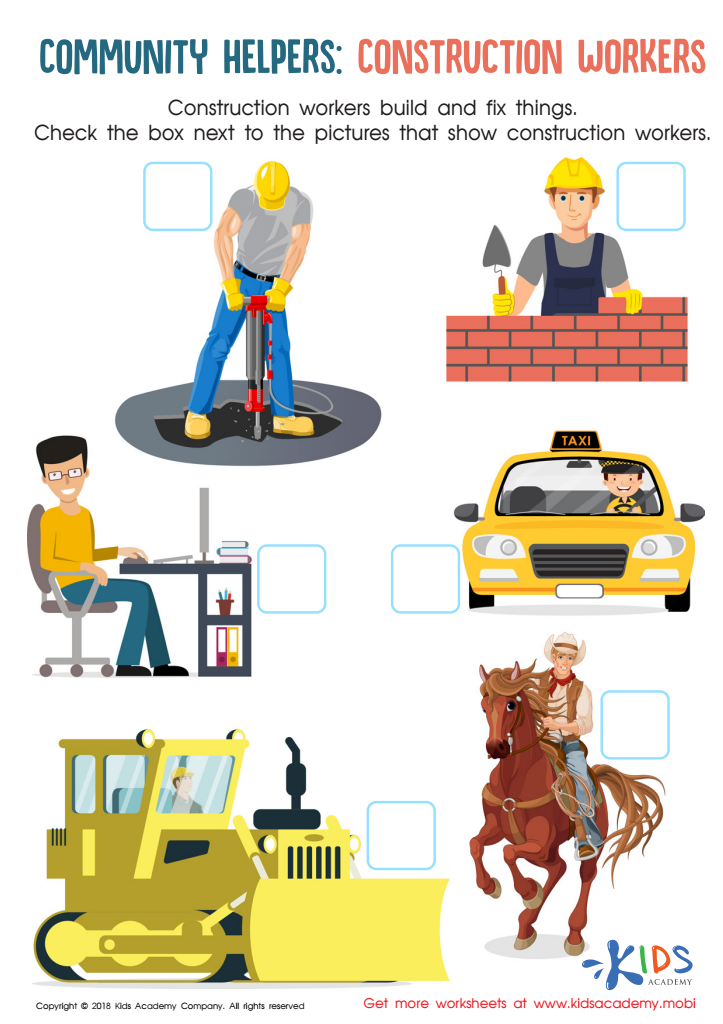
Construction Workers Community Helpers Worksheet
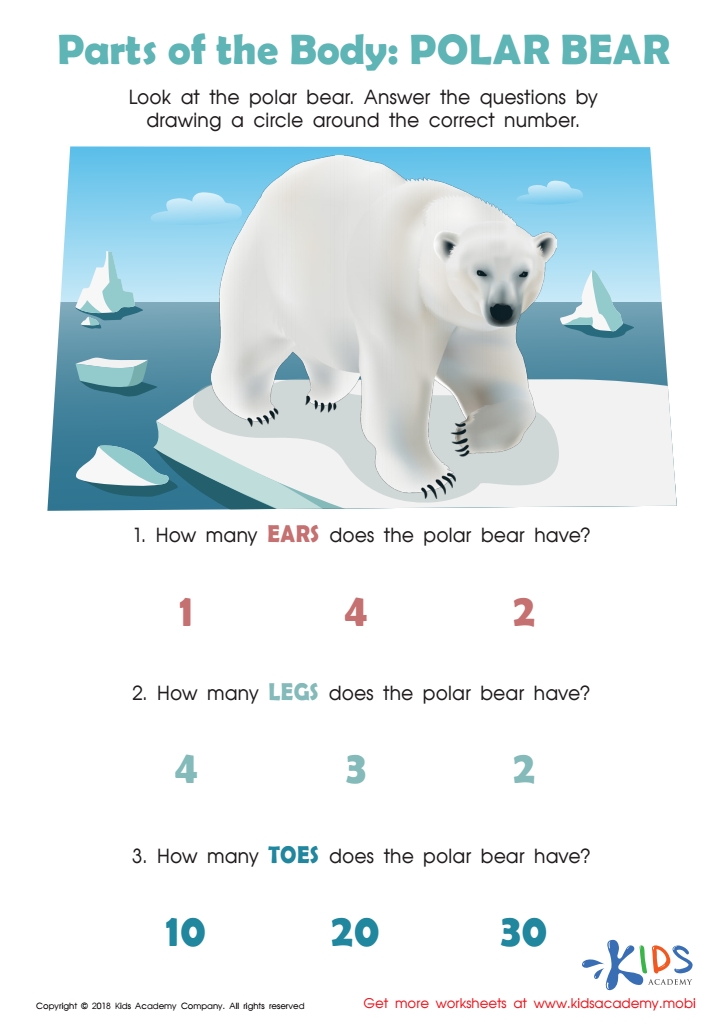
Parts of the Body: Polar Body Worksheet
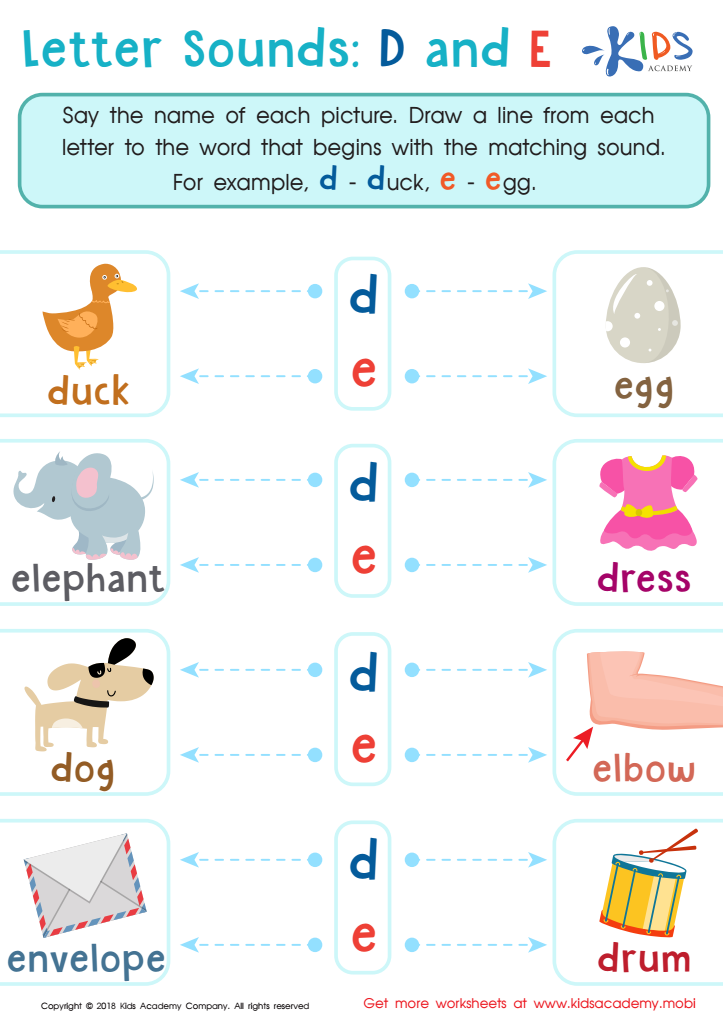
Letter D and E Sounds Worksheet








Vocabulary development is crucial for children aged 4-9 as it lays the foundation for their communication, reading comprehension, and overall academic success. During these formative years, children rapidly acquire language skills, making it essential for parents and teachers to encourage enriching verbal interactions. A robust vocabulary equips children to express their thoughts and feelings, fostering emotional intelligence and social skills. Furthermore, a strong vocabulary is strongly linked to better reading abilities; a child with a rich vocabulary can grasp new concepts more easily while engaging with texts.
Additionally, vocabulary plays a pivotal role in critical thinking and problem-solving. Children who can articulate their ideas are more likely to engage in meaningful discussions, ask thoughtful questions, and participate actively in classroom activities. Moreover, vocabulary knowledge contributes to their self-esteem and confidence as communicators.
Engaging in activities such as reading together, storytelling, and playing word games helps expand a child's lexicon. Regular exposure to new words in varied contexts facilitates understanding and retention. Therefore, it is vital for both parents and teachers to prioritize vocabulary development, ensuring that children become articulate, confident learners equipped for future academic challenges and social interactions.








