Subtraction practice Normal Addition and Subtraction Word Problems Worksheets for Ages 4-9
3 filtered results
-
From - To
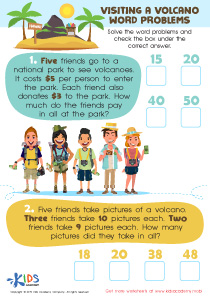
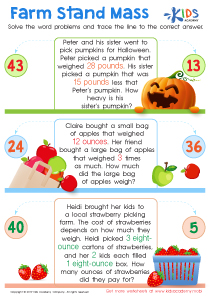
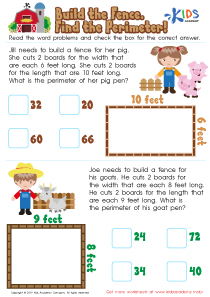
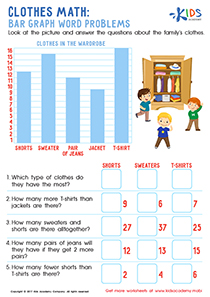
Welcome to our Subtraction Practice worksheets, specially designed for children ages 4-9! These engaging resources support young learners in mastering subtraction through fun, normal addition and subtraction word problems. Our worksheets challenge kids with real-world scenarios that encourage critical thinking and problem-solving skills. Each activity aims to reinforce fundamental math concepts, boost confidence, and develop a solid foundation for future learning. Whether at home or in the classroom, these worksheets are perfect for enhancing your child's math skills in an enjoyable and interactive way. Dive in to explore the exciting world of subtraction with our comprehensive collection!
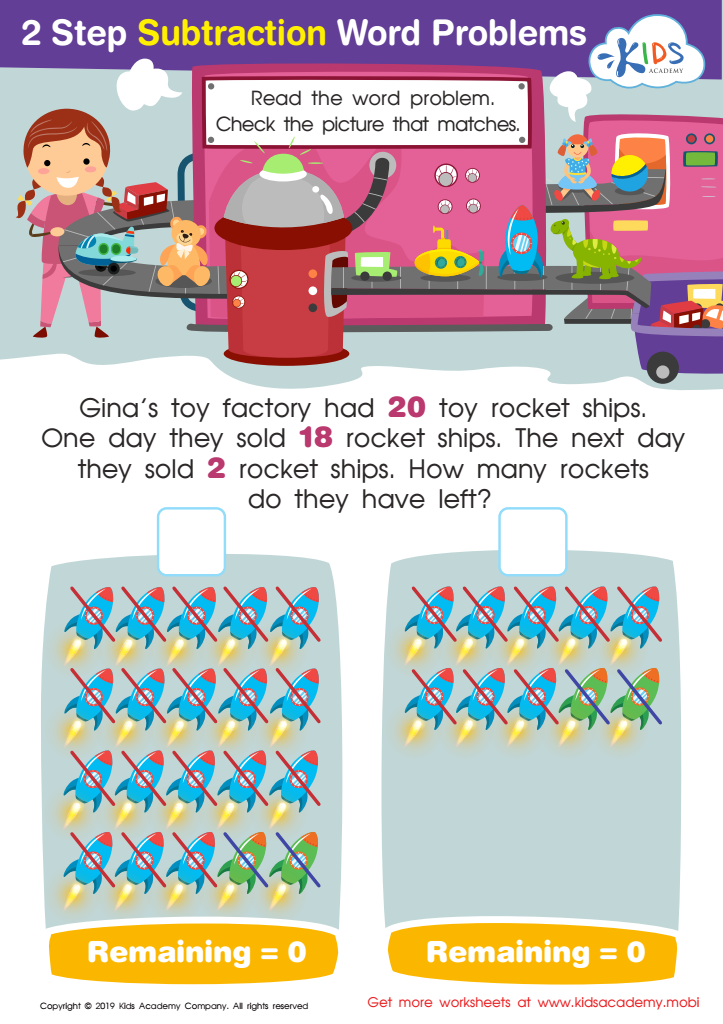
Step Subtraction Word Problems Worksheet
 Assign to My Students
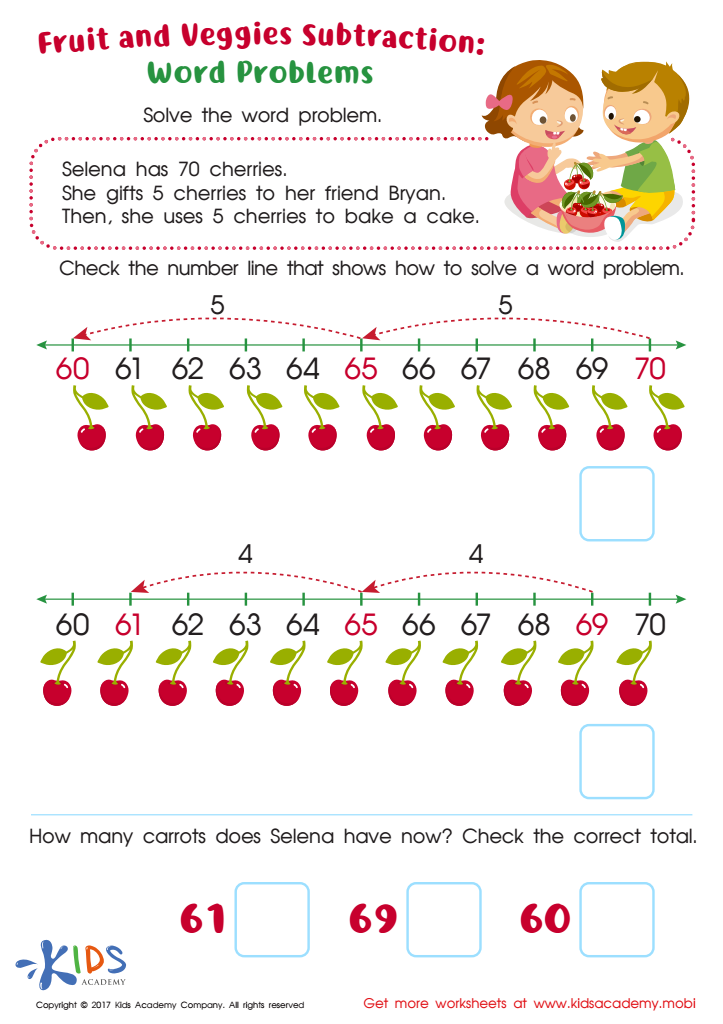
Subtraction Word Problems Free Printable
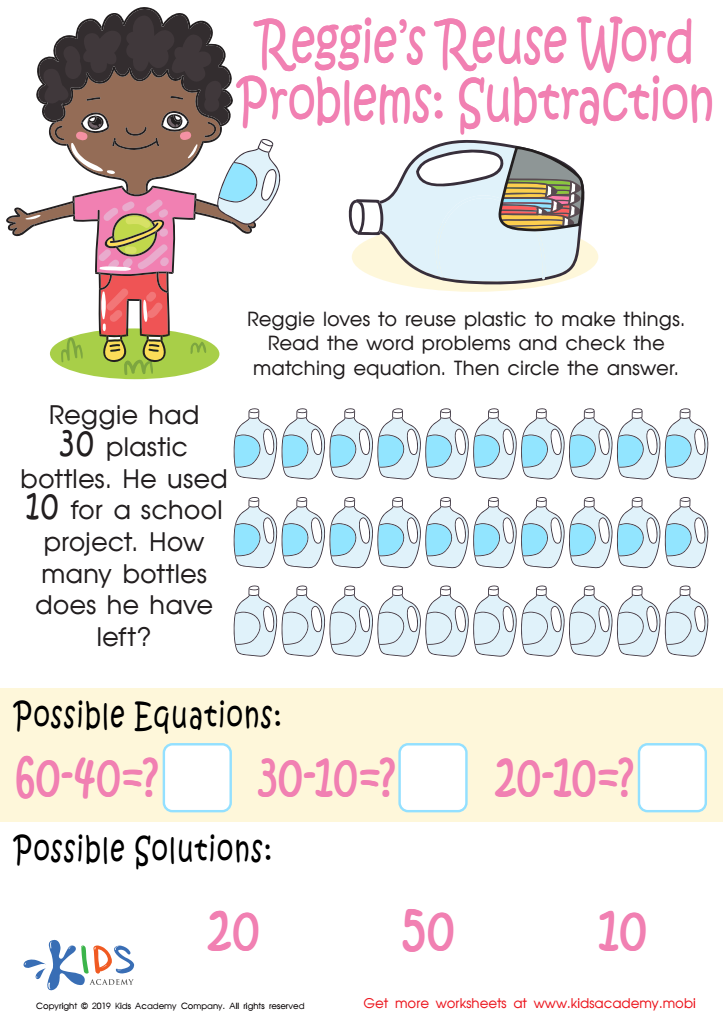
Reggie's Reuse Word Problems: Subtraction Worksheet








Subtraction practice, along with normal addition and subtraction word problems, is essential for children aged 4-9 as it lays a crucial foundation for their mathematical abilities and overall cognitive development. Early mastery of these concepts enhances a child’s problem-solving skills, critical thinking, and instills confidence in their mathematical reasoning.
Understanding subtraction within word problems encourages children to relate math to real-life situations, fostering both comprehension and retention of the material. When children can visualize the problem contextually, they develop stronger analytical skills and the ability to approach mathematics holistically. Additionally, regular practice helps to solidify number concepts and improve fluency, making higher-level math easier in the future.
Parents and teachers should care about this aspect of learning because it directly impacts a child’s academic performance and self-esteem. A strong grounding in subtraction not only enhances a child's ability to tackle more complex math topics later but also cultivates a positive attitude towards learning. Engagement in these practices at home or school can also strengthen the parent-child or teacher-student bond, making math enjoyable and relevant. Ultimately, fostering early mathematical skills is an investment in a child's lifelong learning journey.