Understanding fractions Normal Fractions Worksheets for Ages 4-9
8 filtered results
-
From - To
Discover the "Understanding Fractions Normal Fractions Worksheets" designed for children ages 4-9. These engaging worksheets provide a fun and interactive way for young learners to grasp the concept of fractions through various activities. With a focus on age-appropriate challenges, children will explore and recognize different fractions, strengthen their mathematical skills, and develop a solid foundation for future learning. These resources include visual aids and practical examples, making it easy for teachers and parents to facilitate understanding in young minds. Bring excitement to learning fractions with our thoughtfully crafted worksheets that ignite curiosity and enhance comprehension in math!
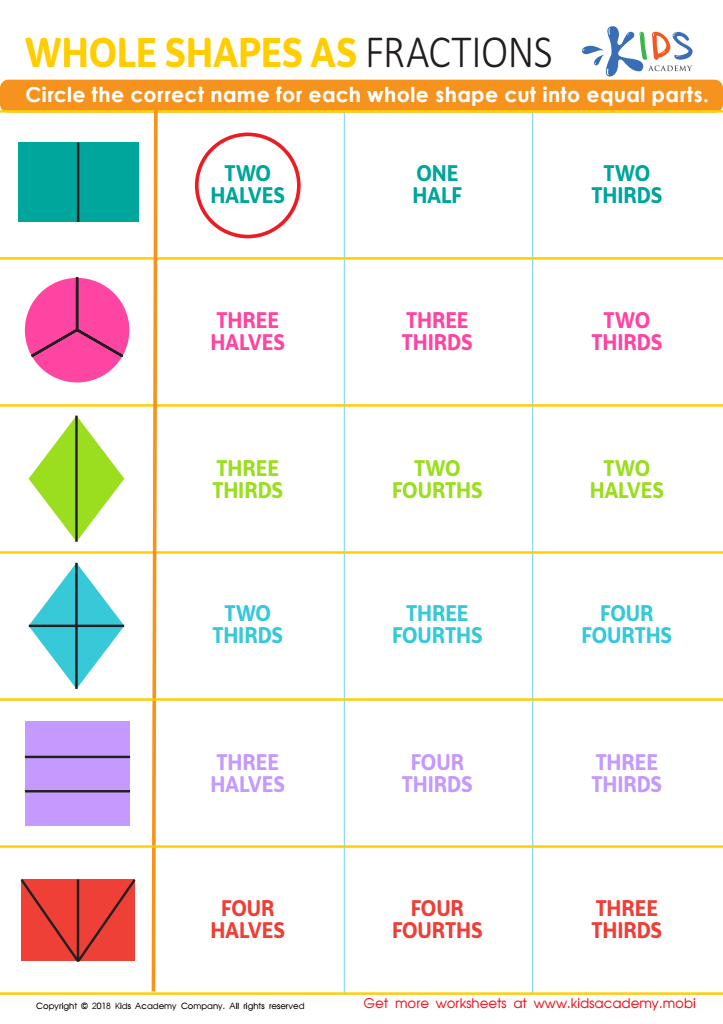
Whole Shapes as Fractions Worksheet
 Assign to My Students
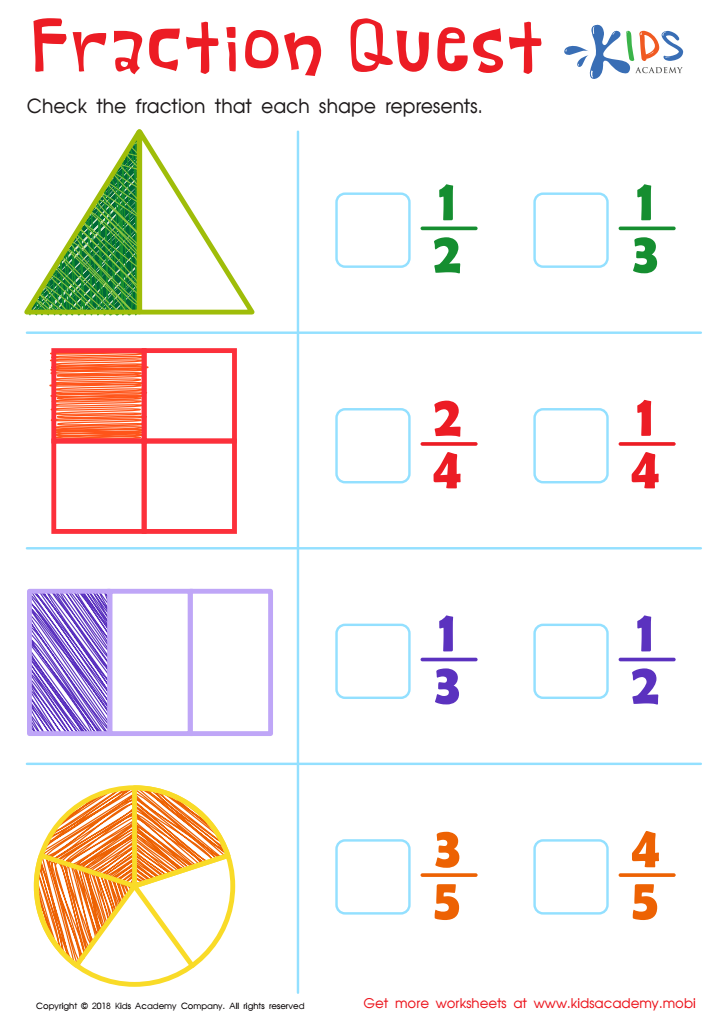
Fraction Quest Worksheet
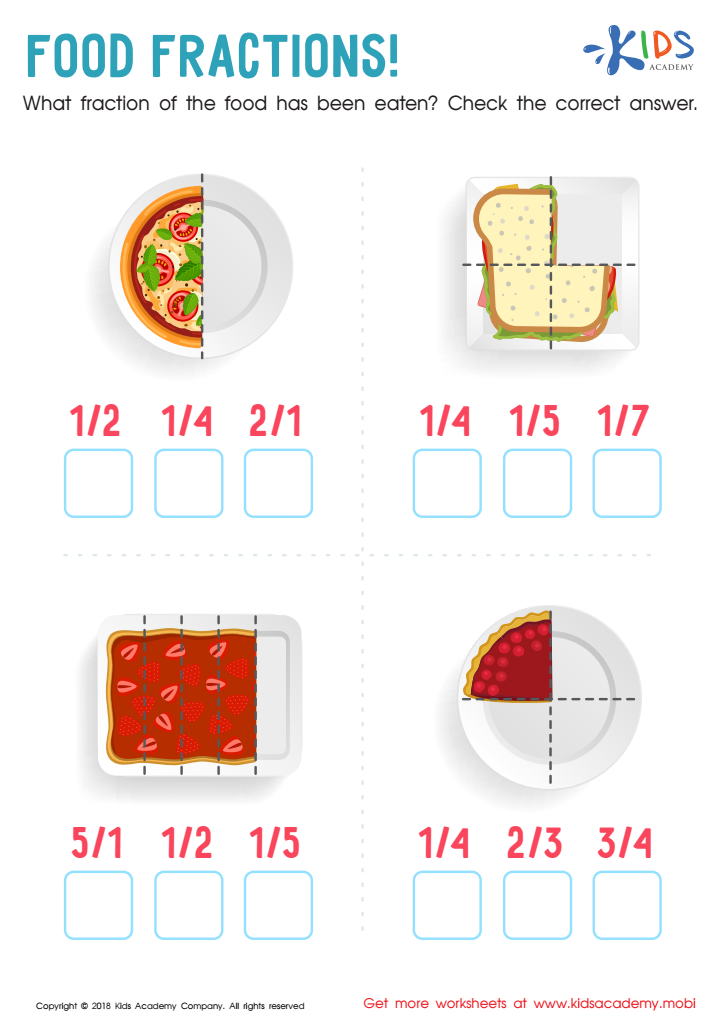
Food Fractions Worksheet
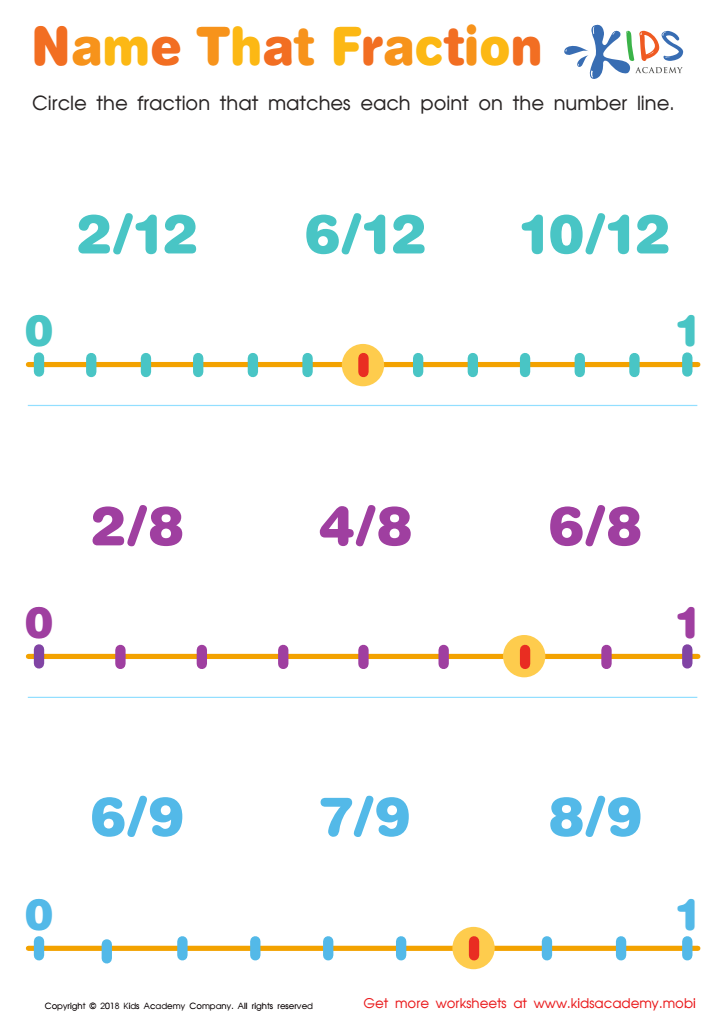
Name That Fraction Worksheet
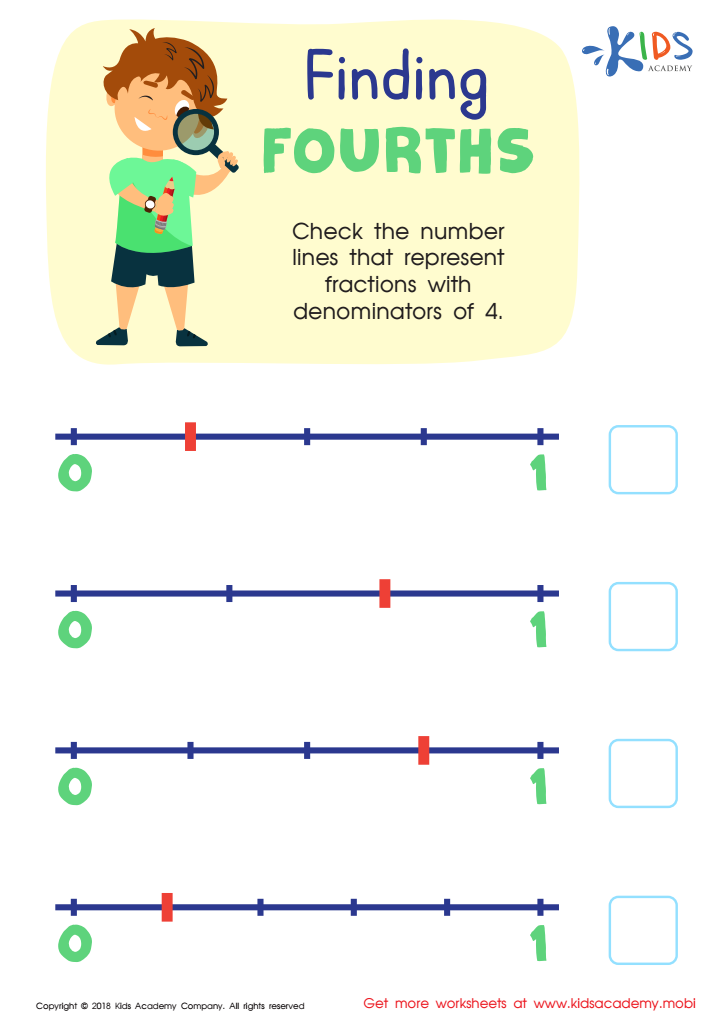
Finding Fourths Worksheet
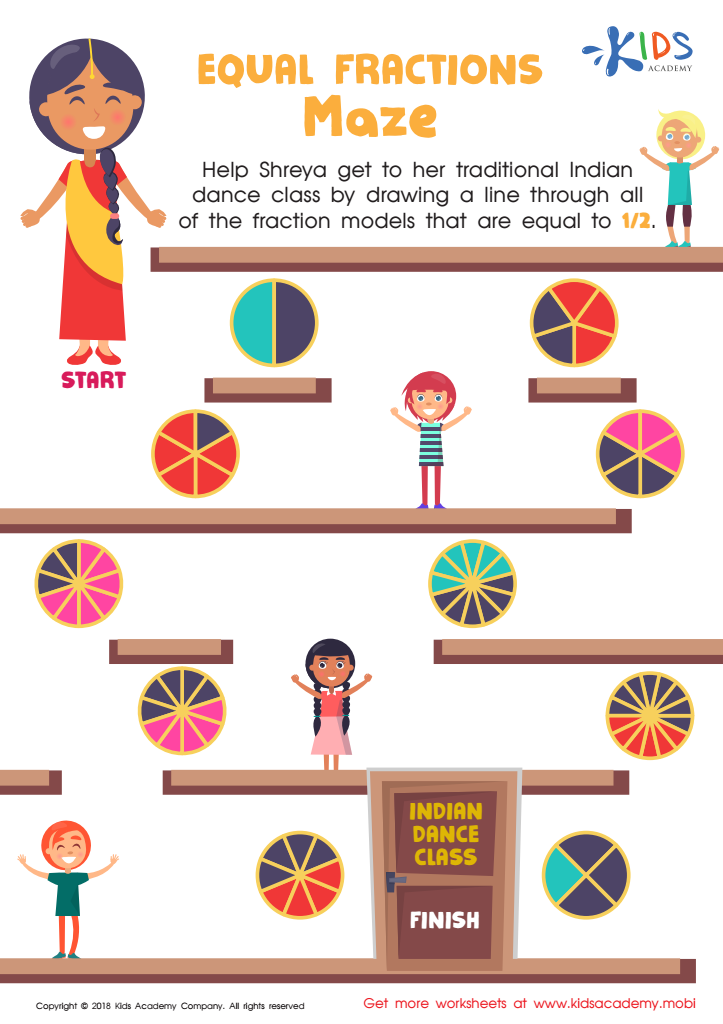
Equal Fractions Maze Worksheet
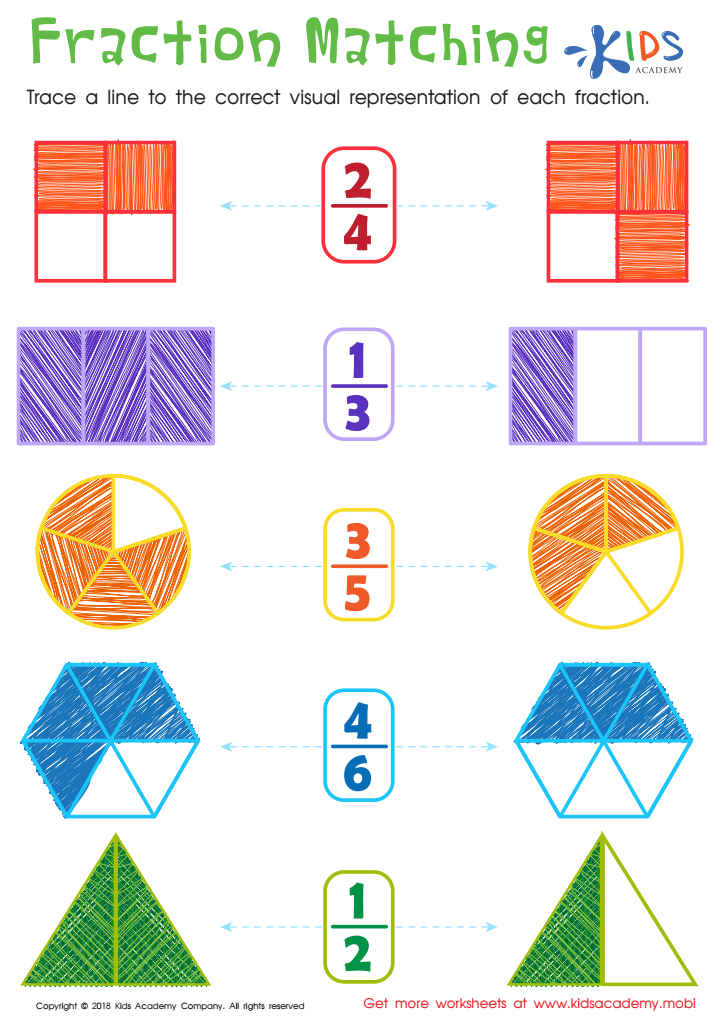
Fraction Matching Worksheet
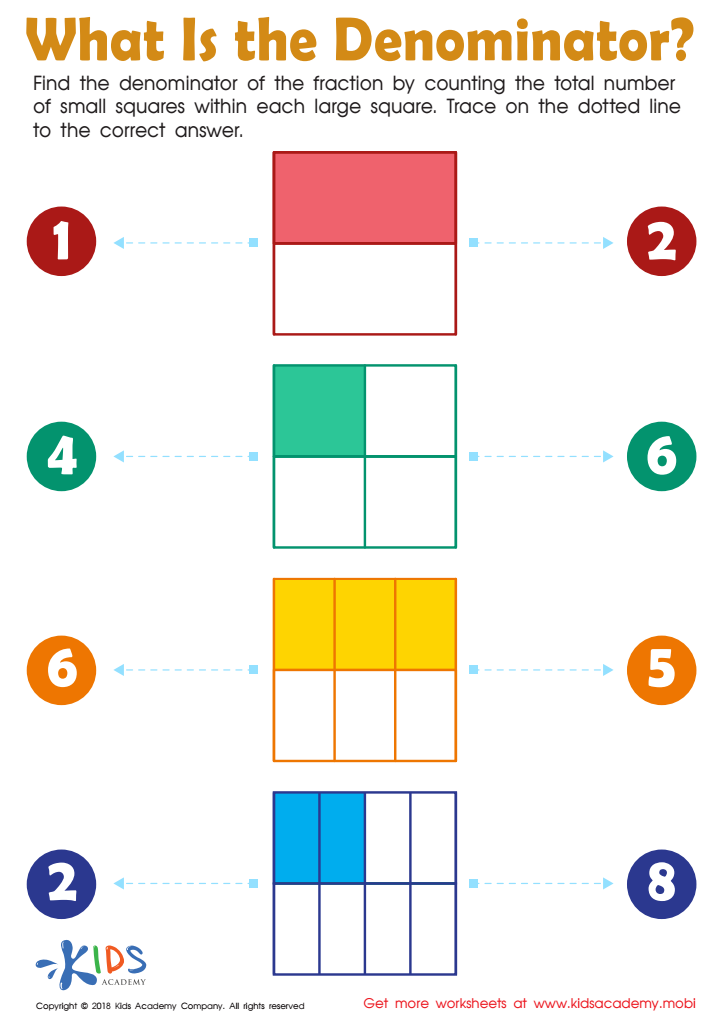
What Is the Denominator? Worksheet








Understanding fractions is crucial for children aged 4-9, as it lays the foundation for their mathematical skills and reasoning. At this developmental stage, kids begin to grasp concepts of part-whole relationships, which are fundamental in mastering not only fractions but also more complex mathematical ideas later on.
Engaging with normal fractions helps young learners appreciate the concept of division and sharing effectively, promoting critical thinking and problem-solving abilities. It allows them to make sense of everyday situations, like dividing a pizza or sharing candy, which reinforces learning through practical applications.
For parents and teachers, fostering this understanding can significantly enhance children’s confidence and competence in math. As they begin to understand fractions, kids develop better numerical literacy, which is essential for their academic success.
Additionally, a strong grasp of fractions also aids in subjects like science and cooking, where measuring and dividing ingredients is necessary. When children perceive fractions not just as abstract ideas but as tangible elements in their lives, their educational journey becomes much more relatable and enjoyable. Ultimately, instilling this knowledge early on sets students up for future success in both math and real-life situations, making it a vital focus for parents and educators alike.








