Shape Recognition Normal Geometry Worksheets for Ages 4-9 - Page 2
30 filtered results
-
From - To
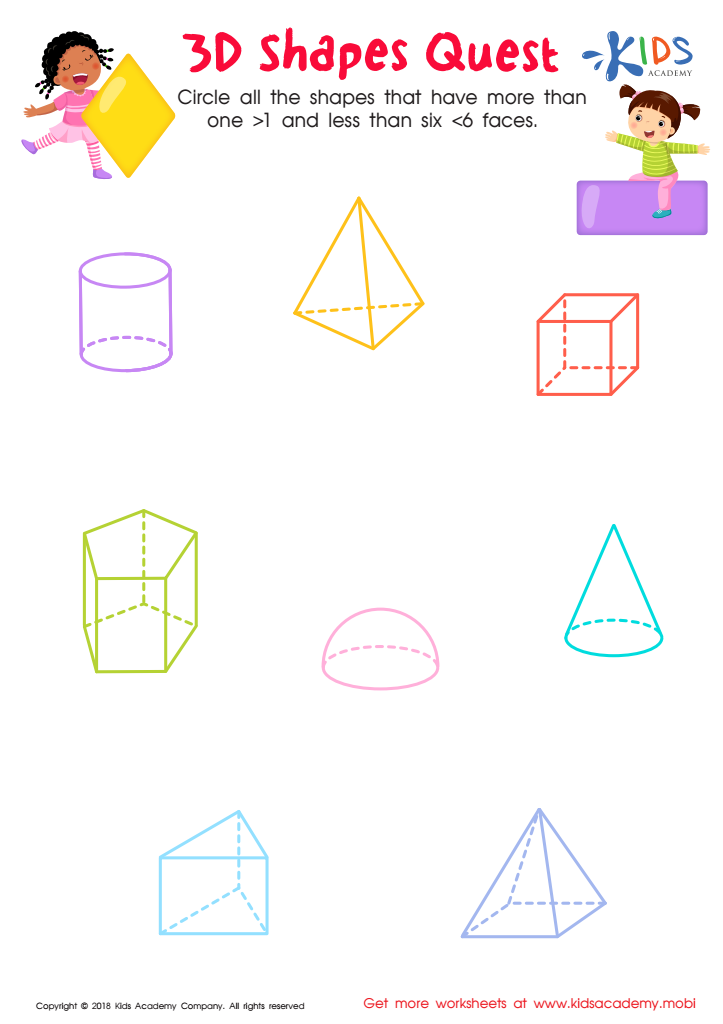
3D Shapes Quest Worksheet
 Assign to My Students











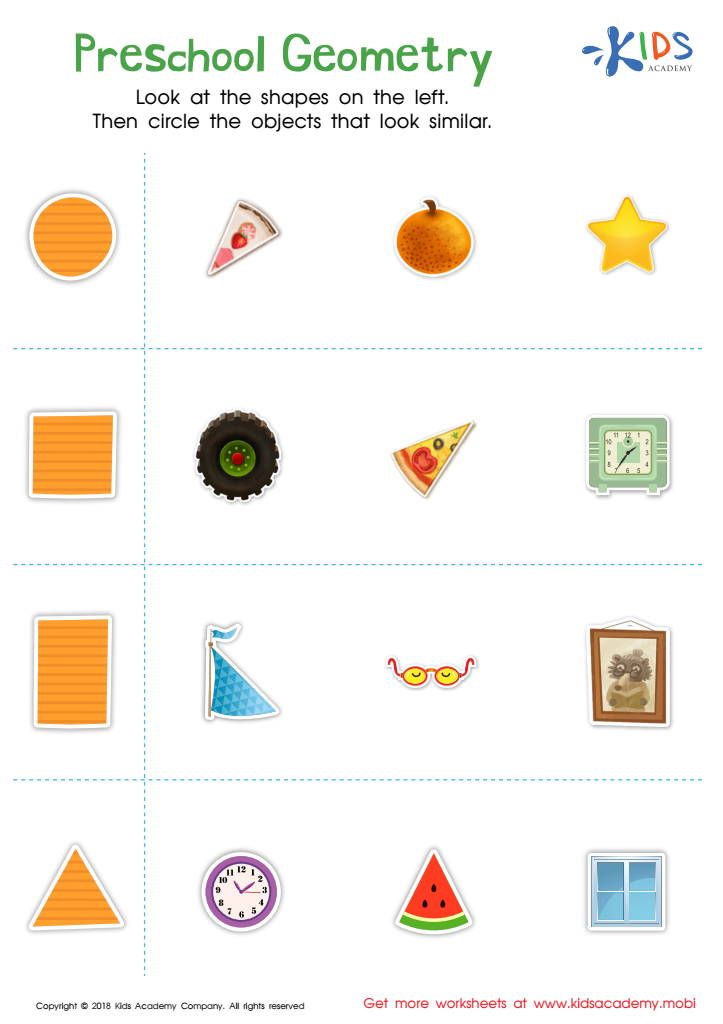
Preschool Geometry Worksheet
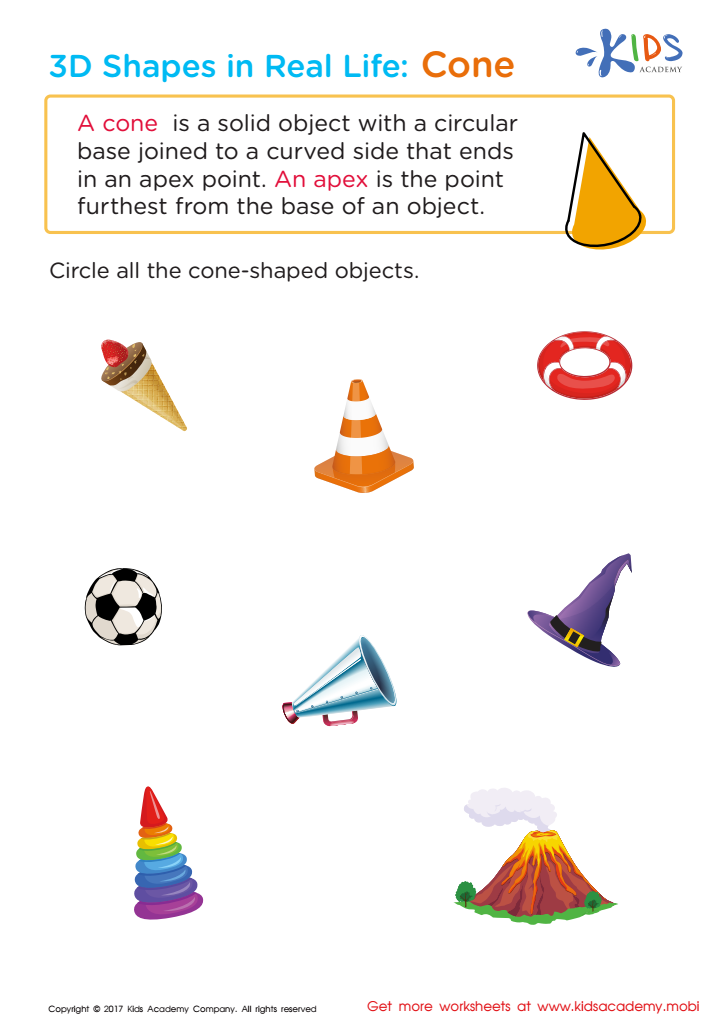
Shapes in Real Life: Cone Worksheet
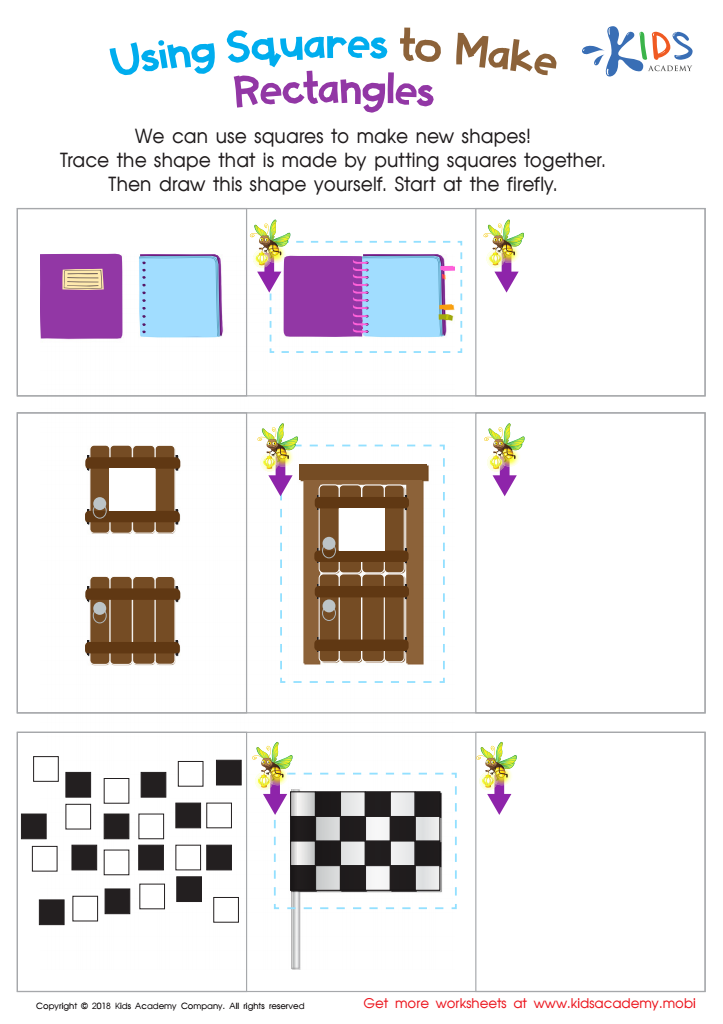
Using Squares to Make Rectangles Worksheet
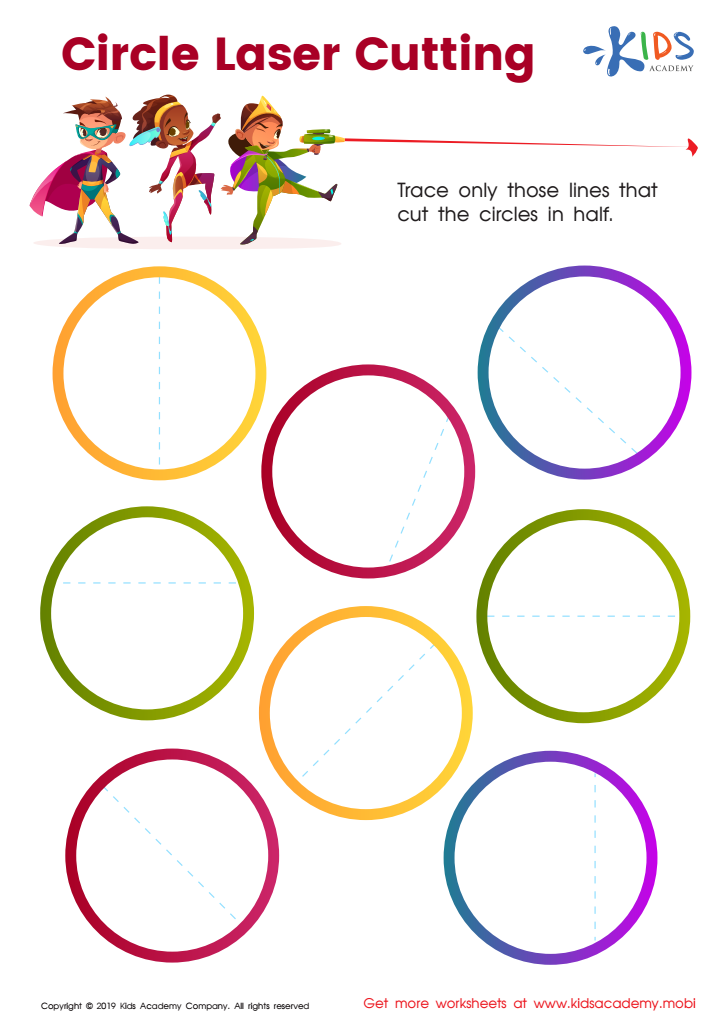
Circle Laser Cutting Worksheet
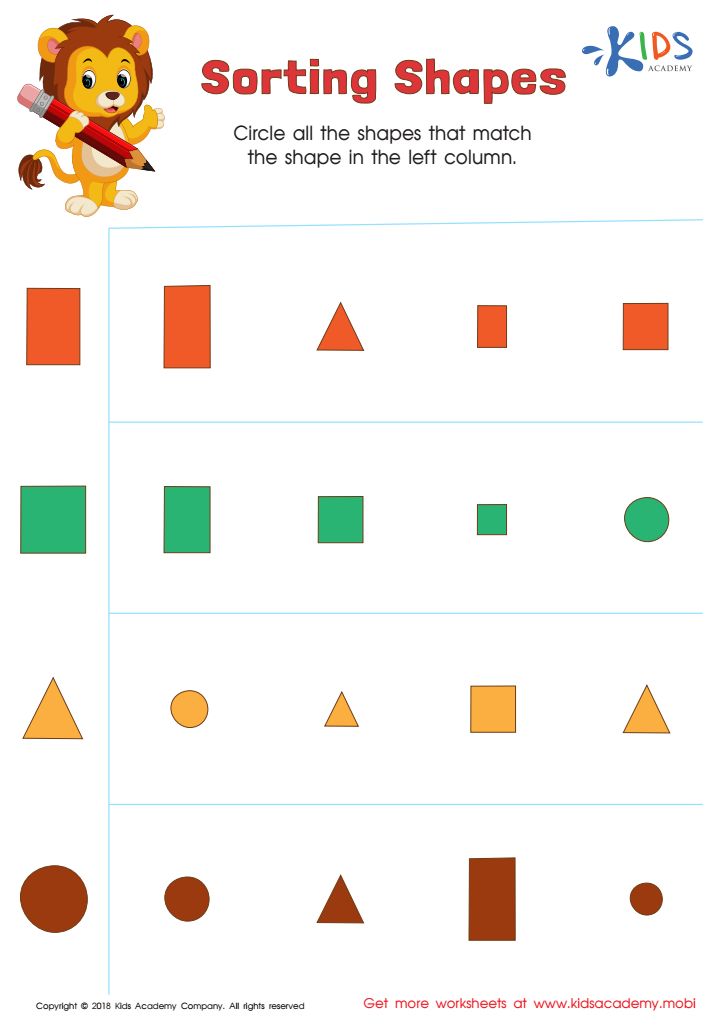
Sorting Shapes - Part 2 Worksheet








Parents and teachers should care about shape recognition and normal geometry for children ages 4-9 because these fundamental skills are critical to early cognitive development and future academic success. Learning to identify and categorize shapes helps young children enhance their logical reasoning and problem-solving abilities. It establishes a foundation for more complex mathematical concepts such as fractions, symmetry, and spatial reasoning.
Shape recognition exercises also help develop fine motor skills as children learn to trace, draw, and manipulate shapes, which is essential for writing. Additionally, this knowledge fosters visual-spatial intelligence, enabling children to better comprehend and interpret the world around them. Engaging in shape-related activities encourages creativity and artistic expression as kids experiment with different forms and compositions.
Moreover, understanding basic geometrical concepts positively impacts children's daily lives by improving their ability to follow directions, recognize patterns, and organize information effectively. These skills are not isolated to math but are integral to science, technology, and engineering education (STEM). By nurturing a child’s ability to recognize shapes and understand geometry, parents and teachers are laying the groundwork for a well-rounded, mathematically inclined, and creatively thinking individual. Investing time and attention into these early learning activities greatly contributes to holistic development and long-term educational achievement.








