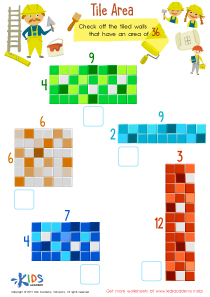
Associative learning Normal Numbers Worksheets for Ages 4-9
3 filtered results
-
From - To
Discover our "Associative Learning Normal Numbers Worksheets for Ages 4-9," designed to make learning fun and interactive! These engaging worksheets help young learners develop critical mathematical skills by associating numbers with real-world concepts. Through colorful illustrations and imaginative activities, children will enhance their understanding of number relationships while boosting their confidence. Ideal for parents and educators, these worksheets support early childhood education by catering to different learning styles. Foster a love for numbers and develop essential math skills in a playful and enjoyable way! Explore our collection today to enrich your child's learning journey.
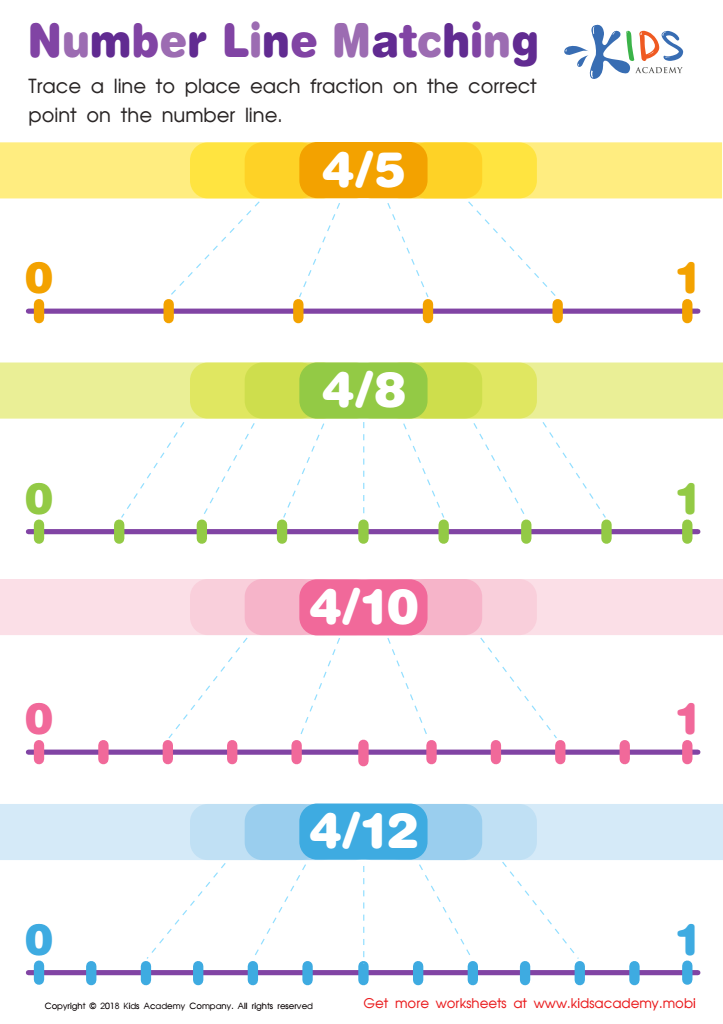
Number Line Matching Worksheet
 Assign to My Students
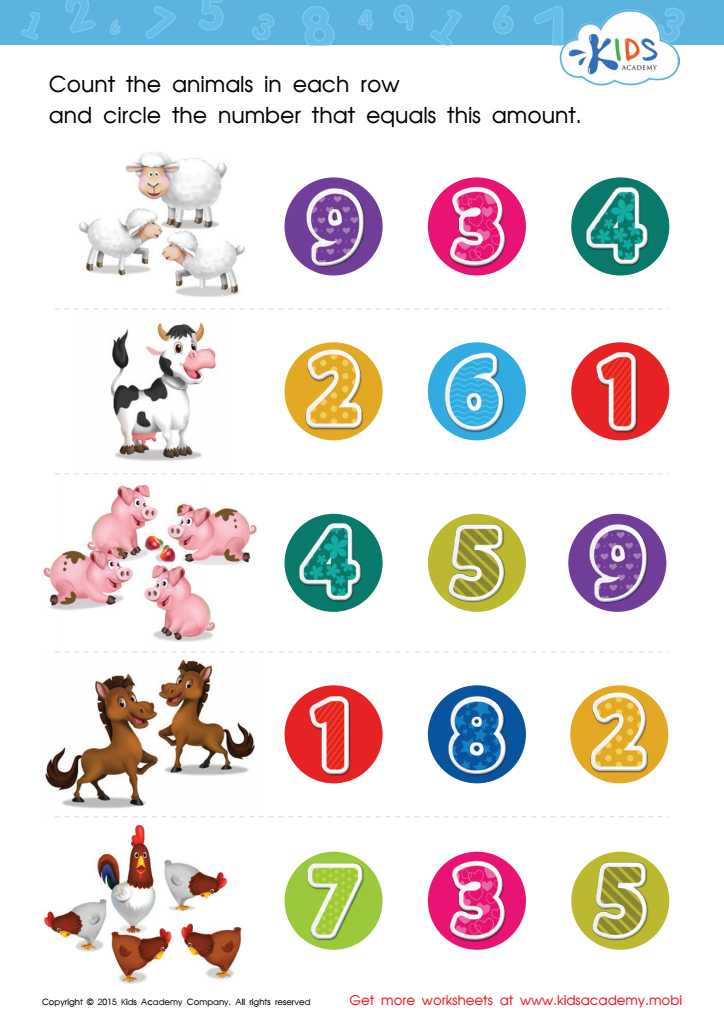
Count and Match 1 – 5 Math Worksheet
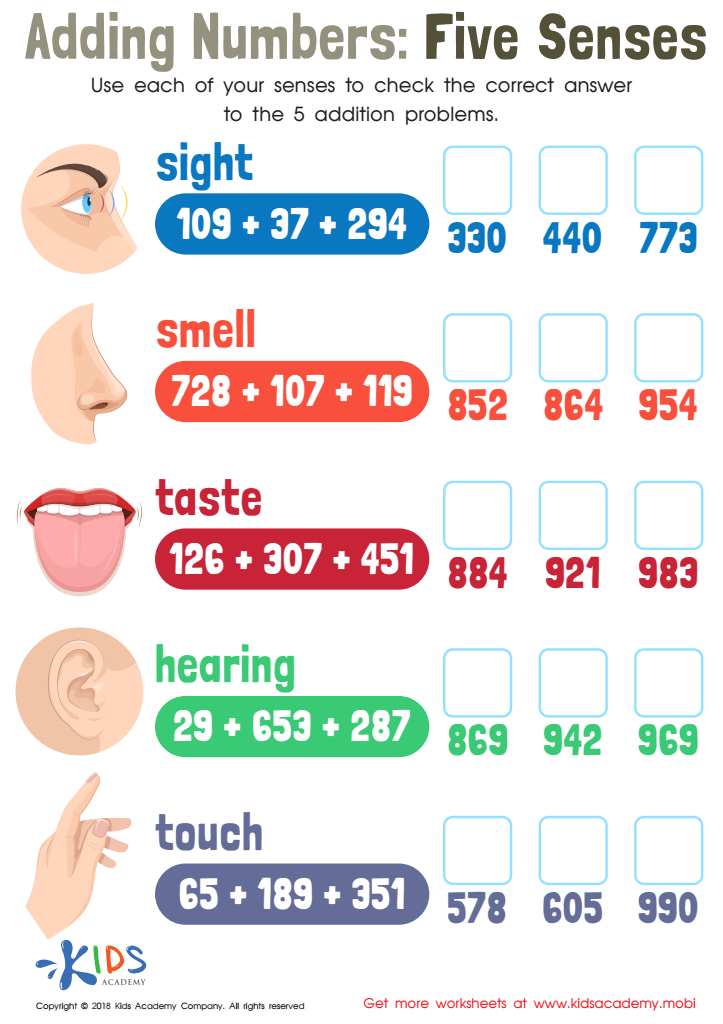
Adding Numbers: Five Senses Worksheet







%20(1).jpg)
Associative learning is a crucial cognitive process for children aged 4-9, especially when it comes to understanding numbers and mathematical concepts. At this developmental stage, children begin to make connections between numbers, quantities, and their meanings, which lays the foundation for more complex math skills. Associative learning involves linking new information with existing knowledge and experiences, enhancing retention and comprehension.
When parents and teachers integrate associative learning into numbers education, they facilitate a more engaging and effective learning environment. For example, using everyday objects to create associations with numbers helps children visualize and better understand concepts such as addition and subtraction. Activities like counting toys, grouping snacks, or playing number games foster these connections and encourage critical thinking.
Moreover, children develop a positive attitude toward math when they see it as relatable and applicable in real-life scenarios. This connection not only supports numerical skills but also boosts confidence and motivation to learn. Ultimately, understanding and supporting associative learning in early childhood empowers parents and teachers to nurture a solid arithmetic foundation that will benefit children throughout their academic journey and beyond. Prioritizing this approach leads to more capable and confident learners in the field of mathematics.