Cognitive Development Normal Math Worksheets for Ages 4-9 - Page 2
27 filtered results
-
From - To
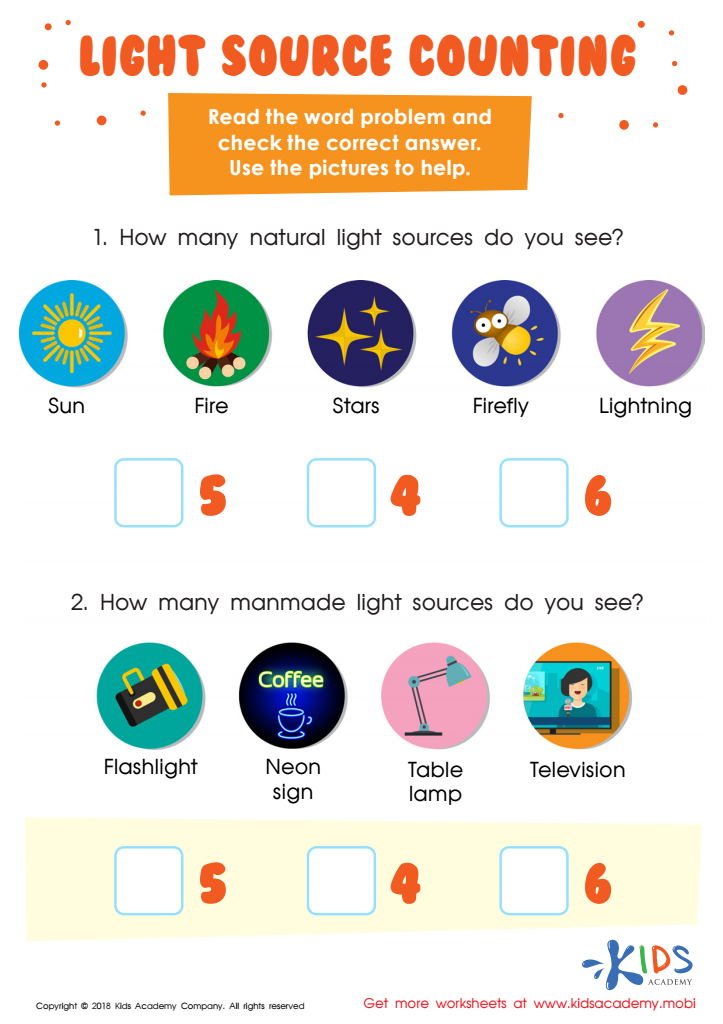
Light Source Counting Worksheet
 Assign to My Students
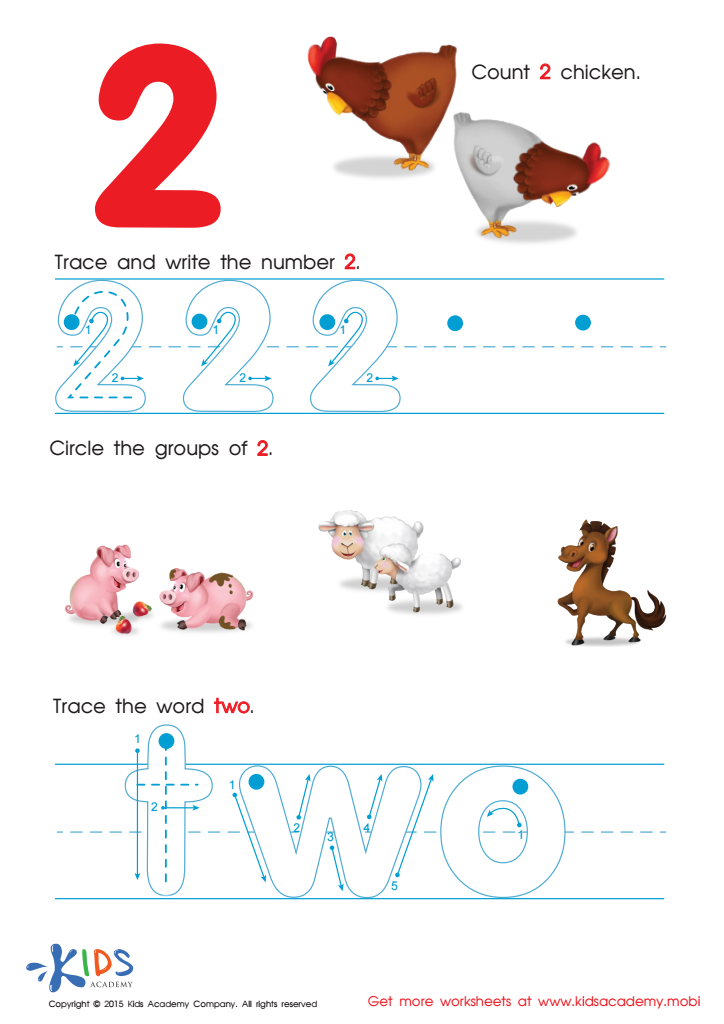
Learn to Write the Number 2 Worksheet
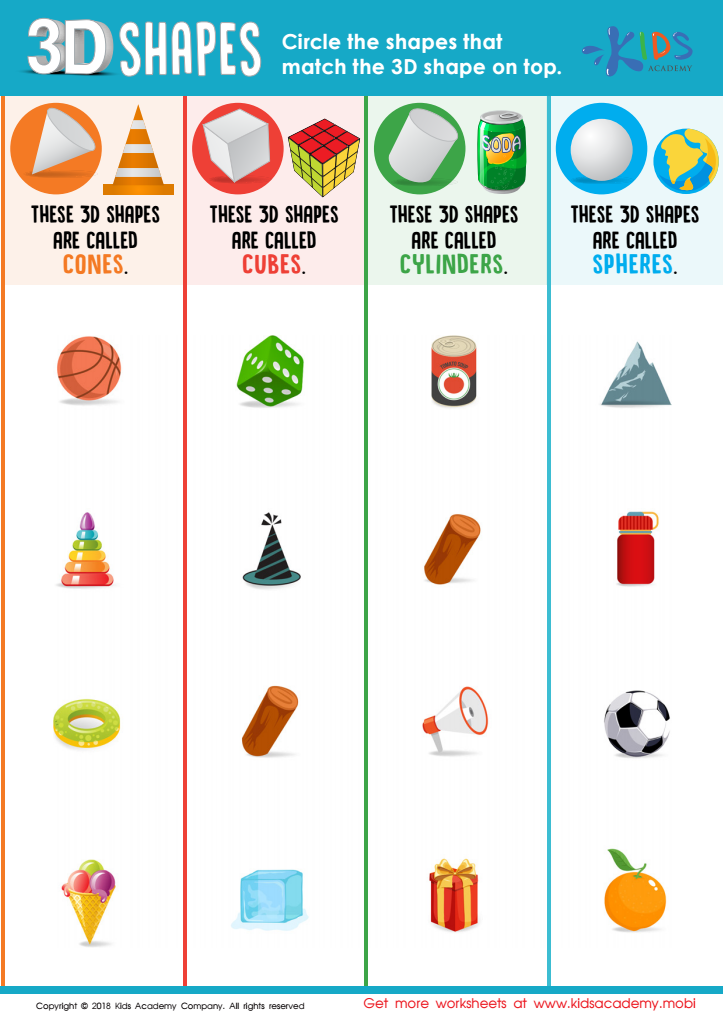
3D Shapes Worksheet







Cognitive development in early childhood is crucial for establishing a strong foundation for future learning, particularly in subjects like math. For children aged 4-9, normal math development includes learning basic concepts such as counting, recognizing numbers, understanding simple addition and subtraction, and grasping basic geometric shapes. During these formative years, children's brains are highly adaptable and receptive to new information. Effective cognitive development at this stage not only facilitates immediate academic success but also promotes problem-solving skills, logical reasoning, and critical thinking abilities that are essential for later life.
Parents and teachers play pivotal roles in nurturing this development. By providing stimulating and supportive environments, they can ensure that children reach their cognitive milestones at appropriate times. Engaging activities, such as puzzles, games, and practical everyday math problems, can make learning enjoyable and relevant. Additionally, early identification of any learning difficulties allows for timely intervention, preventing future academic struggles.
Moreover, fostering a positive attitude towards math from an early age helps children develop confidence and reduces math anxiety, setting them up for continued success in their educational journeys. In essence, caring about cognitive development and normal math skills in young children leads to well-rounded, capable adults who are better prepared to navigate the complexities of our world.








