Comparative analysis Normal Math Worksheets for Ages 4-9
3 filtered results
-
From - To
Discover our resourceful "Comparative Analysis Normal Math Worksheets for Ages 4-9," designed to enhance young learners' mathematical problem-solving skills. Our engaging worksheets focus on comparisons, helping children grasp concepts of greater than, less than, and equal to. With vibrant visuals and age-appropriate challenges, these worksheets offer interactive learning experiences. Parents and educators can assess children’s progress through a detailed analysis of their performance, ensuring concepts are internalized effectively. Support your child's math journey with hands-on, printable activities, fostering confidence and a solid foundation in numeracy. Explore the full collection and enrich your educational toolkit today!
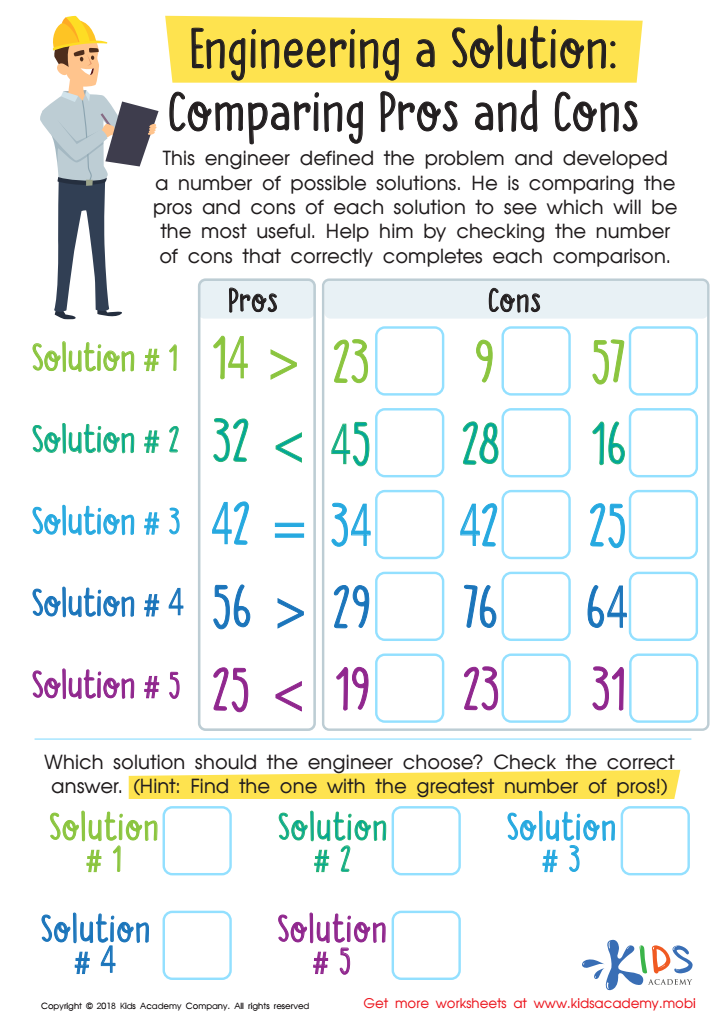
Engineering a Solution: Comparing Pros and Cons Worksheet
 Assign to My Students
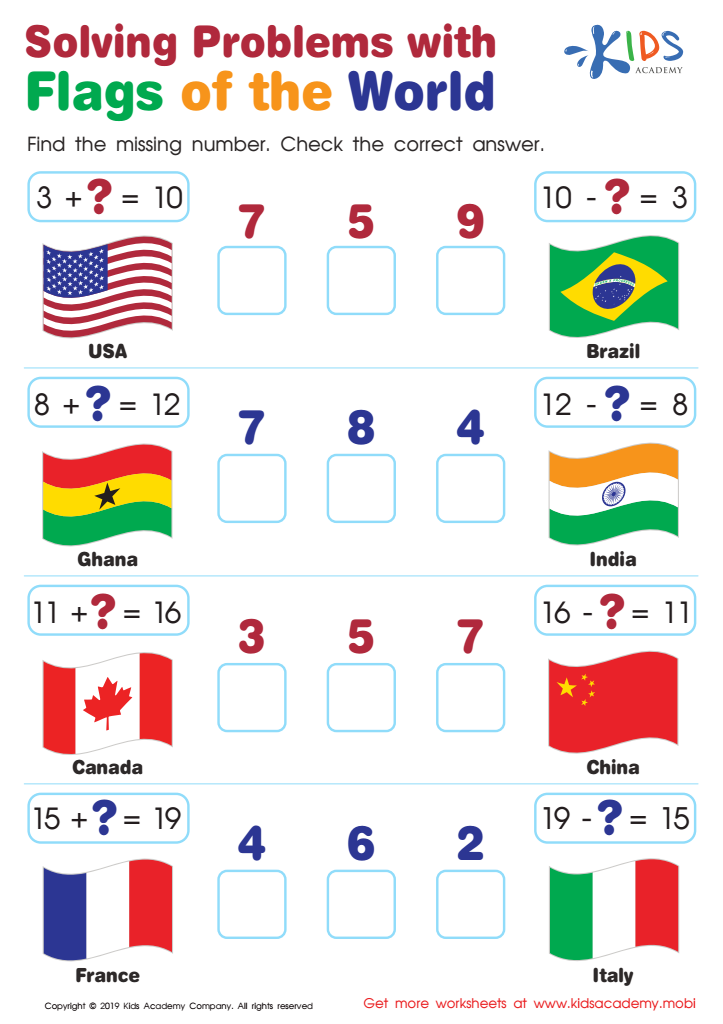
Solving Problems with Flags of the World Worksheet
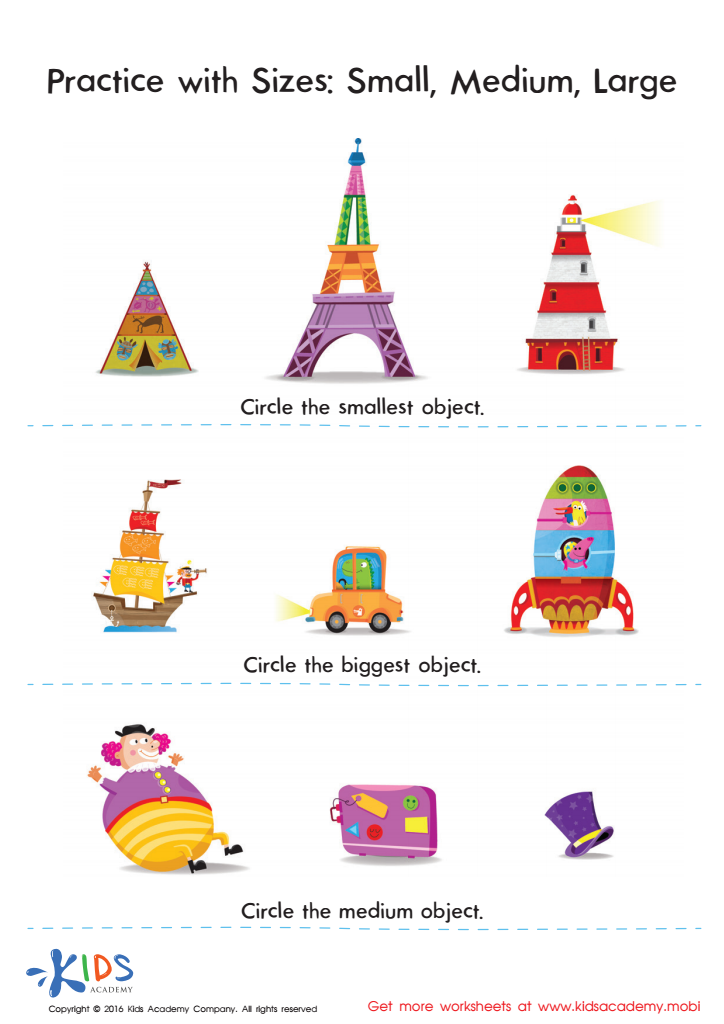


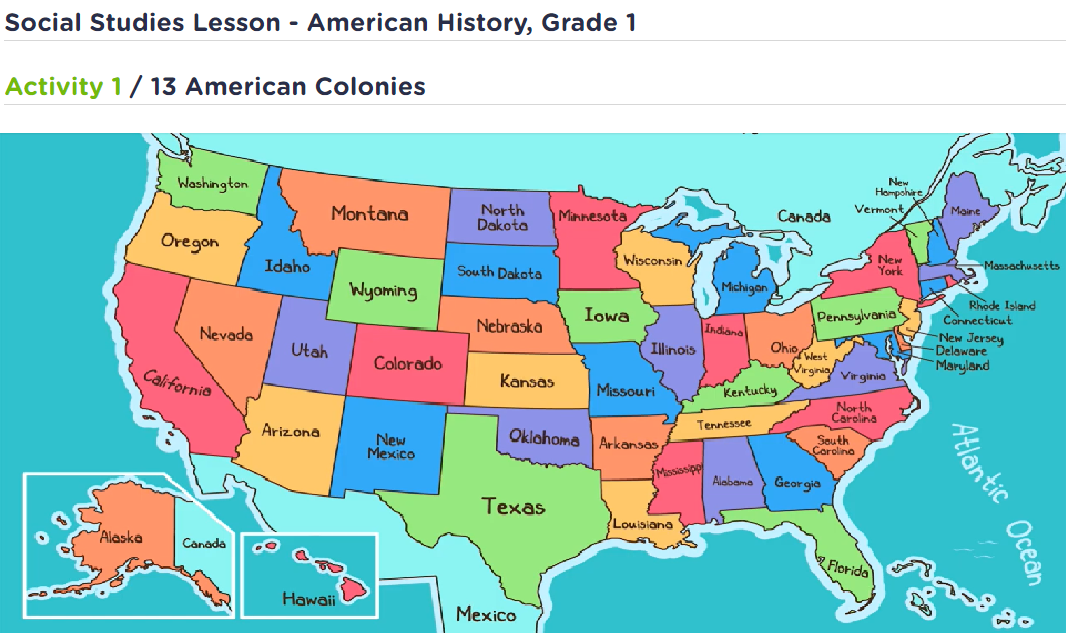





Comparative analysis in normal math for ages 4-9 is crucial for both parents and teachers due to its significant impact on a child's cognitive development and foundational math skills. At this stage, children are highly receptive to learning through comparisons, which enhances their understanding of mathematical concepts such as quantity, measurement, and spatial relationships. This method encourages critical thinking and problem-solving abilities as children learn to identify similarities and differences among numbers and shapes.
Furthermore, comparative analysis helps children grasp early math concepts more intuitively. For instance, by comparing groups of objects, children can begin to understand basic addition and subtraction. This foundational understanding sets the groundwork for more complex mathematical operations they will encounter later in their education.
For parents and teachers, fostering strong math skills early on helps instill a positive attitude toward mathematics, reducing math anxiety in the future. It also ensures that children can approach problem-solving with confidence and creativity. Ultimately, emphasizing comparative analysis in math education promotes a successful academic trajectory, enabling children to thrive not just in math, but in various subjects that require analytical thinking. Hence, engaging with these formative learning stages is fundamental for shaping a child's educational experience.








