Learning addition Normal Math Worksheets for Ages 4-9
4 filtered results
-
From - To
Discover our engaging collection of normal math worksheets designed to help children ages 4-9 master the fundamentals of addition. Our worksheets offer a variety of fun and interactive exercises that cater to different learning styles, making it easier for young learners to grasp addition concepts. From simple number lines to colorful visual aids, each worksheet reinforces essential skills through repetition and variety. Perfect for both classroom and home use, these resources aim to build confidence and enthusiasm for math in your child. Start your child’s math journey today with engaging activities that make learning addition enjoyable and effective!
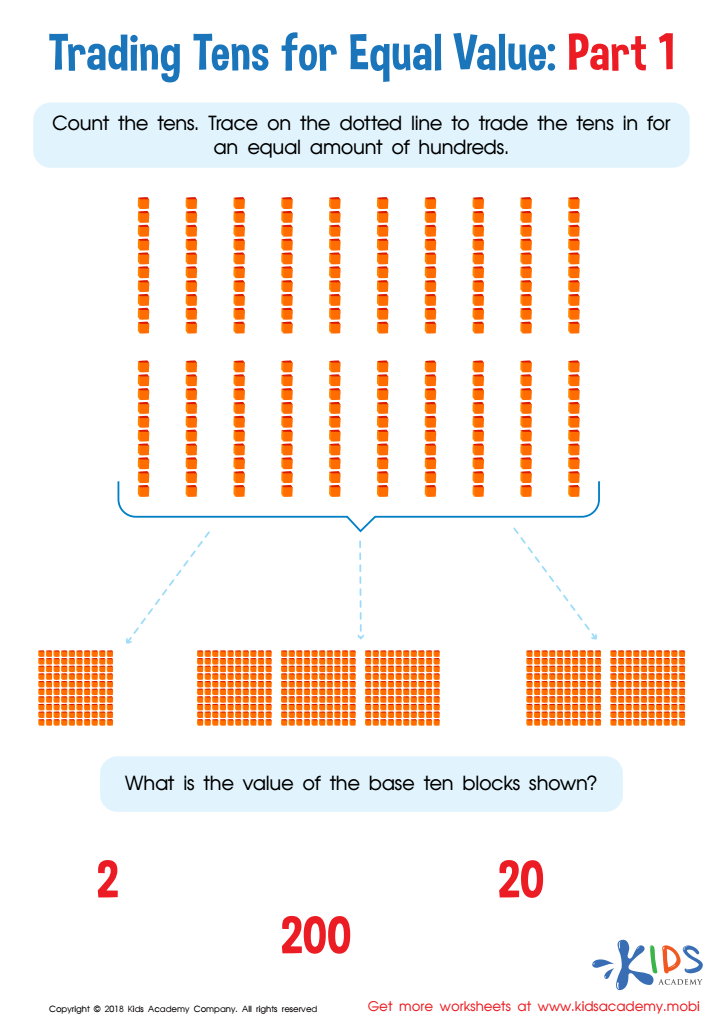
Trading Tens for Equal Value Worksheet: Part 1
 Assign to My Students
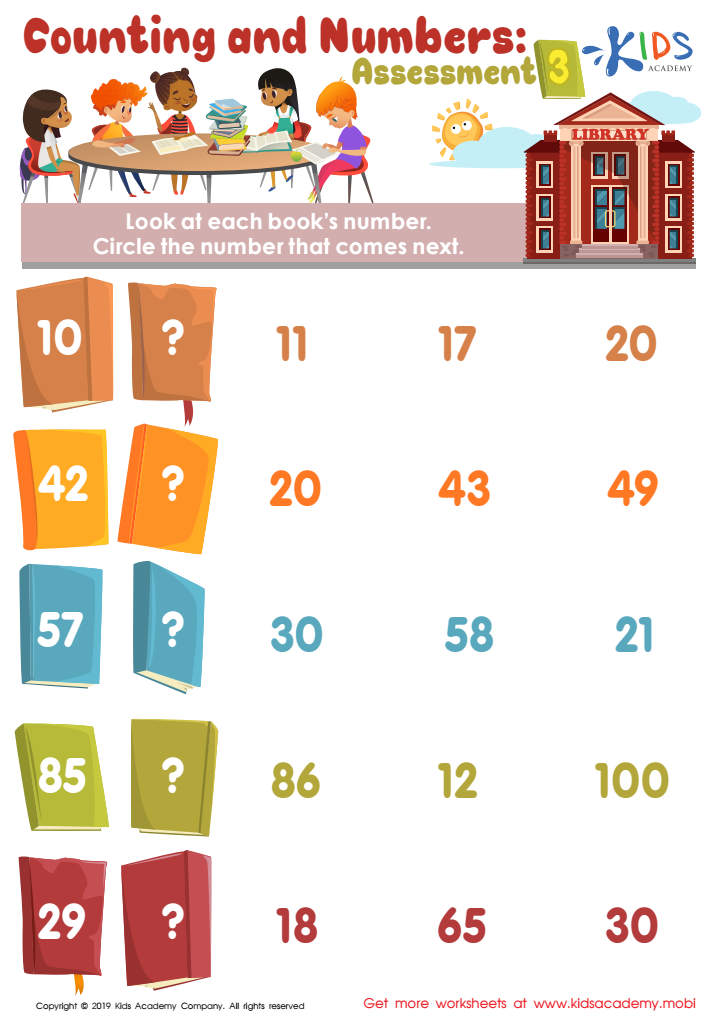
Counting and Numbers: Assessment Worksheet
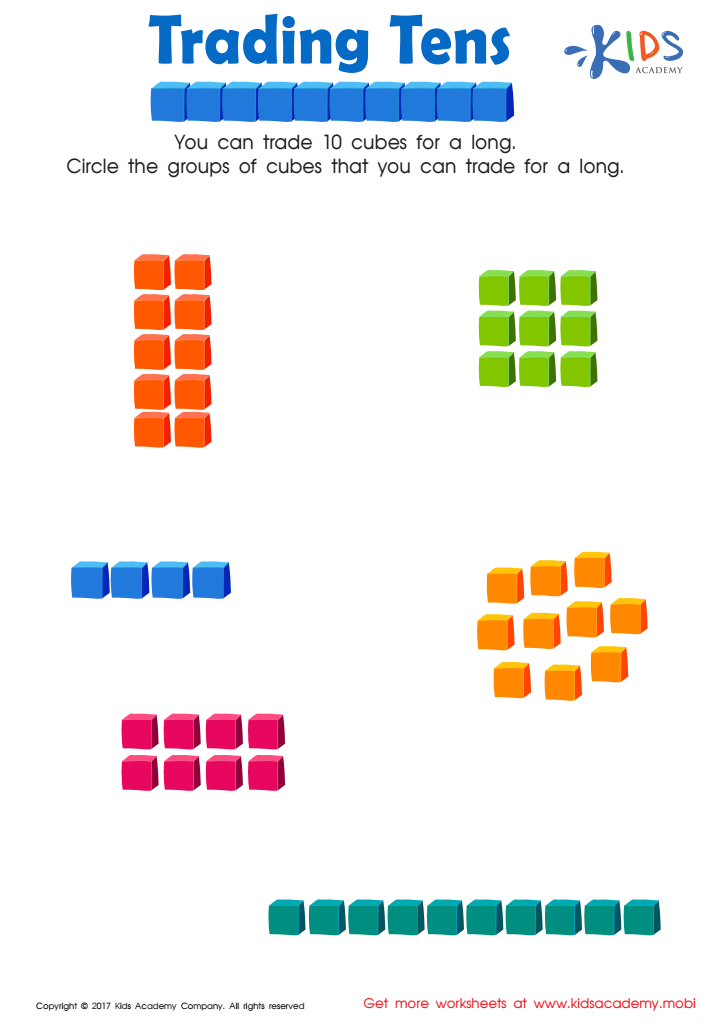
Trading Tens Worksheet
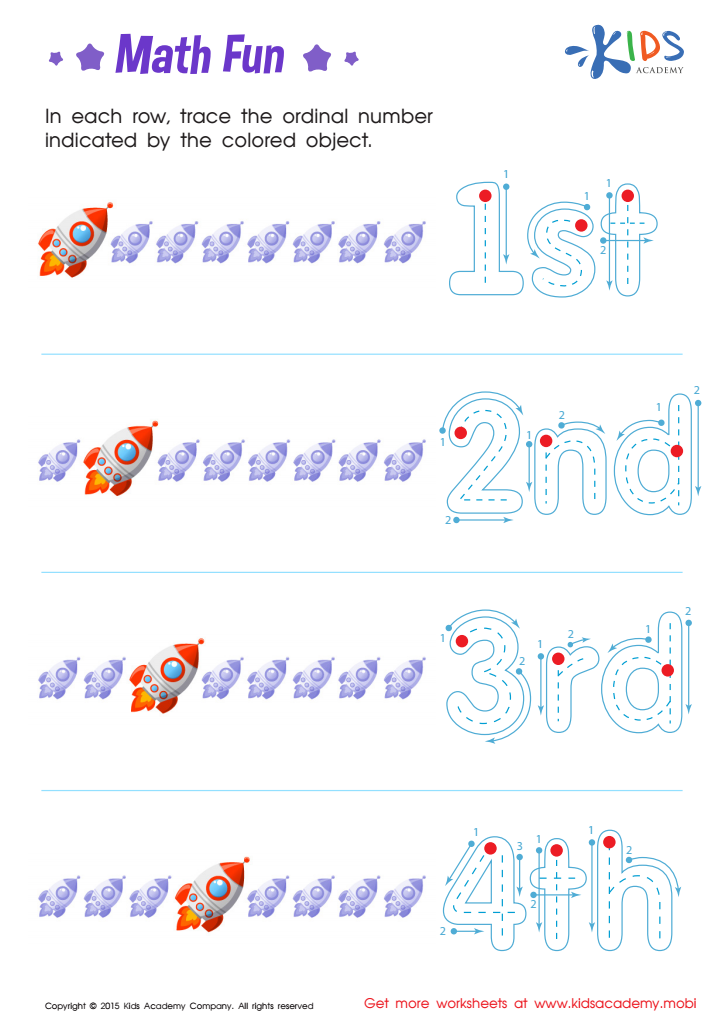
Ordinal Numbers: Math Fun Worksheet



.jpg)
.jpg)



Teaching addition through normal math is crucial for children aged 4-9 as it lays a fundamental groundwork for their future mathematical understanding and overall cognitive development. At this age, children are exceptionally receptive to learning, and mastering basic addition helps cultivate a positive attitude towards math, reducing anxiety about numbers later in life.
Understanding addition helps enhance problem-solving skills and logical thinking, paving the way for more complex concepts like subtraction, multiplication, and division. Additionally, engaging with addition fosters critical thinking as children learn to approach problems in varied ways, nurturing creativity and adaptability.
Moreover, early proficiency in mathematics is linked to academic success across subjects; a strong foundation in addition enhances skills in reading and science as well. Parents and teachers who focus on normal math during this critical period can help children develop perseverance and resilience—skills they will carry throughout their lives. Furthermore, mathematical concepts are inherent in daily activities, enabling children to connect math with real-world situations, such as counting items while shopping or sharing snacks, making learning both relevant and enjoyable. Ultimately, prioritizing early math education ensures children feel confident and competent in their numerical abilities as they progress through their educational journey.








