Normal Subtraction Worksheets for Ages 4-9 - Page 2
29 filtered results
-
From - To
 Assign to My Students
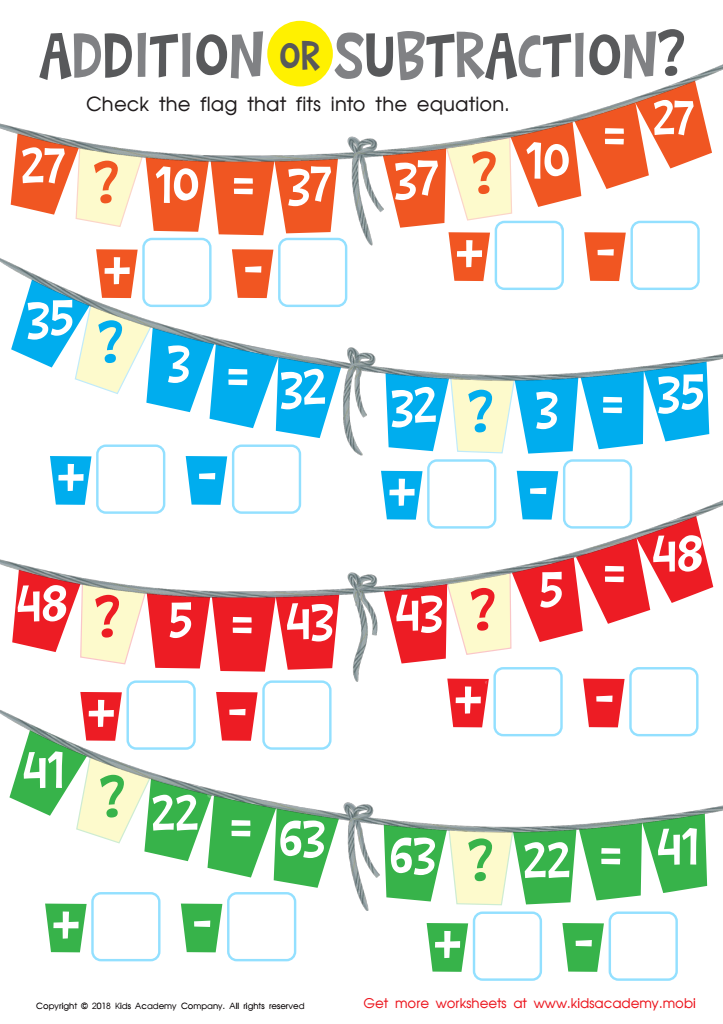
Addition or Subtraction? Worksheet
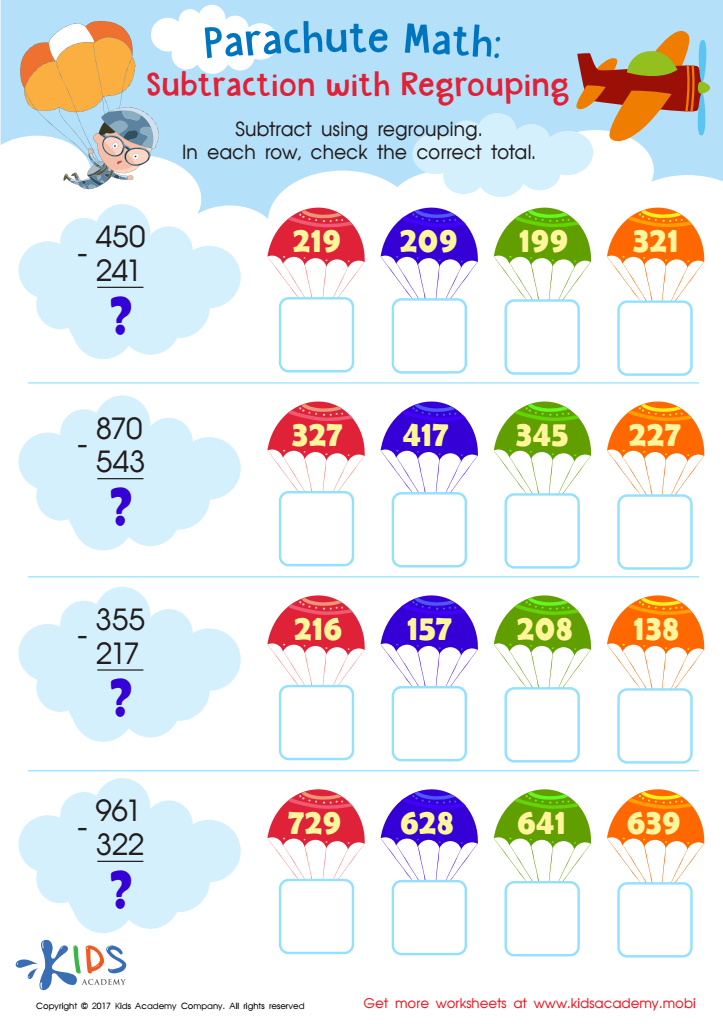
Subtraction with Regrouping for 3rd Grade Worksheet
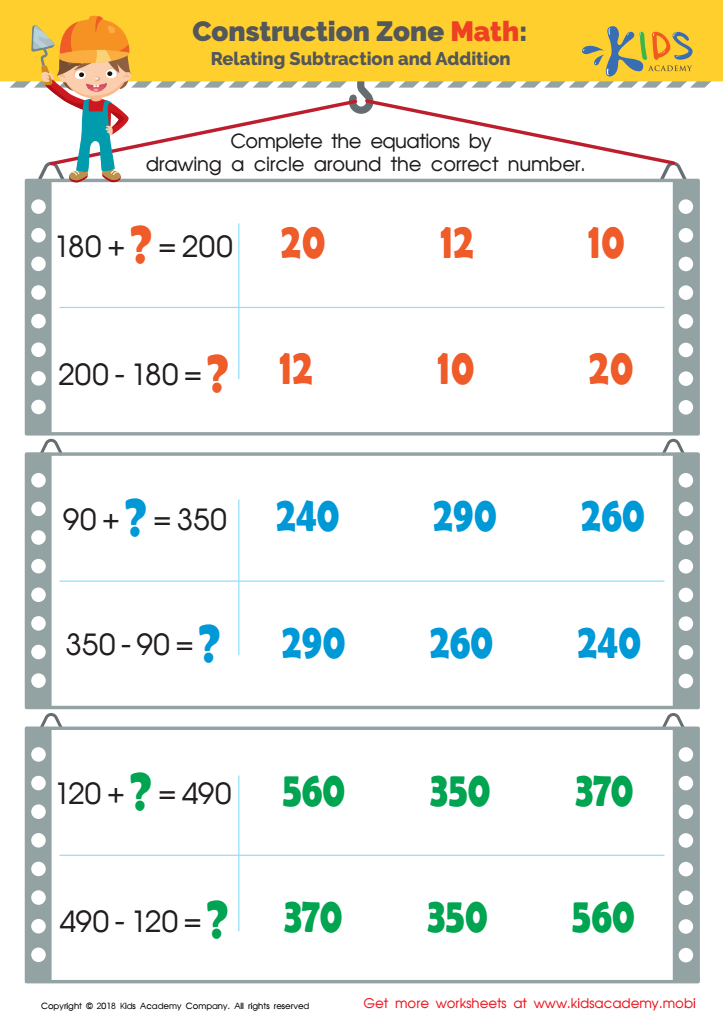
Construction Zone Math: Relating Subtraction and Addition Worksheet
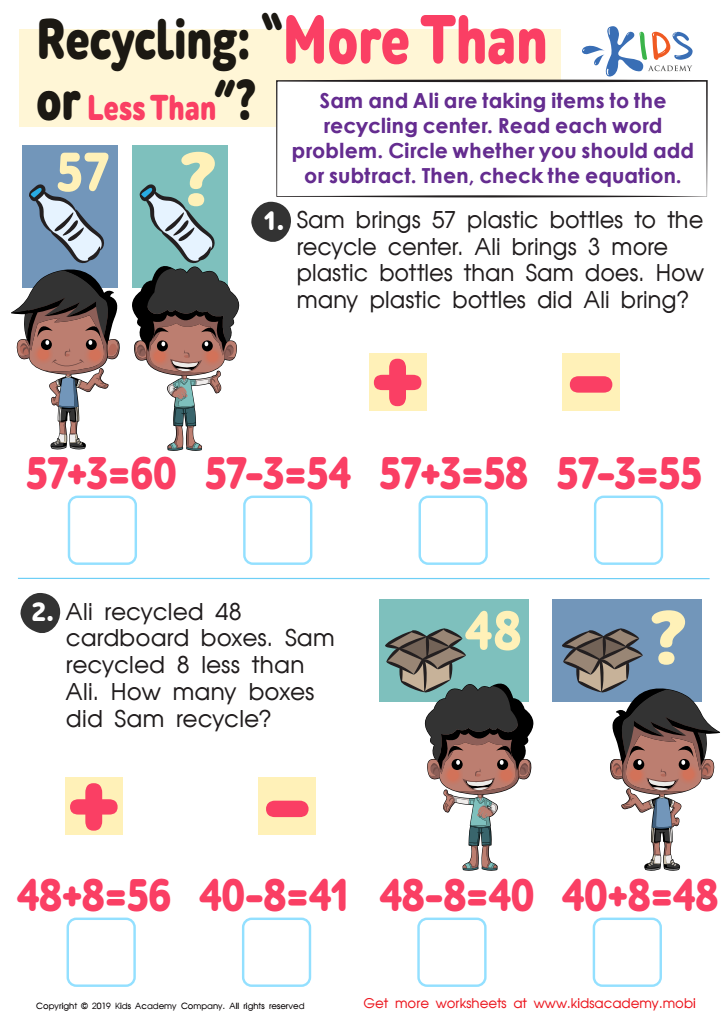
Recycling - More or Less Worksheet








Normal subtraction is a foundational skill in mathematics that young children between the ages of 4 to 9 must master to ensure academic success. Parents and teachers should prioritize this concept for several crucial reasons.
Firstly, subtraction introduces critical problem-solving and analytical thinking skills. By working through basic subtraction problems, children learn to approach challenges methodically. This not only aids in mathematics but also fosters overall cognitive development.
Secondly, understanding subtraction lays the groundwork for more complex mathematical concepts such as addition, multiplication, and division. As children progress in their education, a solid grasp of subtraction will enhance their confidence and capability in handling these advanced concepts.
Additionally, subtraction is a practical life skill. Children encounter situations that require subtraction, such as counting change or measuring ingredients for a recipe. Mastery of subtraction can empower children to engage in real-world scenarios with ease.
Finally, developing a strong understanding of subtraction at an early age can help identify and address potential learning difficulties, allowing for effective intervention. Therefore, parents and teachers should work collaboratively to engage children in subtraction activities, making the learning process both enjoyable and meaningful, ensuring a strong mathematical foundation for their future.