Critical Thinking Normal Reading Worksheets for Ages 4-9
44 filtered results
-
From - To
Discover engaging Critical Thinking Normal Reading Worksheets designed for children ages 4-9. These worksheets foster essential skills that help young learners analyze, evaluate, and interpret information effectively. With a variety of fun activities tailored to various reading levels, your child will enhance their comprehension and reasoning abilities. Each worksheet encourages exploration and curiosity, allowing them to think critically about the stories and materials they read. Perfect for classroom or home use, these resources are aimed at nurturing independent thought and a love for learning. Empower your child’s educational journey with our comprehensive selection of interactive reading worksheets today!
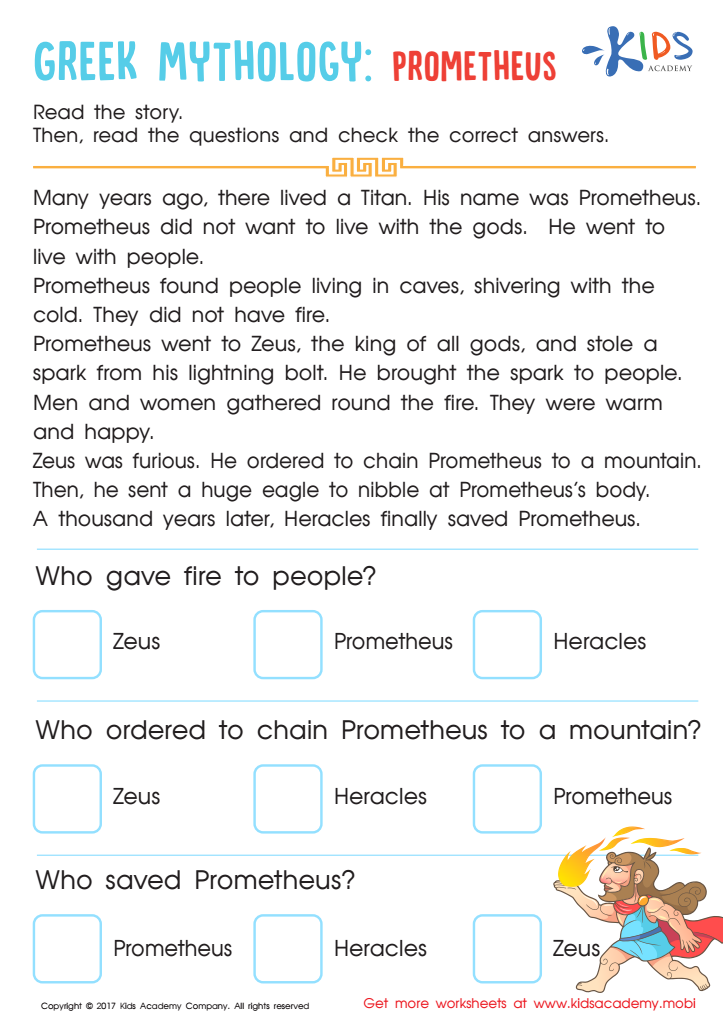
Prometheus Story Worksheet
 Assign to My Students
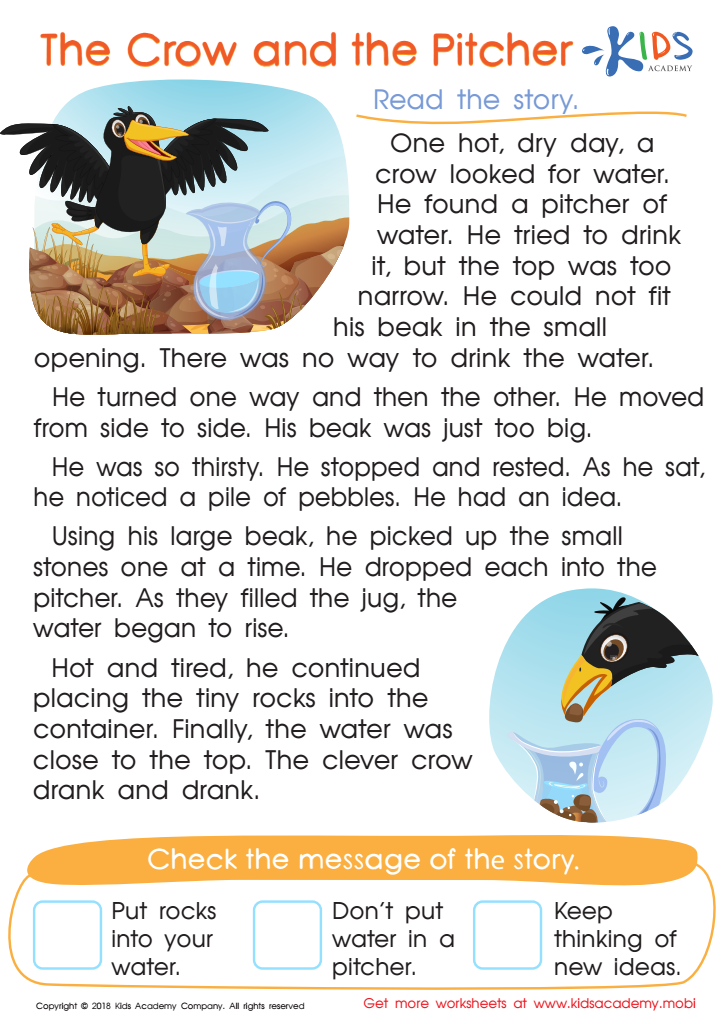
The Crow and the Pitcher Worksheet
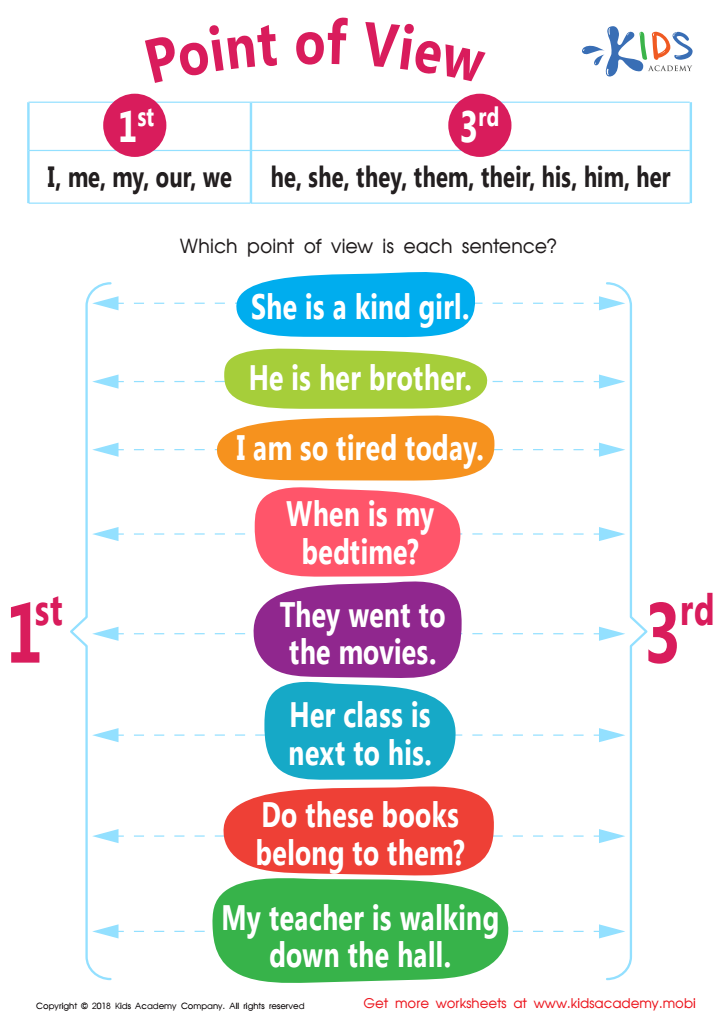
Point of View Worksheet
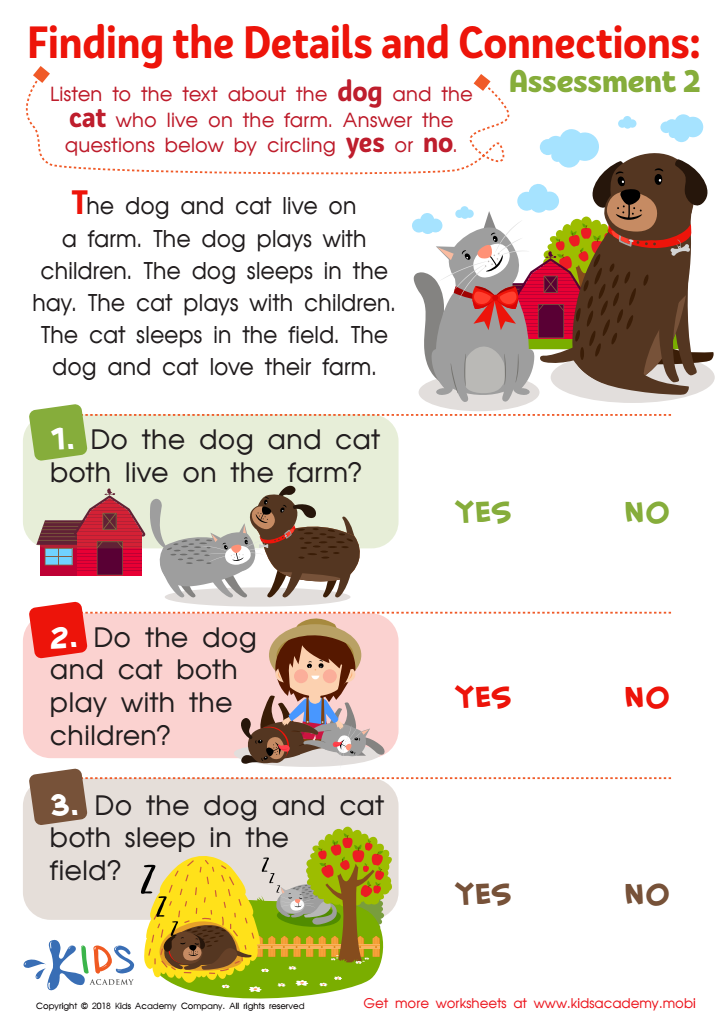
Finding the Details and Connections: Assessment 2 Worksheet
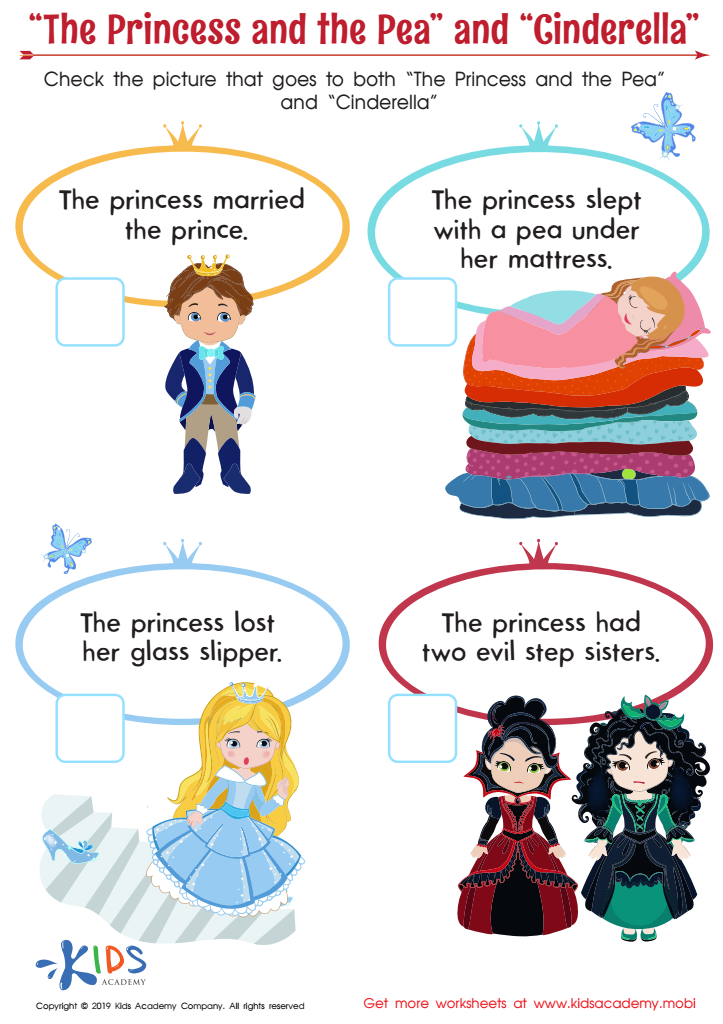
“The Princess and the Pea” and “Cinderella” Worksheet
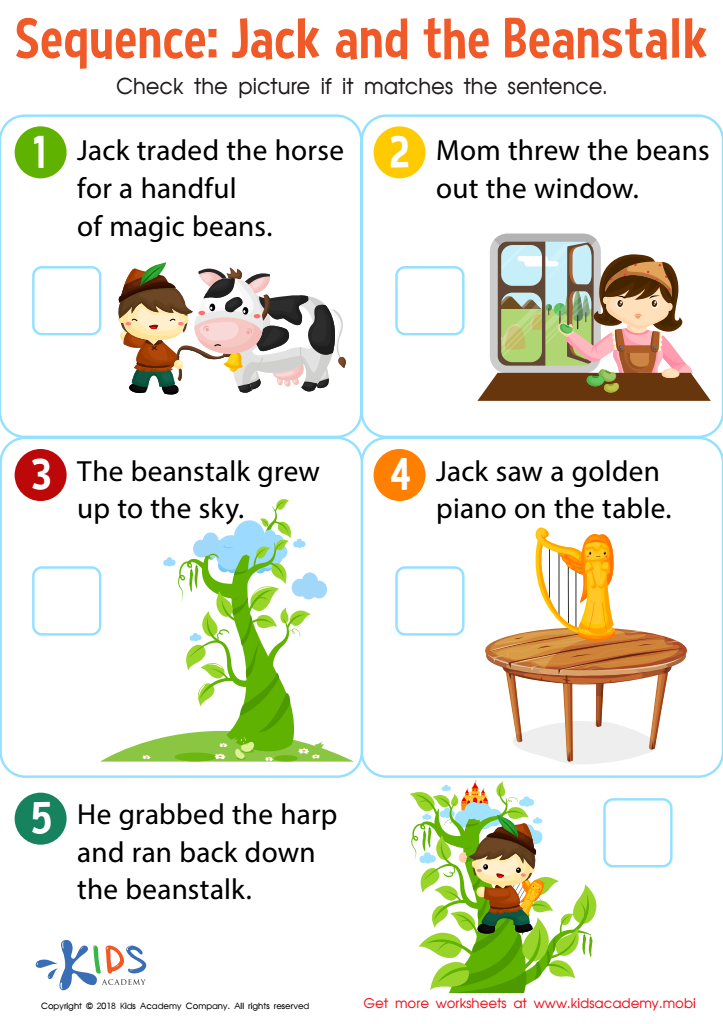
Sequence: Jack and The Beanstalk Worksheet
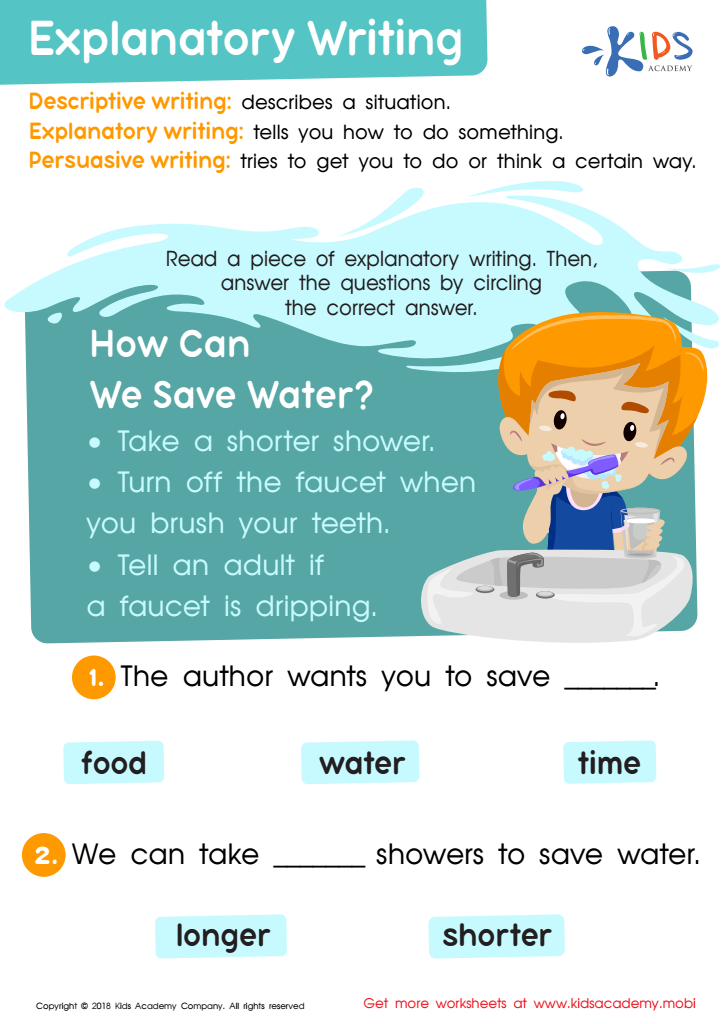
Explanatory Writing Worksheet
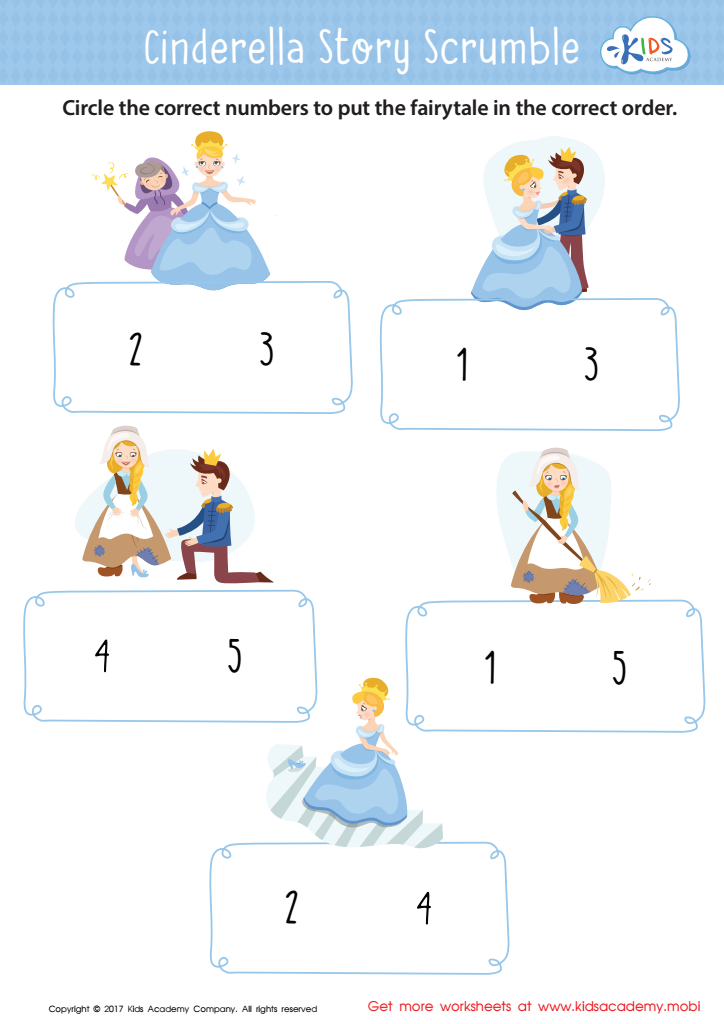
Cinderella Story Sequencing Worksheet
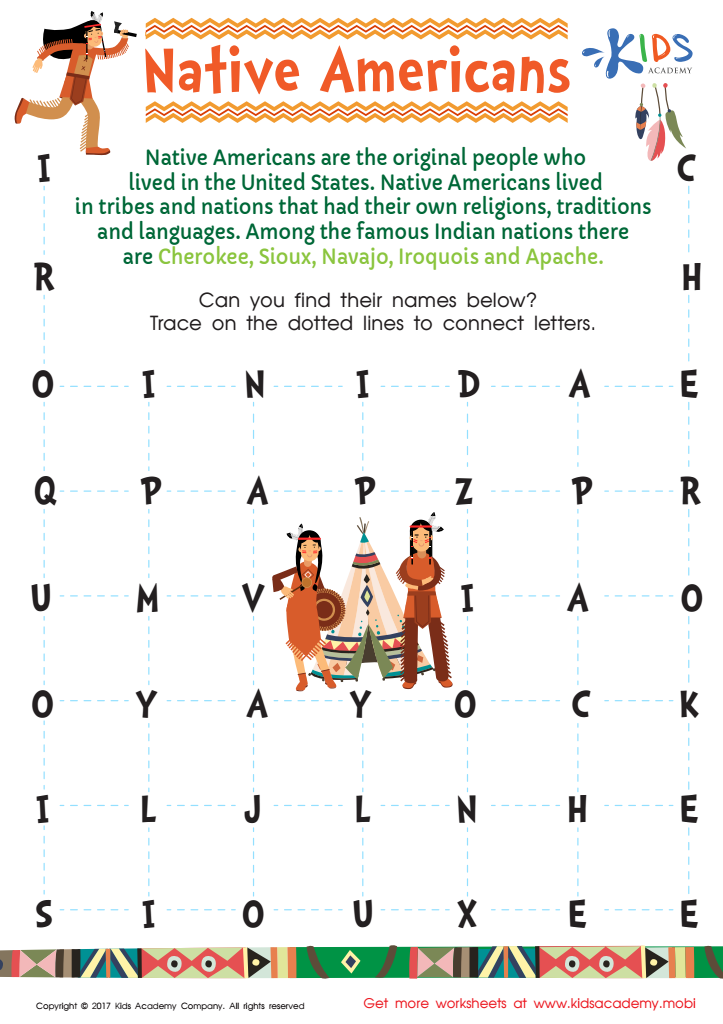
Native American Word Search Printable
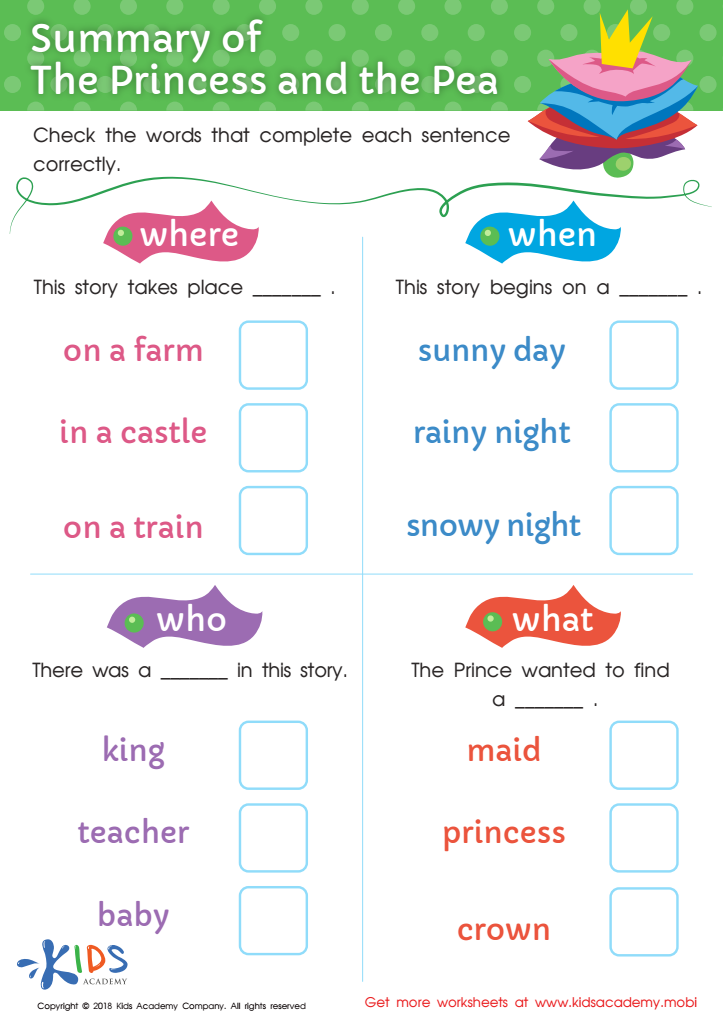
The Summary of the Princess and the Pea Worksheet
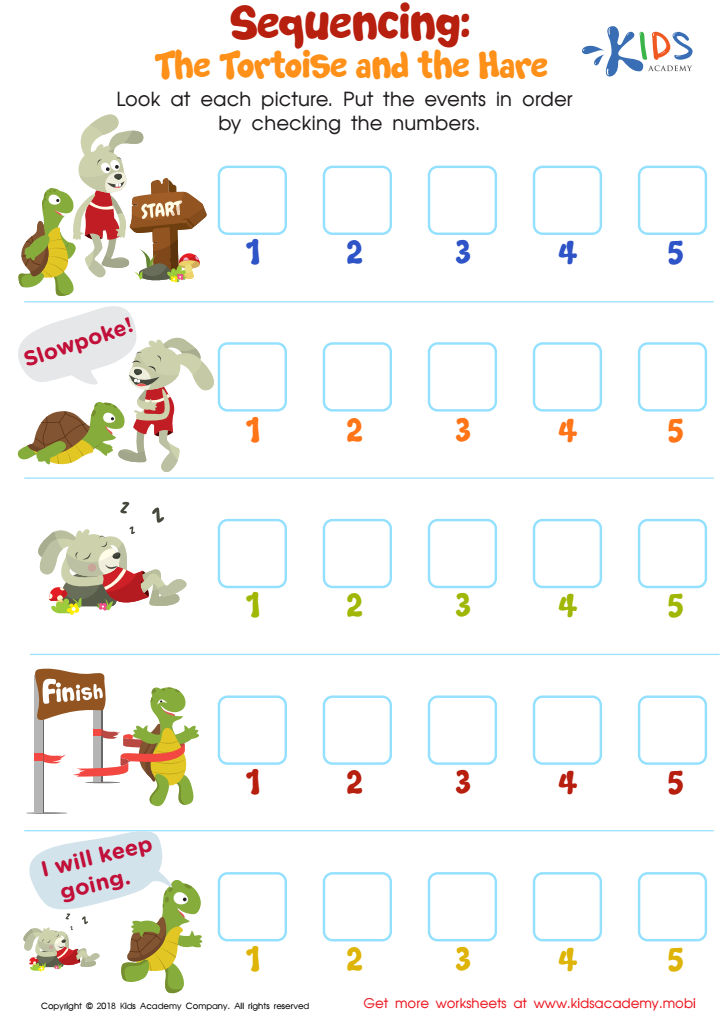
Sequencing: The Tortoise and the Hare Worksheet
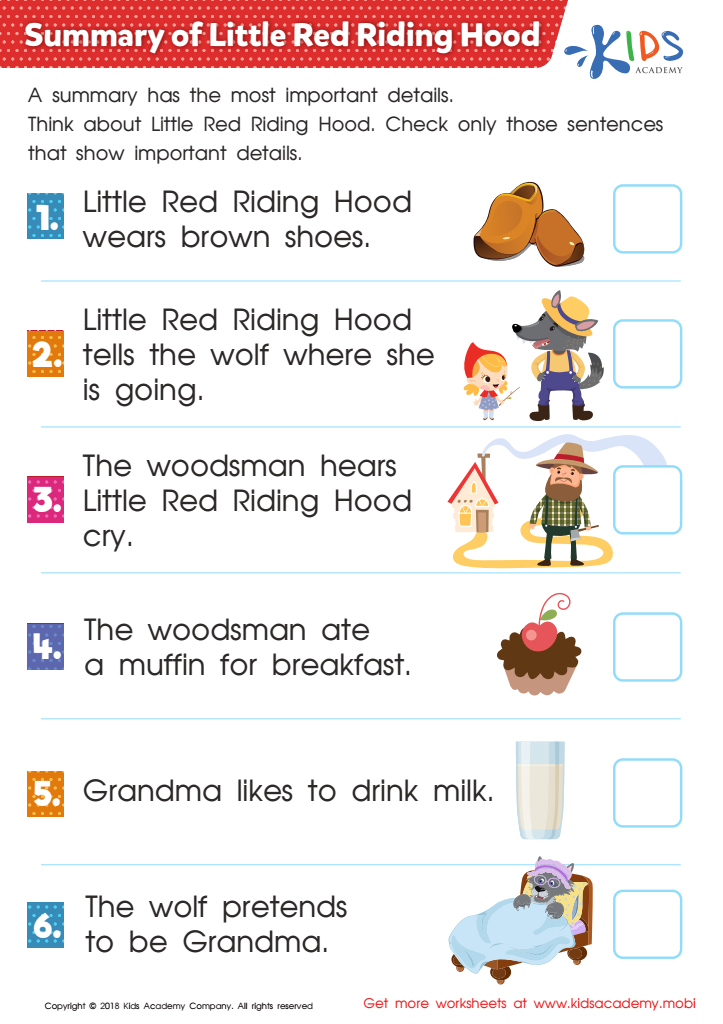
Summary of Little Red Riding Hood Worksheet
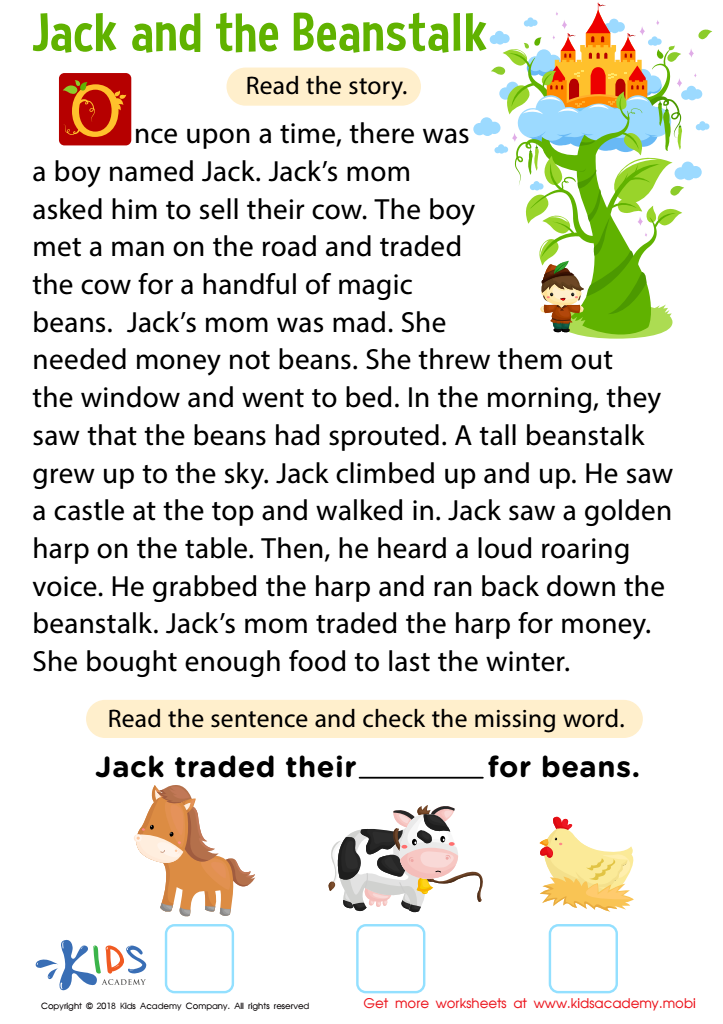
Jack and Beanstalk Worksheet
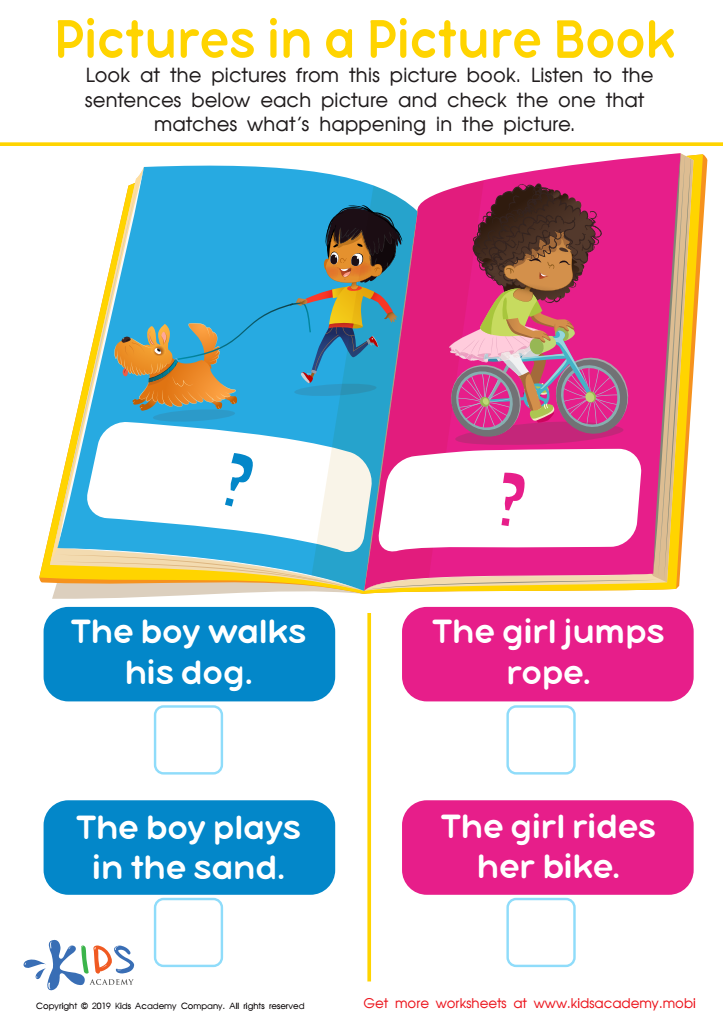
Picture in Books Worksheet
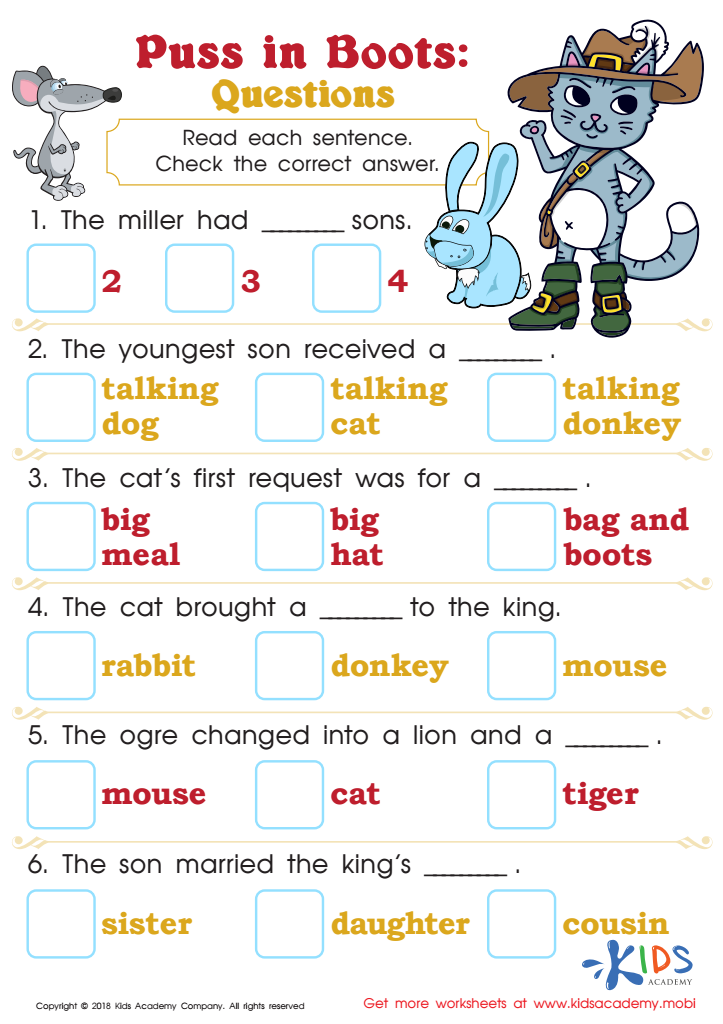
Puss in Boots: Questions Worksheet
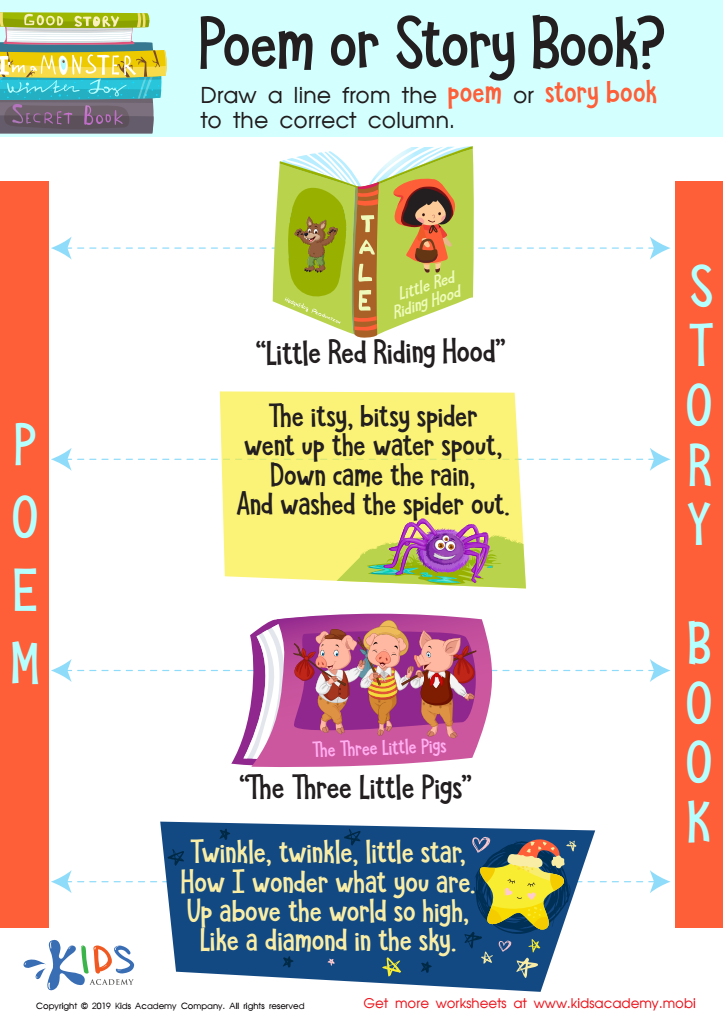
Poem or Story Book? Worksheet
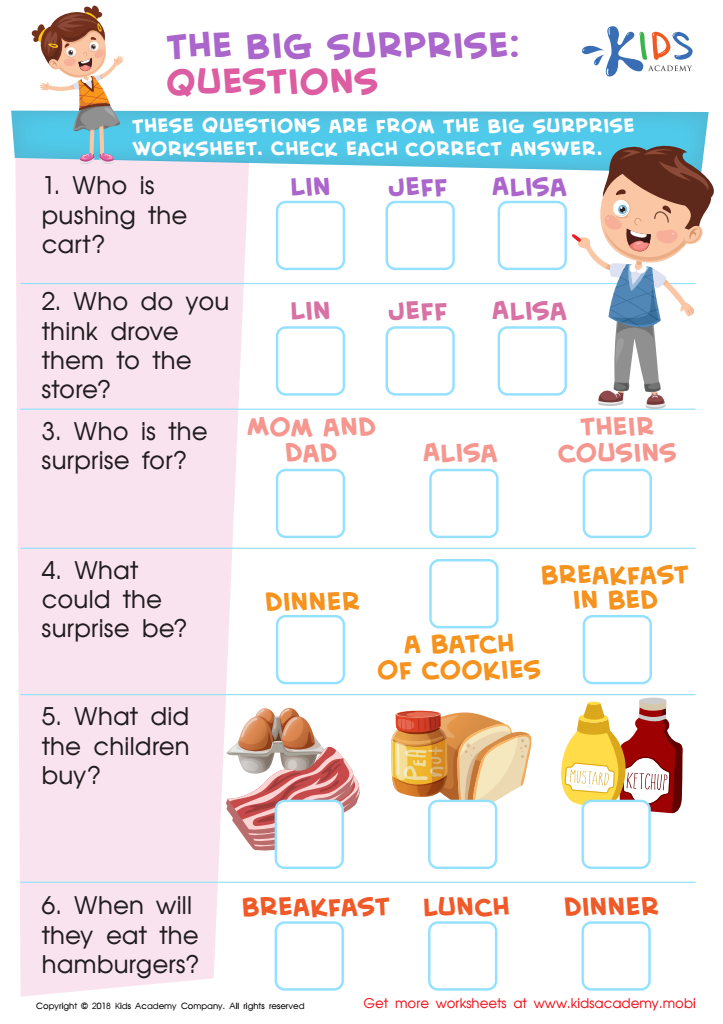
The Big Surprise: Questions Worksheet
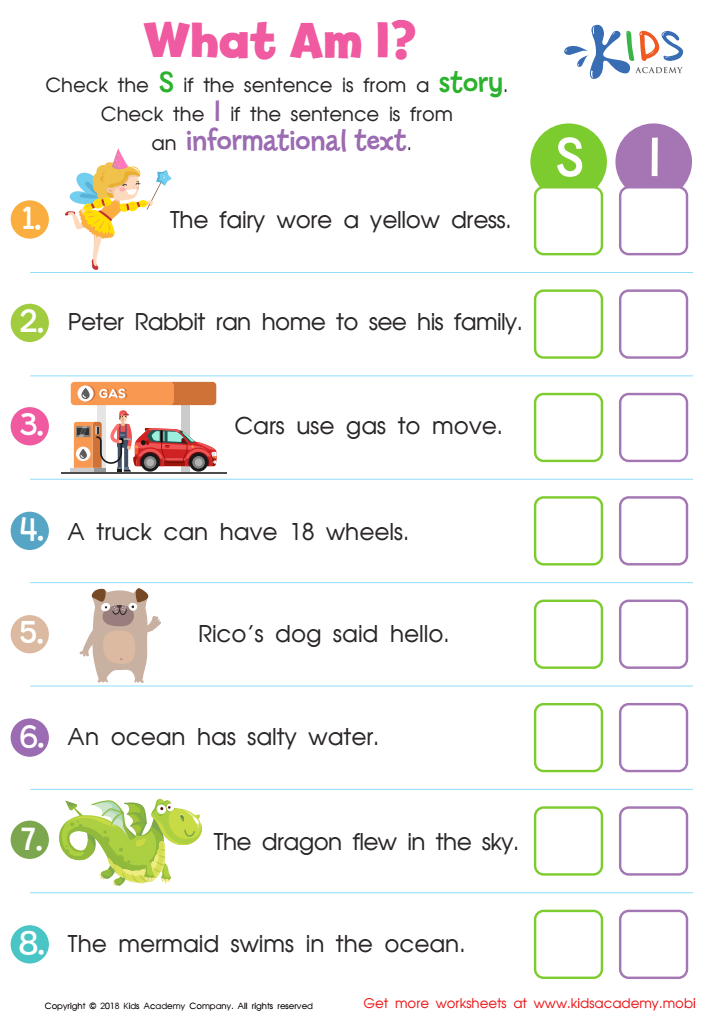
What Am I? Worksheet
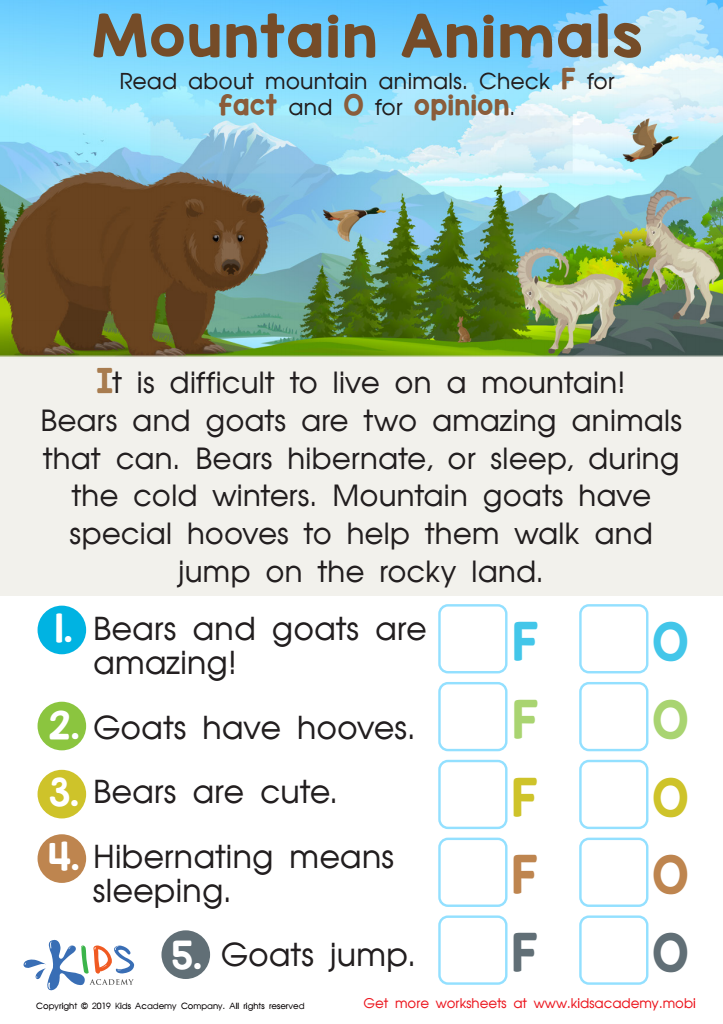
Mountain Animals Worksheet
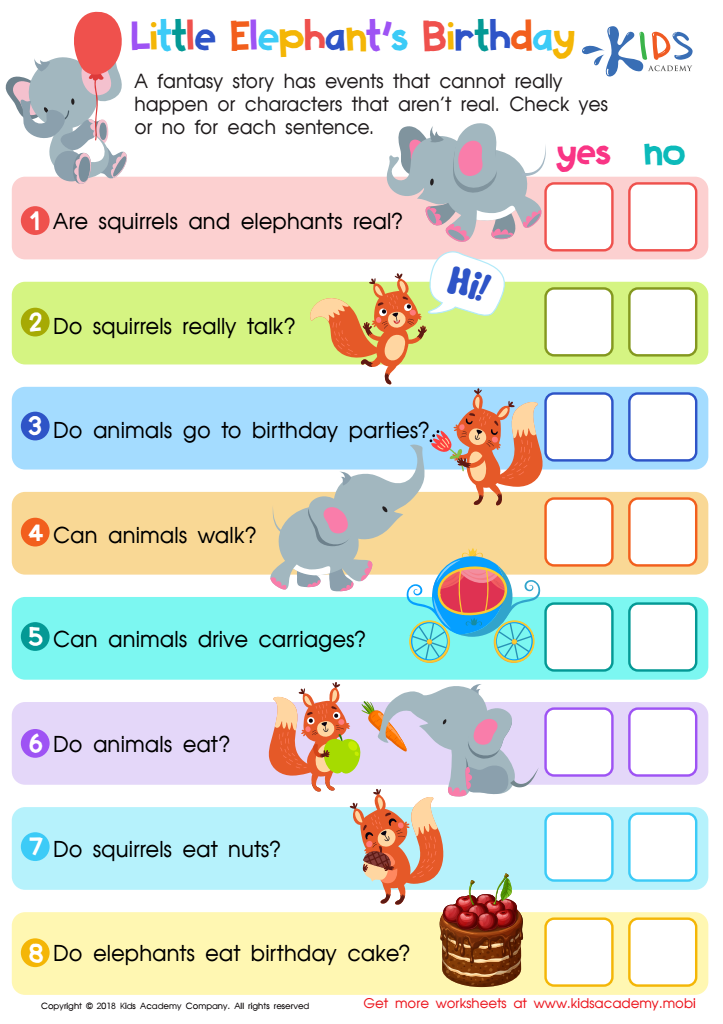
Little Elephant's Birthday Worksheet
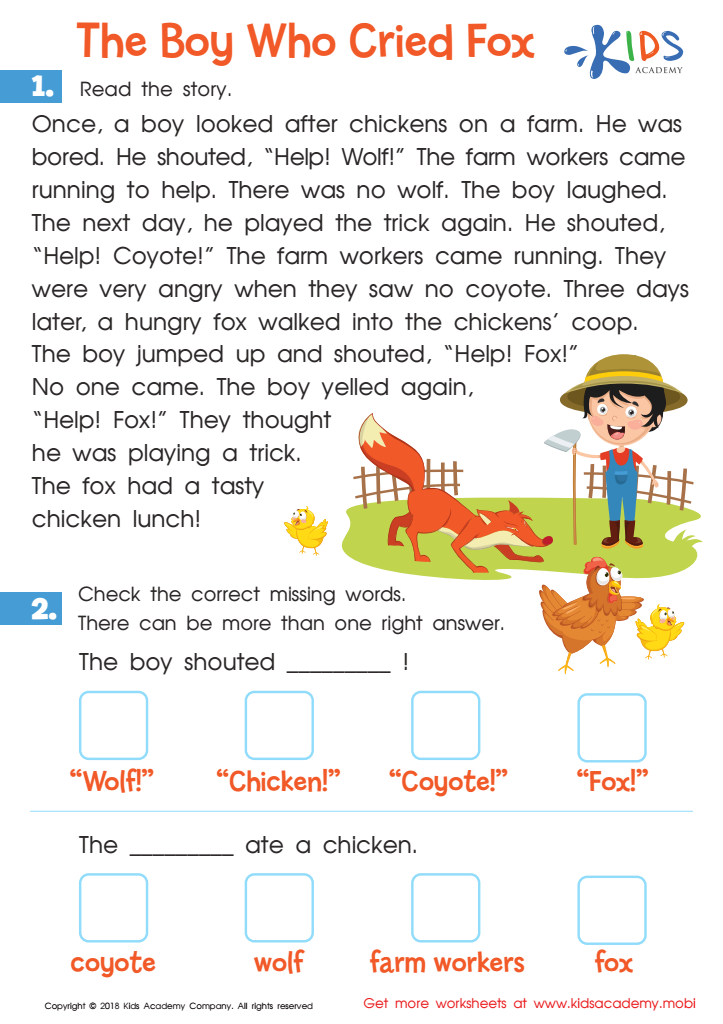
The Boy Who Cried Fox Worksheet

Traditional Music Worksheet
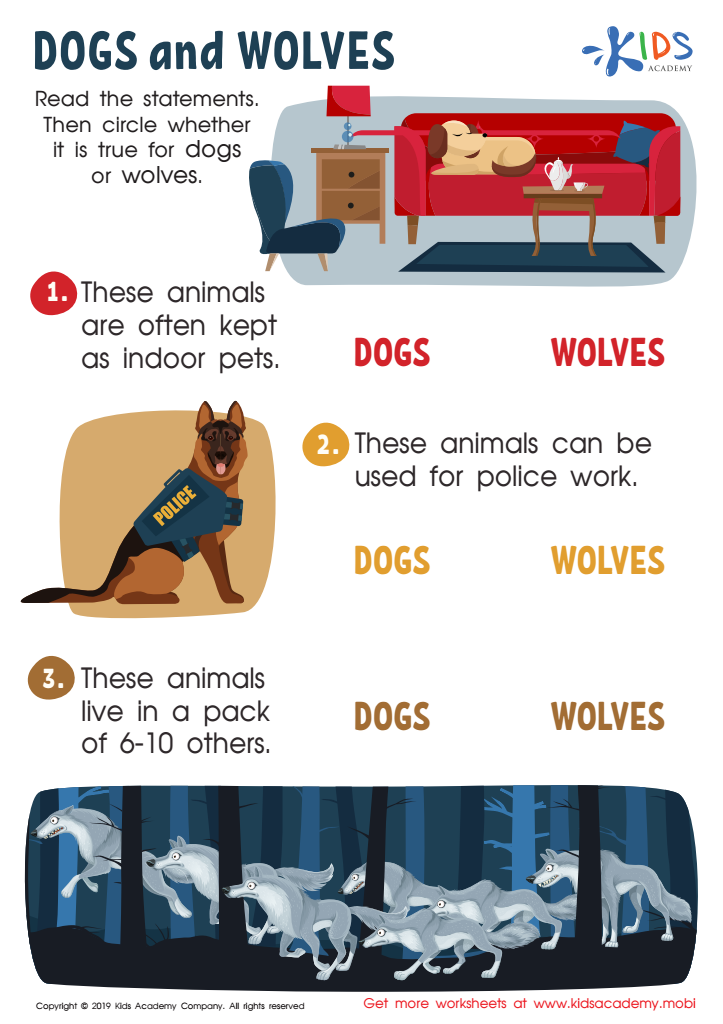
Dogs and Wolves Worksheet
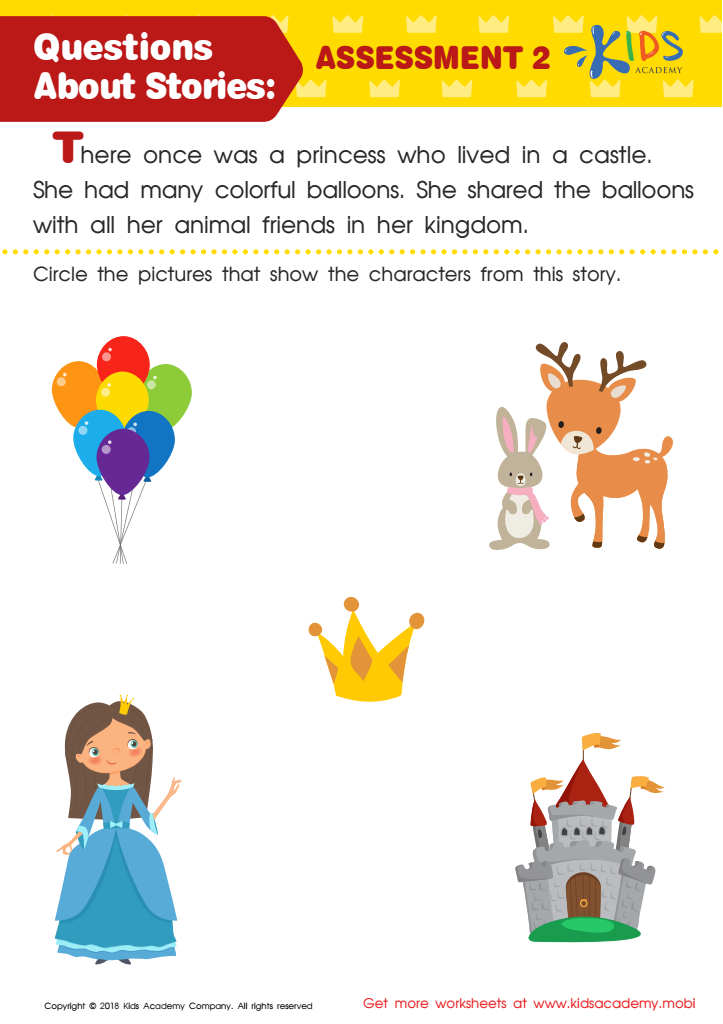
Questions About Stories: Assessment 2 Worksheet






Parents and teachers should prioritize Critical Thinking Normal Reading for ages 4-9 because it equips young learners with essential cognitive skills that are foundational for academic success and lifelong learning. At this age, children are naturally curious and developing their comprehension abilities; fostering critical thinking during this formative period encourages them to ask questions, analyze information, and draw conclusions from texts. By engaging with reading materials that promote critical thinking, children learn to evaluate different perspectives and think creatively.
Incorporating critical thinking skills into reading activities can enhance children's language development, improve problem-solving abilities, and boost their confidence in expressing thoughts and opinions. It also prepares them for more advanced literacy tasks as they progress through school, where analytical skills are crucial for subjects like science, mathematics, and social studies.
Moreover, nurturing critical thinking through reading cultivates a sense of empathy and understanding of complex social issues, which is vital for developing responsible and engaged citizens. Encouraging young learners to think critically fosters a love for reading that explores diverse themes and ideas, enriching their intellectual and emotional growth. Ultimately, prioritizing critical thinking in reading can set children on a path to become thoughtful, informed individuals.








