Critical Thinking Normal Reading Worksheets for Ages 4-9 - Page 2
44 filtered results
-
From - To
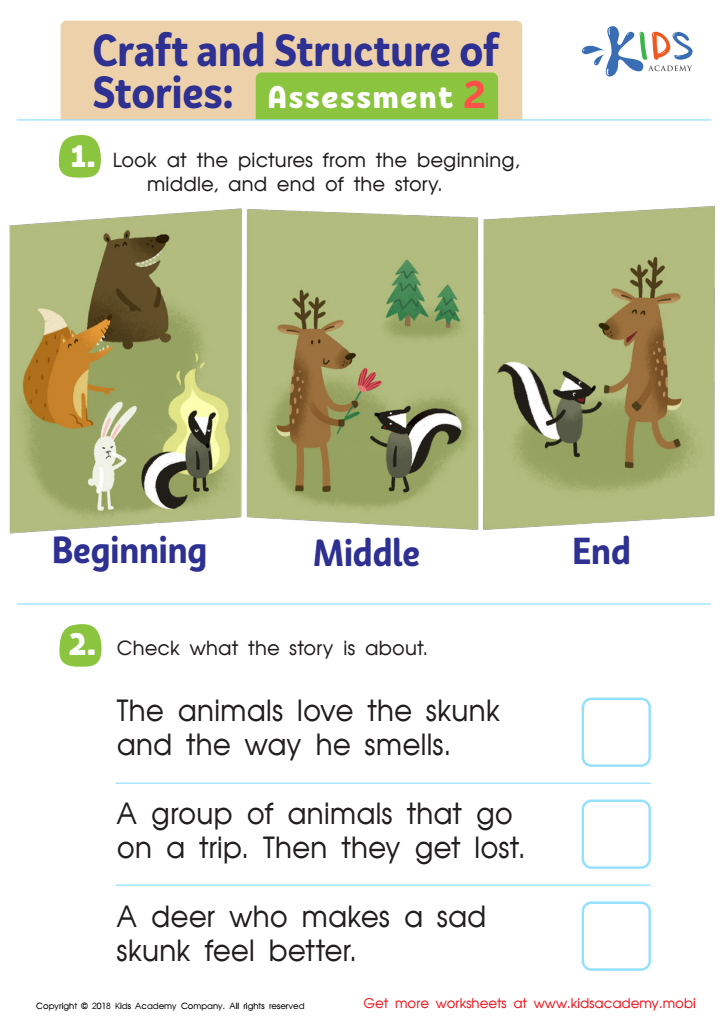
Craft and Structure of Stories: Assessment 2 Worksheet
 Assign to My Students
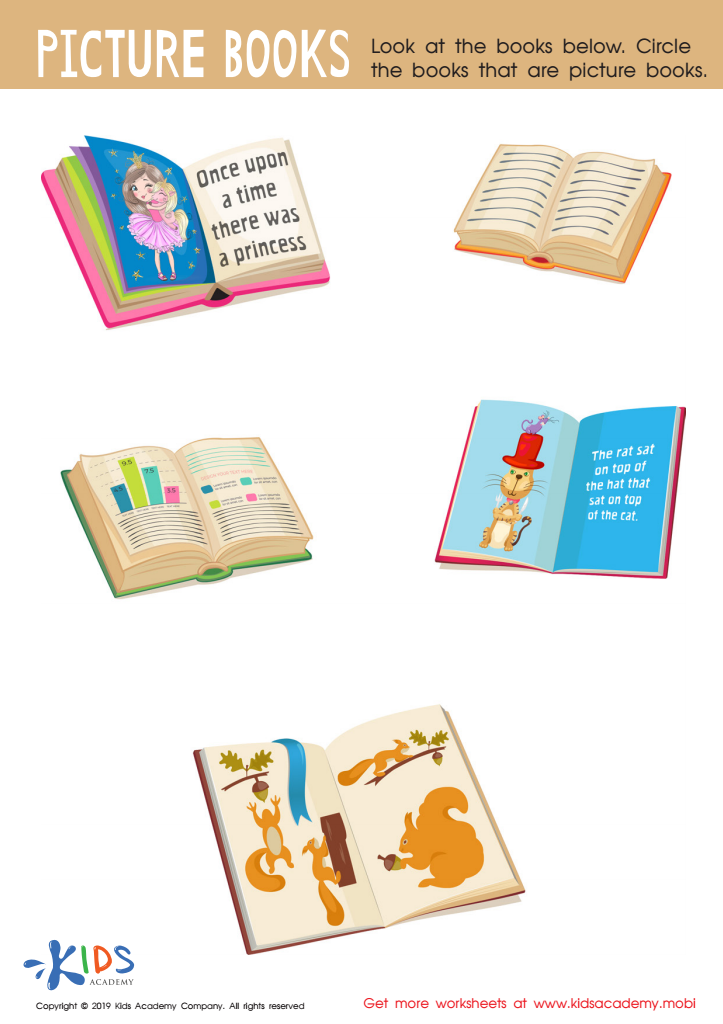
Picture Books Worksheet
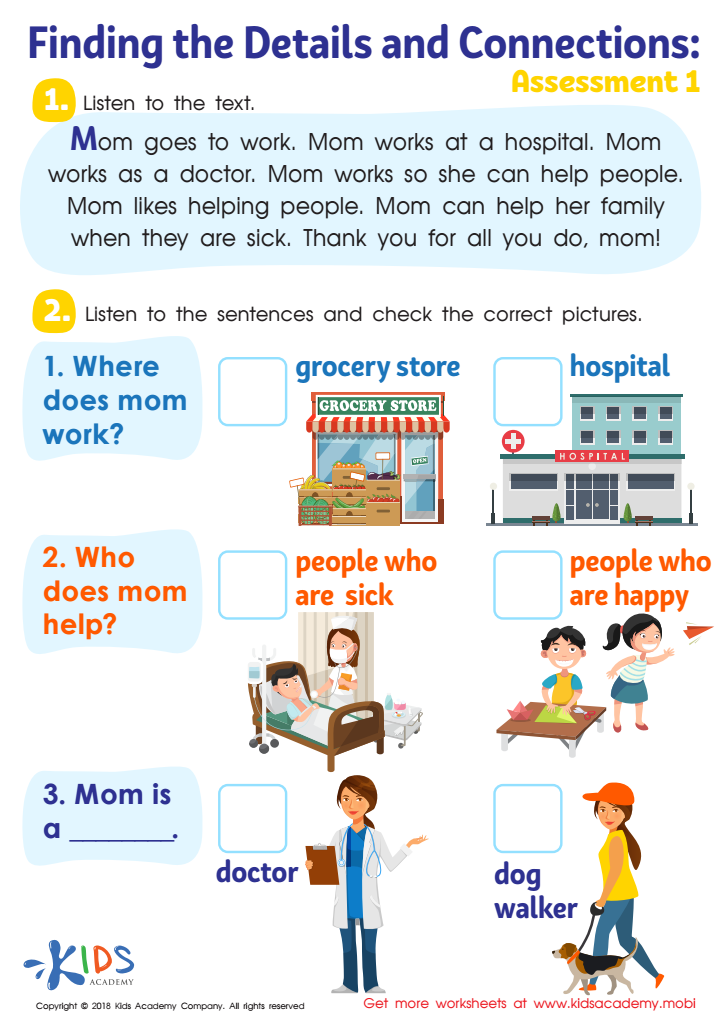
Finding the Details and Connections: Assessment 1 Worksheet
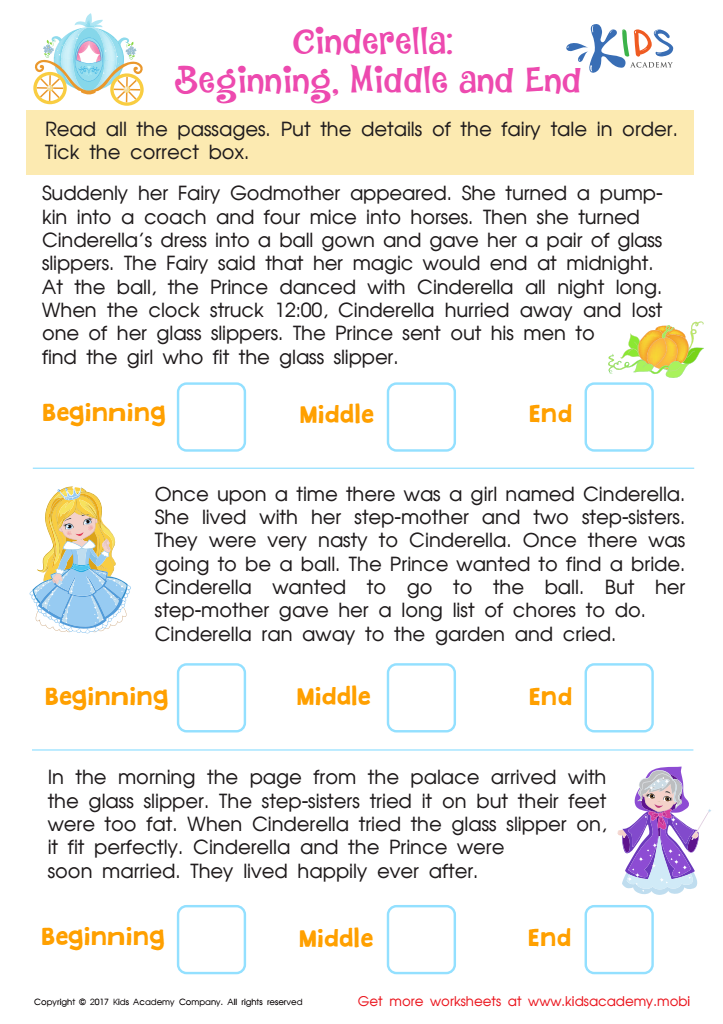
Cinderella: Beginning, Middle and End Worksheet
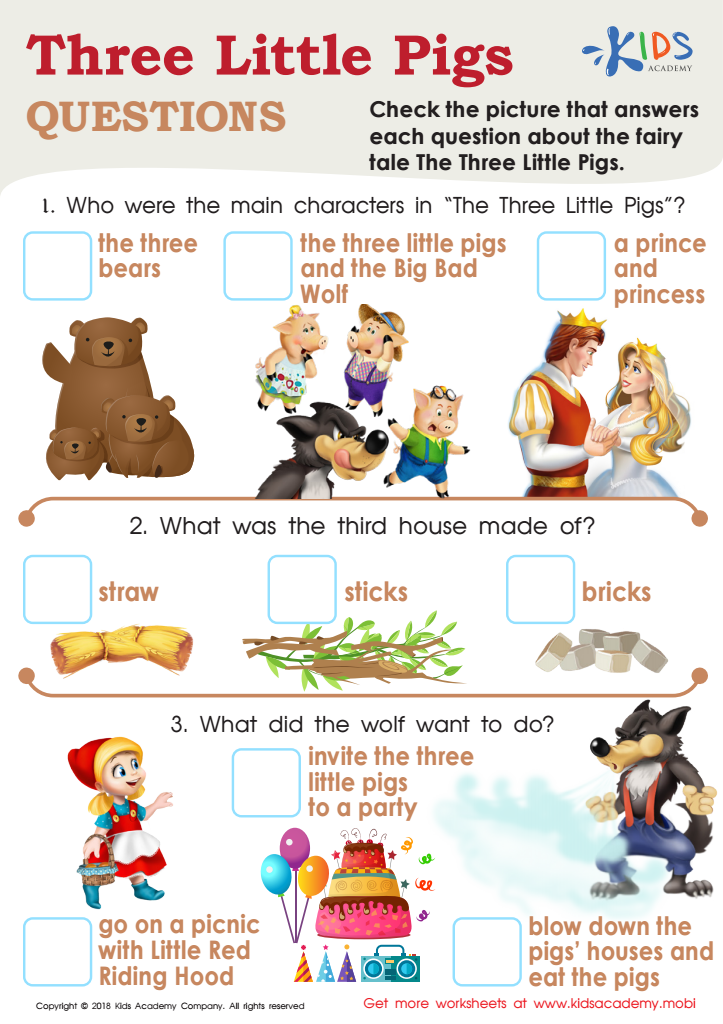
Three Little Pigs Questions Worksheet
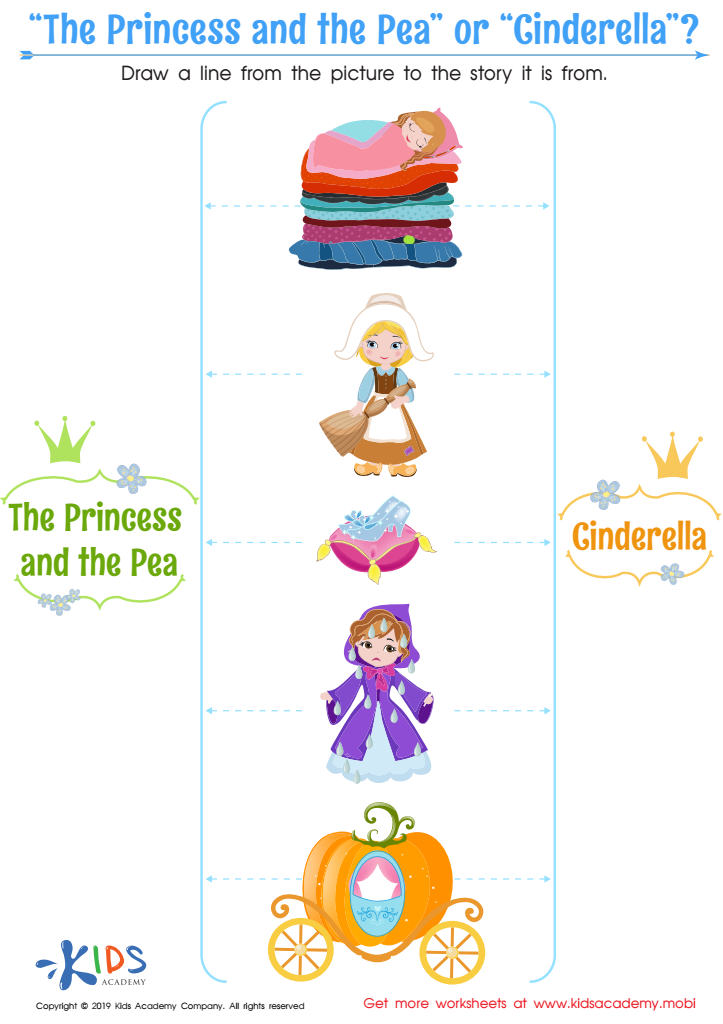
“The Princess and the Pea” or “Cinderella” Worksheet
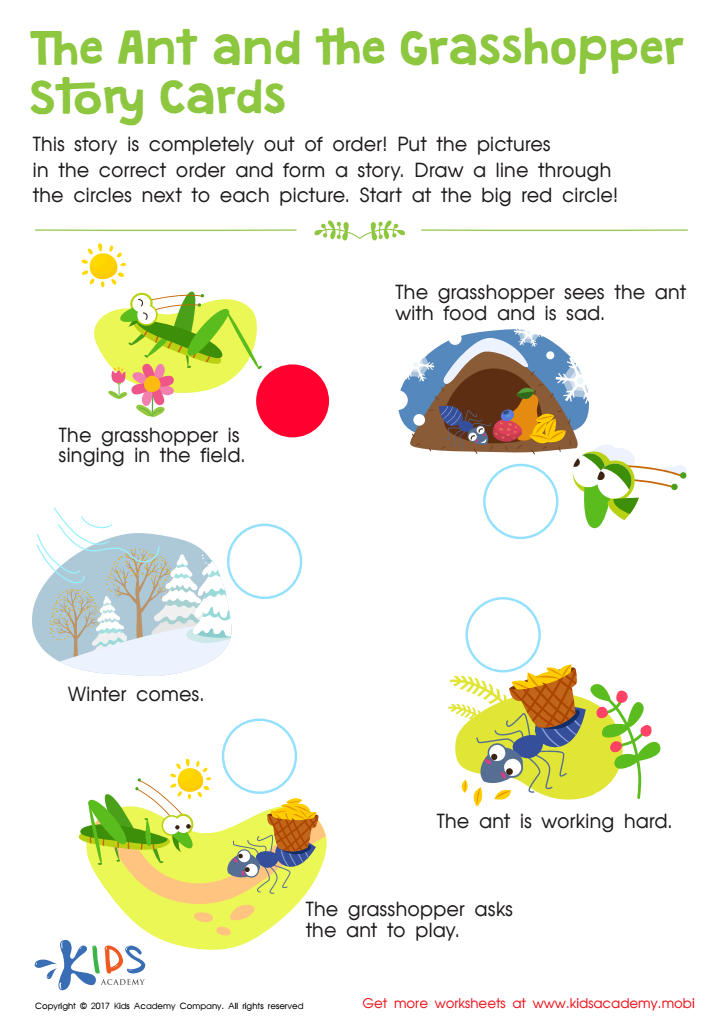
The Ant and The Grasshopper Worksheet
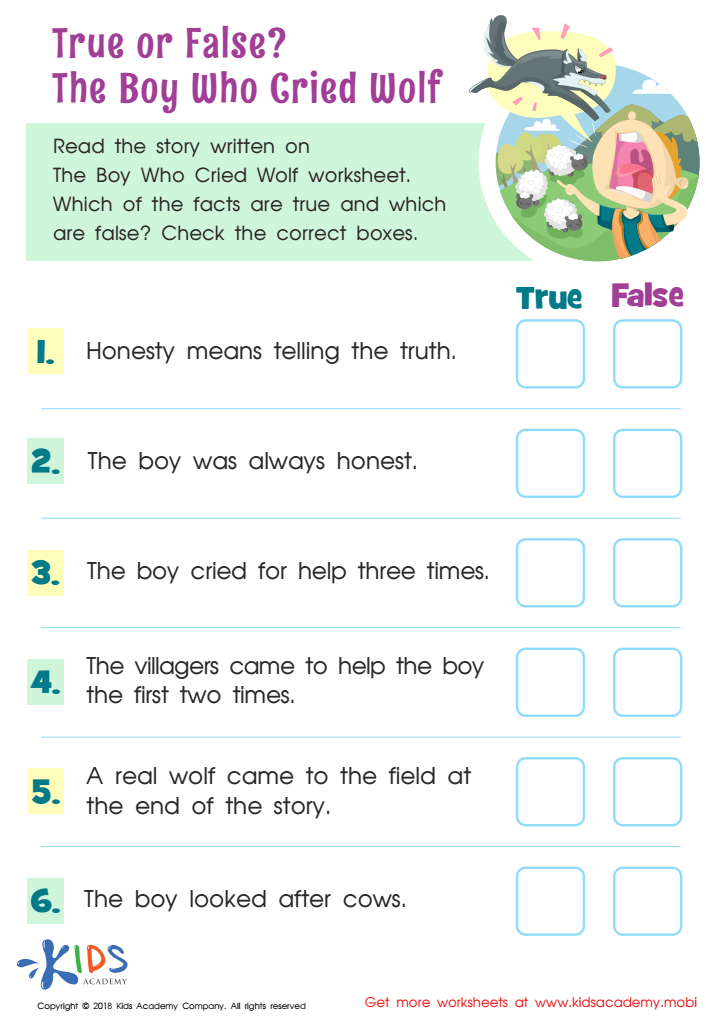
True or False? The Boy Who Cried Wolf Worksheet
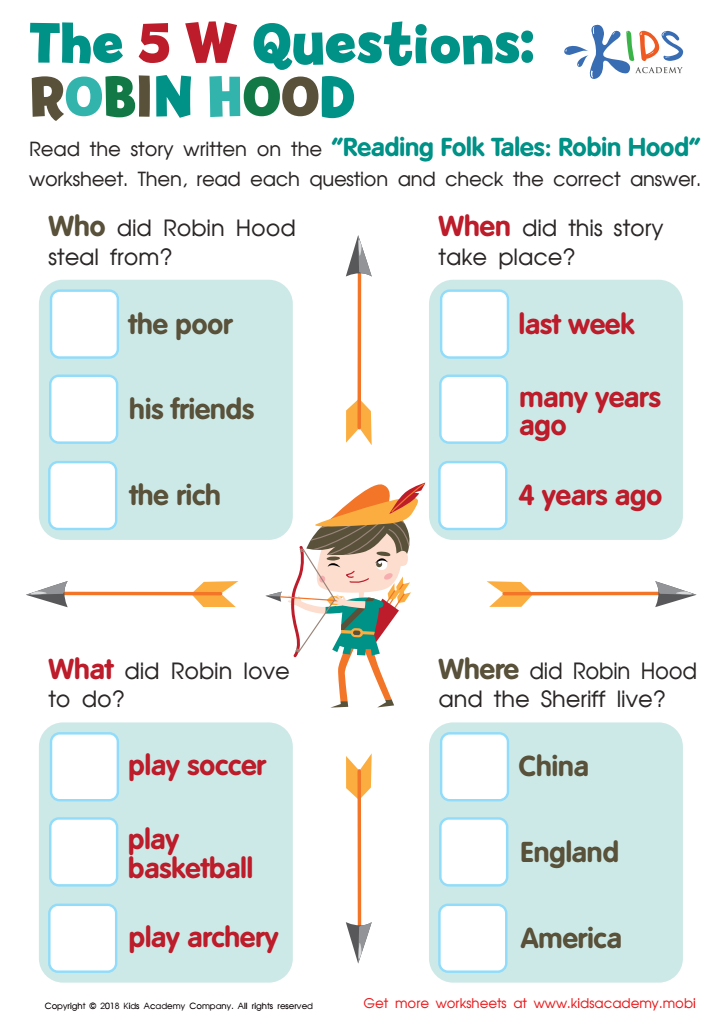
The 5 W Questions: Robin Hood Worksheet
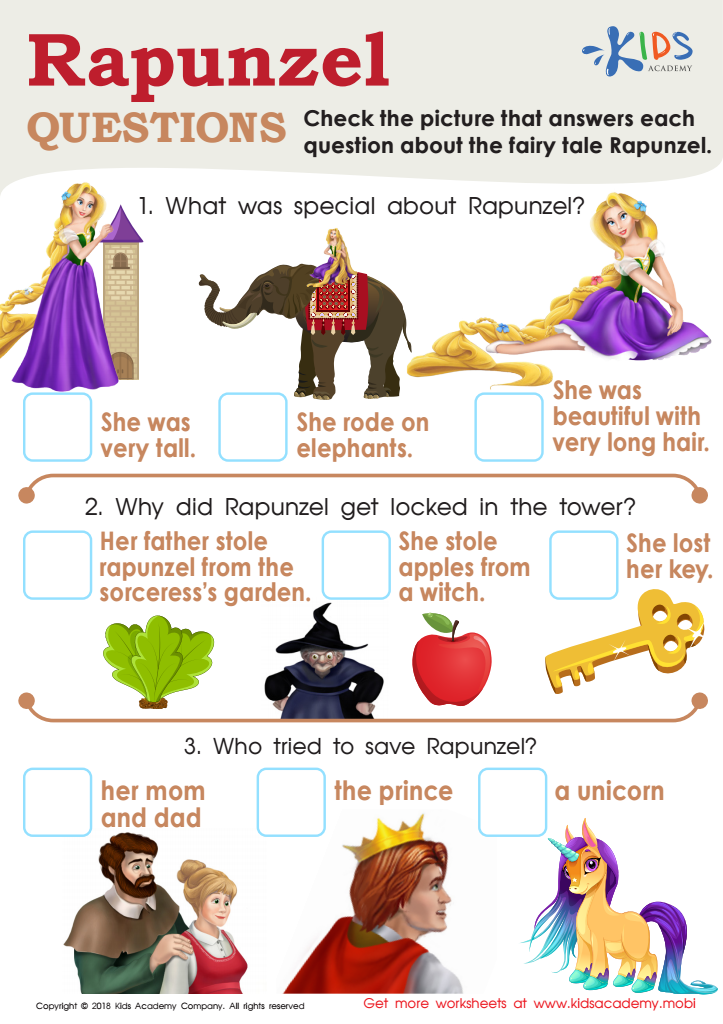
Rapunzel Questions Worksheet
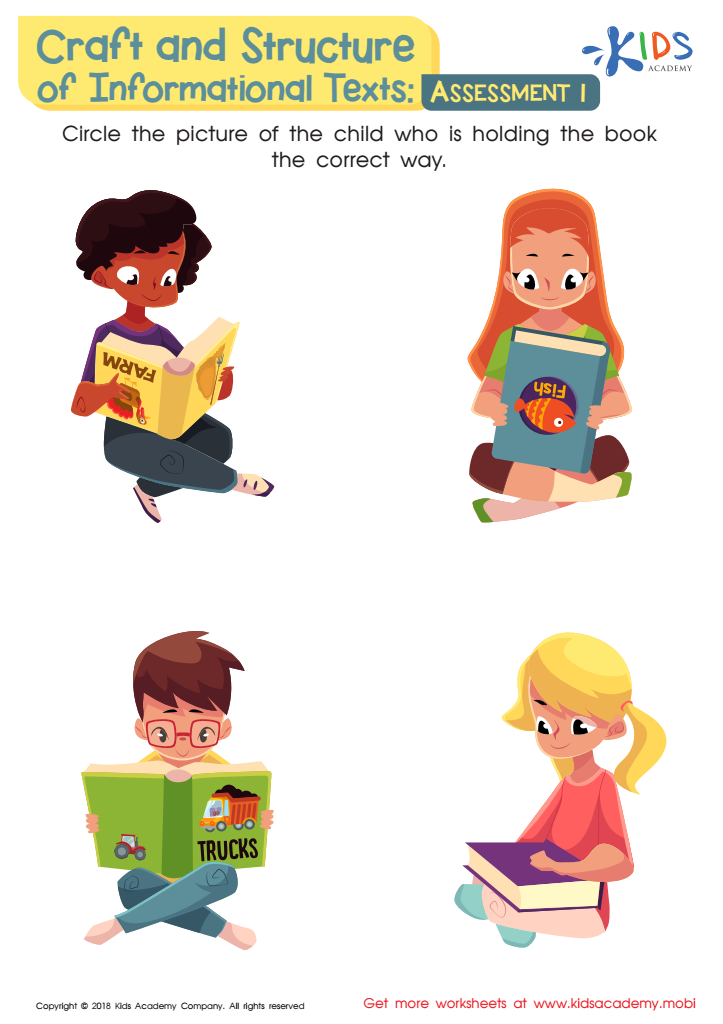
Craft and Structure of Informational Texts: Assessment 1 Worksheet
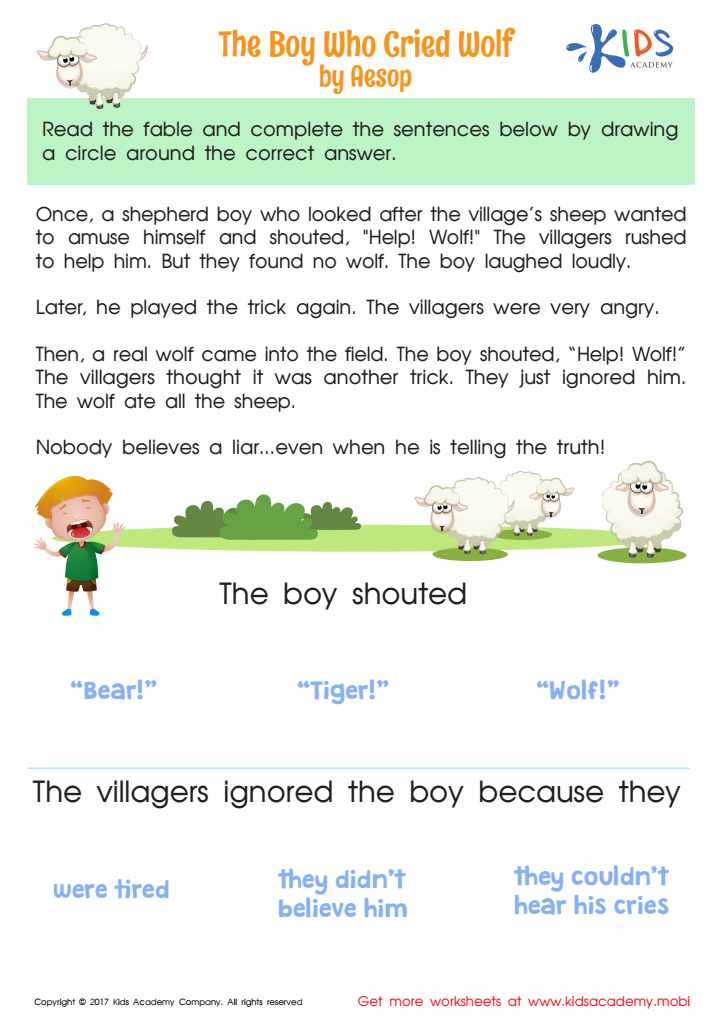
The Boy Who Cried Wolf Worksheet
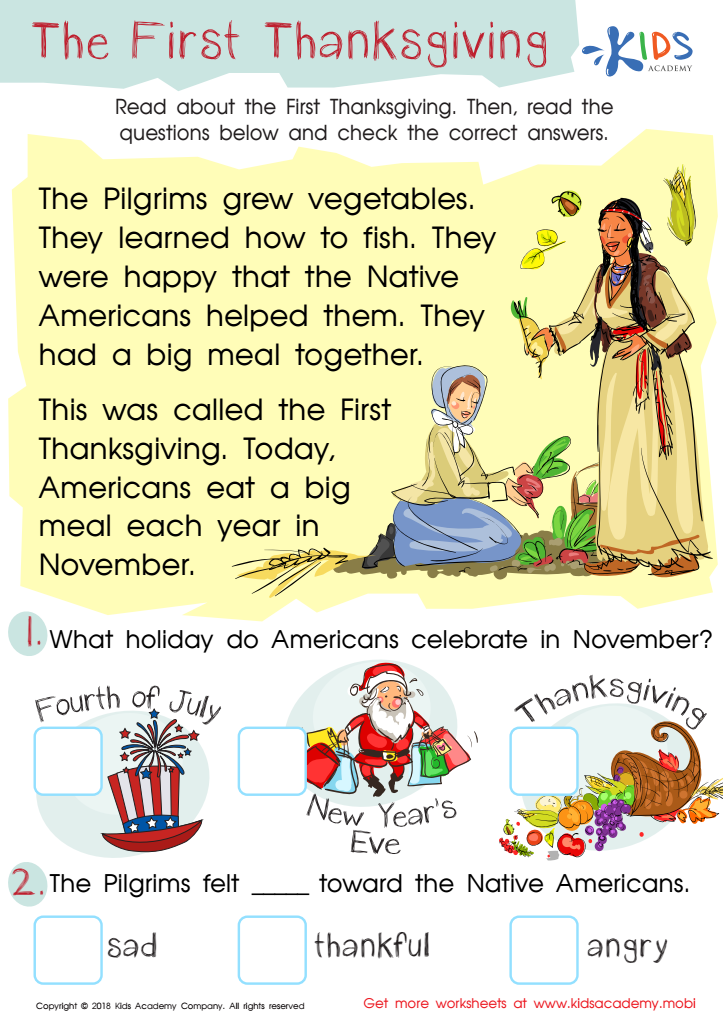
Assessment: First Thanksgiving Worksheet
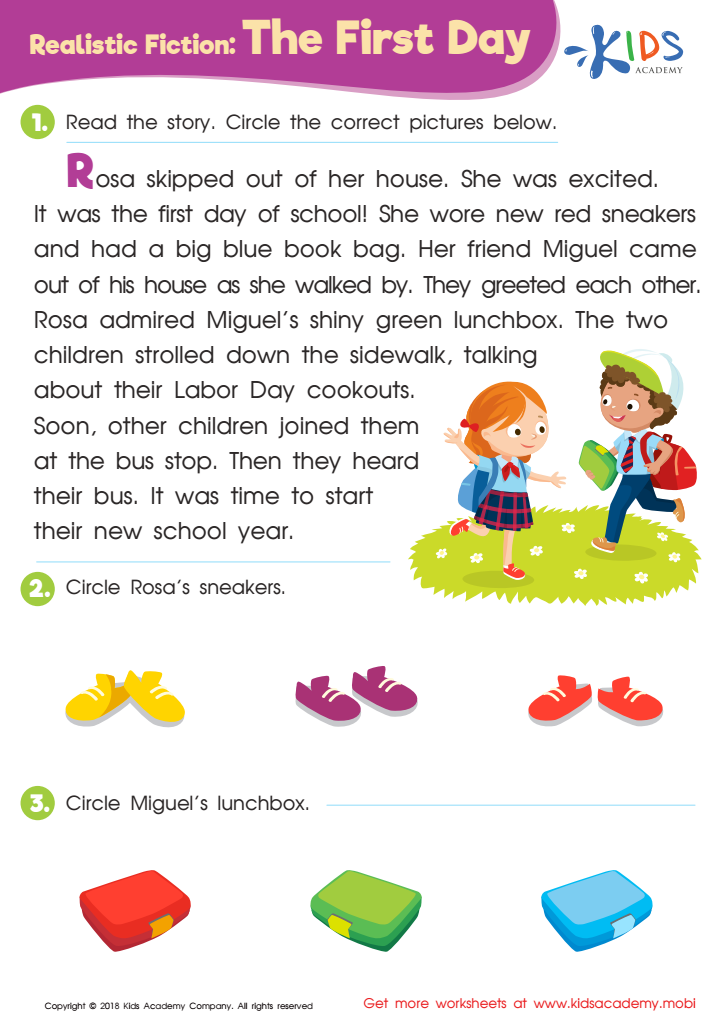
Realistic Fiction: The First Day Worksheet
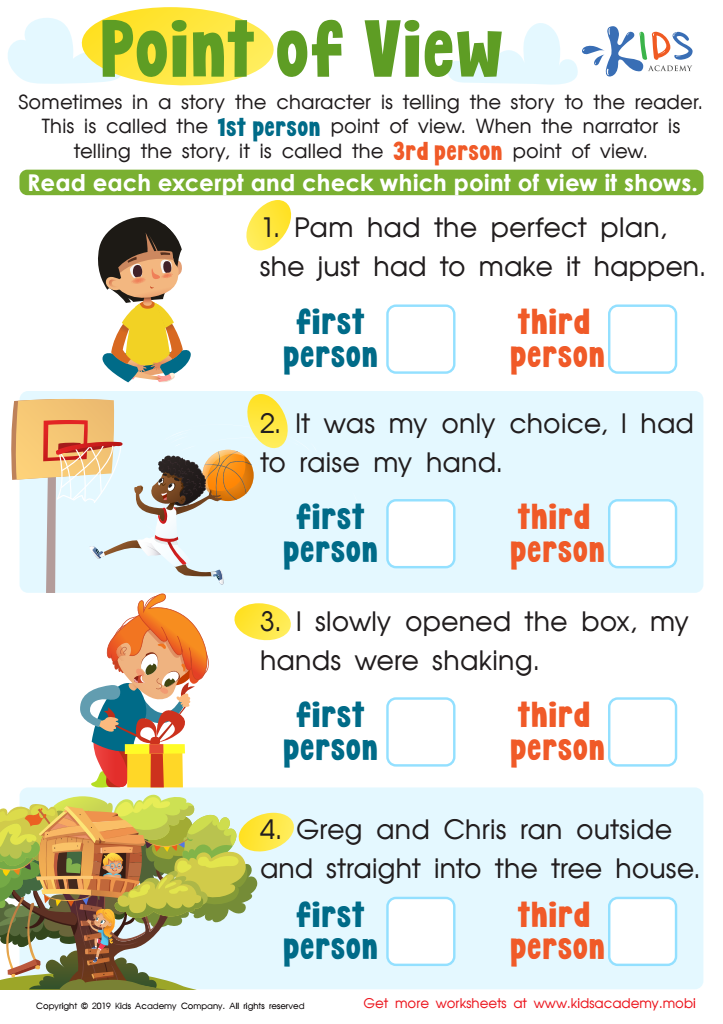
Point of View Printable
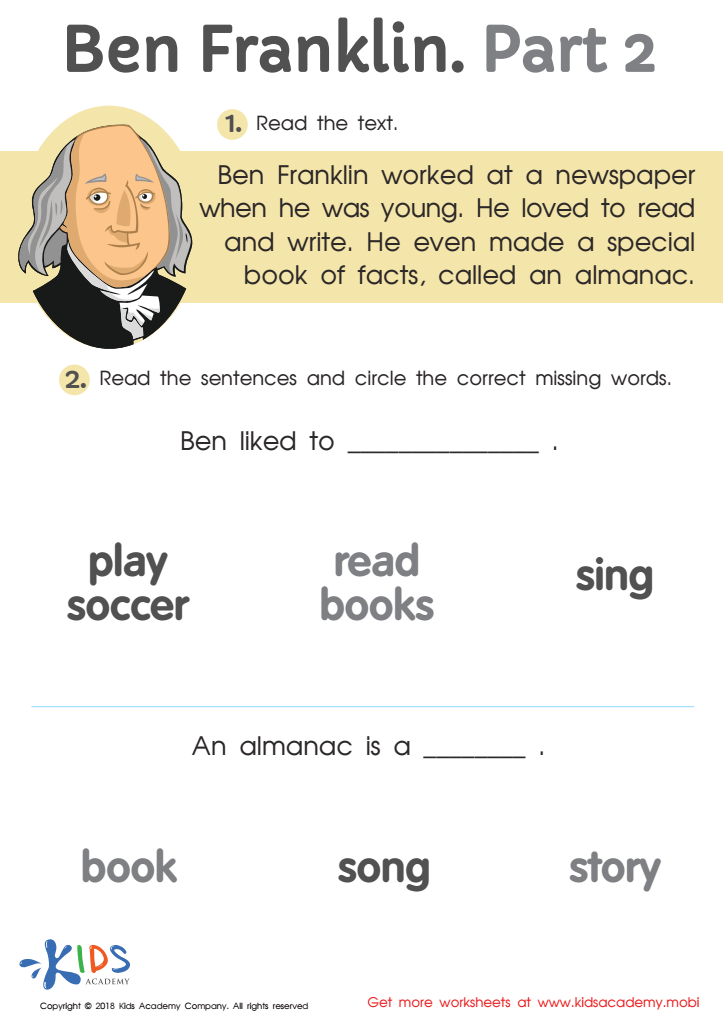
Ben Franklin Part 2 Worksheet
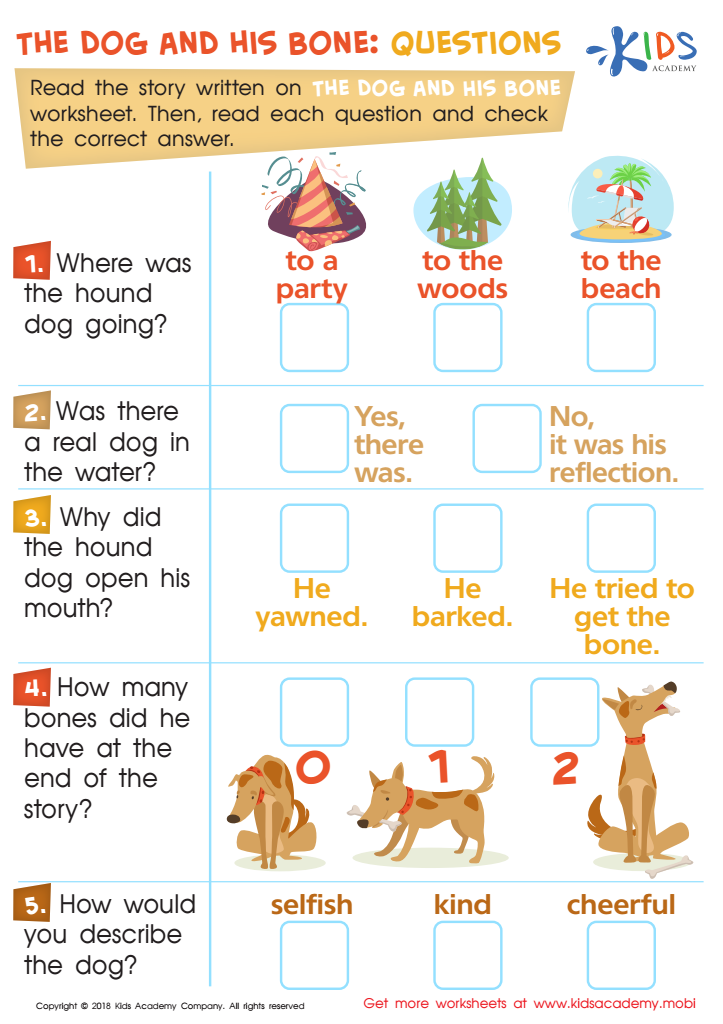
The Dog and His Bone: Questions Worksheet
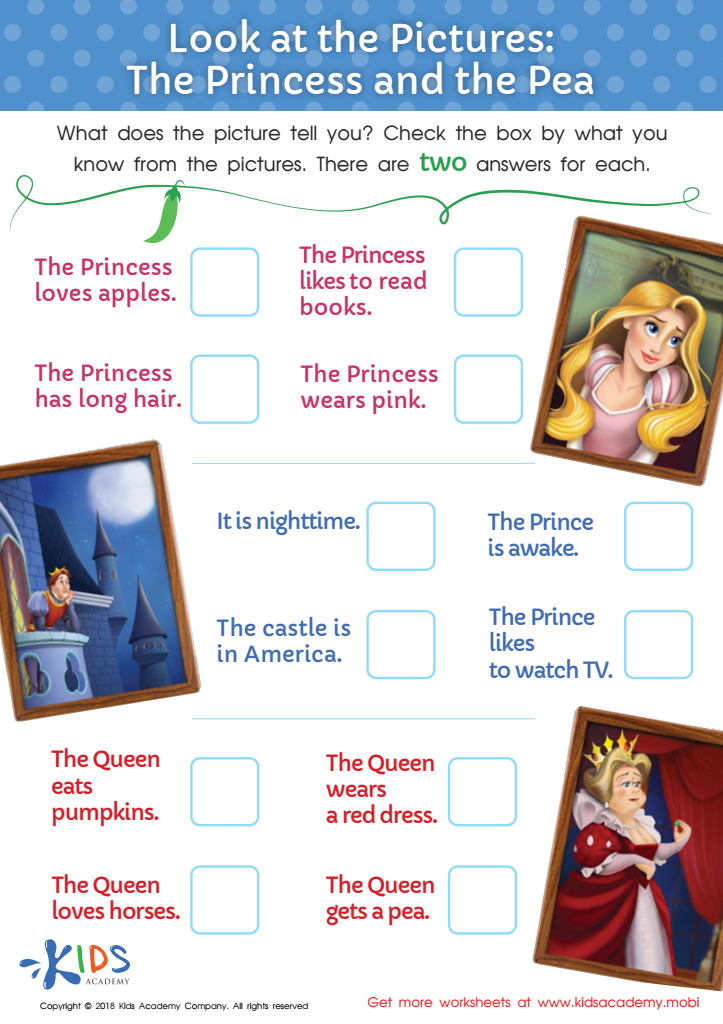
Look at the Pictures: The Princess and the Pea Worksheet
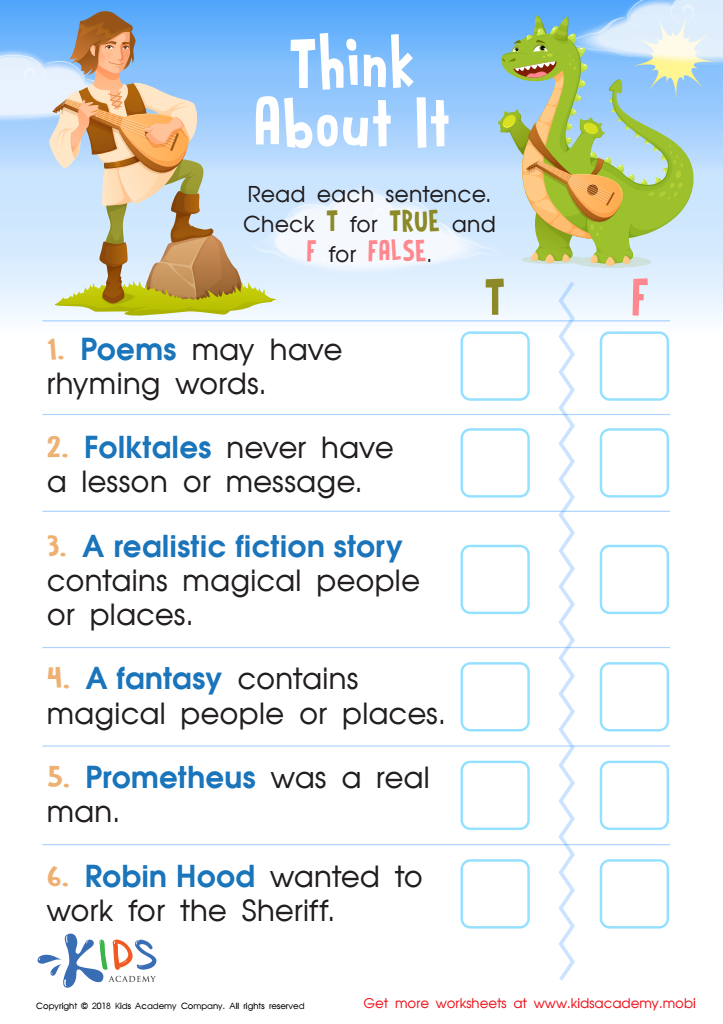
Think About It: Assessment Worksheet
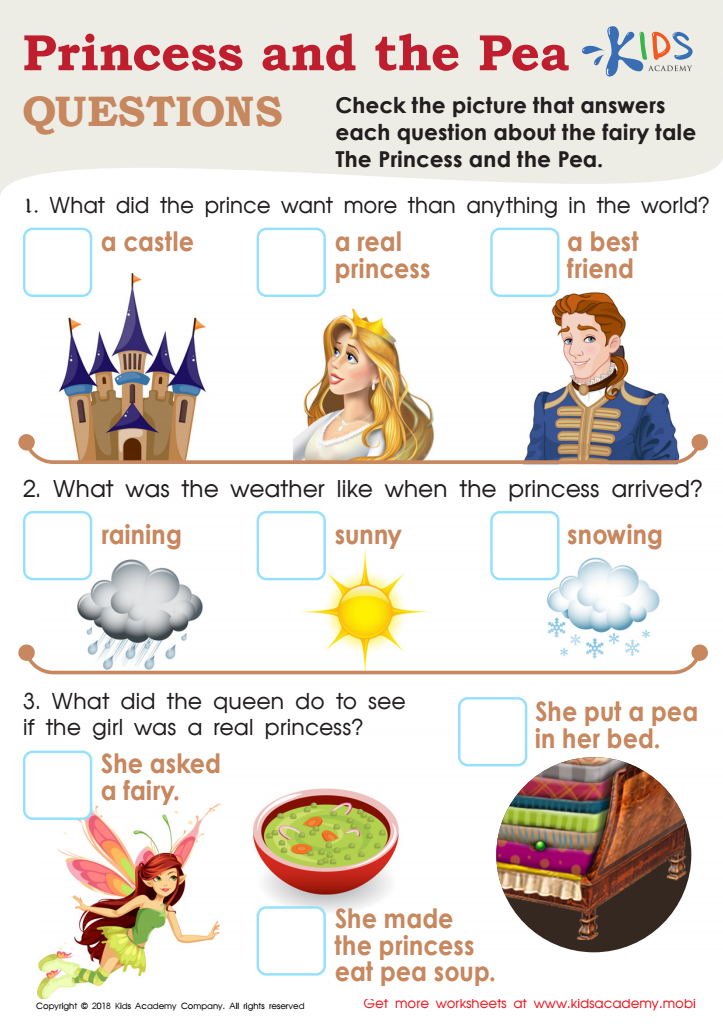
Princess and the Pea Questions Worksheet







Parents and teachers should prioritize Critical Thinking Normal Reading for ages 4-9 because it equips young learners with essential cognitive skills that are foundational for academic success and lifelong learning. At this age, children are naturally curious and developing their comprehension abilities; fostering critical thinking during this formative period encourages them to ask questions, analyze information, and draw conclusions from texts. By engaging with reading materials that promote critical thinking, children learn to evaluate different perspectives and think creatively.
Incorporating critical thinking skills into reading activities can enhance children's language development, improve problem-solving abilities, and boost their confidence in expressing thoughts and opinions. It also prepares them for more advanced literacy tasks as they progress through school, where analytical skills are crucial for subjects like science, mathematics, and social studies.
Moreover, nurturing critical thinking through reading cultivates a sense of empathy and understanding of complex social issues, which is vital for developing responsible and engaged citizens. Encouraging young learners to think critically fosters a love for reading that explores diverse themes and ideas, enriching their intellectual and emotional growth. Ultimately, prioritizing critical thinking in reading can set children on a path to become thoughtful, informed individuals.








