Logical thinking Normal Reading Worksheets for Ages 4-9
6 filtered results
-
From - To
Discover our engaging "Logical Thinking Normal Reading Worksheets" designed for children ages 4-9. These worksheets offer an interactive approach to developing critical thinking skills alongside reading comprehension. Packed with fun exercises, kids will enhance their ability to solve problems, recognize patterns, and make connections in stories. Each worksheet provides a unique blend of reading activities tailored to foster logical reasoning in young learners. Our resources are perfect for parents and educators looking to make learning enjoyable while building essential cognitive skills. Empower your child's reading journey and encourage analytical thinking with our thoughtfully crafted worksheets today!
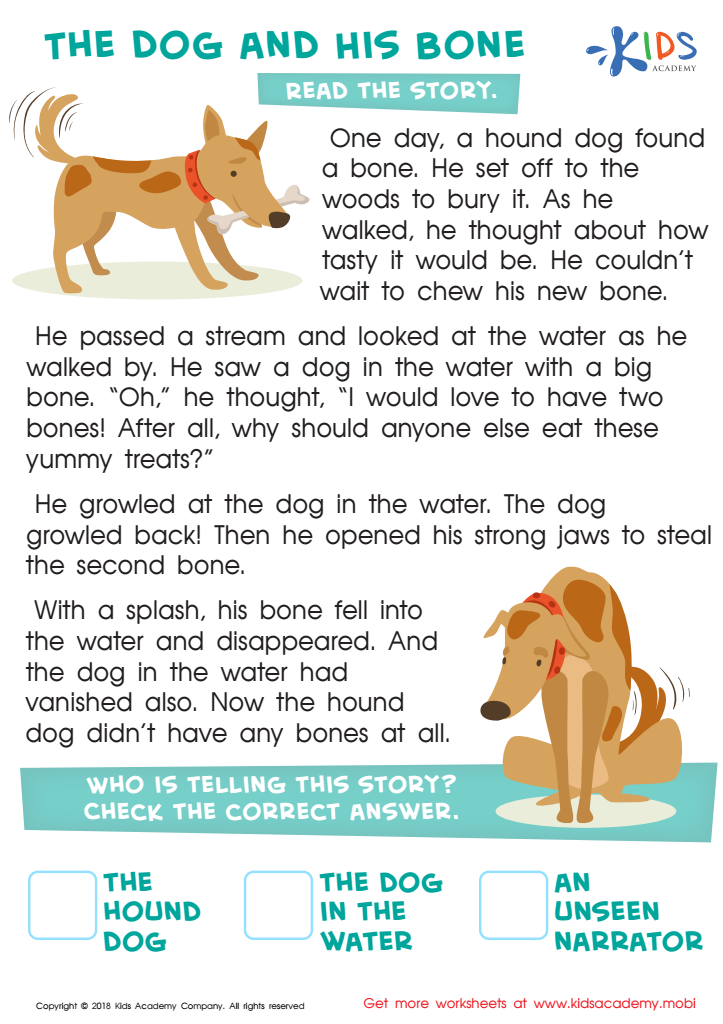
The Dog and His Bone Worksheet
 Assign to My Students
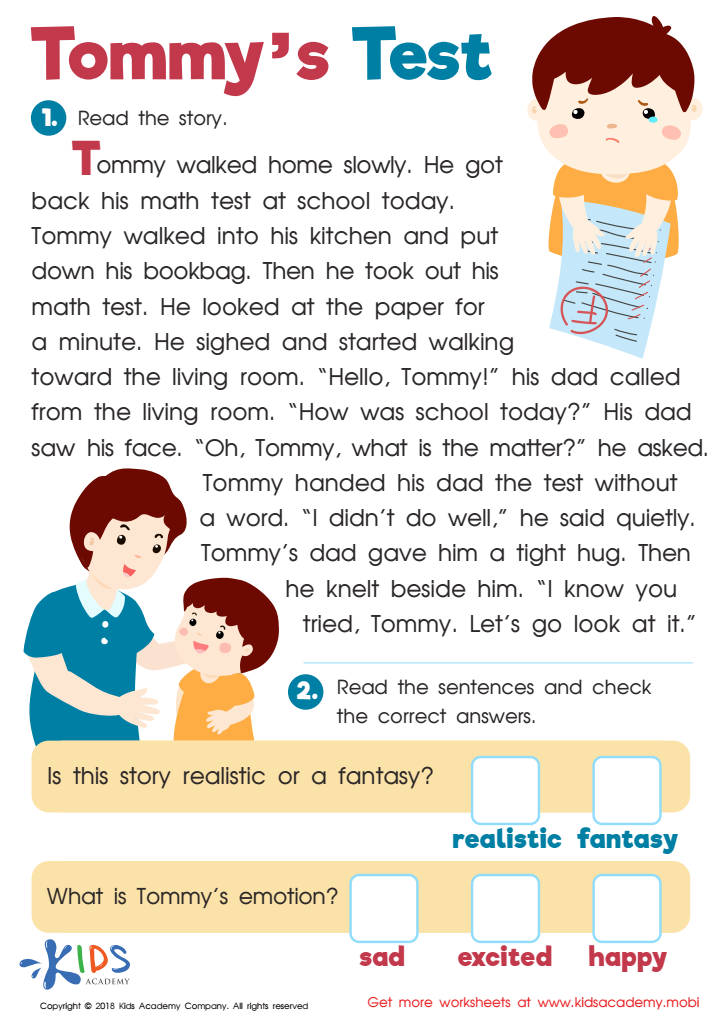
Tommys Test Worksheet
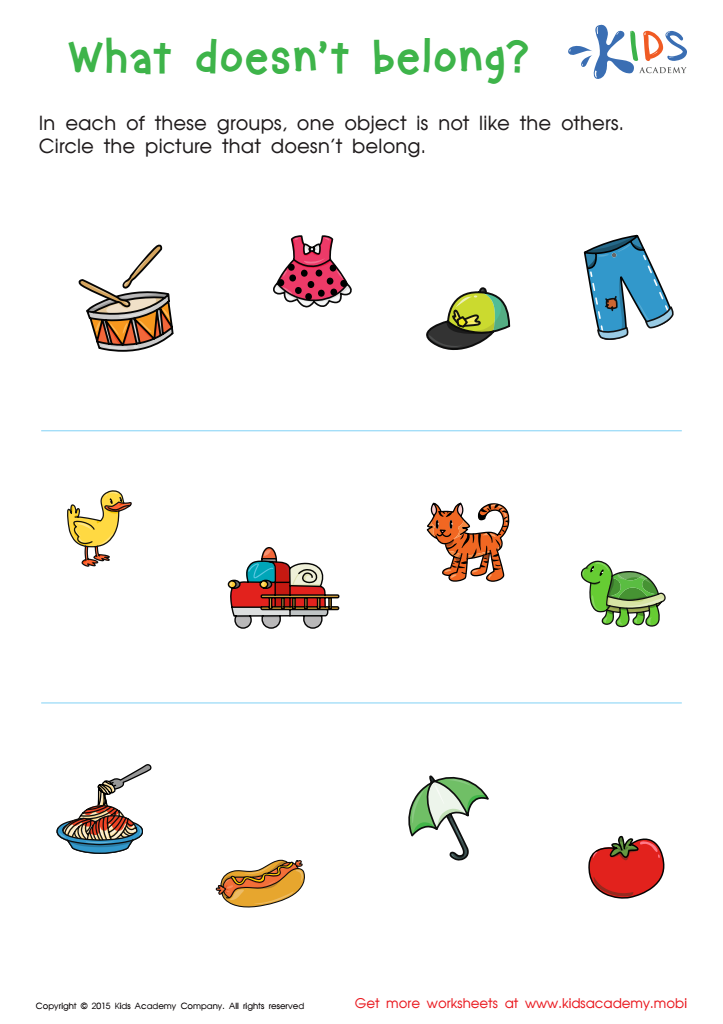
First Words: What Doesn't Belong Worksheet
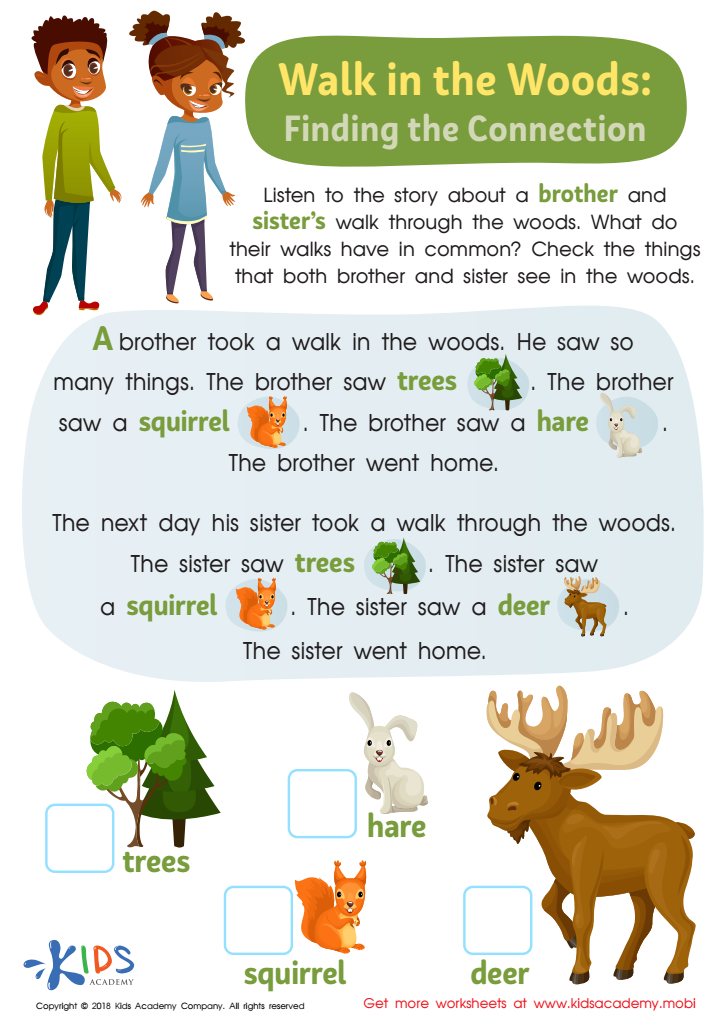
Walk In the Woods: Finding Connections Worksheet
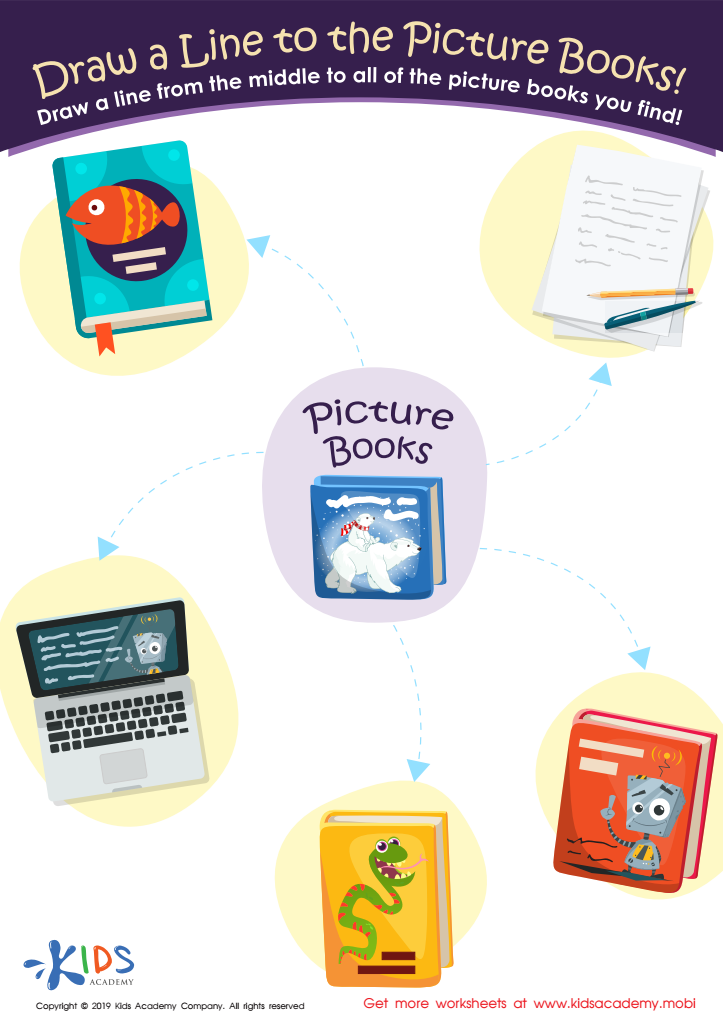
Draw a Line to the Picture Books Worksheet
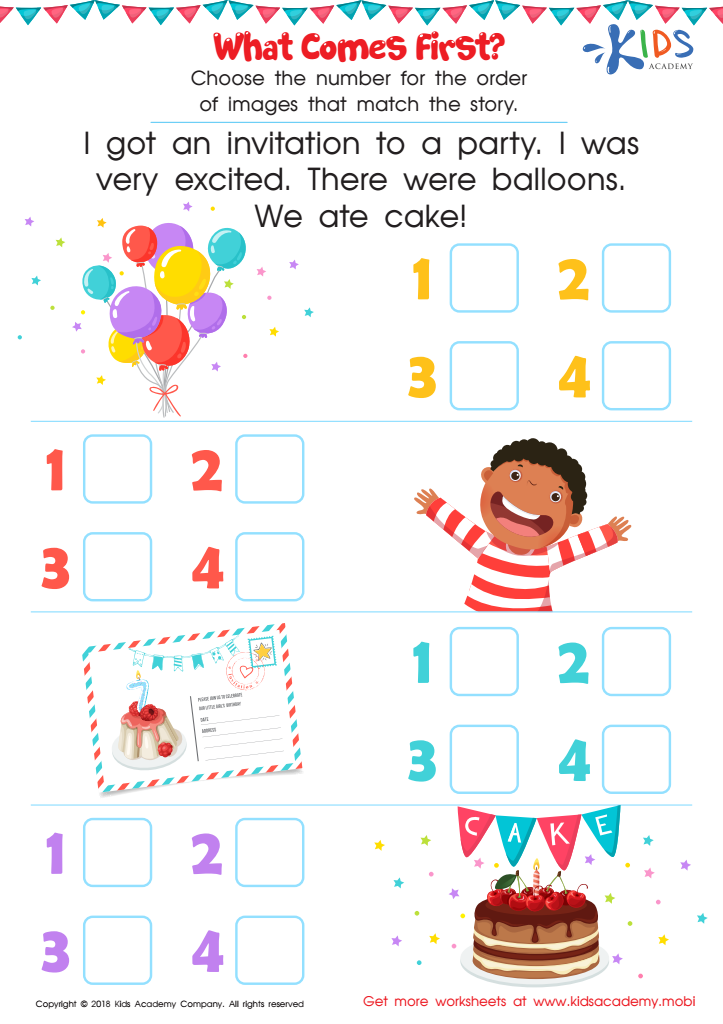
What Comes First Worksheet








Logical thinking and reading skills are crucial for children aged 4-9, as they form the foundation for future learning and problem-solving abilities. Parents and teachers should prioritize developing these skills during this critical developmental period for several reasons.
First, logical thinking fosters critical reasoning, allowing children to approach problems systematically and make informed decisions. Engaging in activities that promote logical reasoning helps kids learn to analyze situations, recognize patterns, and devise solutions, equipping them with skills essential for lifelong learning.
Second, early reading proficiency is vital for academic success. When children read well, they can comprehend and engage with a broader range of subjects. Reading enhances vocabulary, improves comprehension, and sparks curiosity—qualities that drive a child's desire to learn.
Lastly, integrating logical thinking into reading transforms a seemingly simple book into an interactive experience. When children can think critically about what they read, summarize stories, and predict outcomes, it deepens their understanding and enjoyment of literature.
By nurturing logical thinking and reading in young children, parents and teachers not only support academic achievement but also encourage creativity, social skills, and emotional intelligence, enabling children to navigate a complex world.Building these skills in early childhood is essential for setting kids on a path toward success.








