Visual perception improvement Normal Science Worksheets for Ages 4-9
3 filtered results
-
From - To
Enhance your child's visual perception skills with our expertly designed Normal Science Worksheets for ages 4-9. Developed to strengthen essential skills through engaging, visually stimulating activities, these worksheets help kids distinguish shapes, patterns, and colors, fostering better attention to detail and critical thinking. Each worksheet is tailored to captivate young minds while advancing their learning abilities in a fun and inspiring way. Ideal for both classroom and home use, these activities promote effective learning through play. Give your child the advantage they deserve with our professionally crafted visual perception improvement worksheets, guiding young learners towards academic success.
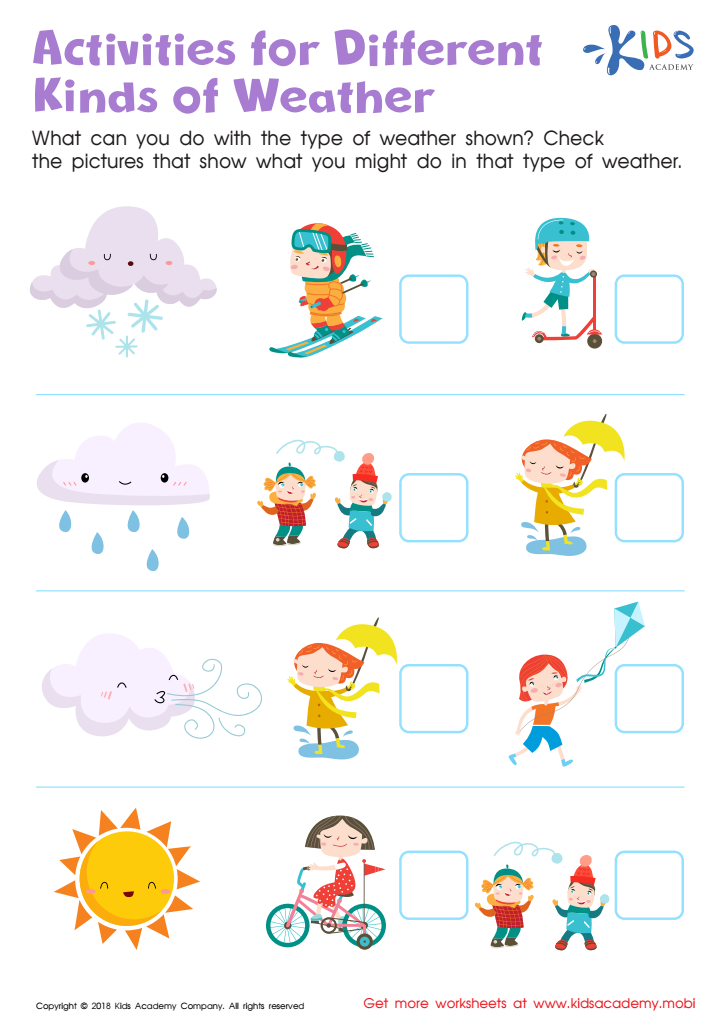
Activities for Different Kinds of Weather Worksheet
 Assign to My Students
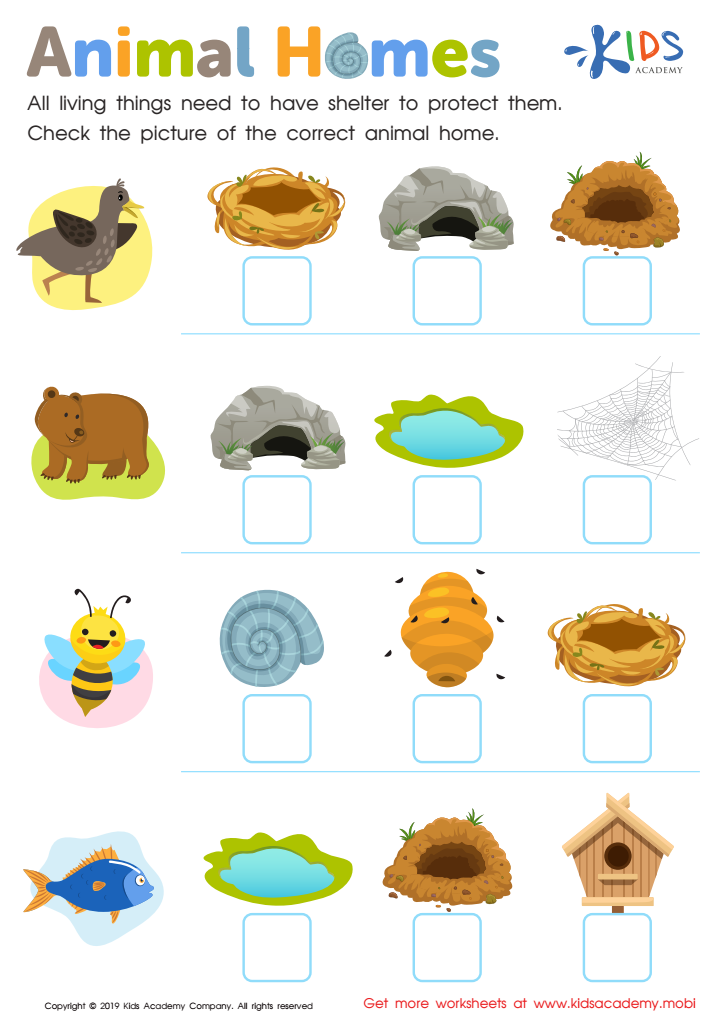
Animal Homes Worksheet
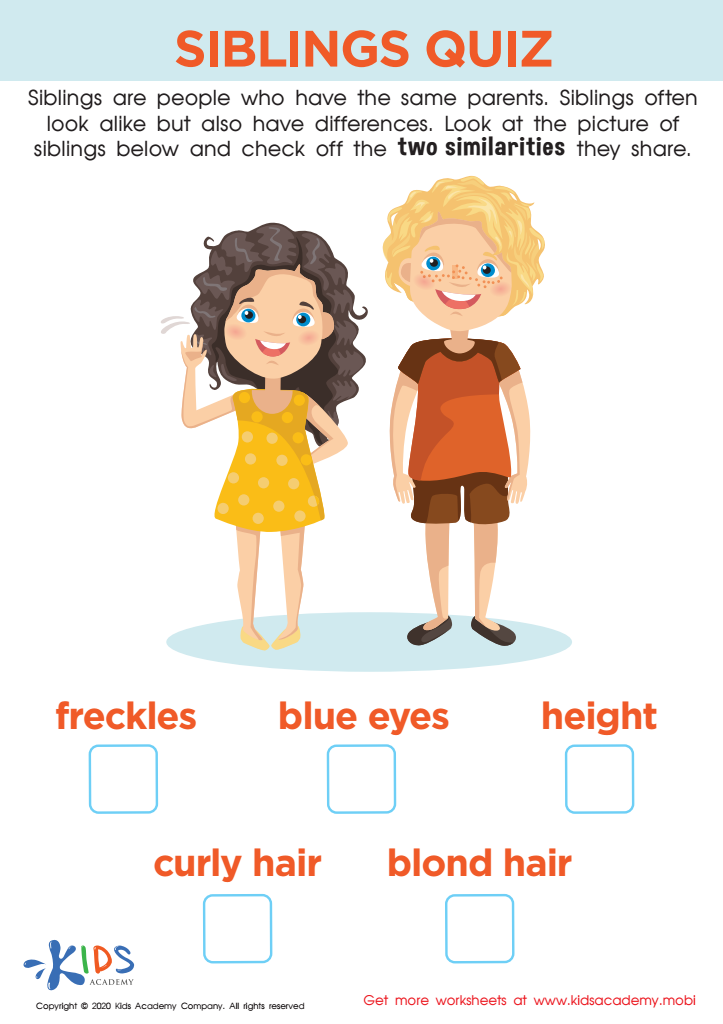
Siblings Quiz Worksheet








Visual perception is a critical aspect of cognitive development for children ages 4-9. It involves the brain's ability to interpret and make sense of what the eyes see. Improving visual perception can significantly benefit a child’s academic success and overall development. Here’s why parents and teachers should care:
-
Academic Skills: Visual perception is foundational for reading, writing, and mathematics. It aids in recognizing letters, numbers, and shapes, which are crucial for literacy and numeracy skills. Poor visual perception can lead to difficulties in these areas, impacting a child’s performance in school.
-
Motor Skills Development: Tasks that involve hand-eye coordination, such as cutting with scissors, drawing, or playing sports, rely heavily on visual perception. Enhanced visual skills support better coordination and physical development.
-
Problem Solving and Cognitive Abilities: Visual reasoning and the ability to mentally manipulate objects are part of problem-solving mechanisms. Activities that improve visual perception can help children become better at solving puzzles and understanding spatial relationships.
-
Daily Activities: Everyday activities, such as navigating spaces, organizing belongings, and interacting with peers, are easier for children with well-developed visual perception. These skills enable greater independence and confidence.
Improving visual perception through structured activities and exercises can thus support comprehensive childhood development, setting a strong foundation for lifelong learning and functioning.







