Vocabulary enhancement Normal Science Worksheets for Ages 4-9 - Page 2
41 filtered results
-
From - To
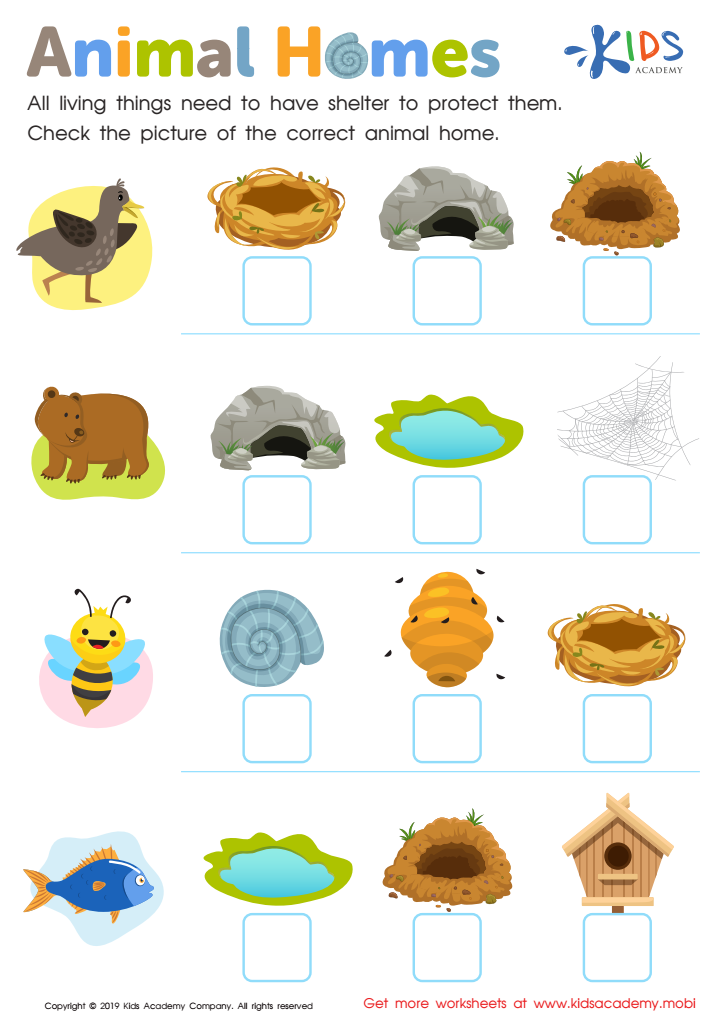
Animal Homes Worksheet
 Assign to My Students
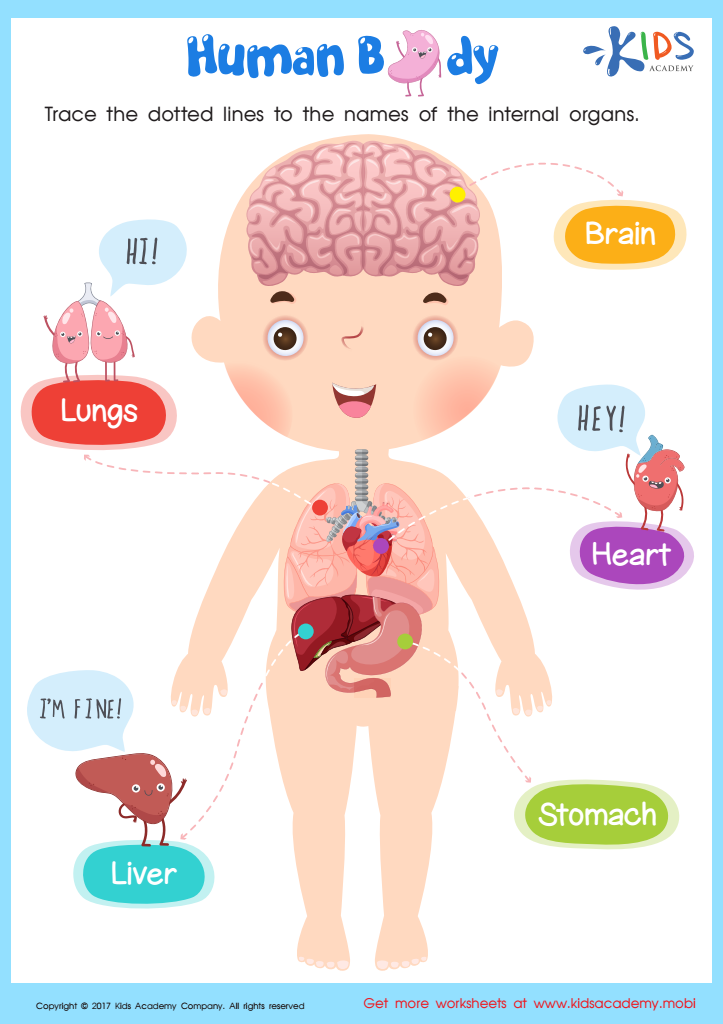
Human Body Worksheet
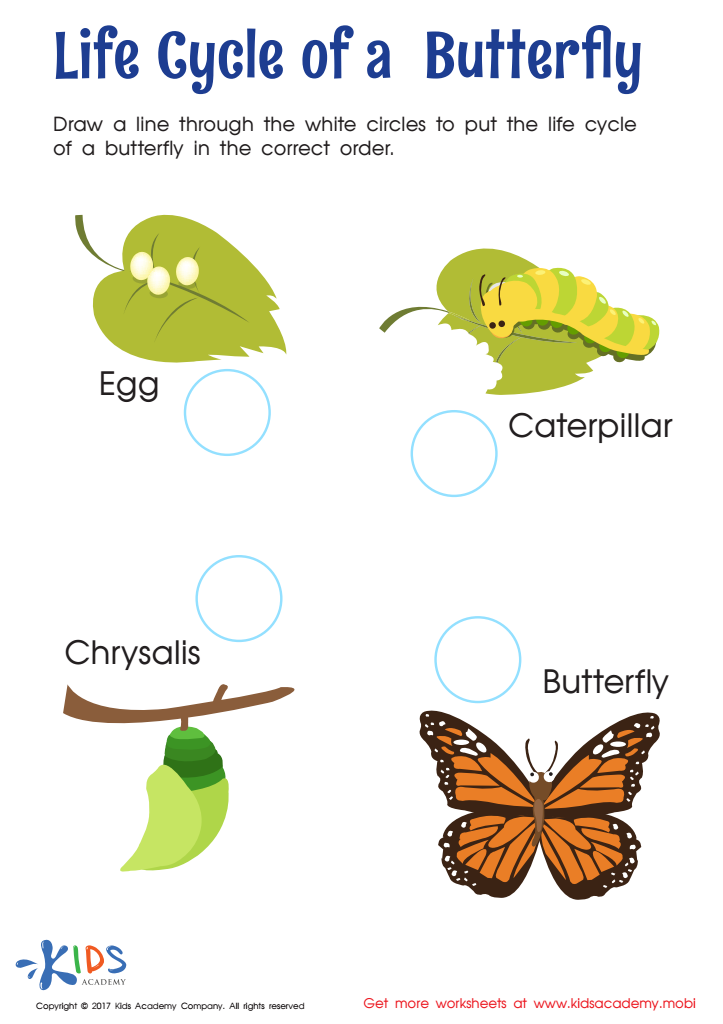
Life Cycle of Butterfly Worksheet
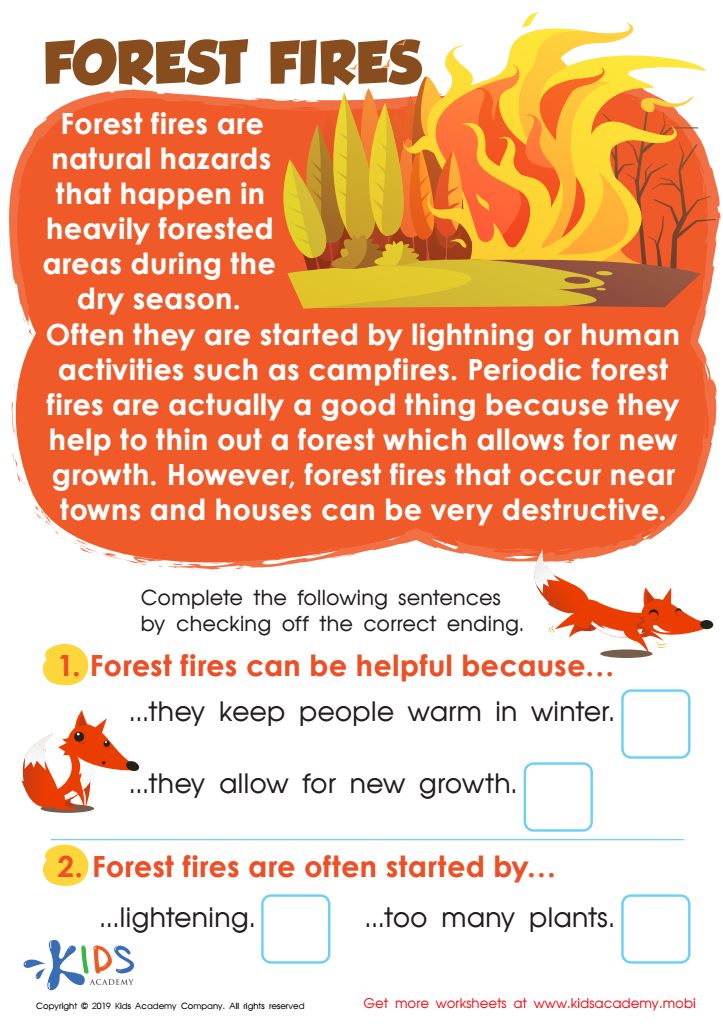
Forest Fires Worksheet
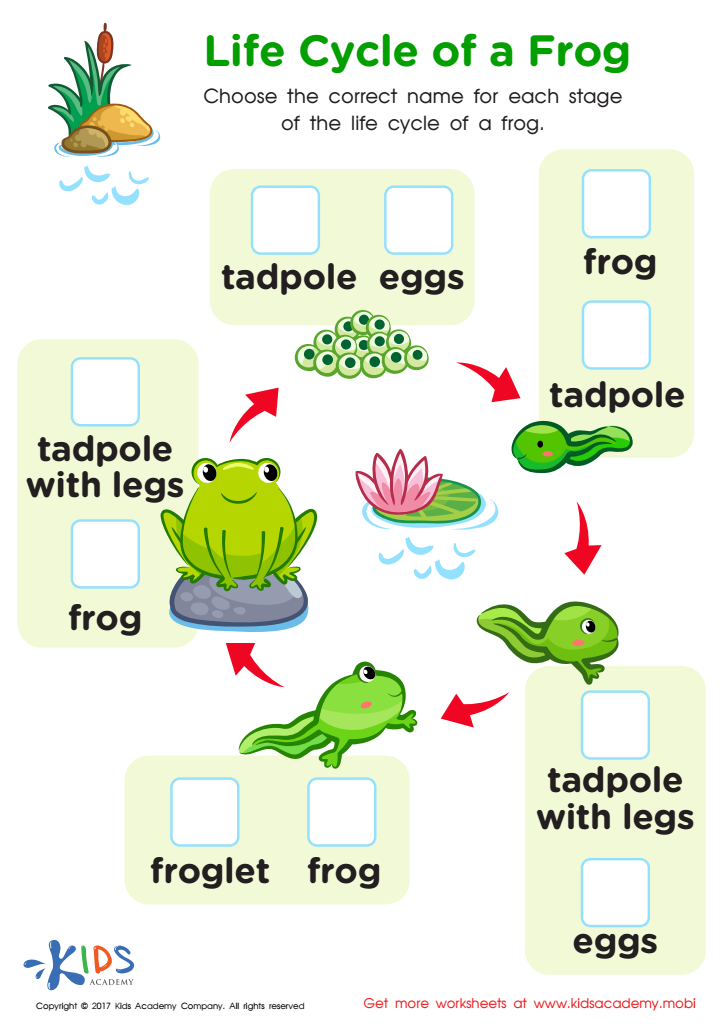
Life Cycle Frog Printable
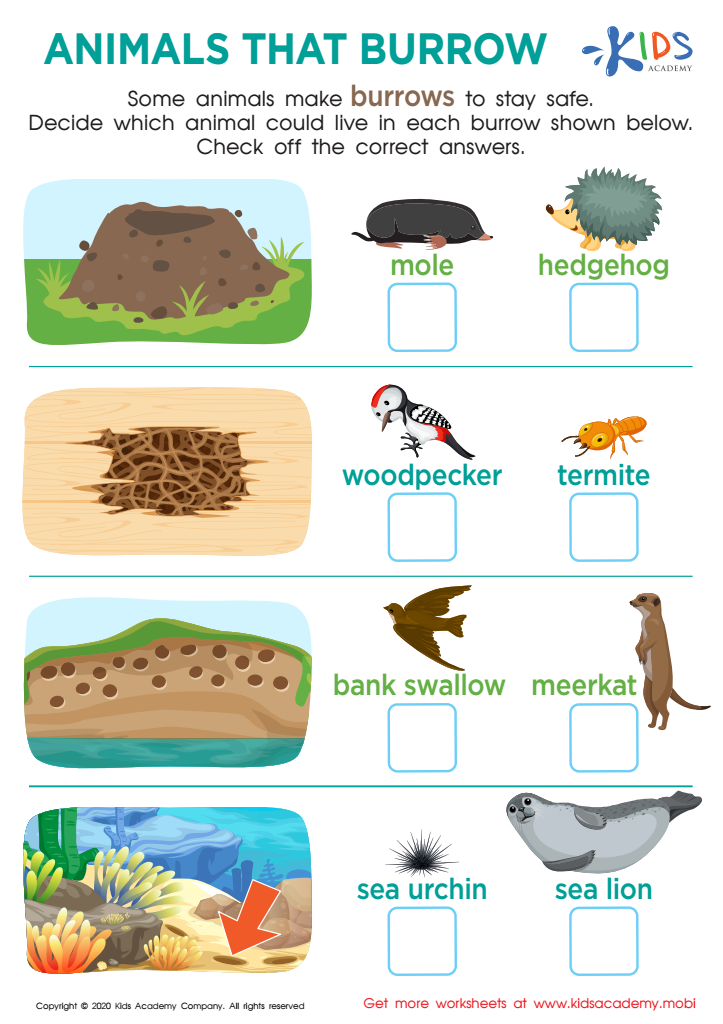
Animals That Burrow Worksheet
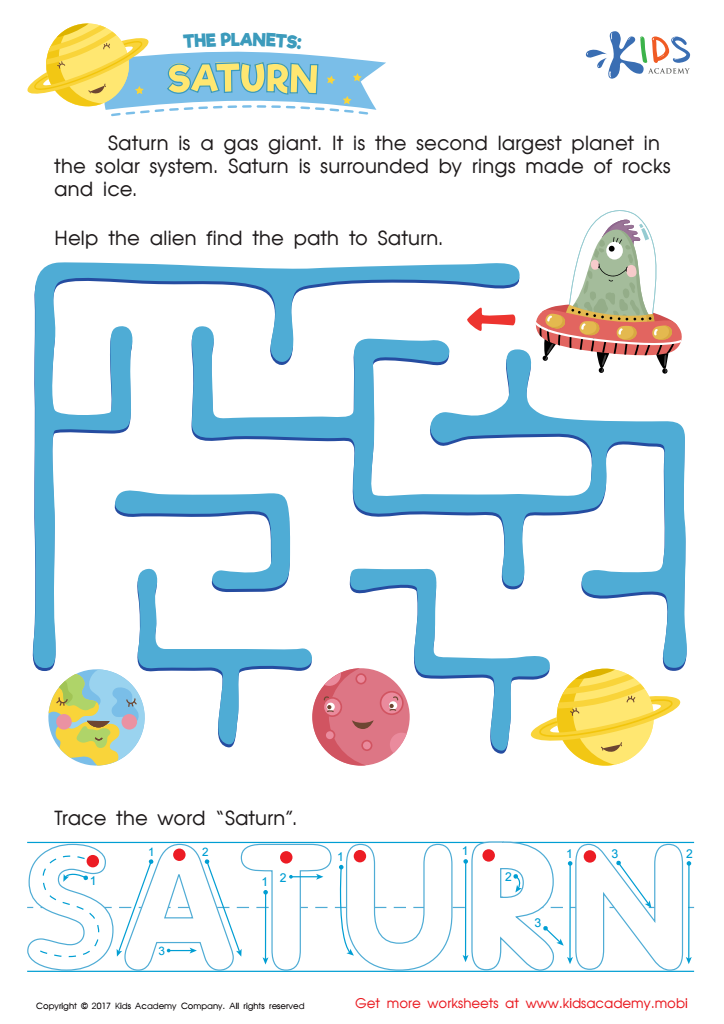
The Planets: Saturn Printable
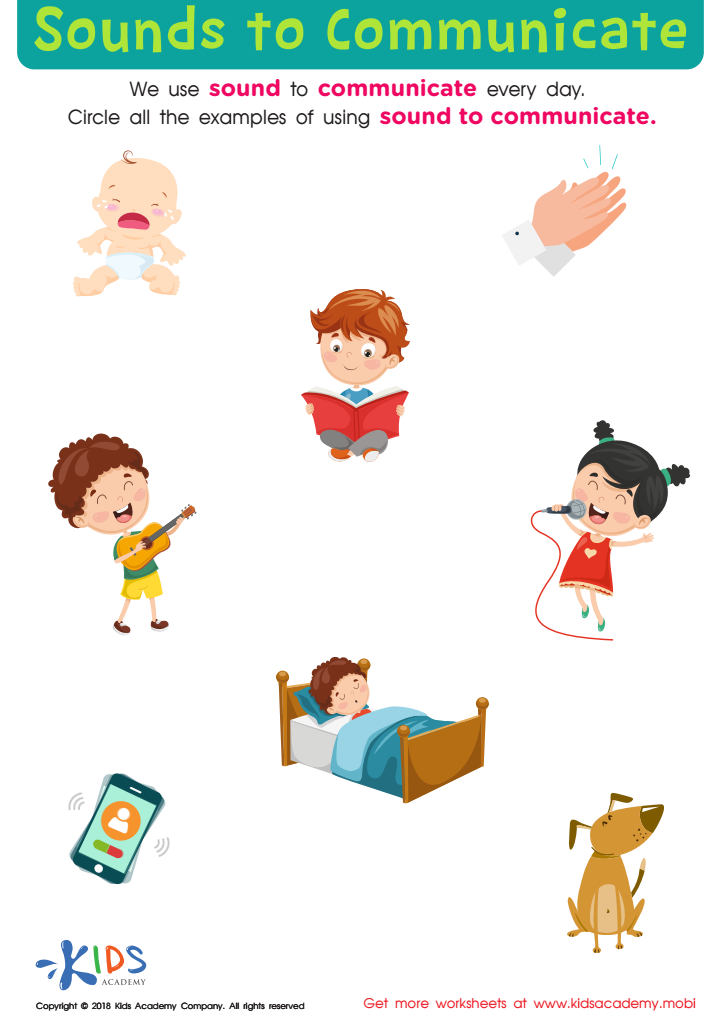
Sounds to Communicate Worksheet
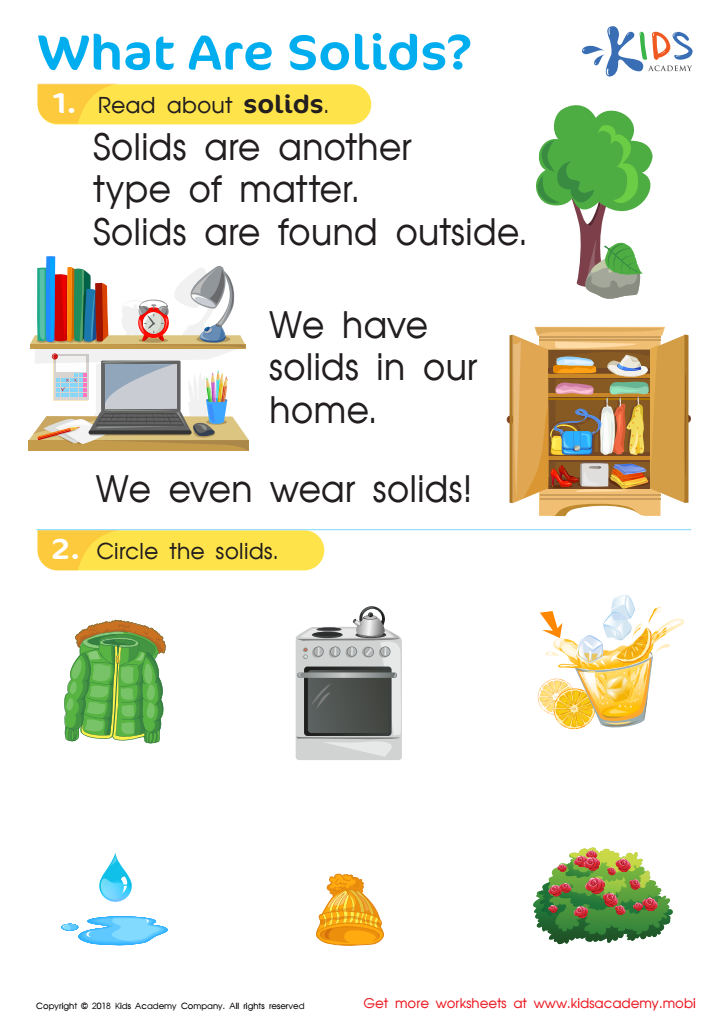
What Are Solids? Worksheet
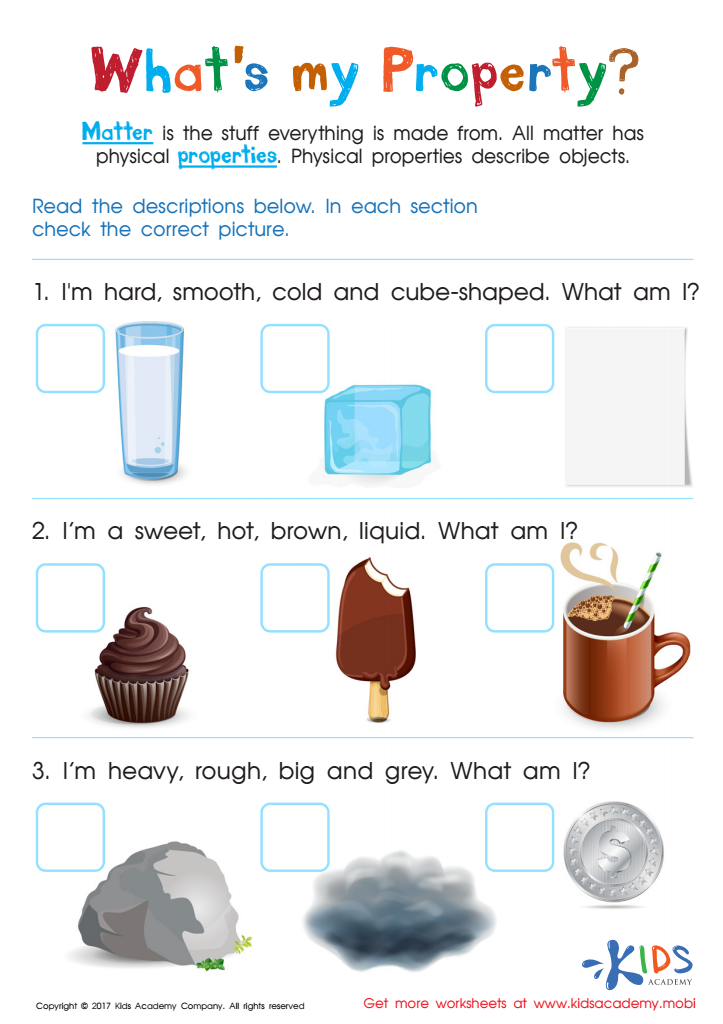
Physical Properties Of Matter Worksheet
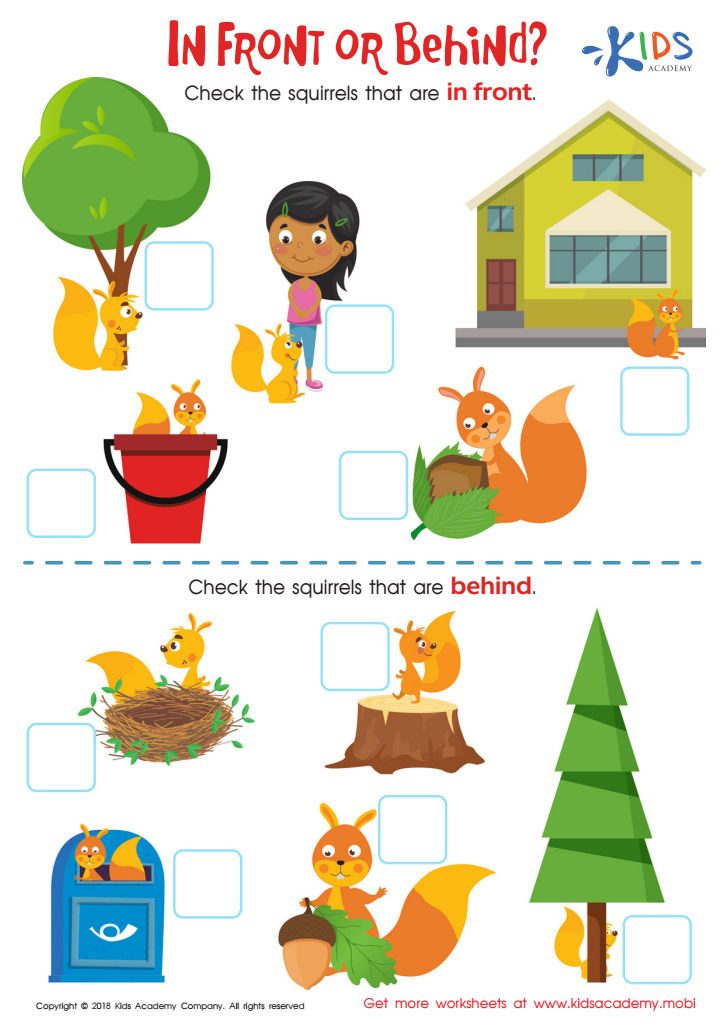
In Front or Behind: Part 2 Worksheet
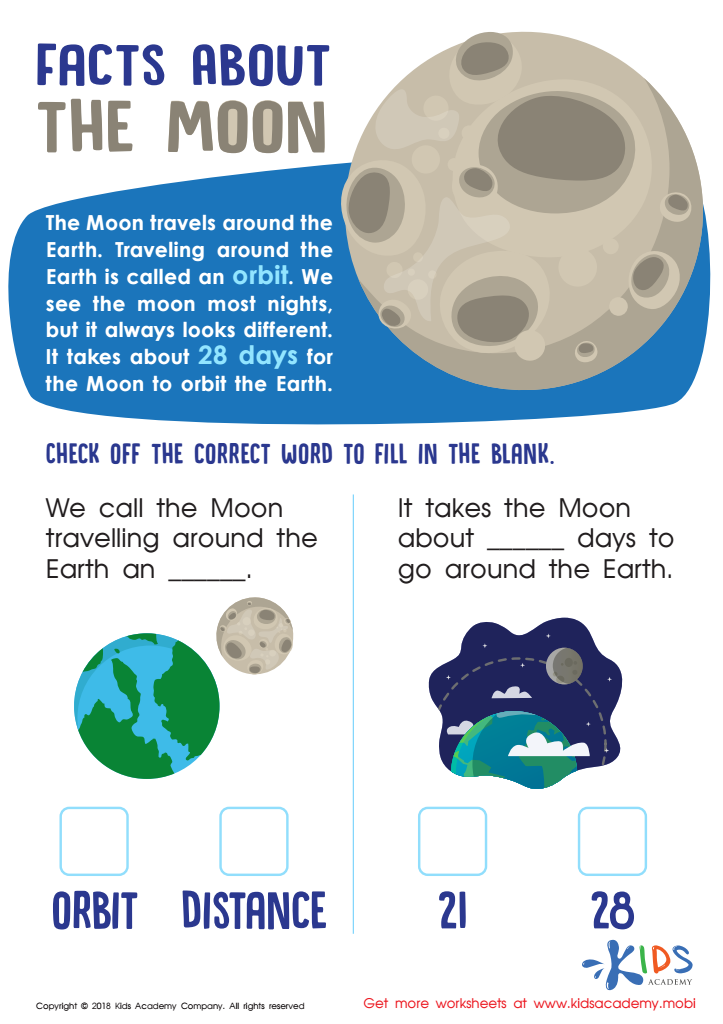
Facts About the Moon Worksheet
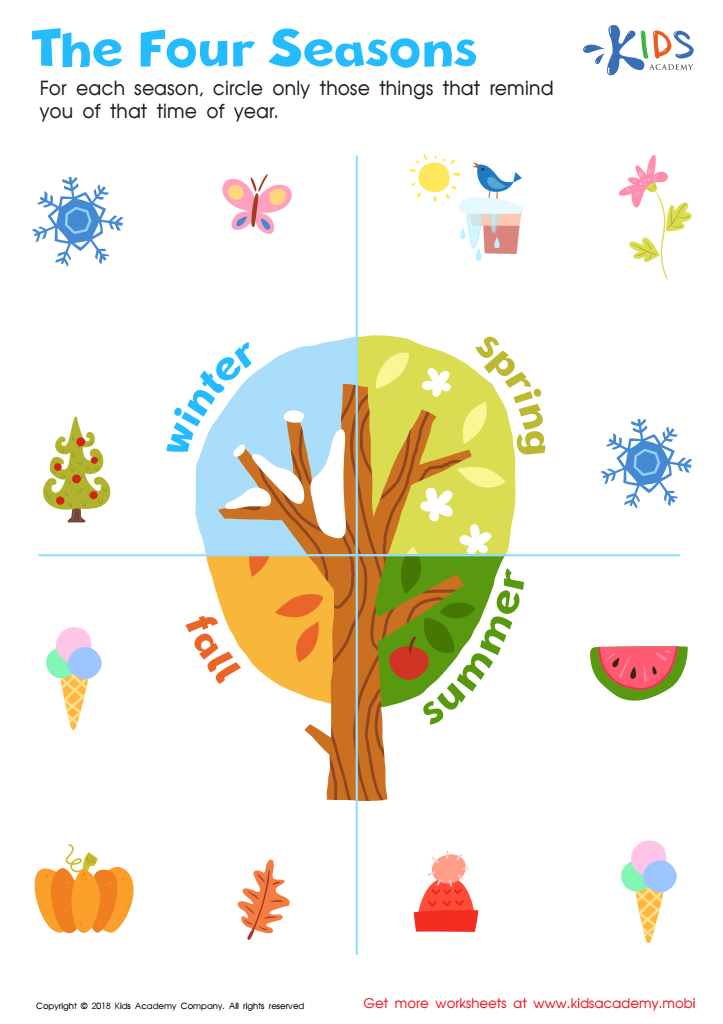
The Four Seasons Worksheet
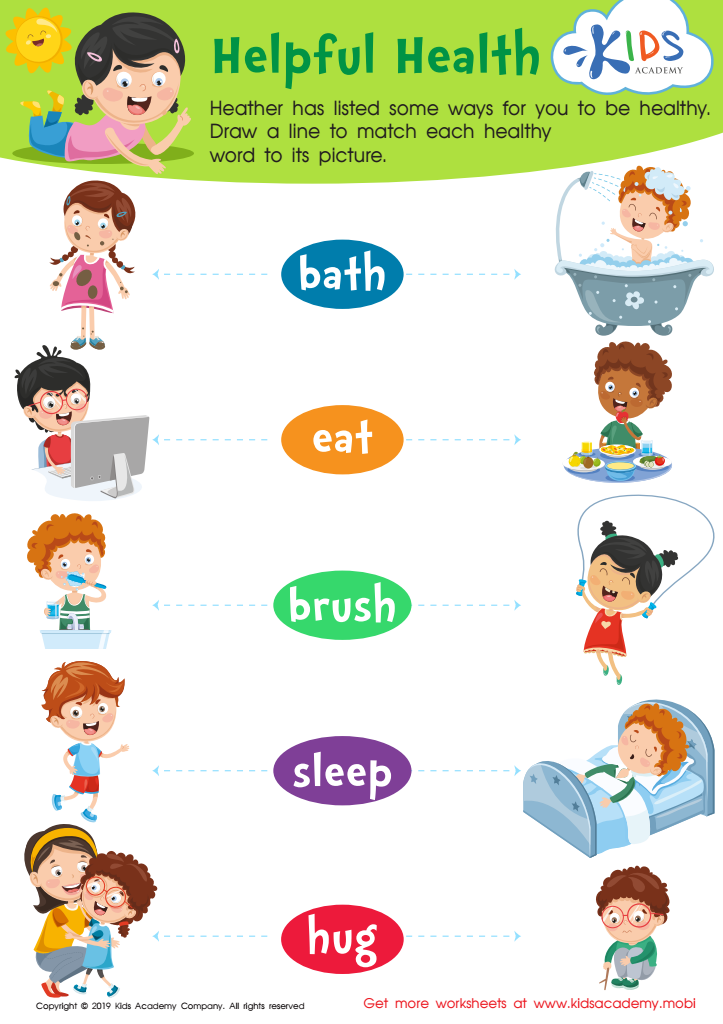
Helpful Health Worksheet
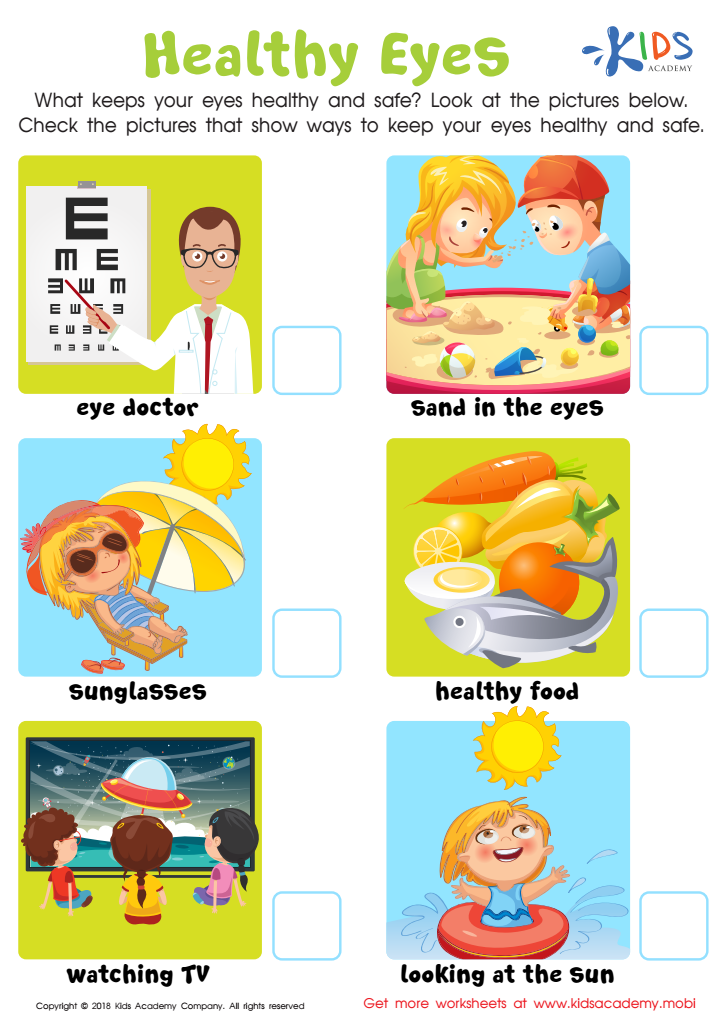
Healthy Eyes Worksheet
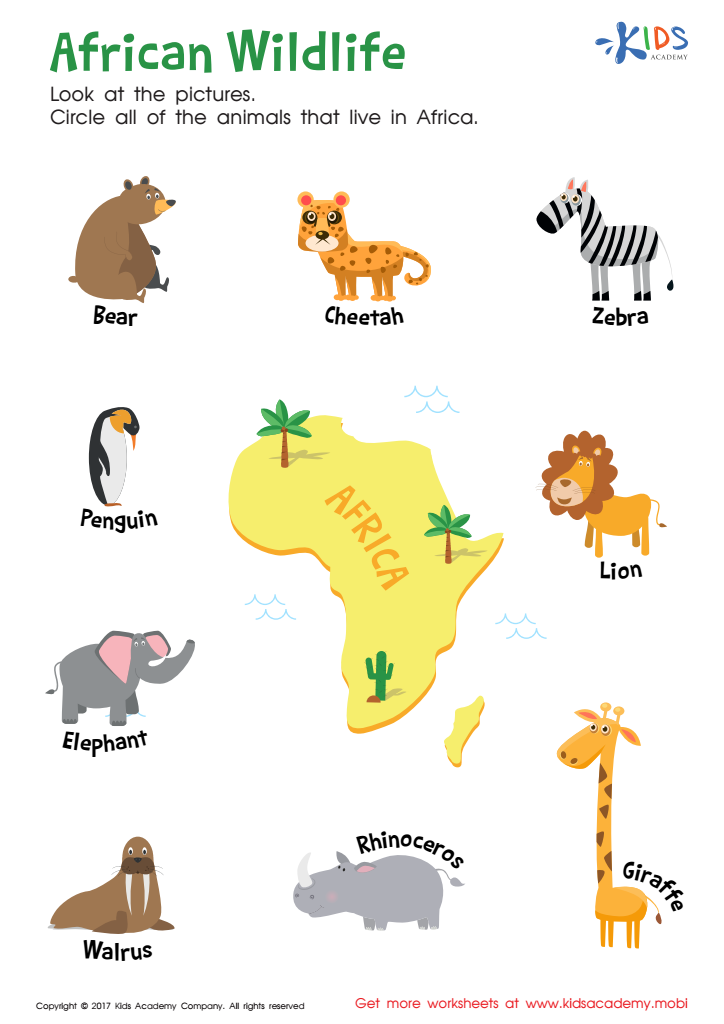







Vocabulary enhancement during the early years, particularly within the realm of normal science, is crucial for children's cognitive and linguistic development. For children aged 4-9, developing a robust scientific vocabulary fosters early curiosity and comprehension of the natural world, laying the groundwork for future academic success. Parents and teachers play a vital role in this developmental stage.
Firstly, a strong vocabulary aids in better understanding and retention of new concepts. When children are familiar with scientific terms, they can more easily grasp and explore the content. For instance, recognizing words like "habitat," "magnify," or "cycle" allows children to make connections between different scientific phenomena, promoting a deeper understanding.
Secondly, enhancing vocabulary improves children's communication skills. It empowers them to describe observations, ask questions, and engage in discussions with greater precision and confidence. This not only supports scientific inquiry but also strengthens their overall linguistic abilities.
Additionally, an enriched scientific vocabulary can spark a lifelong interest in science. Words are tools of thought; the more words children possess, the more they can think about and explore. By fostering an environment rich in scientific vocabulary, parents and teachers nurture curiosity and a passion for learning.
Ultimately, emphasizing vocabulary enhancement in early childhood normal science supports cognitive growth, academic progress, and a love for learning that can lead to sustained educational benefits.







