Understanding pollination Normal Plants and Animals Worksheets for Ages 4-9
3 filtered results
-
From - To
Explore the fascinating world of pollination with our "Understanding Pollination: Normal Plants and Animals Worksheets" designed for kids aged 4-9. These engaging, age-appropriate worksheets introduce young learners to the crucial role of pollinators in nature, helping them grasp the relationship between plants and animals. Through fun activities and colorful illustrations, children will discover how bees, butterflies, and other pollinators contribute to the growth of various plants and the importance of this process for our ecosystem. Perfect for classroom use or at-home learning, these worksheets promote curiosity and enhance science skills while fostering a love for nature. Start your child's journey into the wonders of pollination today!
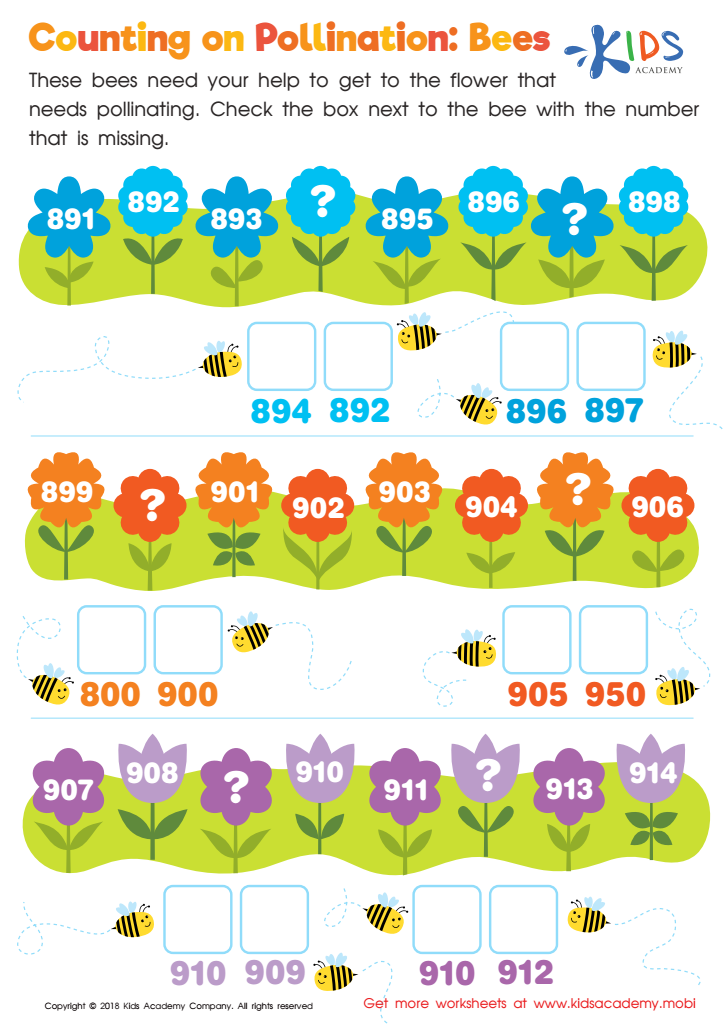
Counting on Pollination: Bees Worksheet
 Assign to My Students
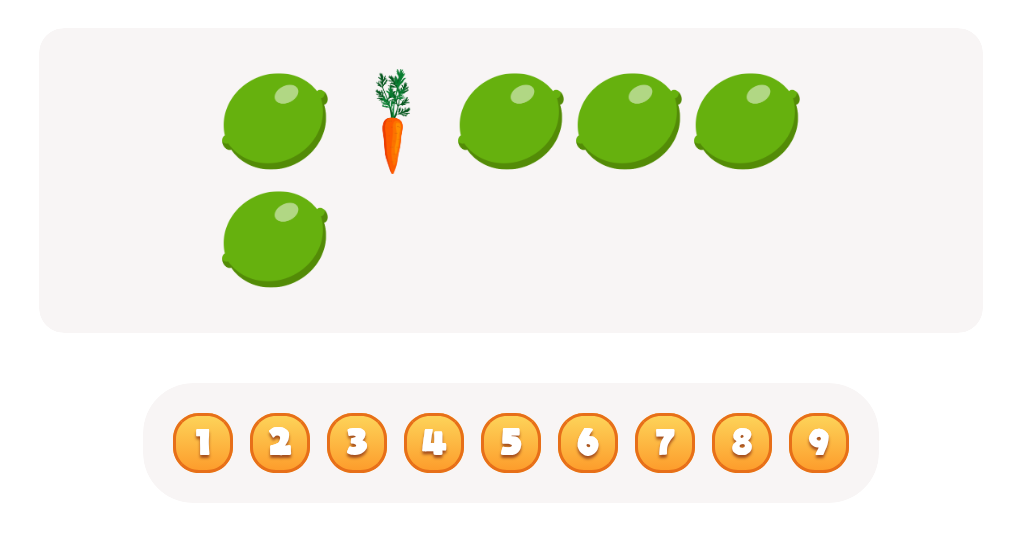

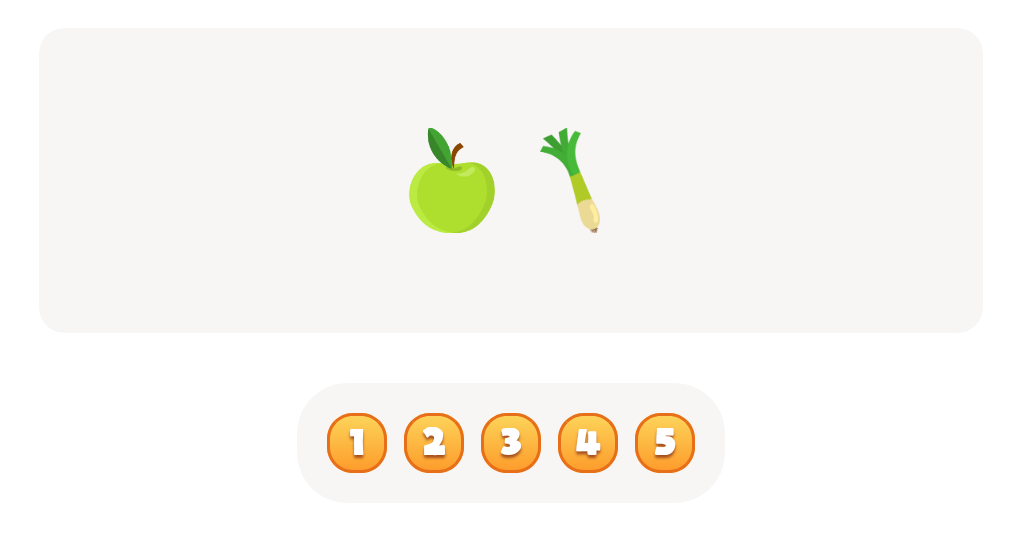
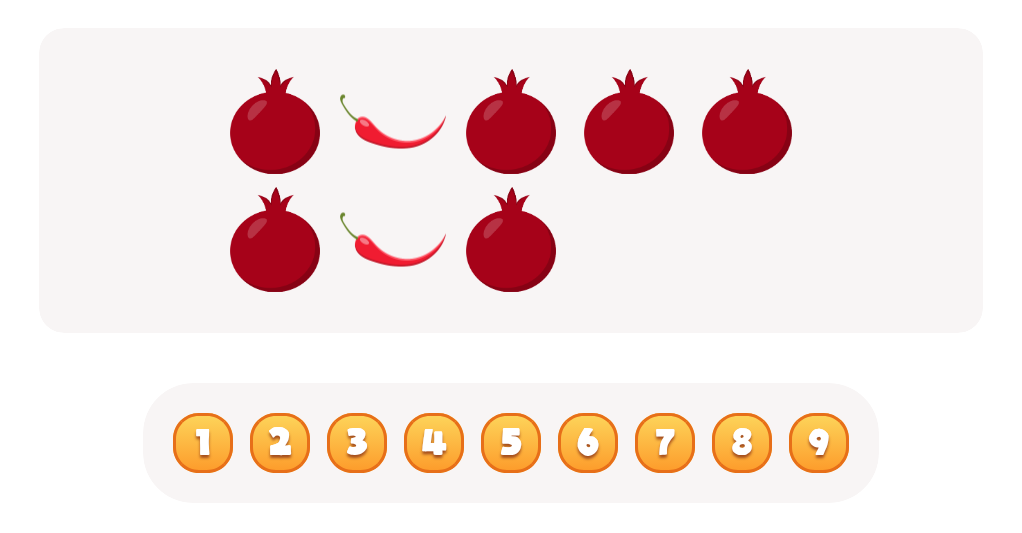
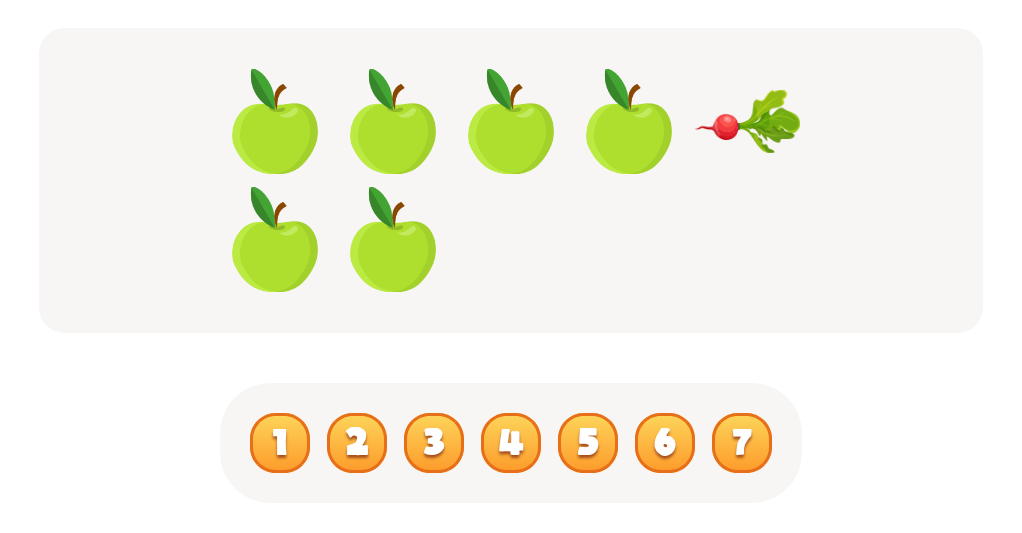
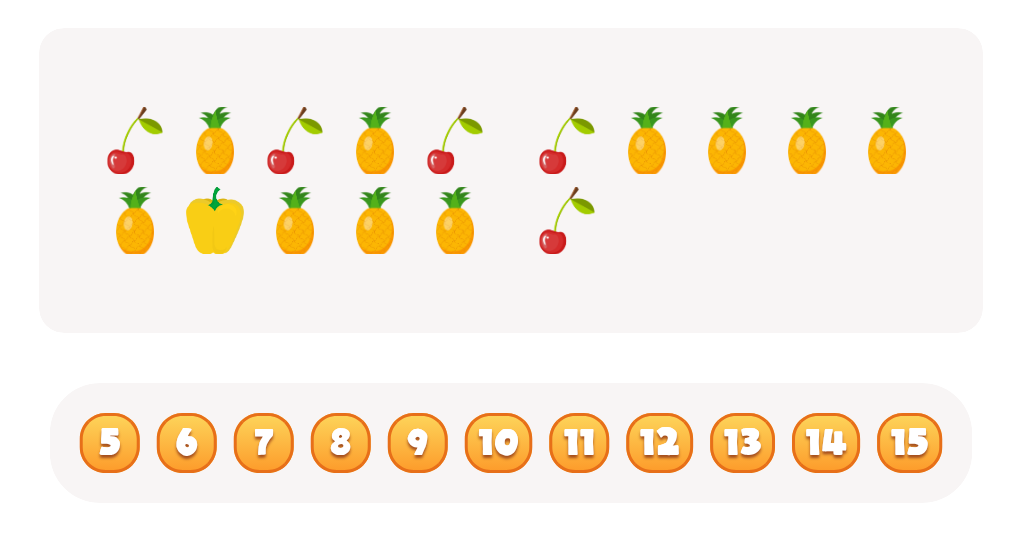
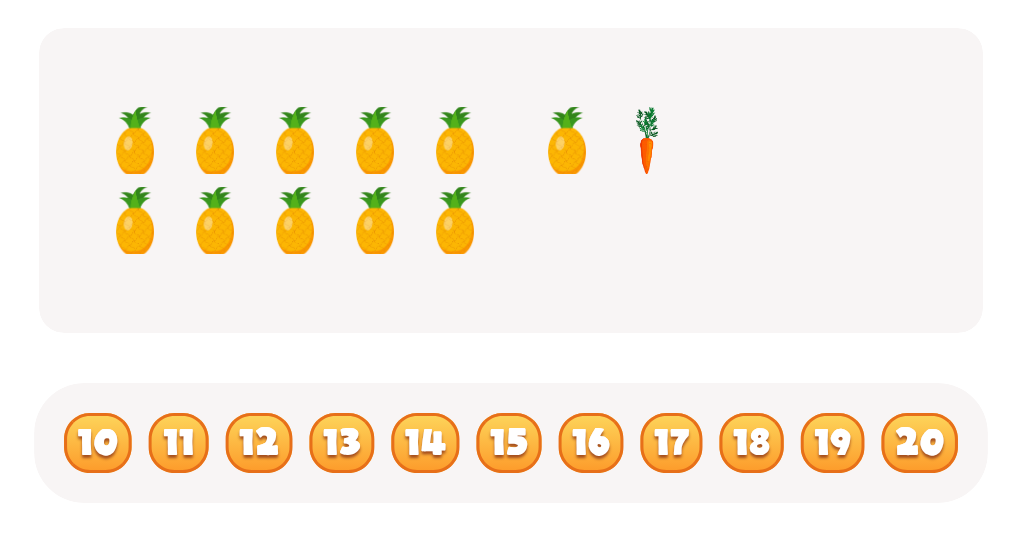
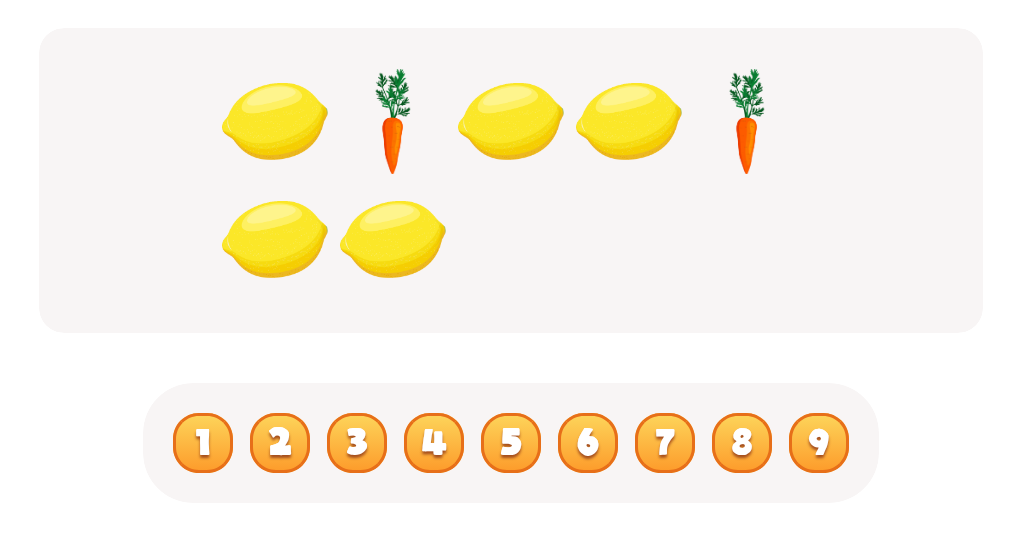
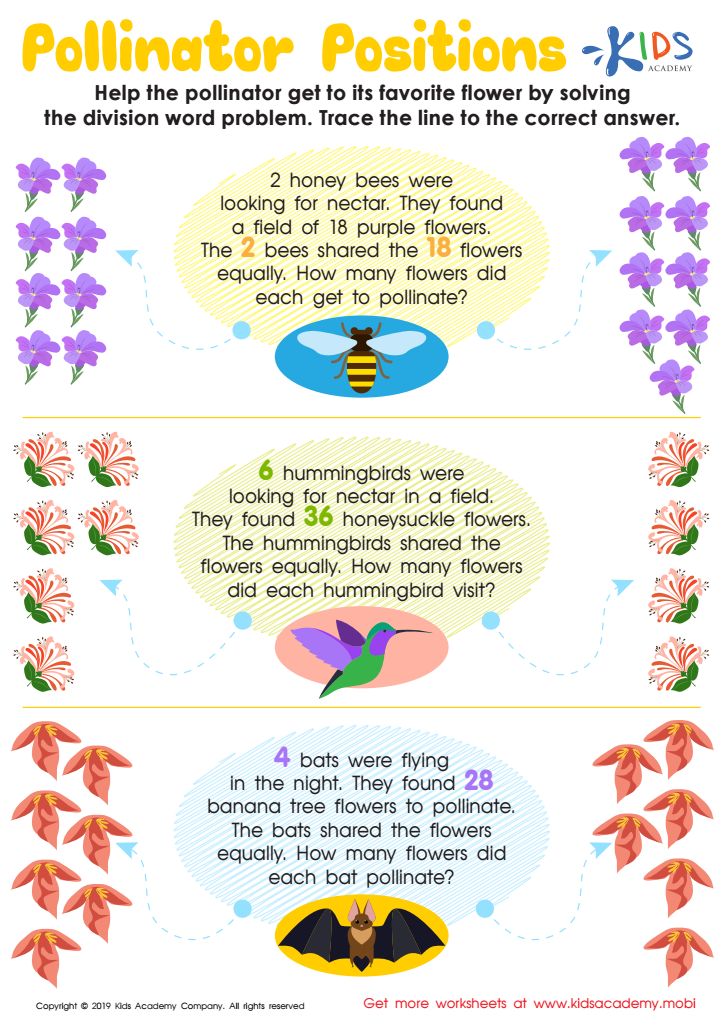
Pollinator Positions Worksheet
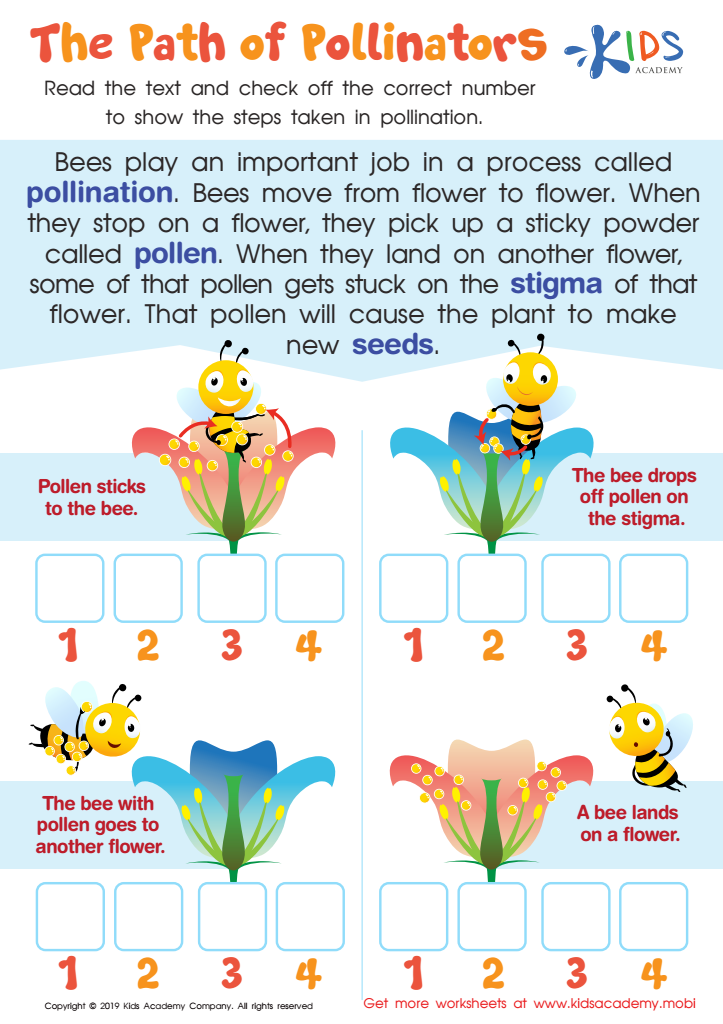
The Path of Pollinators Worksheet








Understanding pollination and the roles of normal plants and animals is crucial for children aged 4-9 for several reasons. First, early education about these topics fosters a sense of curiosity and respect for the natural world. At this age, children are naturally inquisitive, making it an ideal time to introduce them to concepts like how bees, butterflies, and other pollinators support plant reproduction and biodiversity.
Moreover, this knowledge lays the foundation for ecological awareness. Teaching kids about pollination promotes an understanding of food sources; many fruits and vegetables rely on pollinators. This connection helps children appreciate the importance of supporting the environment through practices like planting flowers and creating habitats for pollinators.
Additionally, learning about plants and animals encourages observational skills and critical thinking. Children can engage in hands-on activities like planting seeds or observing insects, reinforcing their learning and fostering a sense of responsibility towards nature.
Finally, discussing pollination and ecosystems nurtures a platform for environmental stewardship. As these children grow, they will be more likely to advocate for conservation efforts, ensuring a healthier planet for future generations. Thus, engaging with these topics can contribute to a well-rounded, responsible, and informed citizenry.







