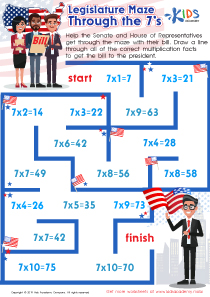
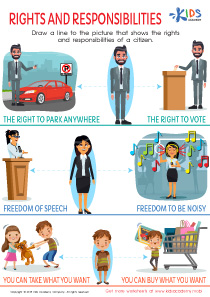
Critical Thinking Normal Community Worksheets for Ages 4-9
5 filtered results
-
From - To
Introducing our engaging Critical Thinking Normal Community Worksheets for Ages 4-9! Designed to foster essential critical thinking skills in young learners, these worksheets promote creativity and problem-solving through fun, relatable community scenarios. Children will explore social interactions, understand community roles, and develop decision-making abilities. Each worksheet features age-appropriate activities that encourage imagination and logical reasoning, helping kids analyze situations and generate solutions. Perfect for classroom integration or at-home learning, our printable resources aim to build confident, thoughtful individuals. Empower your child's cognitive development while they explore and appreciate the world around them! Download now to inspire critical thinkers of tomorrow!
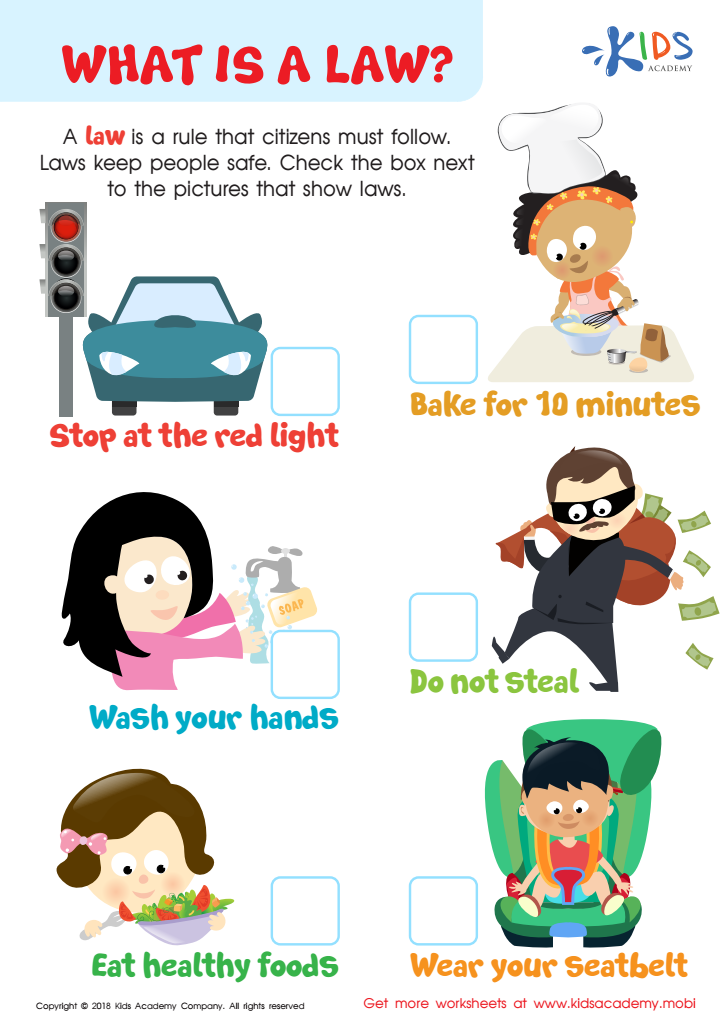
What is a Law? Worksheet
 Assign to My Students
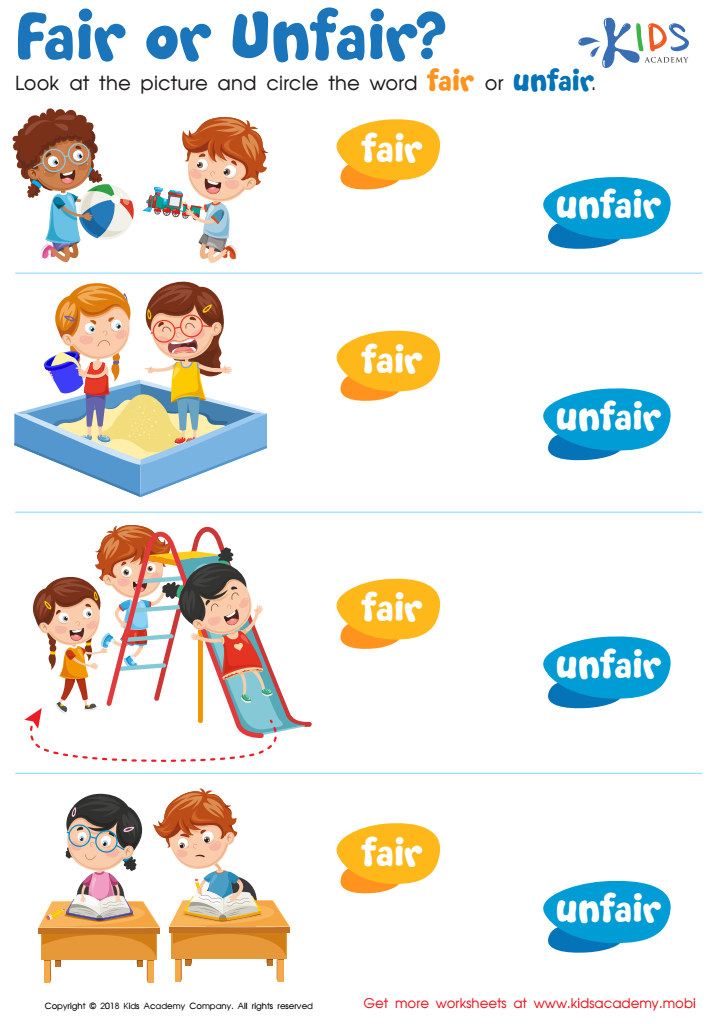
Fair or Unfair Worksheet
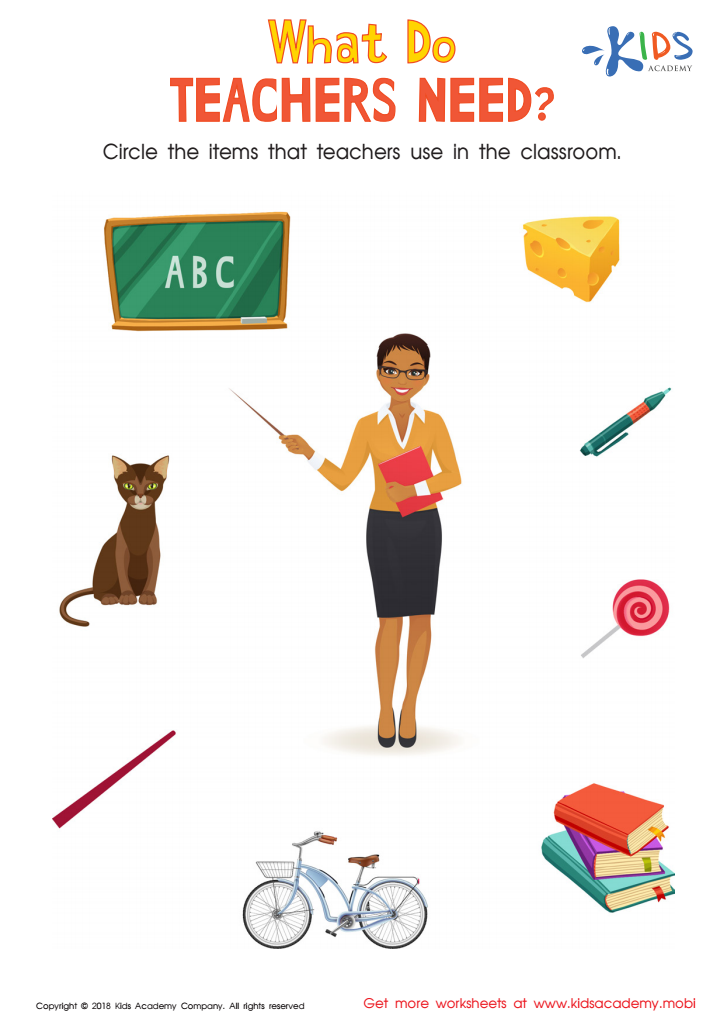
What Do Teachers Need Worksheet

Traditional Music Worksheet
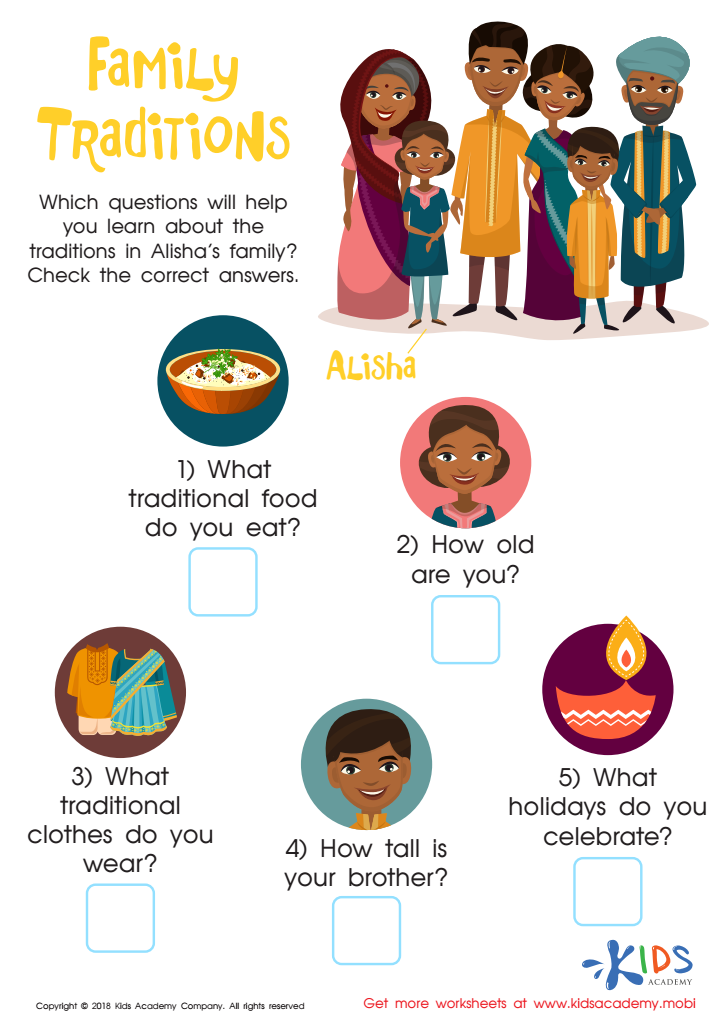
Family Traditions Worksheet








Parents and teachers should prioritize Critical Thinking Normal Community for ages 4-9 as it lays the foundation for lifelong learning and problem-solving skills. At this impressionable age, children are naturally curious, and engaging them in critical thinking encourages exploration and inquiry. By fostering these skills early on, parents and teachers create an environment where children feel empowered to ask questions, think creatively, and approach challenges with resilience.
Critical thinking helps children navigate complex situations and enhances their ability to analyze information, which is particularly important in a world where they are bombarded with varied perspectives and data. By participating in a community focused on critical thinking, children learn the importance of understanding multiple viewpoints, collaborating with peers, and articulating their thoughts clearly.
Moreover, developing critical thinking skills also supports better emotional regulation and decision-making, equipping children to handle social interactions more effectively. Parents and teachers serve as role models, demonstrating the value of thoughtful discourse and critical evaluation. Ultimately, by engaging with a Critical Thinking Normal Community, both parents and teachers contribute to nurturing well-rounded, inquisitive, and communicative individuals, ready to tackle the increasingly complex world around them.