Normal Geography Worksheets for Ages 4-9 - Page 3
54 filtered results
-
From - To
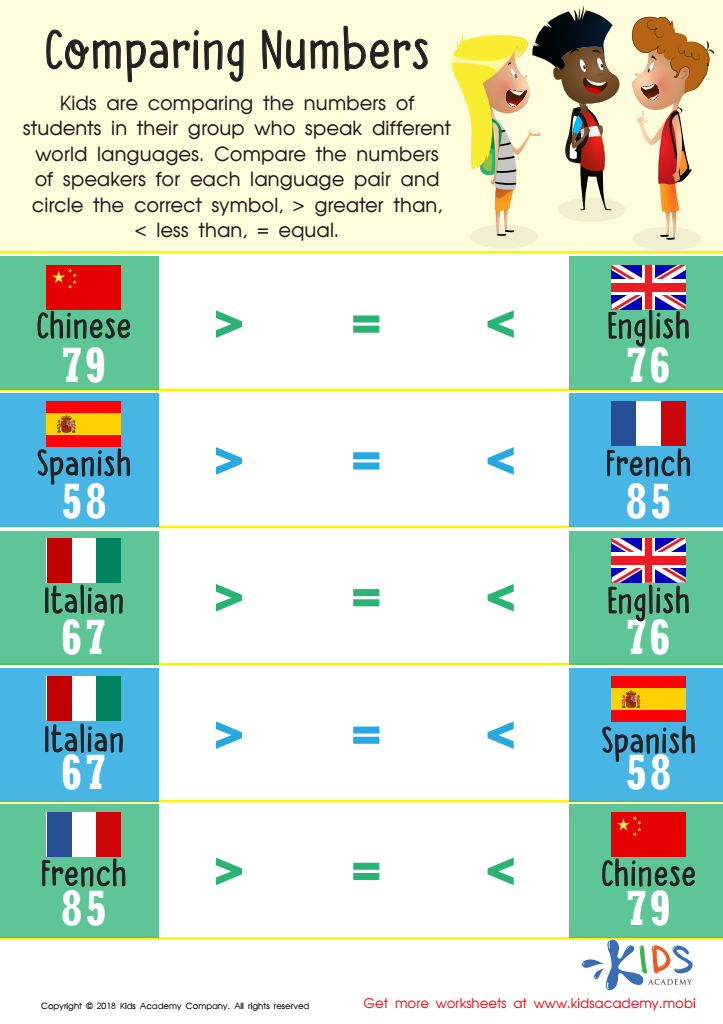
Comparing Numbers Worksheet for 1st Grade
 Assign to My Students
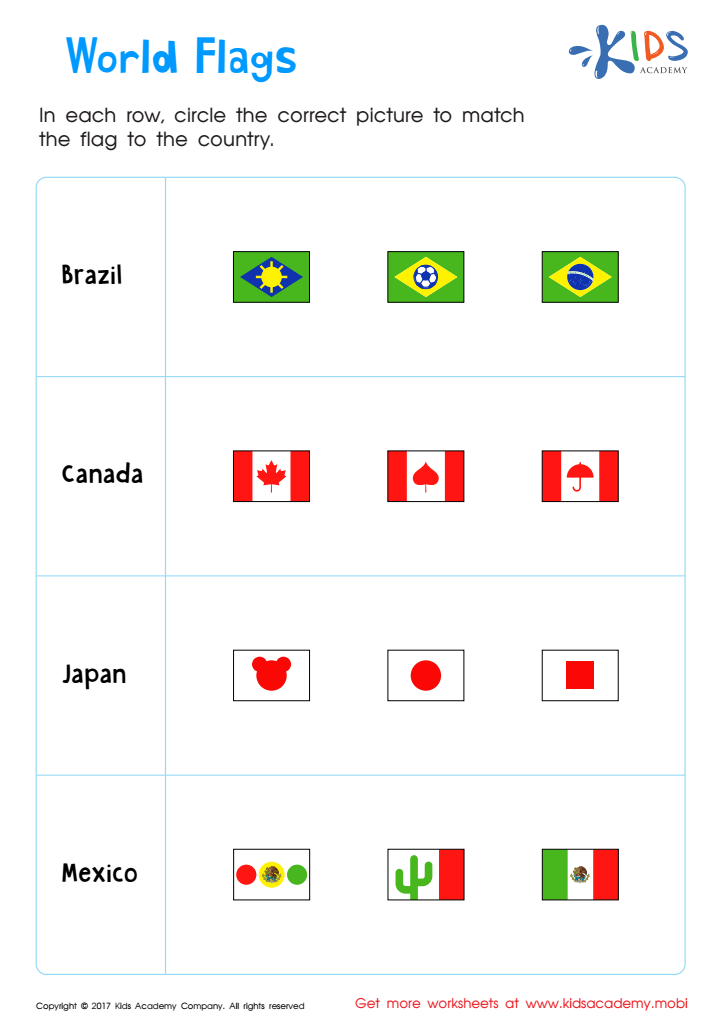
World Flags Printable
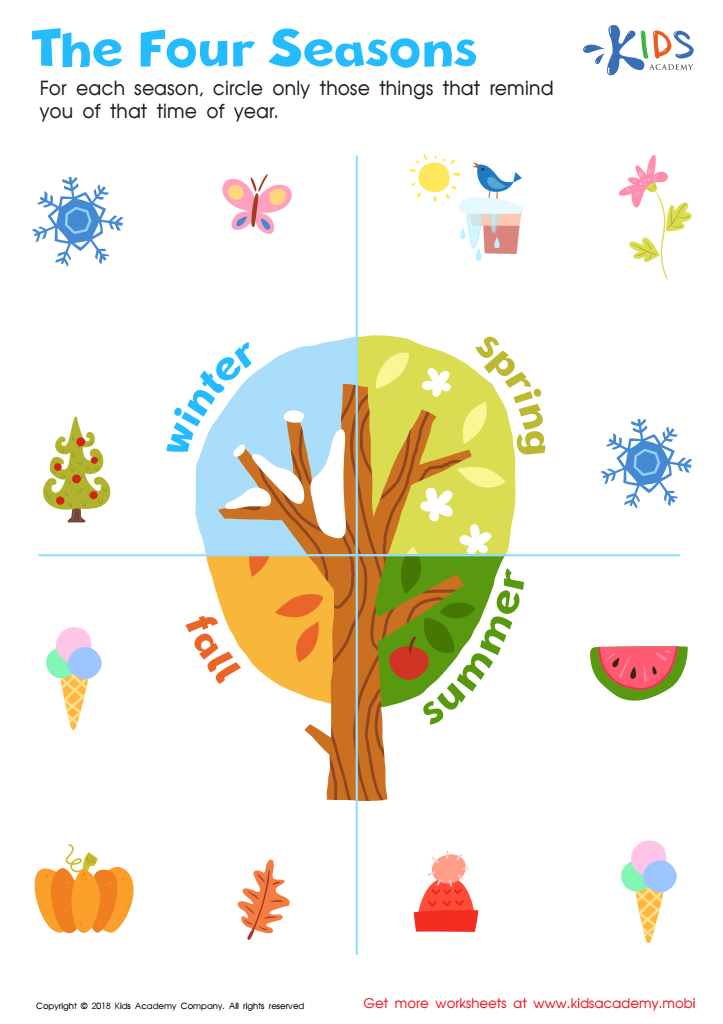
The Four Seasons Worksheet
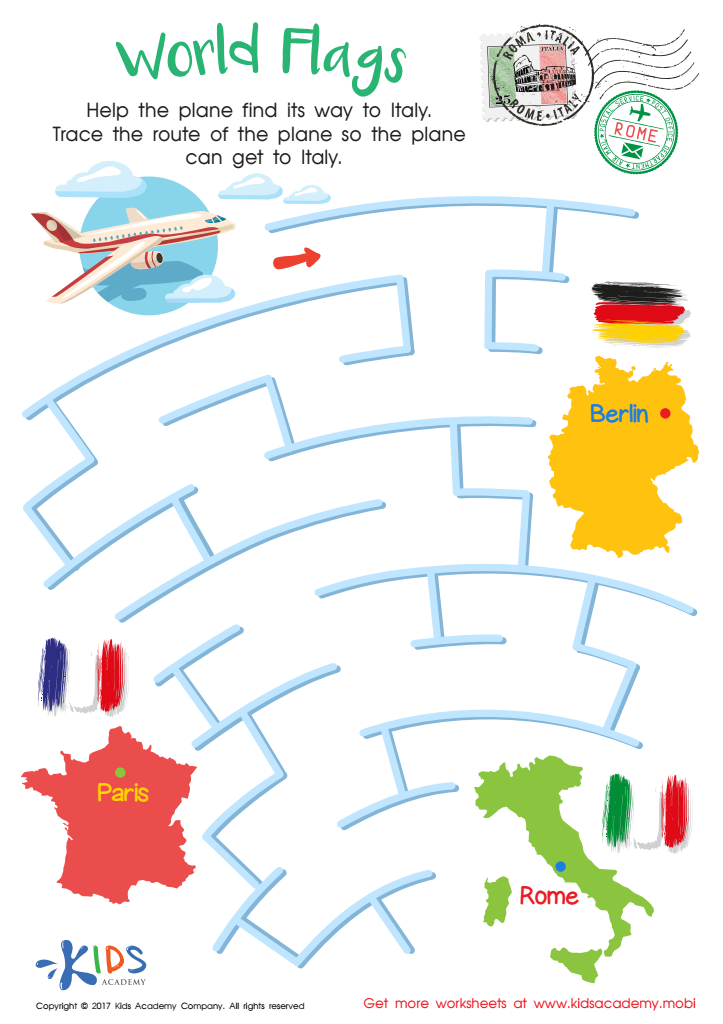
World Flags Maze Worksheet
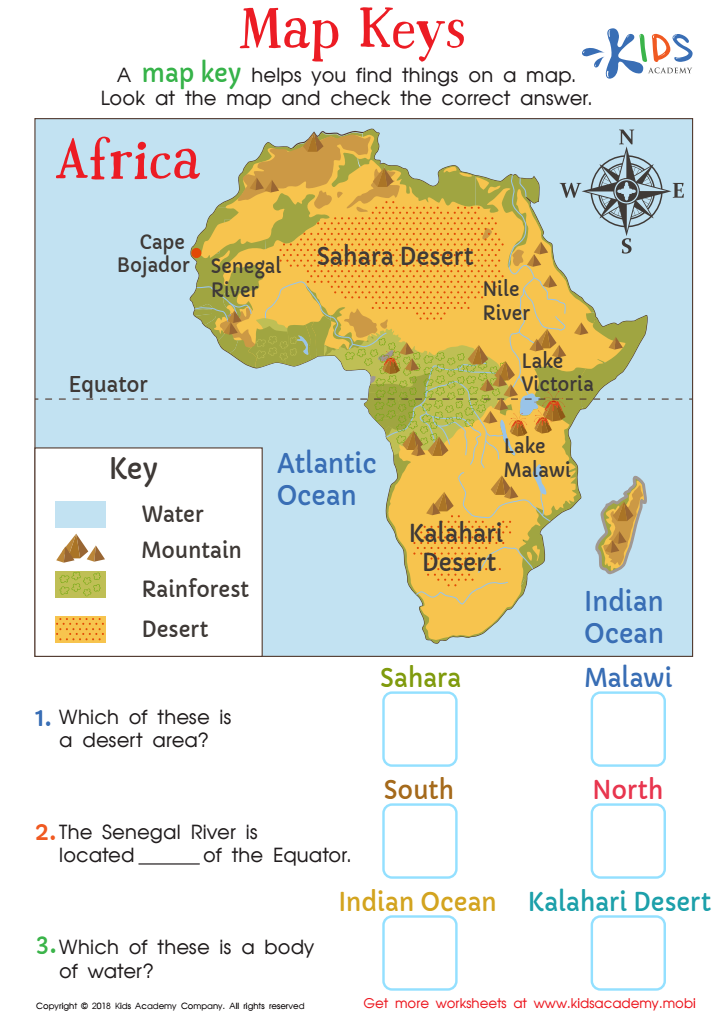
Map Keys Worksheet
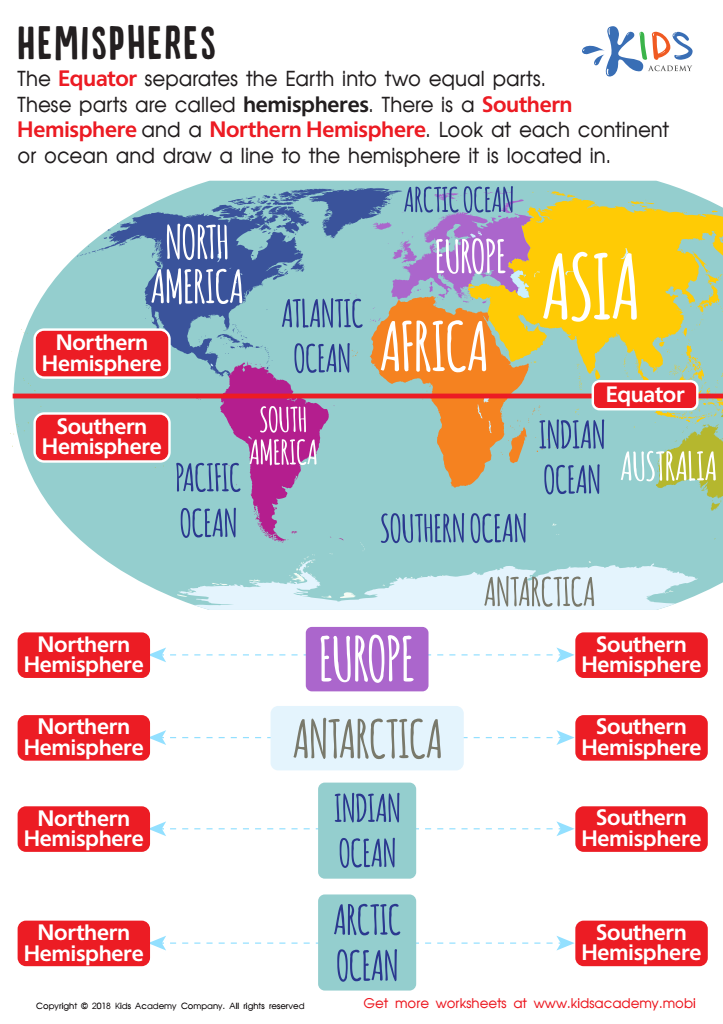
Hemispheres Worksheet






Introducing normal geography concepts to children aged 4-9 is more than just teaching them the names of countries or capitals; it lays the foundation for a broader understanding of the world. First, learning geography enhances children's cognitive development. It engages spatial thinking and critical skills as kids grasp the relationships between locations, physical features, and human activities.
Geography also nurtures curiosity and imagination. When children learn about diverse landscapes, cultures, and customs, they become more curious about the world around them. This curiosity can translate into a lifelong love for learning. Additionally, early geography education promotes cultural awareness and sensitivity. By understanding that people live differently in other parts of the world, children develop empathy and respect for diversity.
From a practical standpoint, geographic knowledge is essential for daily life. It helps children understand weather patterns, seasons, and how these elements affect human activities. This awareness is crucial for making informed decisions in their future lives.
Creating awareness about the environment is another benefit. Understanding geographic concepts can instill a sense of responsibility to care for our planet. When children learn about ecosystems, natural resources, and conservation efforts, they are more likely to grow into adults who prioritize sustainability.
In summary, geography education in early childhood is crucial for cognitive development, cultural sensitivity, practical knowledge, and environmental stewardship, making it vital for parents and teachers to incorporate it into their teaching.








