Critical Thinking Normal History Worksheets for Ages 4-9
15 filtered results
-
From - To
Enhance your child's cognitive development with our "Critical Thinking Normal History Worksheets for Ages 4-9." Designed to engage young learners, these worksheets encourage children to think critically about historical events and societal changes. Each activity promotes skills such as problem-solving, analysis, and logical reasoning. Perfect for classroom use or at-home learning, our worksheets are an excellent resource to help children understand and connect with history while honing their critical thinking abilities. Delight your young historian with engaging, interactive tasks including puzzles, stories, and thought-provoking questions tailored to foster curiosity and intellectual growth.
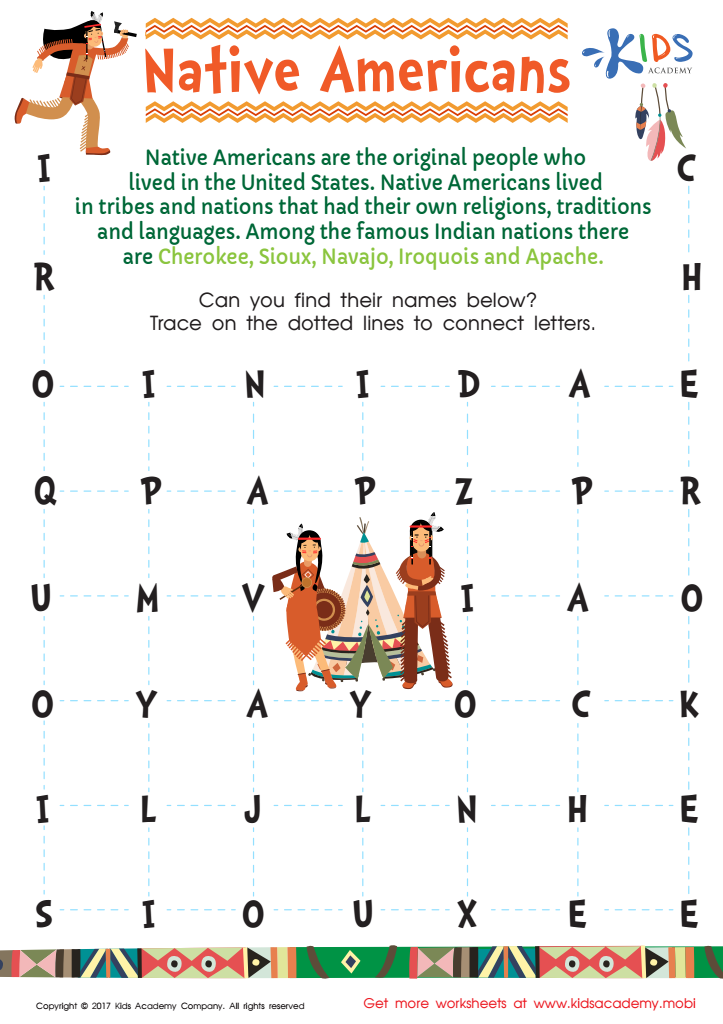
Native American Word Search Printable
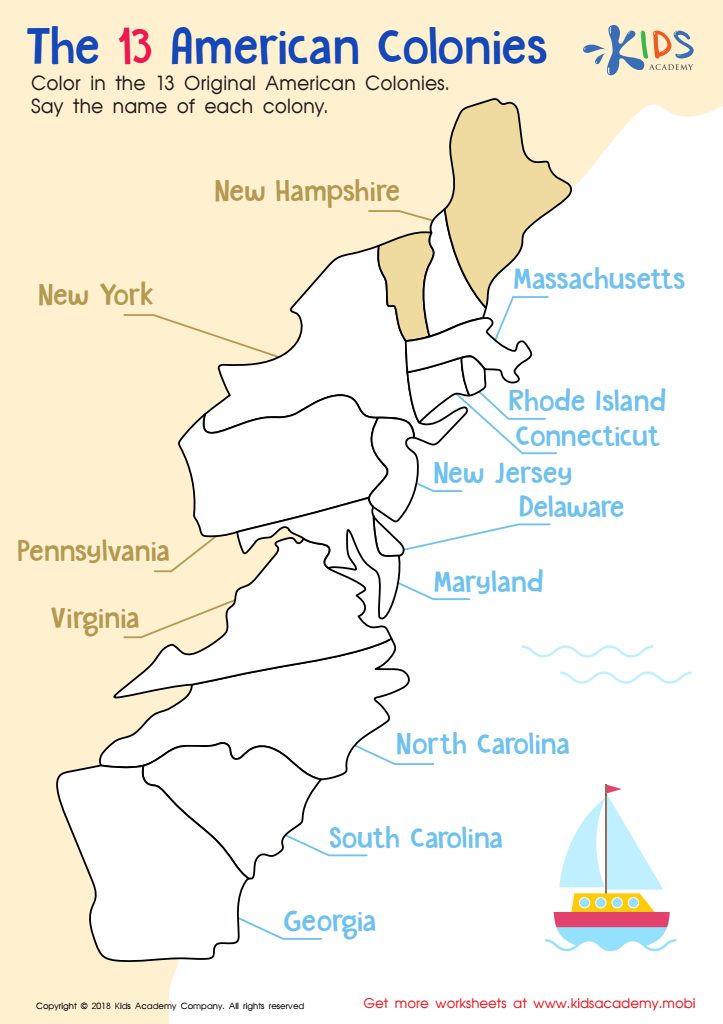
The 13 American Colonies Worksheet
 Assign to My Students
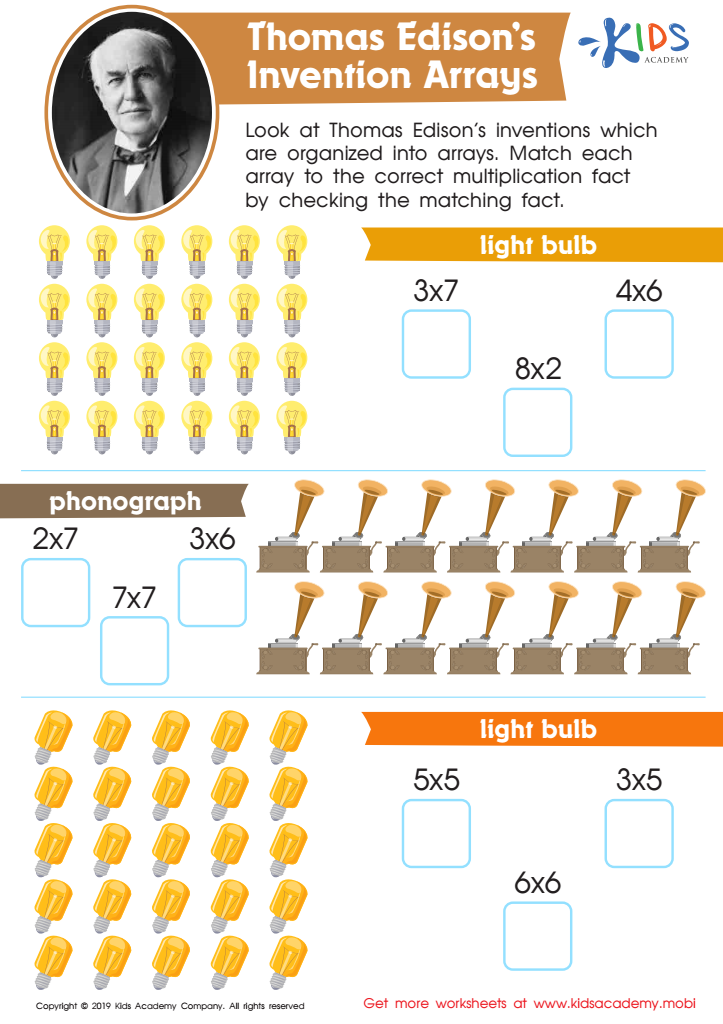
Thomas Edison’s Invention Arrays Worksheet
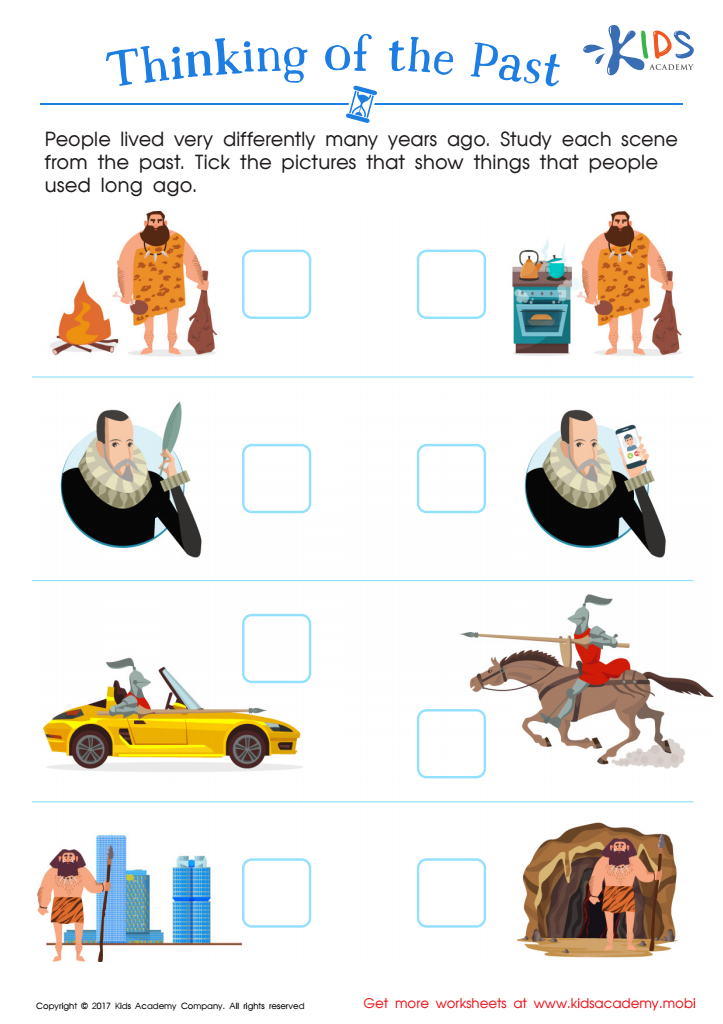
Thinking Past Printable

Thanksgiving Holiday Printable
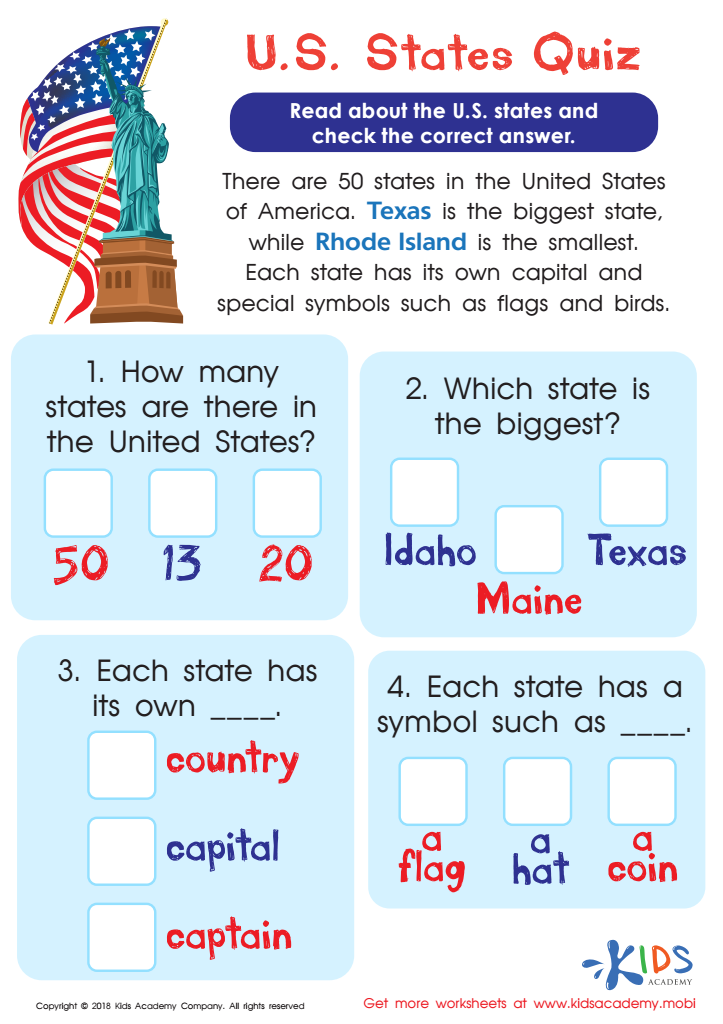
U.S. States Quiz Worksheet
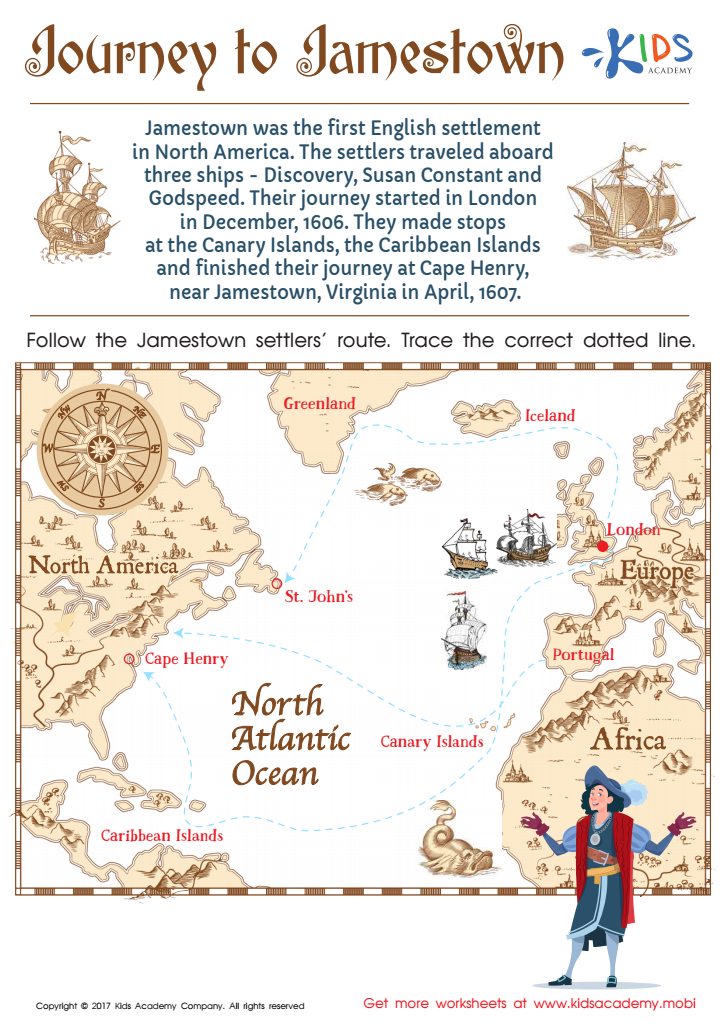
Journey to Jamestown Worksheet
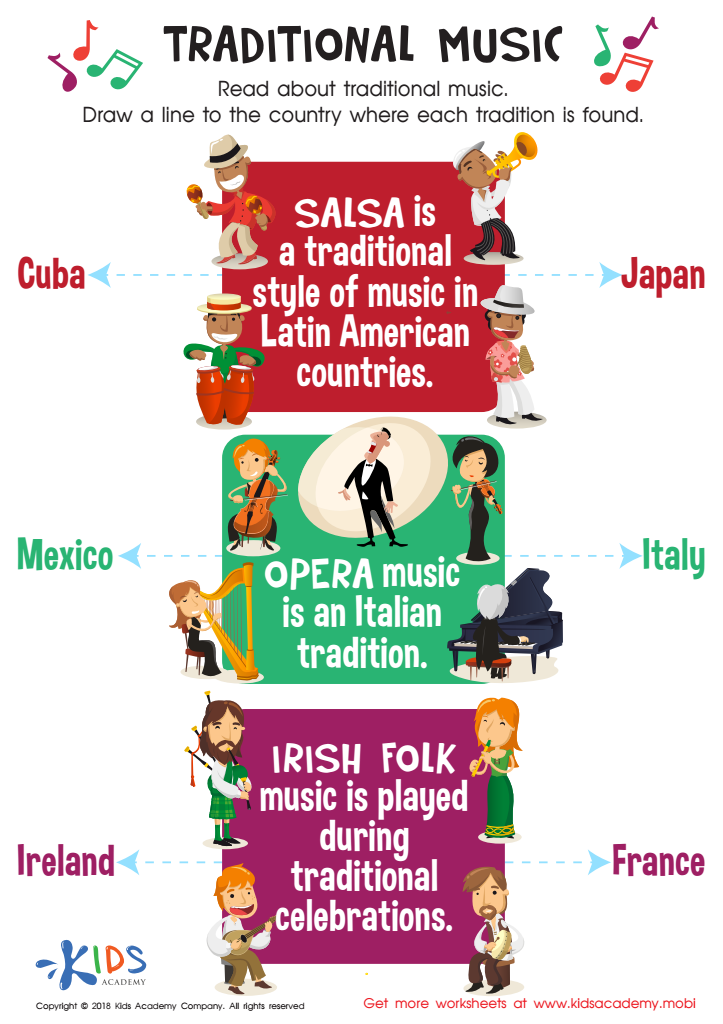
Traditional Music Worksheet
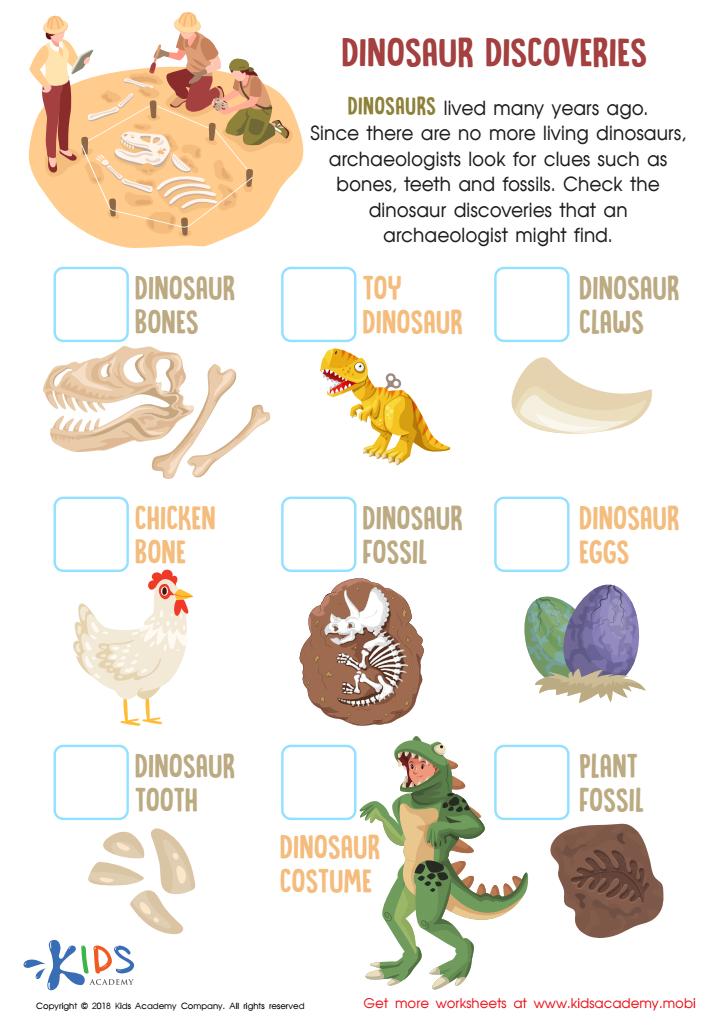
Dinosaur Discoveries Worksheet
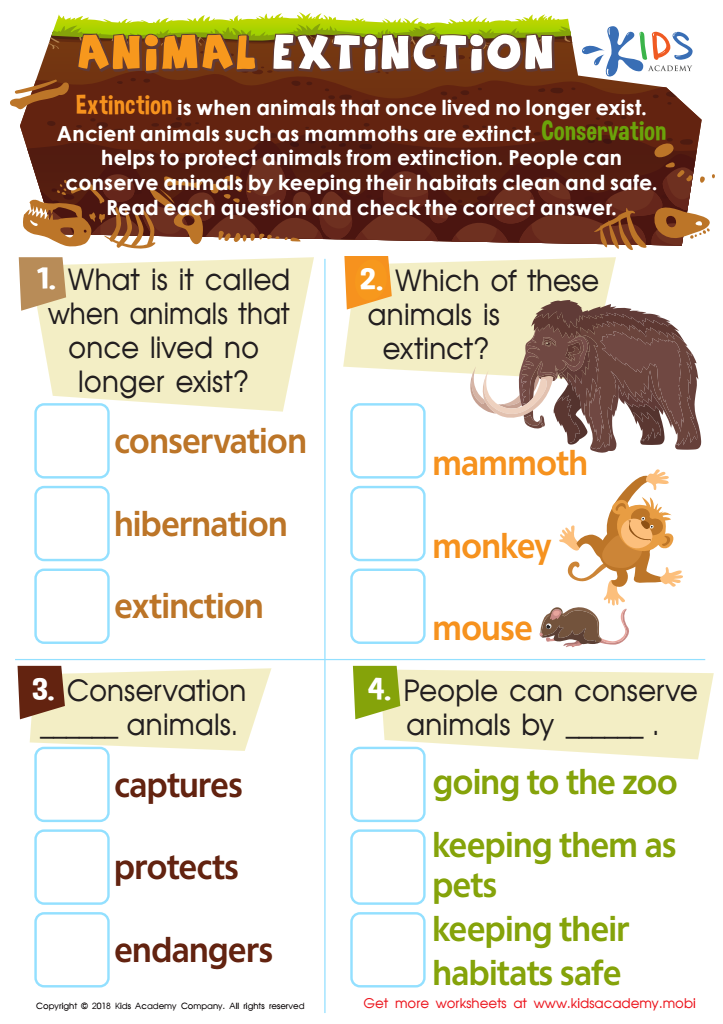
Animal Extinction Worksheet
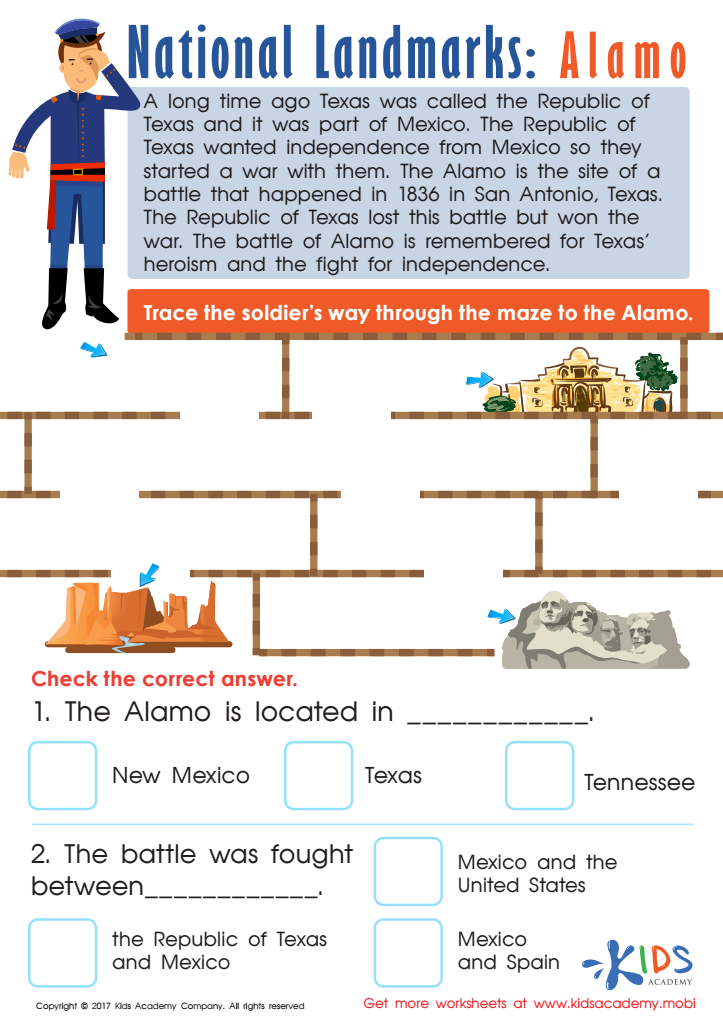
Alamo Printable Worksheet
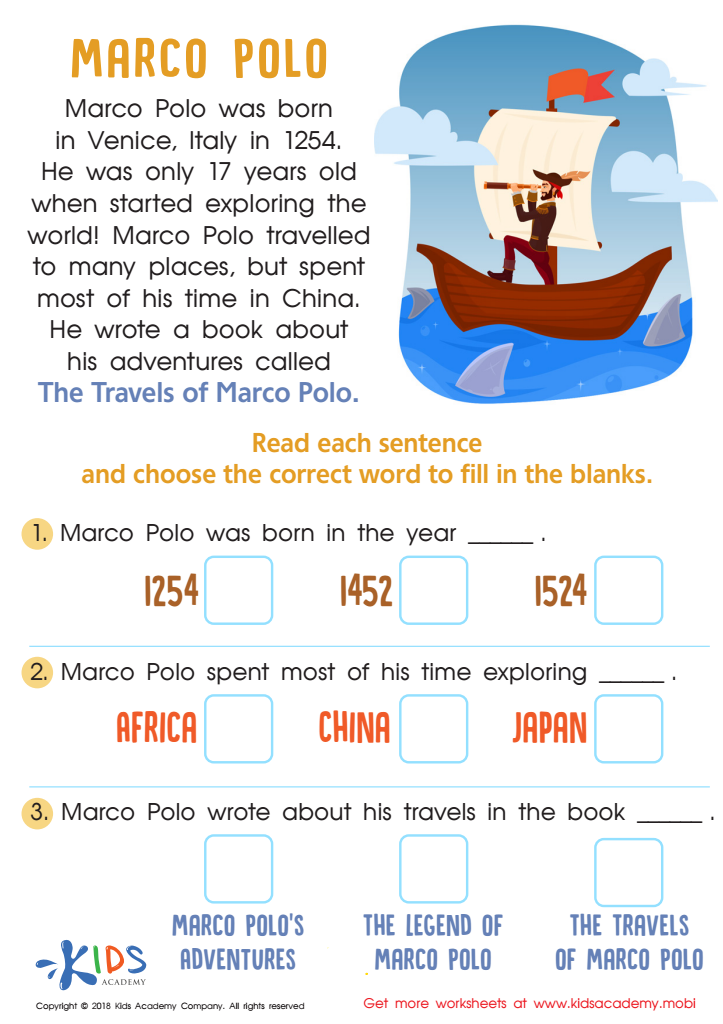
Marco Polo Worksheet

Assessment: First Thanksgiving Worksheet
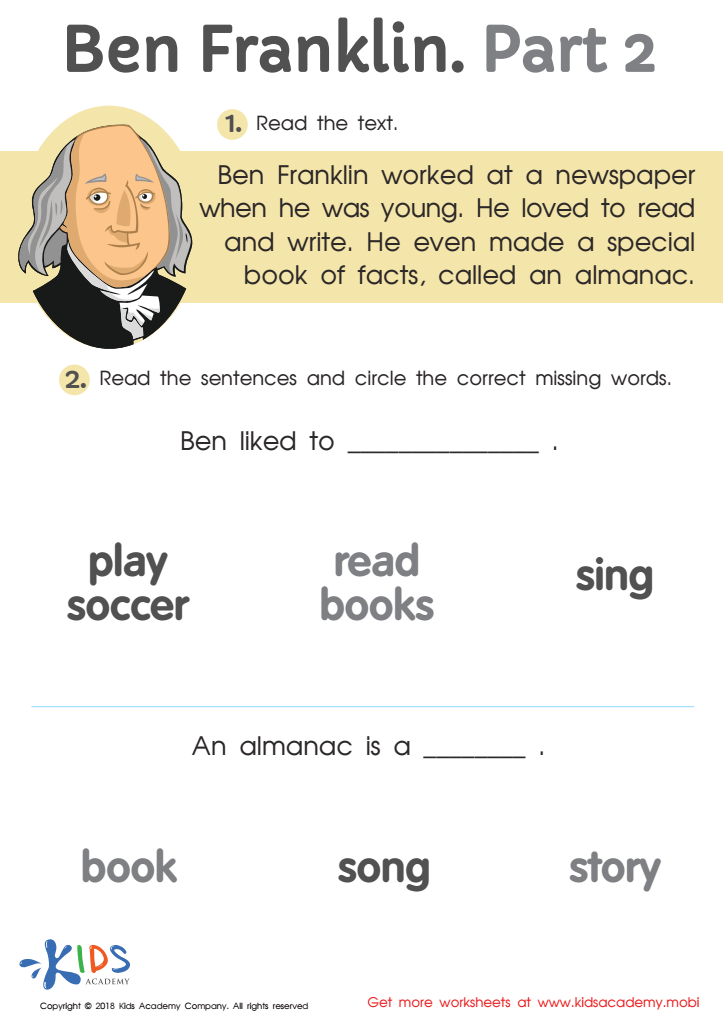
Ben Franklin Part 2 Worksheet
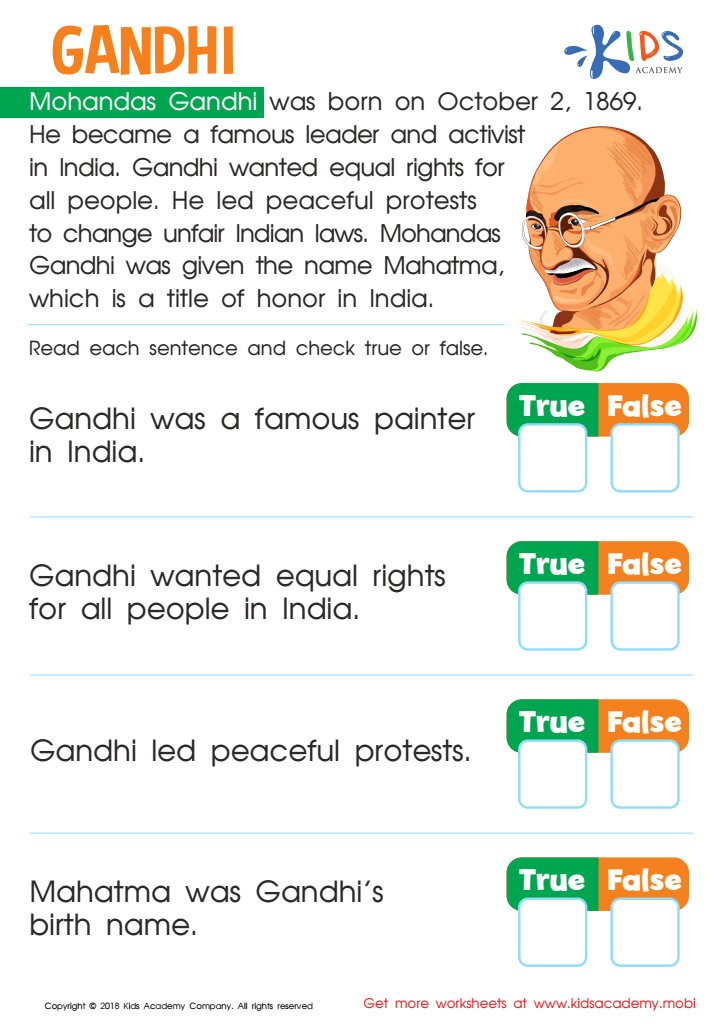
Gandhi Worksheet








Parents and teachers should care about introducing critical thinking and historical education to children ages 4-9 for several crucial reasons. Early exposure to critical thinking helps children develop essential problem-solving skills, enabling them to analyze, evaluate, and make reasoned decisions, which are vital competencies for lifelong learning. Encouraging curiosity and questioning fosters intellectual independence, empowering children to explore concepts deeply and think creatively.
Integrating a normal history curriculum for young learners roots them in a context of where they come from, cultivating a sense of identity and cultural understanding. Learning about historical events and figures, even at a basic level, imbues a respect for diversity and an appreciation for different perspectives. This foundation promotes empathy and social awareness—qualities crucial for collaboration in today’s interconnected world.
Moreover, early introductions to these skills align with cognitive developmental stages where children are naturally inquisitive and capable of incredible mental growth. Creating a classroom environment that sparks inquiry and discussion not only makes learning engaging but also lays the groundwork for academic achievement beyond elementary education.
In essence, encouraging critical thinking through historical understanding nurtures well-rounded individuals who can thoughtfully engage with the world, both academically and socially. Fostering these skills from a young age sets children on a trajectory for success both in school and in life.