Word identification Normal Writing Worksheets for Ages 4-9
5 filtered results
-
From - To
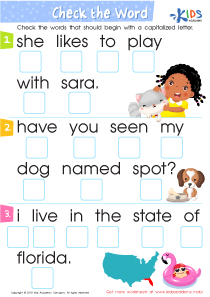
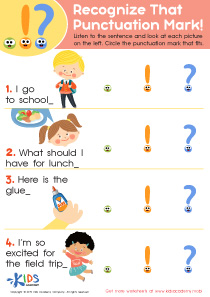
Discover the perfect tool for enhancing your child's literacy with our Word Identification Normal Writing Worksheets for Ages 4-9. Designed to develop essential learning skills, these engaging worksheets focus on boosting your child's ability to recognize, read, and write words effectively. Developed by education experts, each worksheet features fun activities that make learning enjoyable while fostering confidence and independence. Perfect for home or classroom use, these resources ensure young learners gain a solid foundation in word identification and writing. Transform your child's learning journey with our expertly crafted worksheets and watch their skills soar!
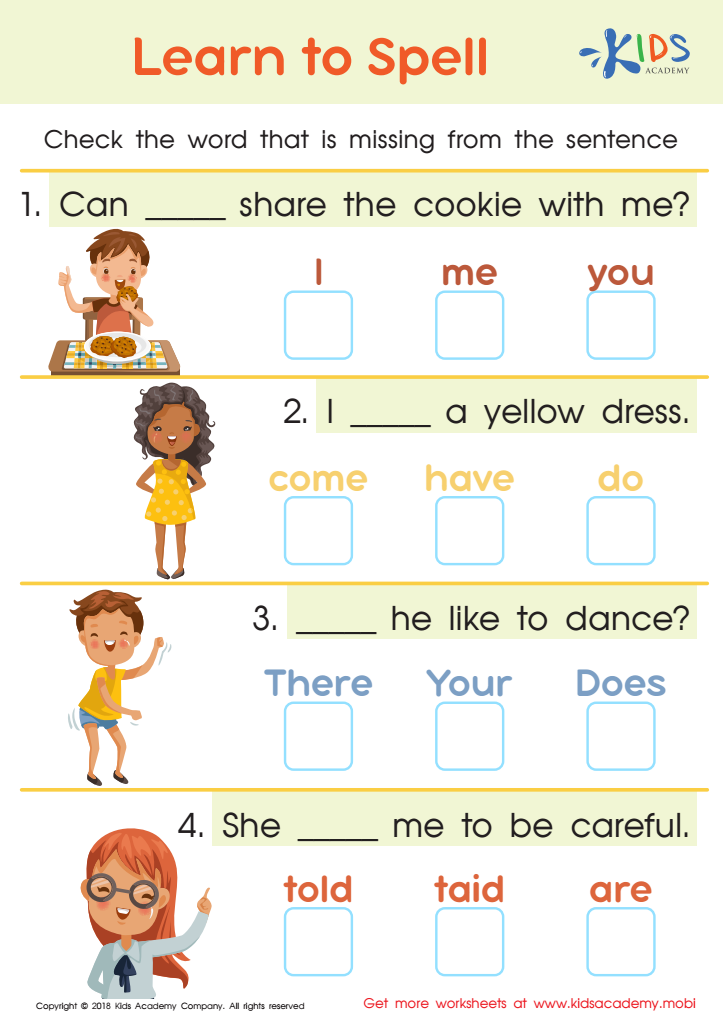
Learn to Spell Worksheet
 Assign to My Students
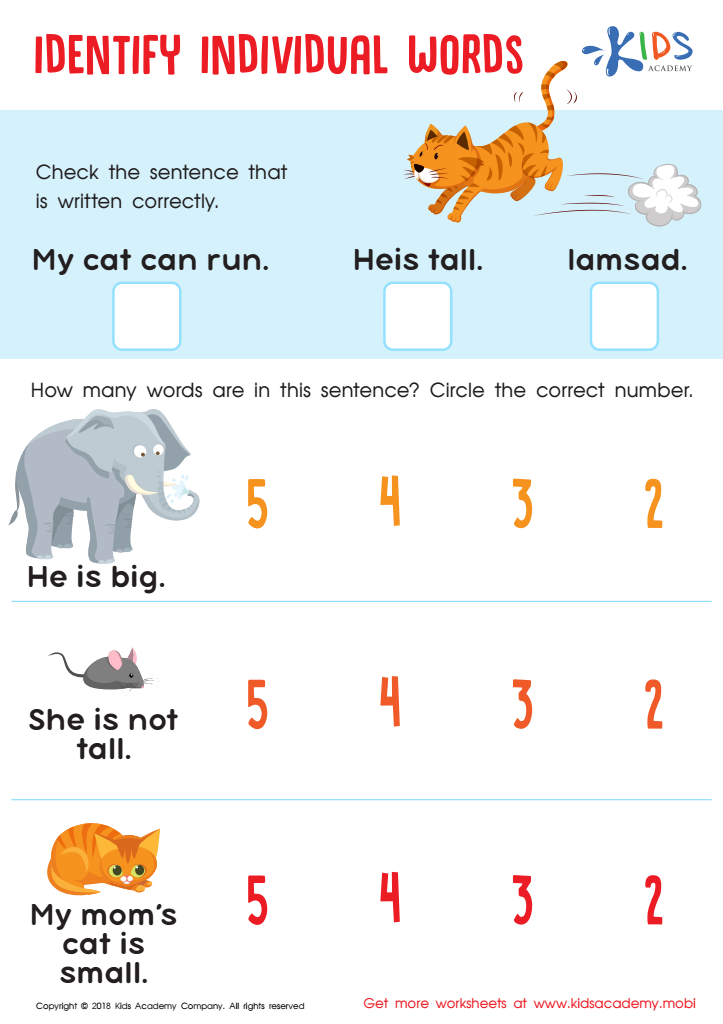
Identify Individual Words Worksheet
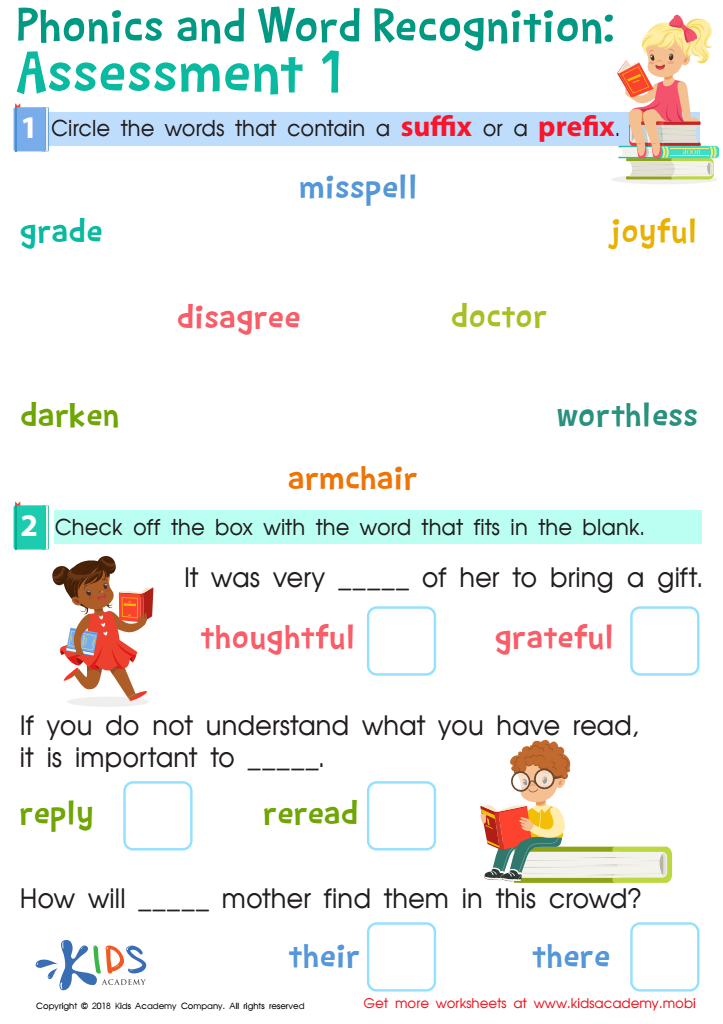
Phonics and Word Recognition: Assessment 1 Worksheet
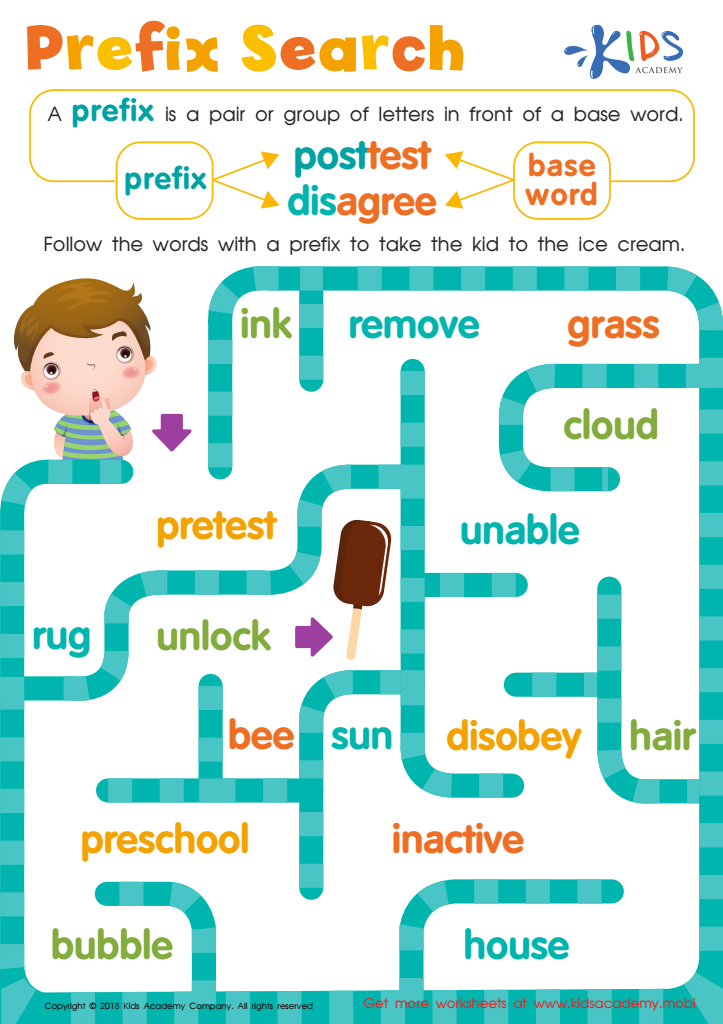
Reading: Prefix Search Worksheet
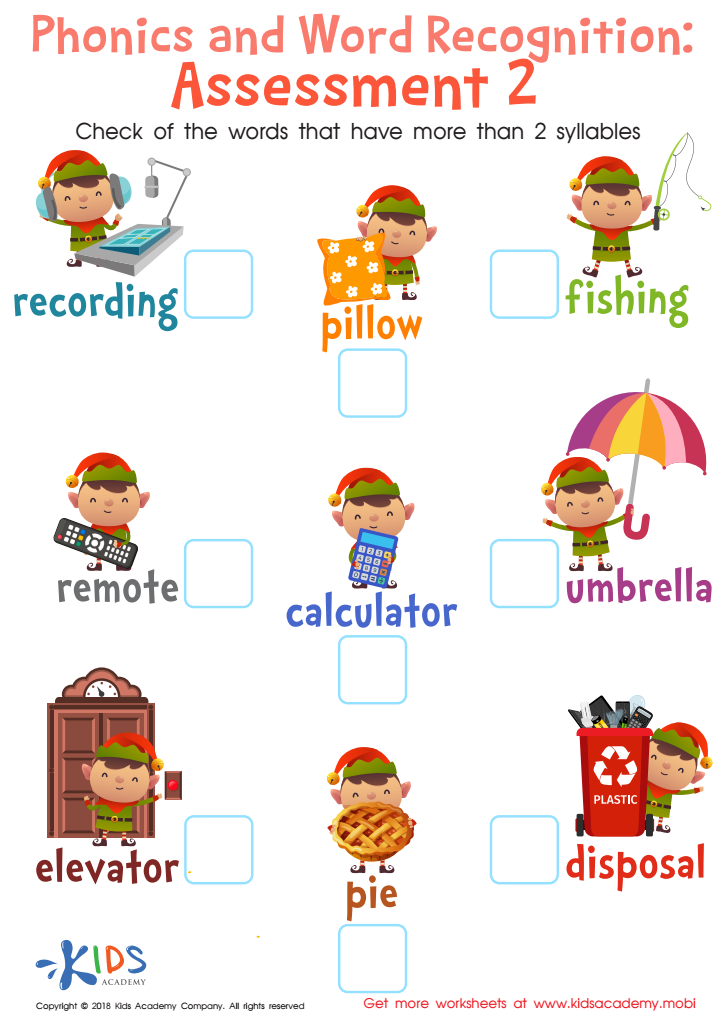
Phonics and Word Recognition: Assessment 2 Worksheet






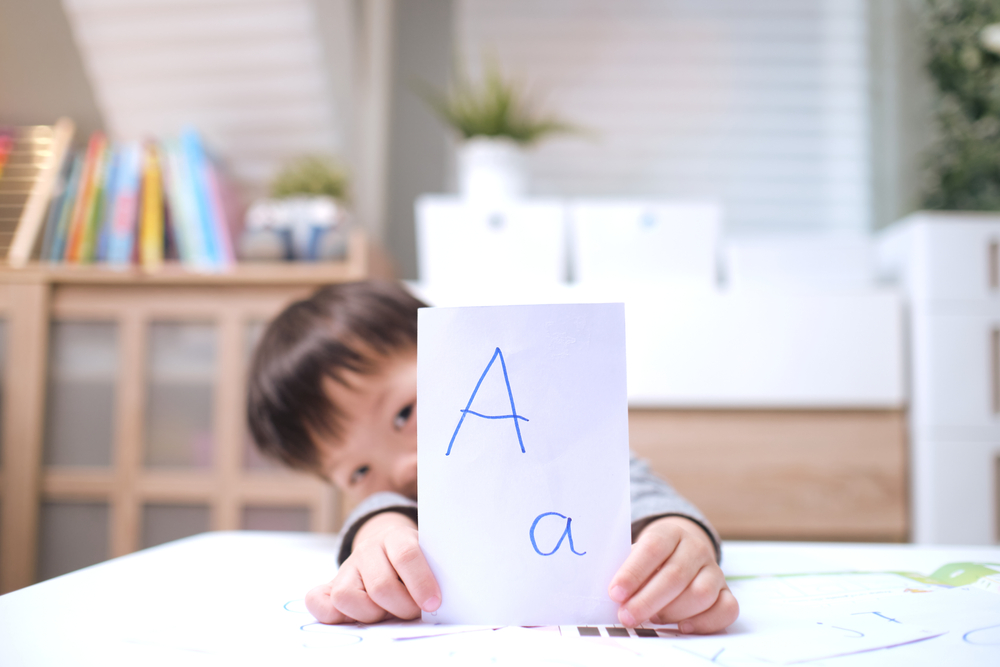

Word identification in normal writing is a crucial skill for children ages 4-9 as it lays the groundwork for literacy and academic success. During these formative years, young learners begin to decode words, understand their meanings, and recognize patterns in language, a process that significantly impacts their reading fluency and comprehension.
For parents and teachers, prioritizing word identification helps ensure that children build a strong foundation in reading. Early proficiency in identifying words boosts a child's confidence and fosters a positive attitude towards learning. It also enables smoother transitions from learning to read to reading to learn, which is vital as academic demands increase.
Effective word identification skills contribute to better communication abilities, allowing children to express themselves more clearly and understand others more effectively. This skill also underpins other academic areas, including math, science, and social studies, which require reading and interpreting written information.
Moreover, early interventions in word identification can address potential reading difficulties, such as dyslexia, ensuring that all children have equitable access to educational opportunities. Thus, parents and teachers should actively engage in activities that promote word recognition, such as reading aloud, providing diverse reading materials, and integrating sight words into daily routines, to support their overall development and long-term academic success.