Categorization skills Normal Worksheets for 4-Year-Olds
16 filtered results
-
From - To
Enhance your 4-year-old’s learning journey with our engaging categorization skills worksheets! Designed to promote critical thinking and comprehension, these worksheets offer fun activities that help children classify objects by color, shape, size, and type. Our age-appropriate resources make learning enjoyable, allowing young learners to develop their observational skills while boosting their cognitive development. Parents and educators can use these worksheets to create an interactive learning environment that encourages exploration and discovery. Explore our extensive collection of printable worksheets and watch your child thrive as they master the essential skill of categorization in a playful and supportive way!
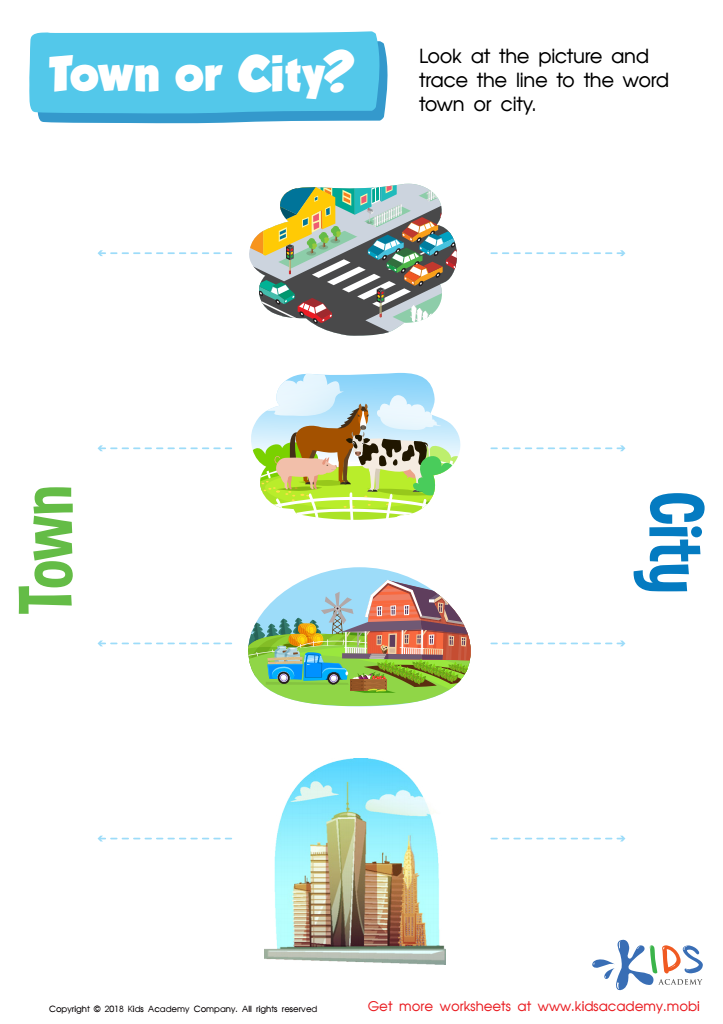
Town or City? Worksheet
 Assign to My Students
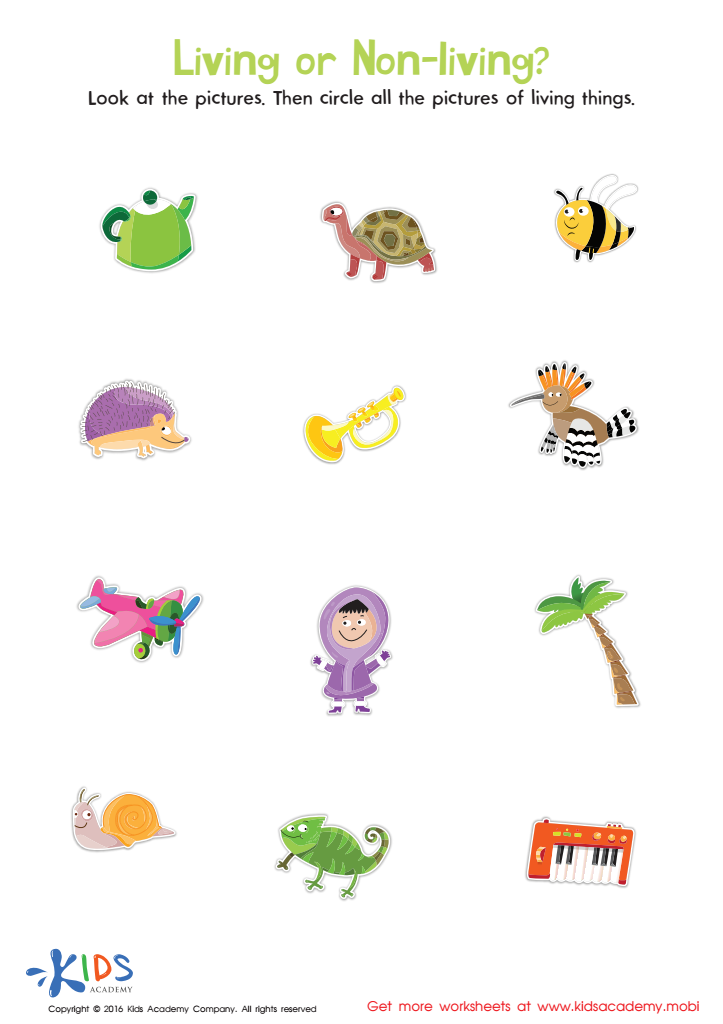
Identifying Living and Non–living Things Sorting Worksheet
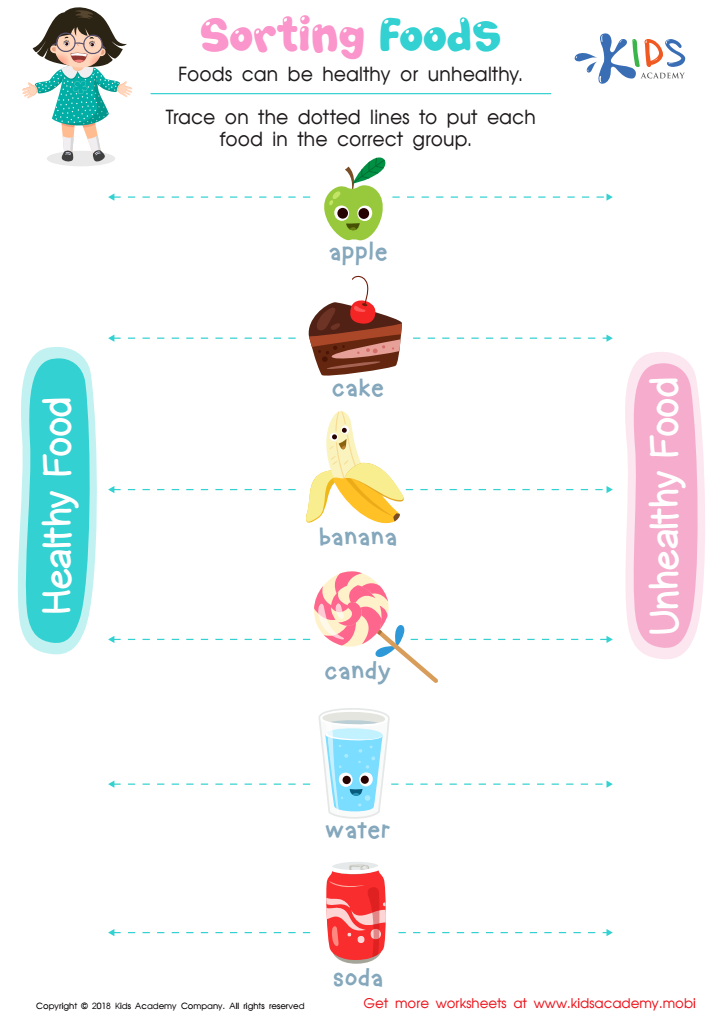
Sorting Food Worksheet
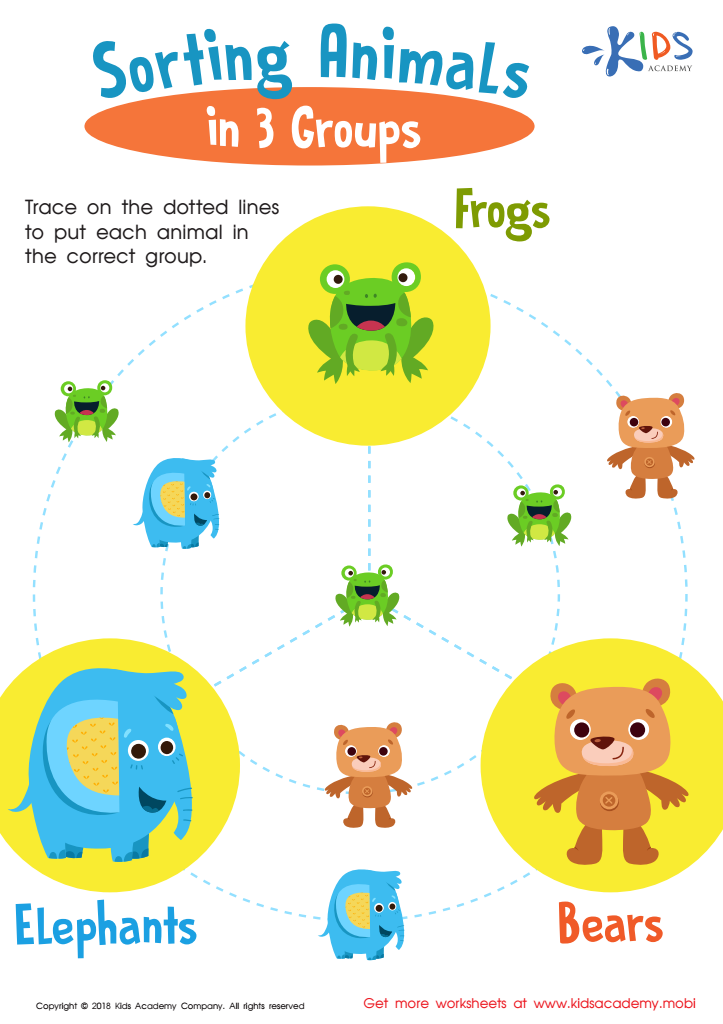
Sorting Animals in 3 Groups Worksheet
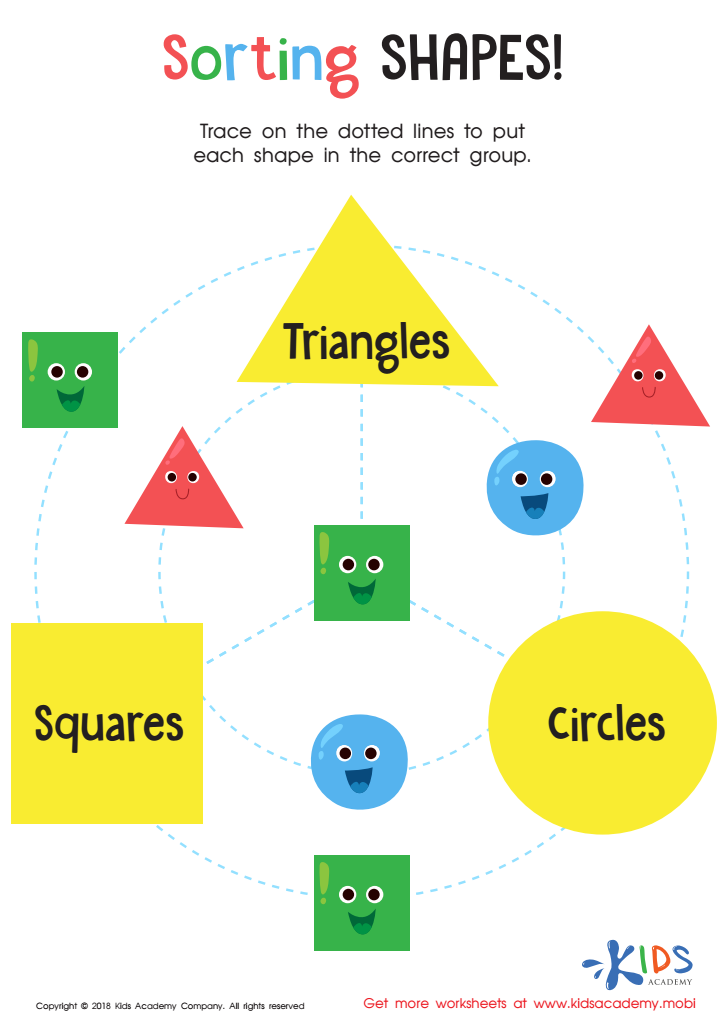
Sorting Shapes - Part 3 Worksheet
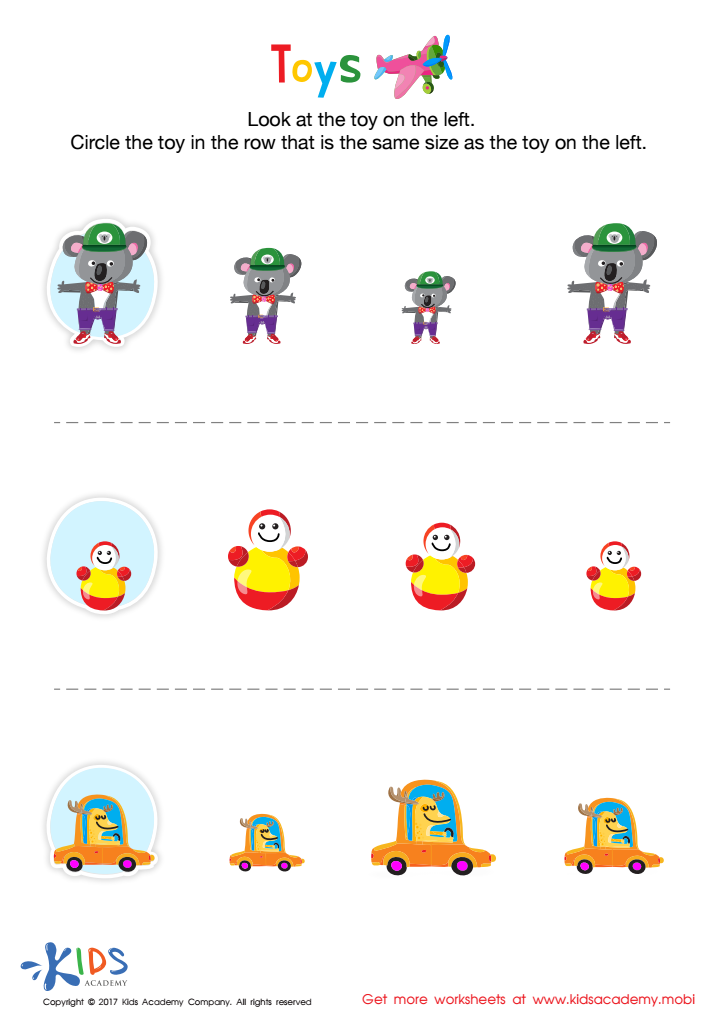
Matching: Classifying Toys by Size Worksheet
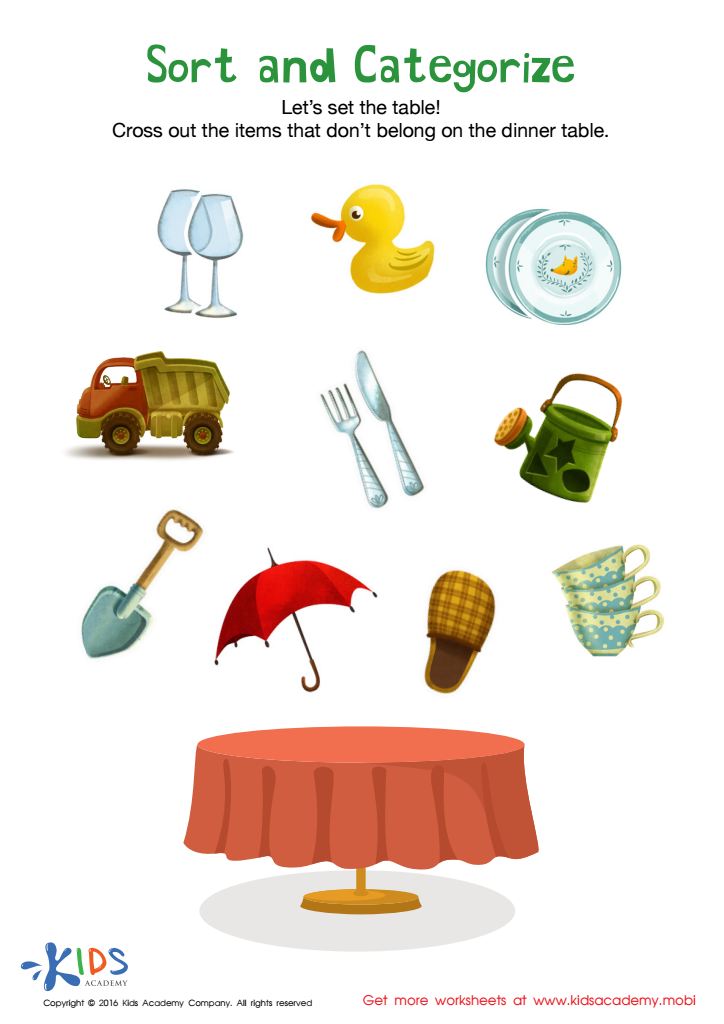
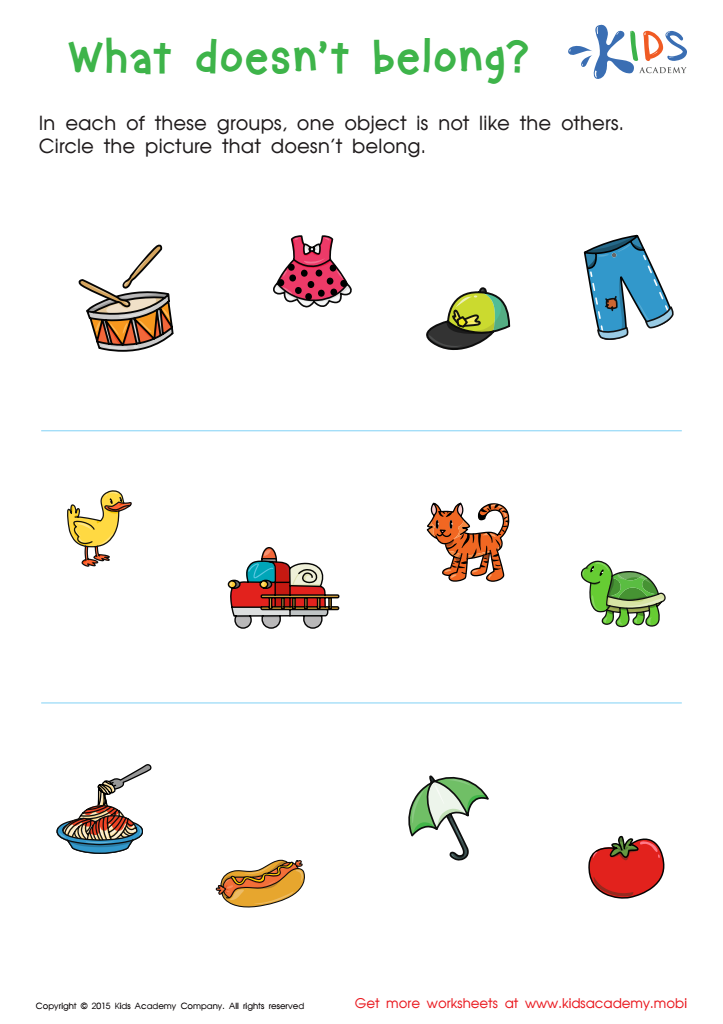
First Words: What Doesn't Belong Worksheet
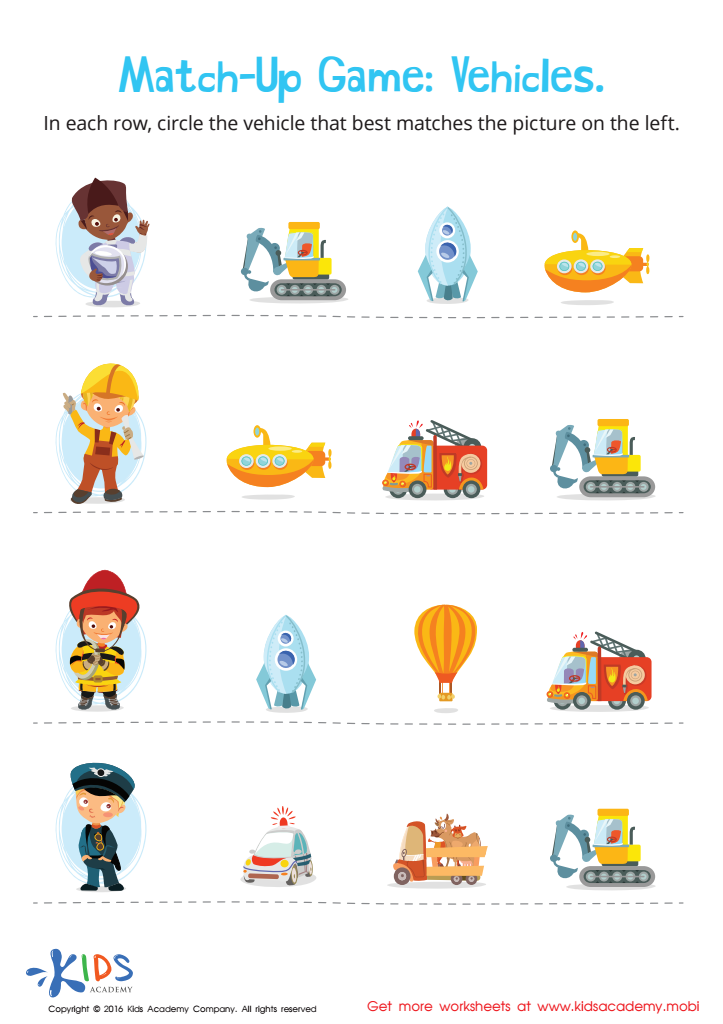
Vehicles Worksheet
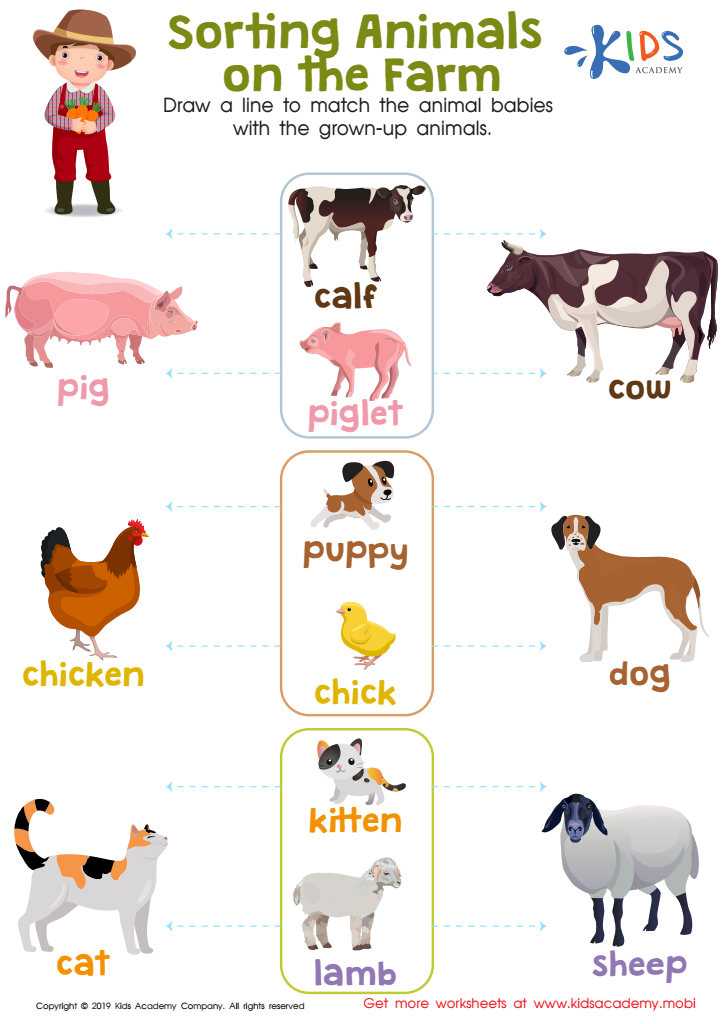
Sorting Animals on the Farm Worksheet
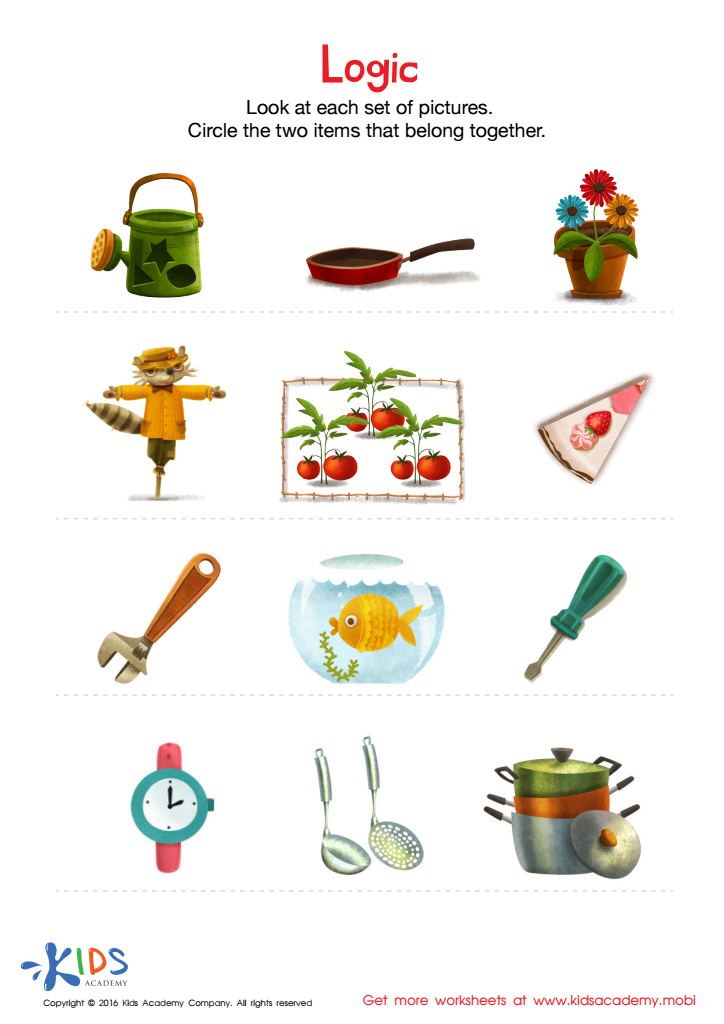
Logic Game Sorting Worksheet
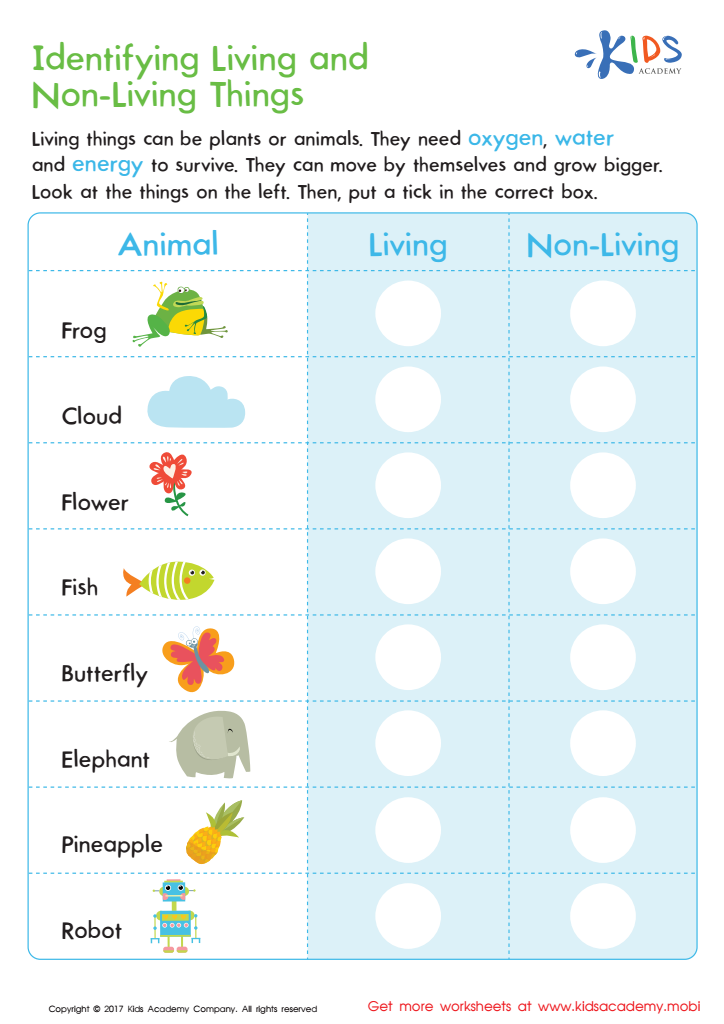
Identifying Living or Non–living Worksheet
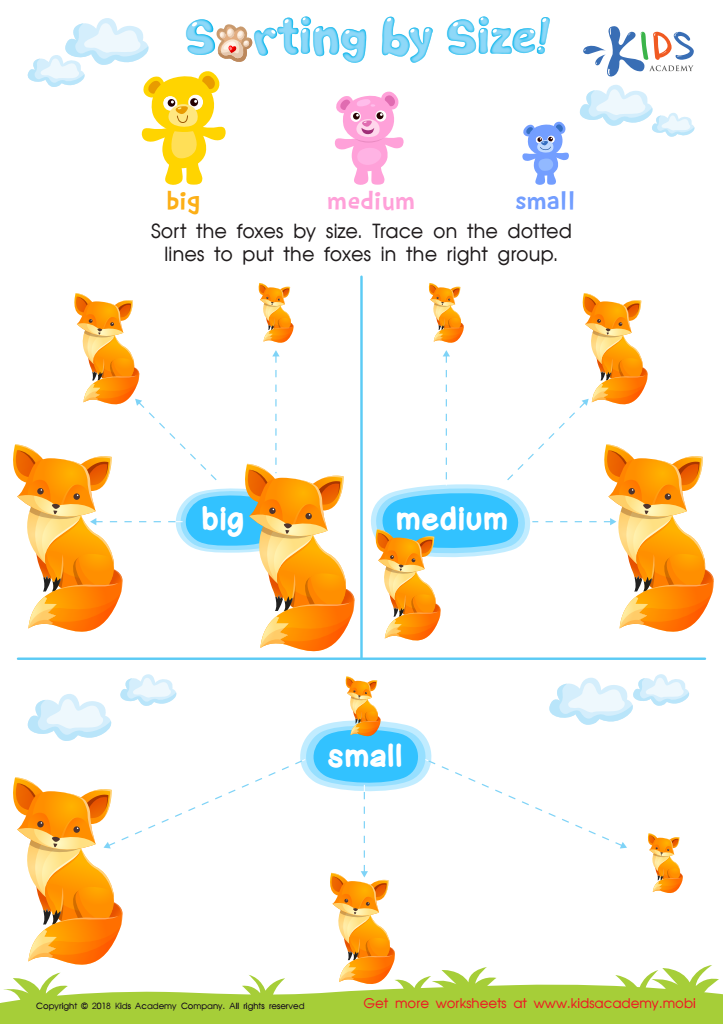
Sorting by Size Worksheet
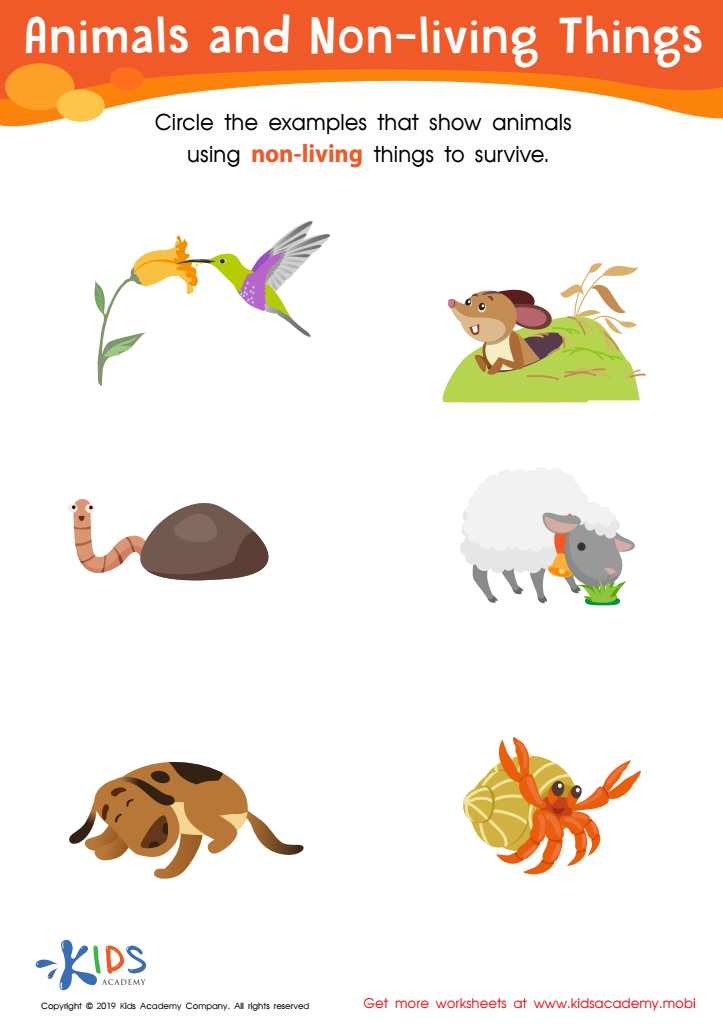
Animals and Non-Living Things Worksheet




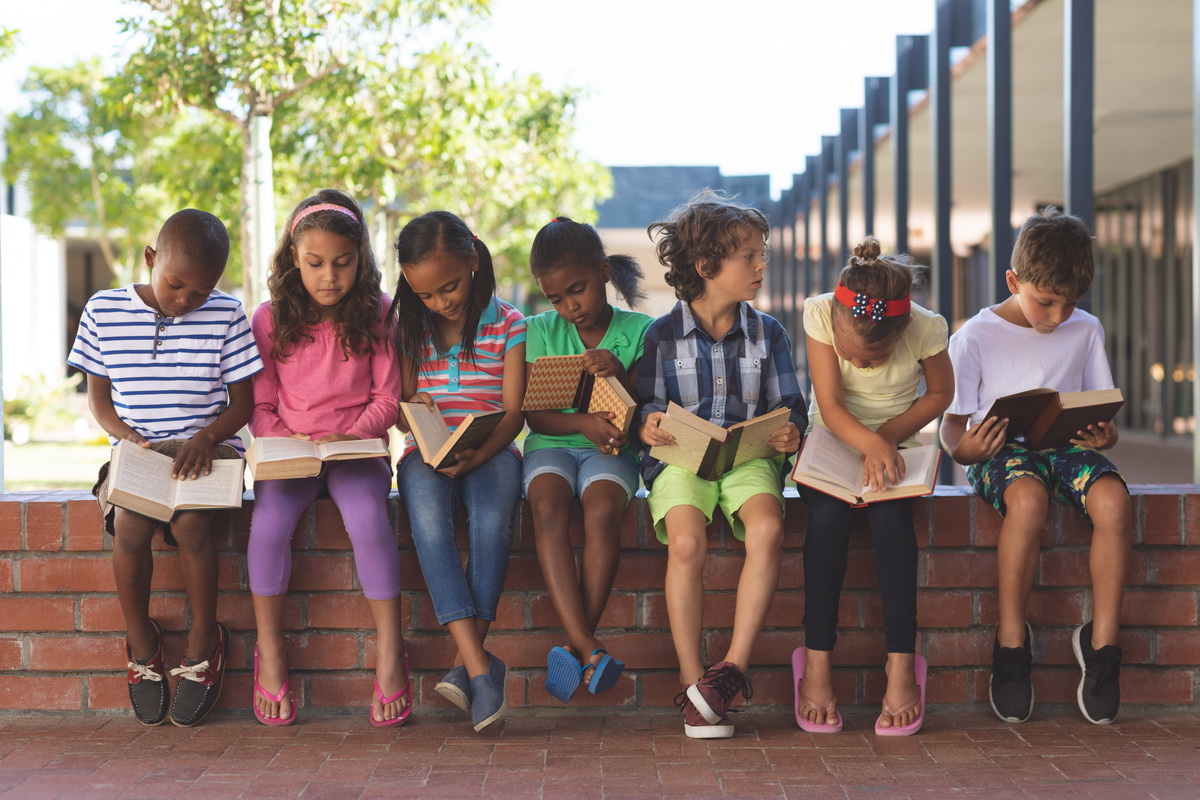


Categorization skills are crucial for the development of 4-year-olds, and it’s important for parents and teachers to pay attention to them. At this age, children are eager to explore their surroundings and make sense of the world. Categorization is the mental process that allows them to group objects, ideas, or experiences based on shared characteristics. This skill not only bolsters cognitive development but also facilitates language acquisition, social interaction, and problem-solving abilities.
When children categorize, they learn to identify similarities and differences, helping them develop critical thinking skills. For instance, knowing that dogs and cats are pets while lions and tigers are wild animals fosters an understanding of animal behavior and habitats. Additionally, categorization forms a foundation for more complex academic skills later on, such as sorting in math and organizing information in literacy.
Furthermore, parents and teachers who nurture these skills create richer learning environments. Encouraging categorization through play, discussions, and daily activities can engage children's natural curiosity and enhance their learning experiences. In promoting effective categorization skills, adults help children build confidence and independent thinking—an essential asset for future educational challenges and social interactions. Thus, prioritizing this developmental milestone is vital for holistic growth.








