Handwriting practice Normal Worksheets for 4-Year-Olds - Page 2
56 filtered results
-
From - To
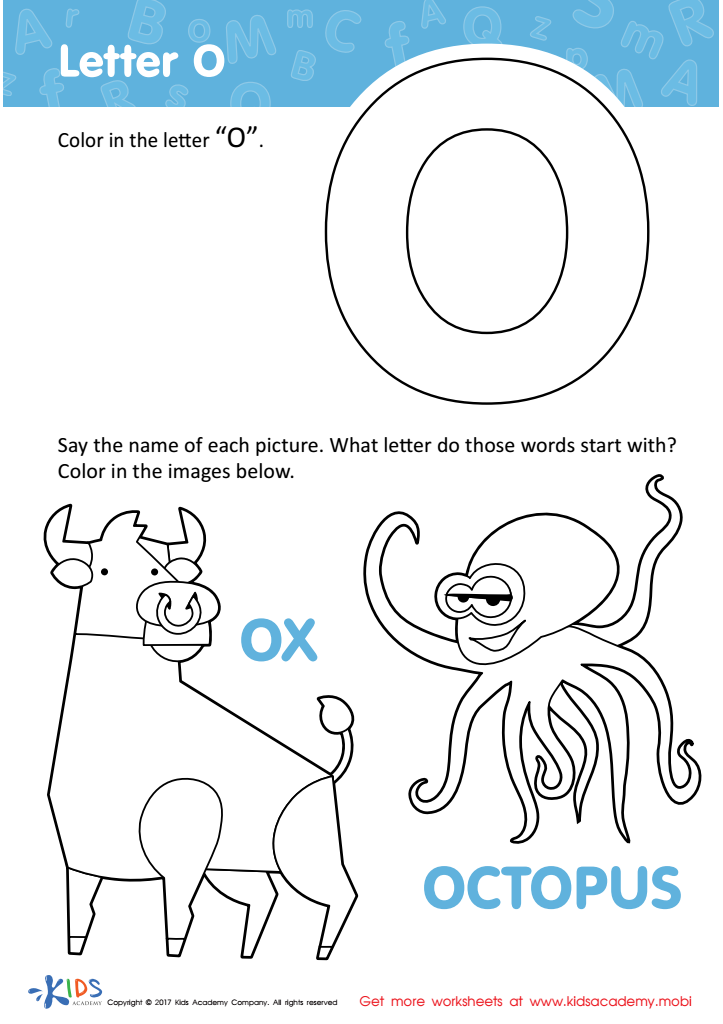
Letter O Coloring Sheet
 Assign to My Students
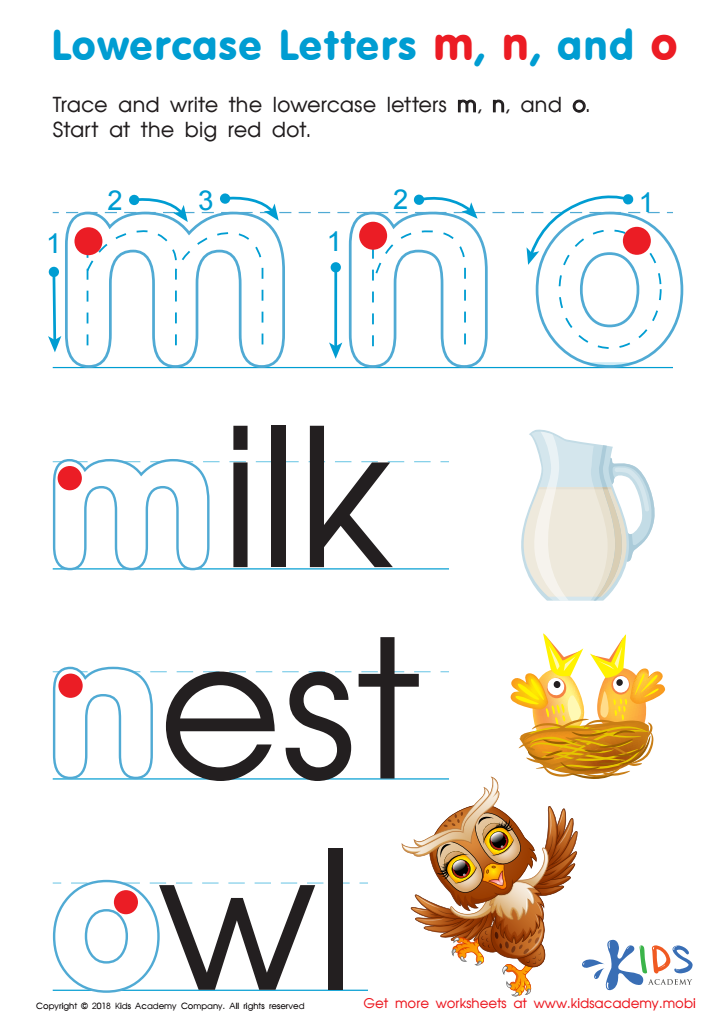
Lowercase Letters m n o Worksheet
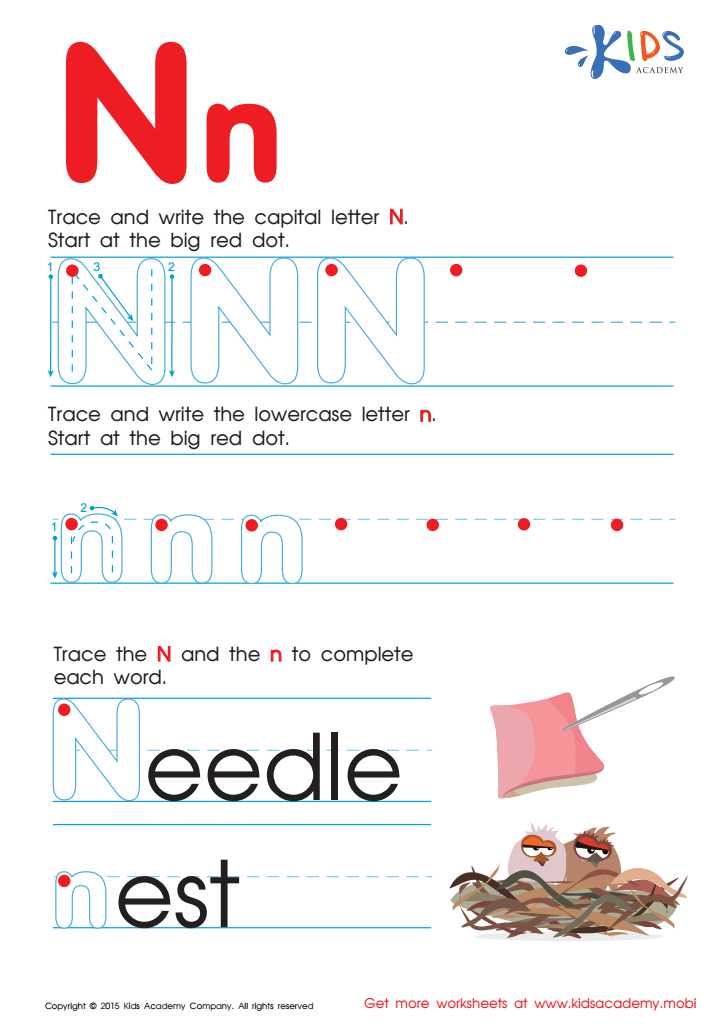
Letter N Tracing Page
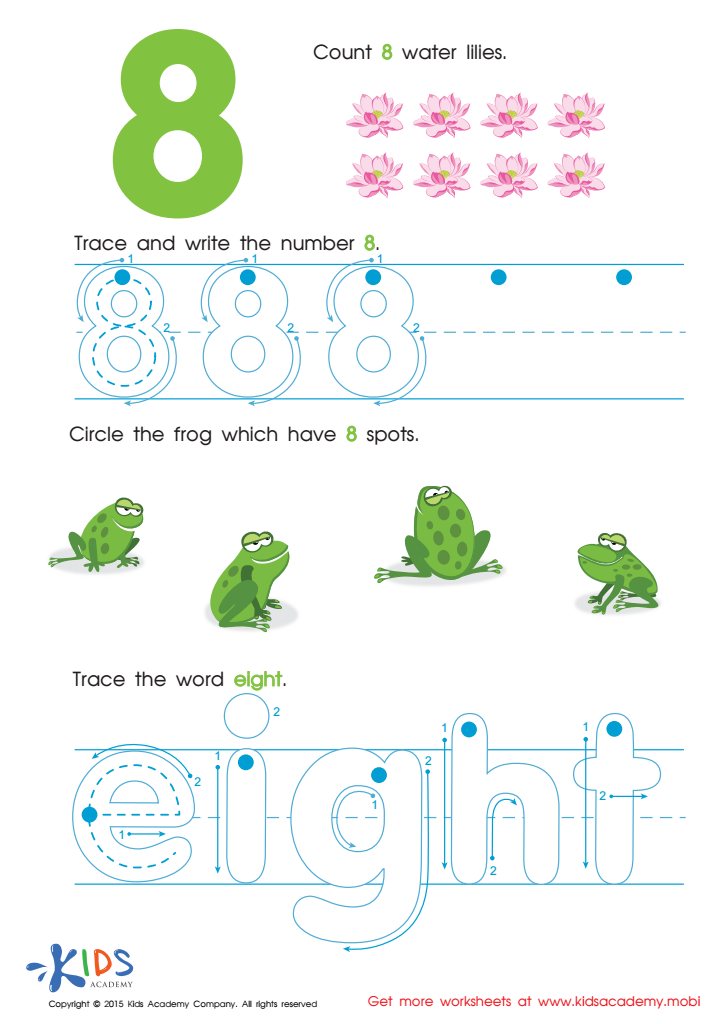
Learn Number 8 Easily Worksheet
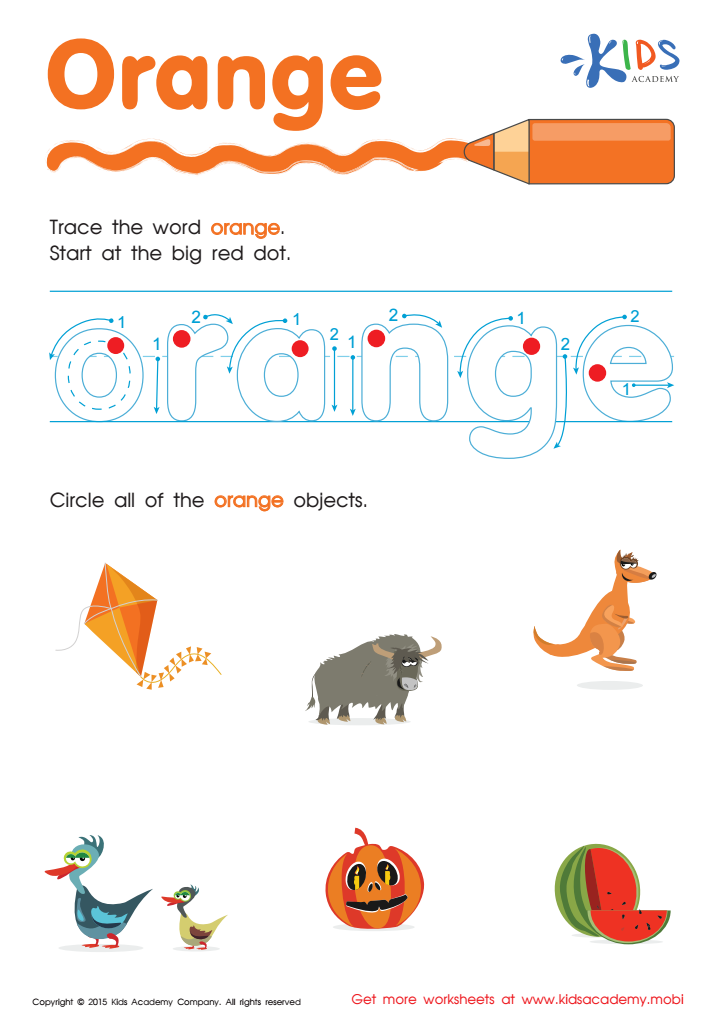
Orange Tracing Color Words Worksheet
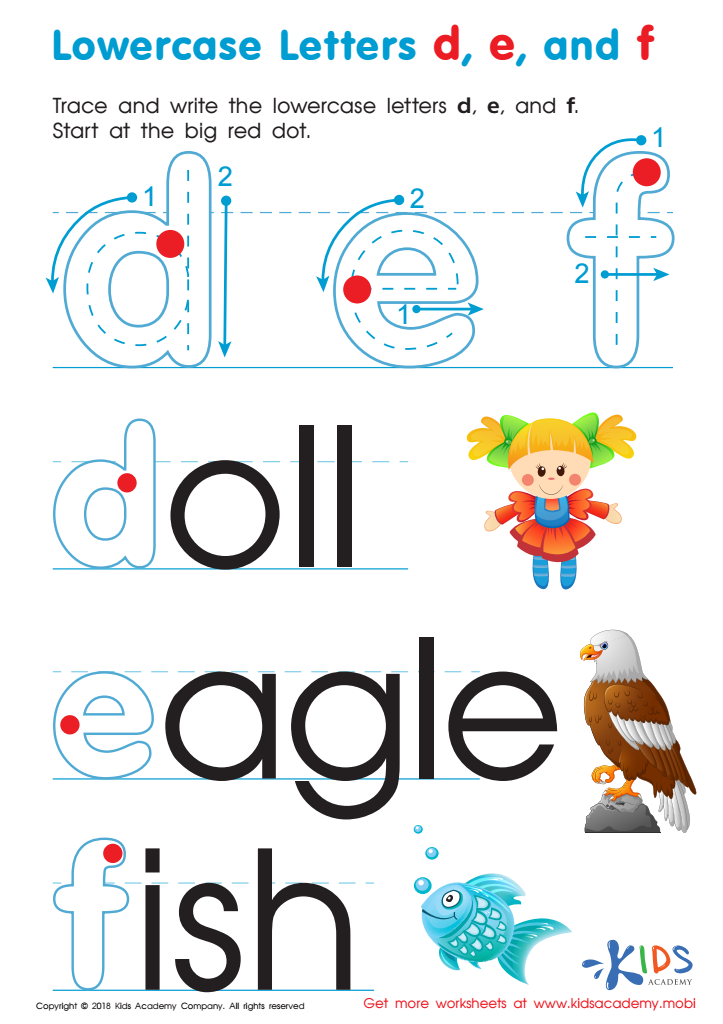
Lowercase Letters d e f Worksheet
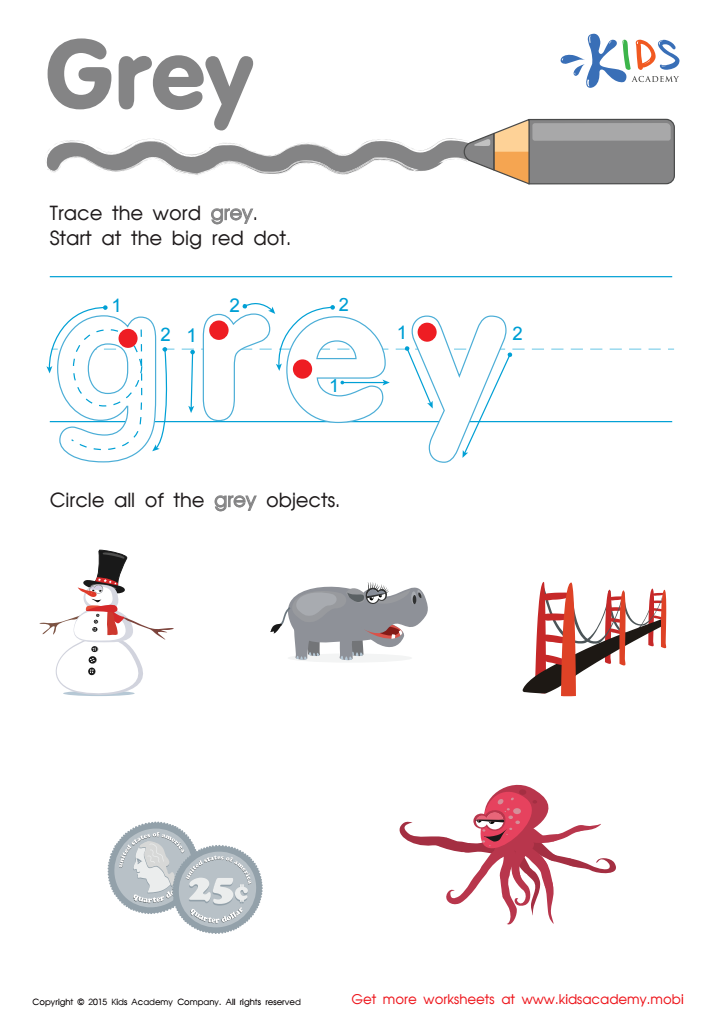
Grey Tracing Color Words Worksheet
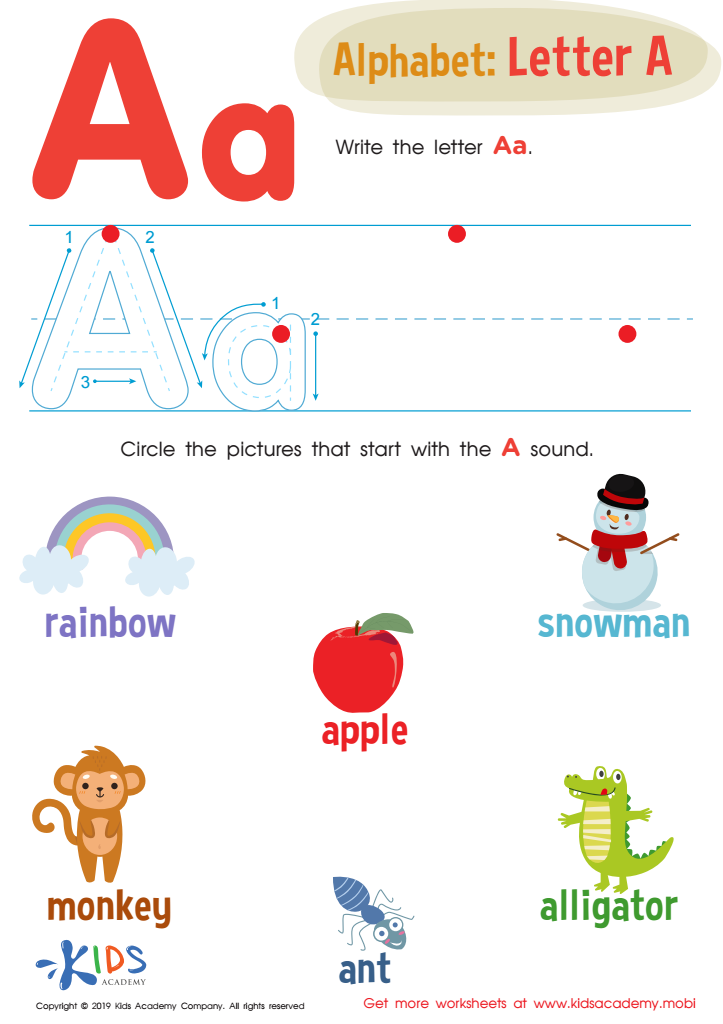
Letter A Tracing Worksheet
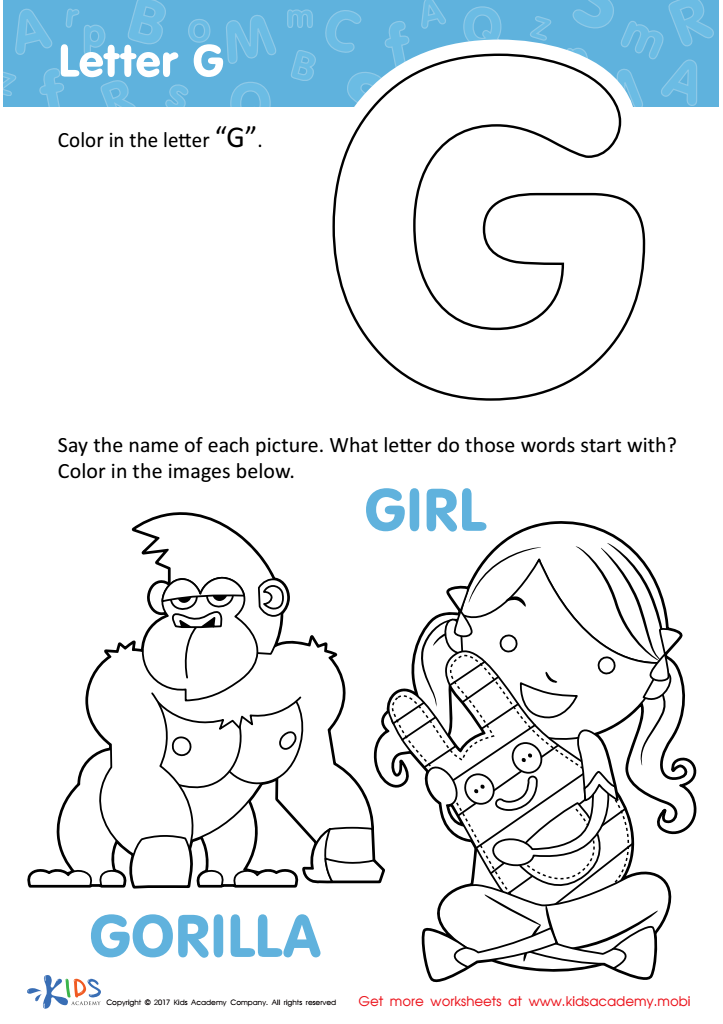
Letter G Coloring Sheet
Assign to My Students
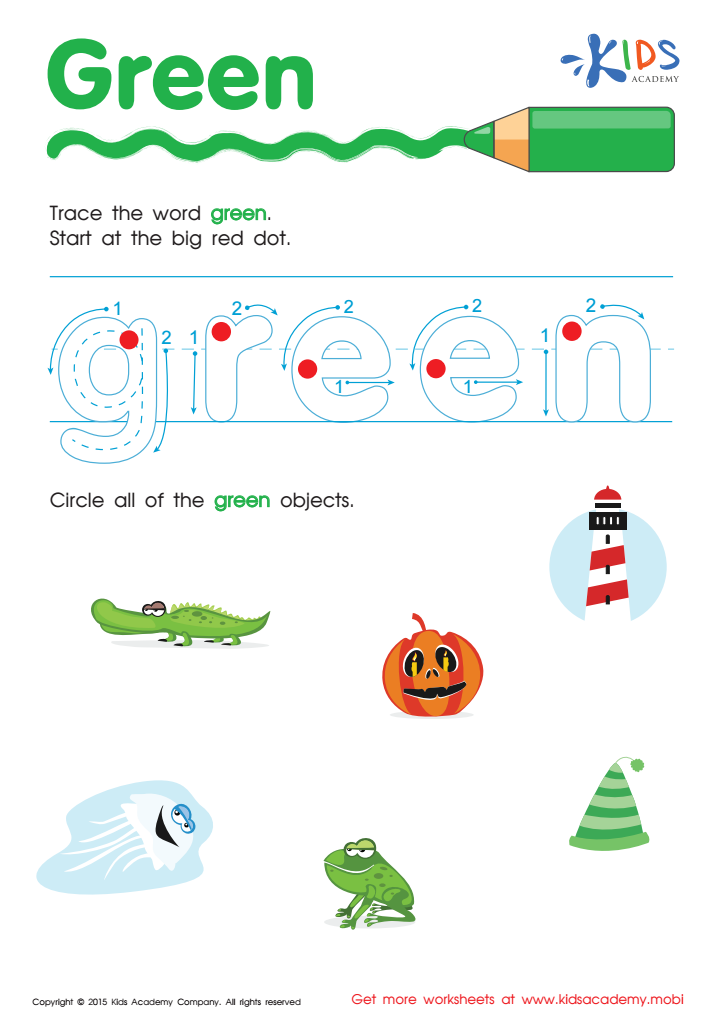
Green Tracing Color Words Worksheet
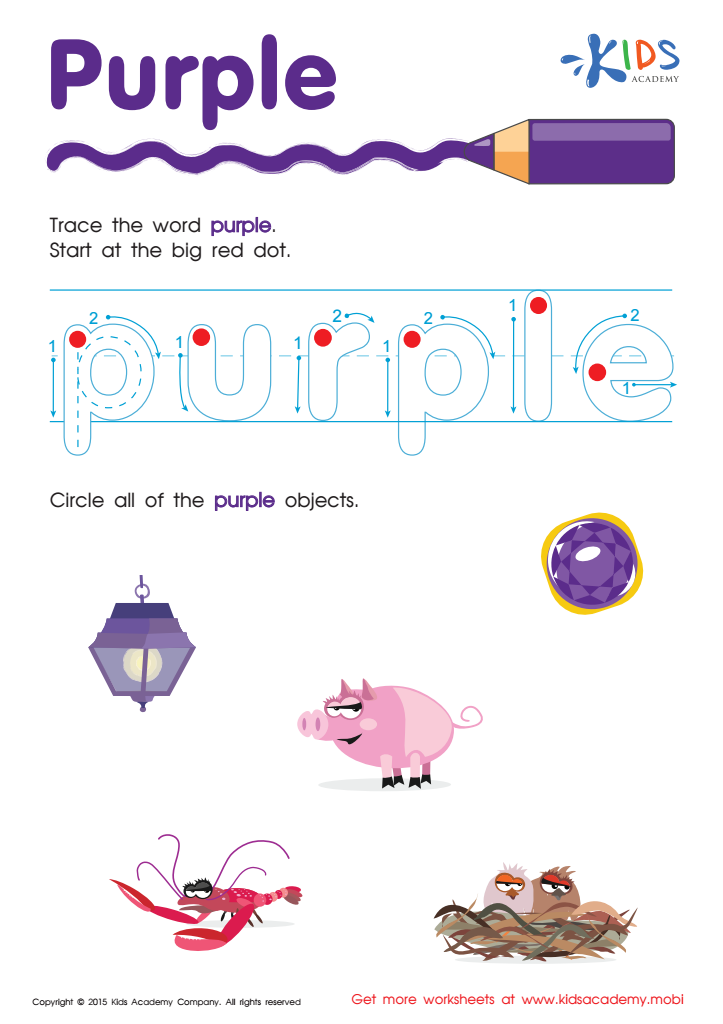
Purple Tracing Color Words Worksheet
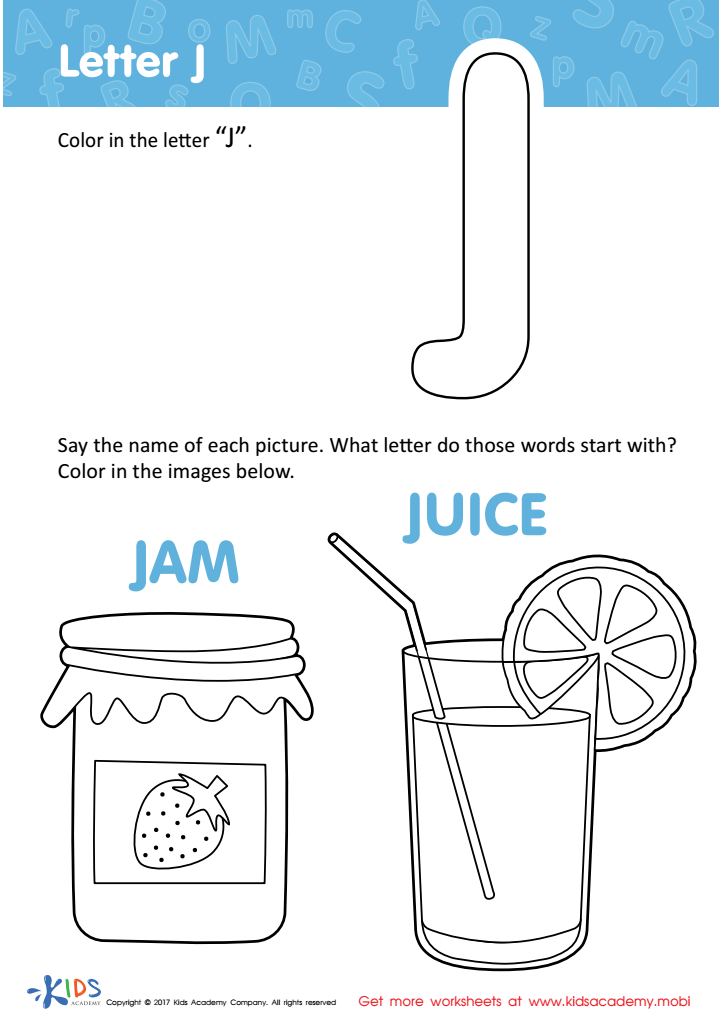
Letter J Coloring Sheet
Assign to My Students
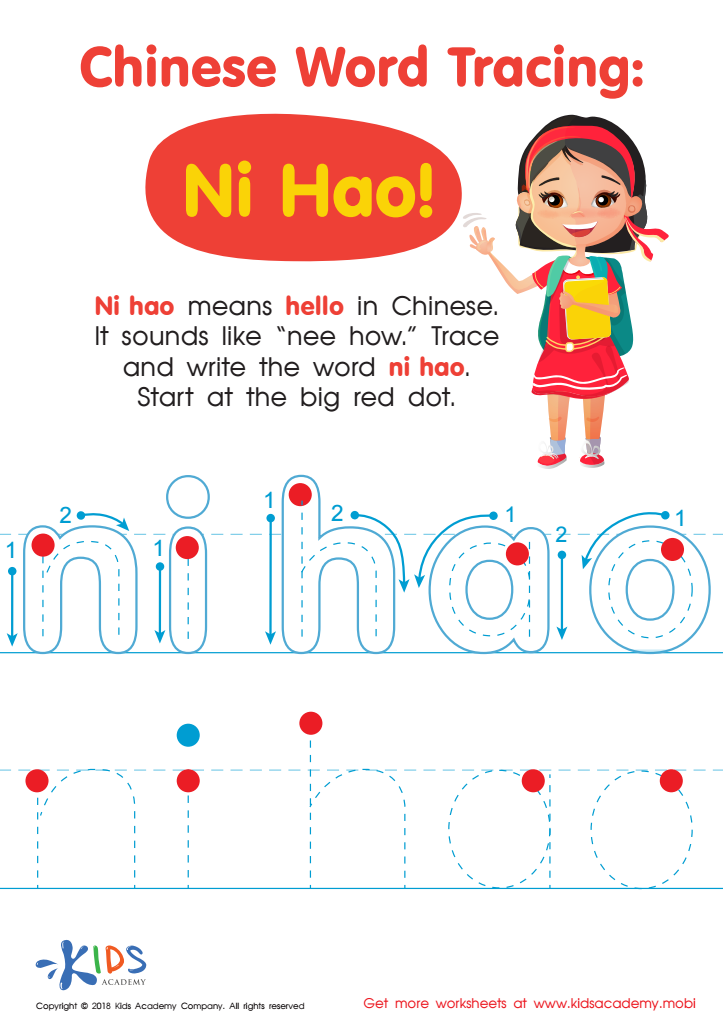
Chinese Word Tracing: Ni Hao Worksheet
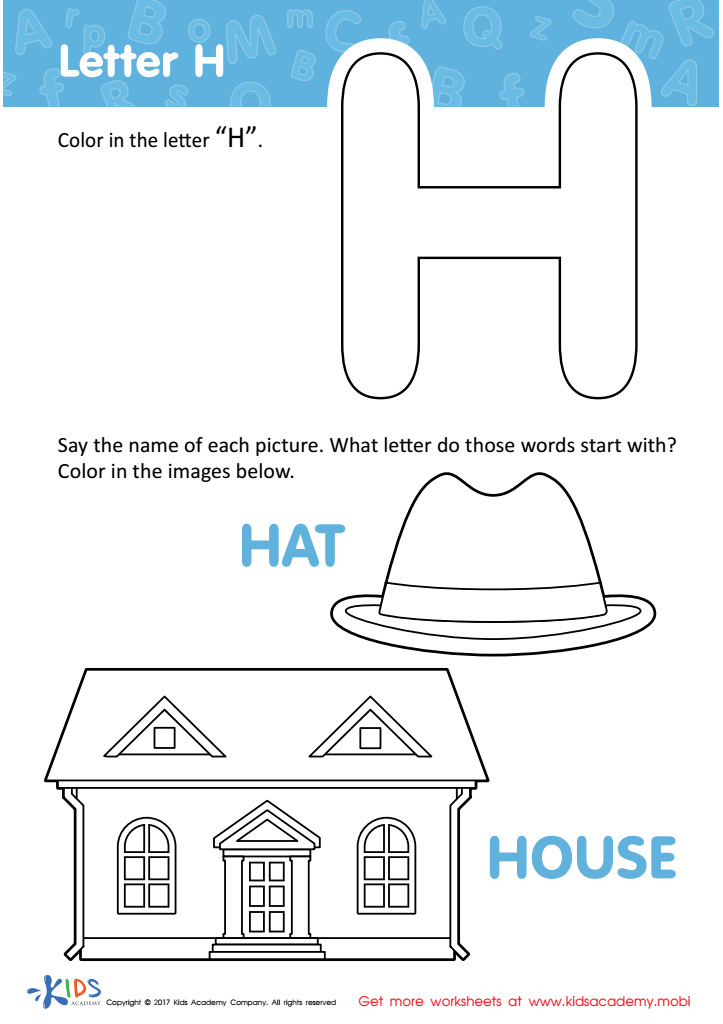
Letter H Coloring Sheet
Assign to My Students
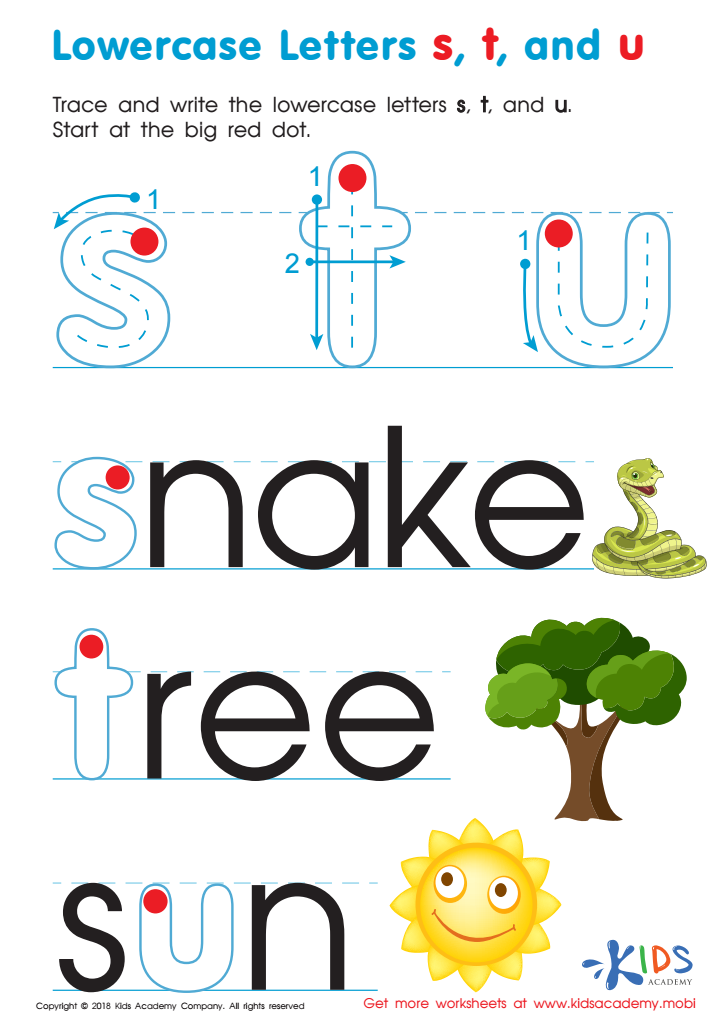
Lowercase Letters s t u Worksheet
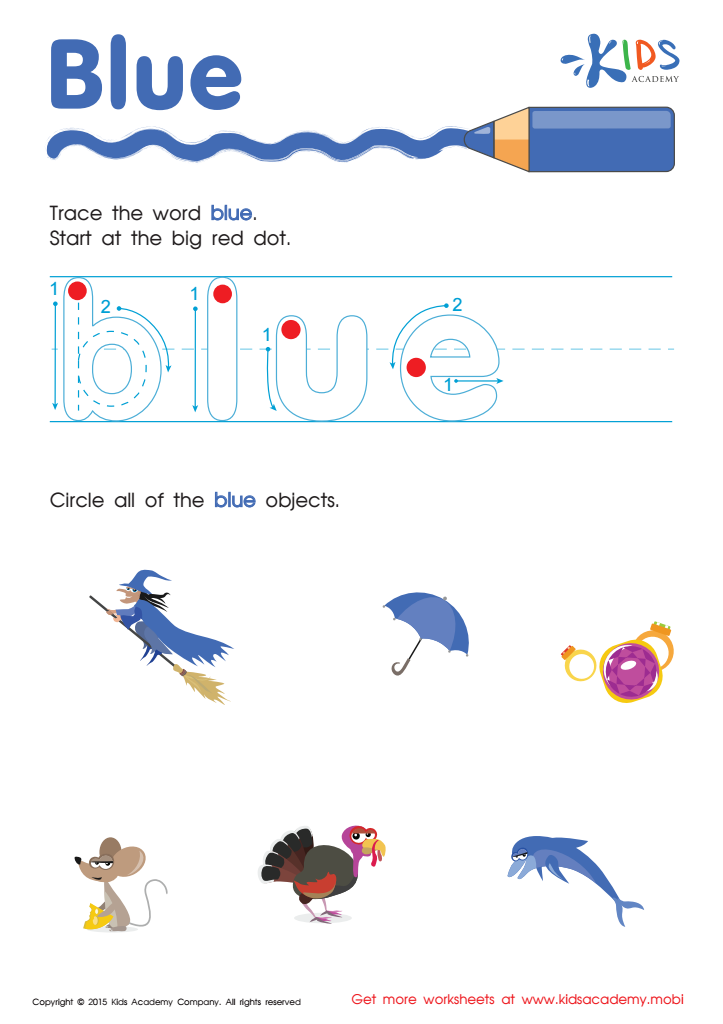
Blue Tracing Color Words Printable
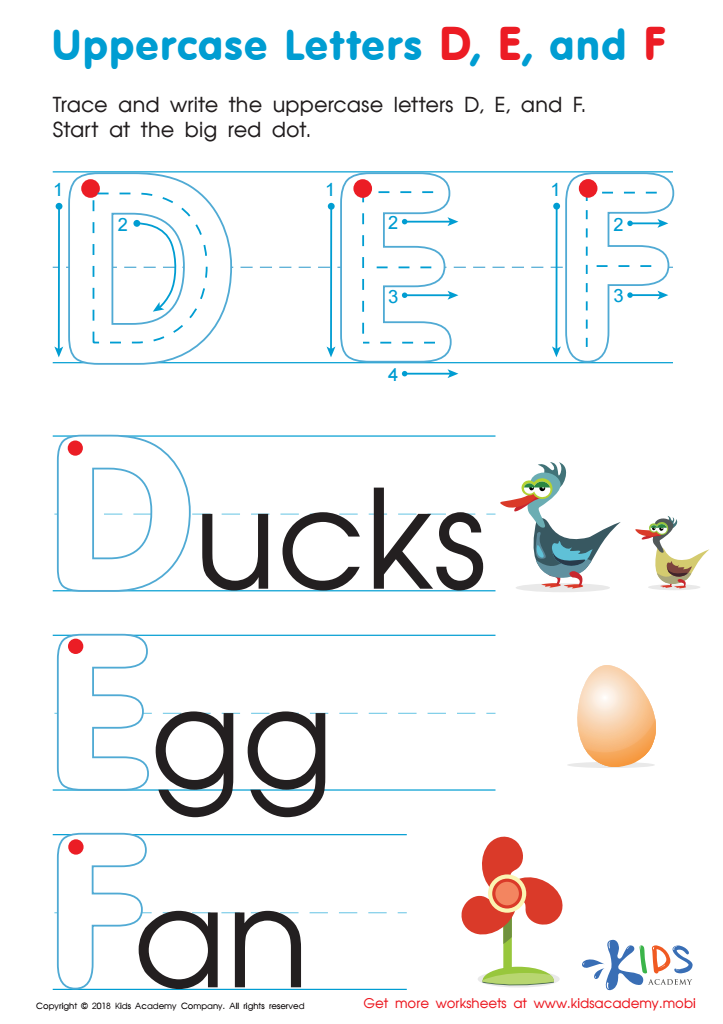
Uppercase Letters D, E, and F Worksheet
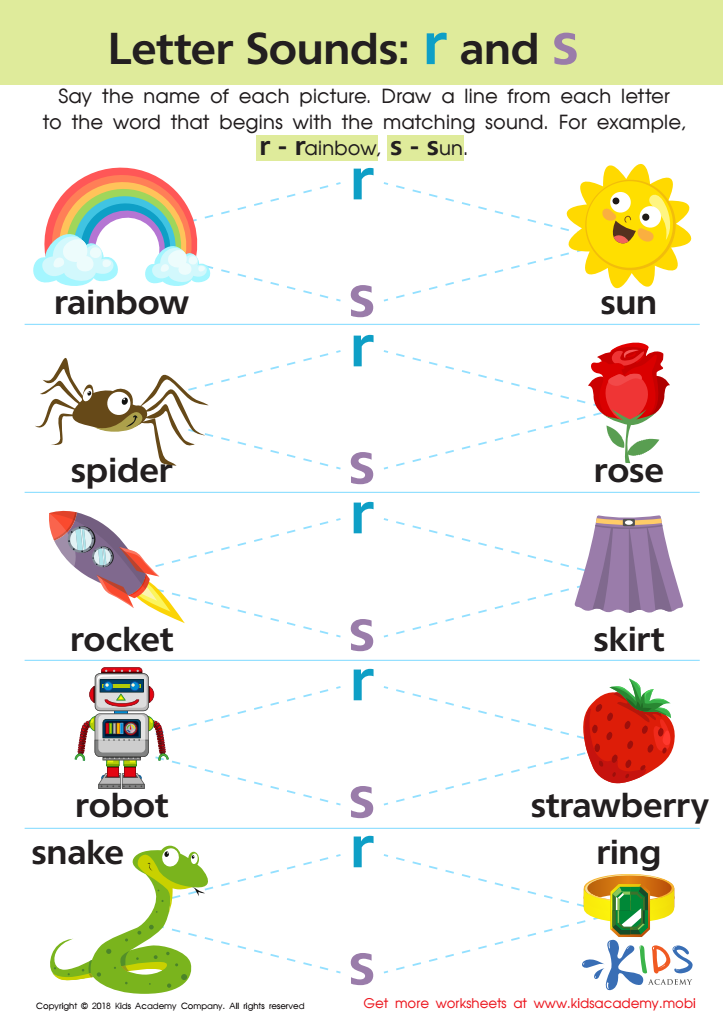
Letter R and S Sounds Worksheet
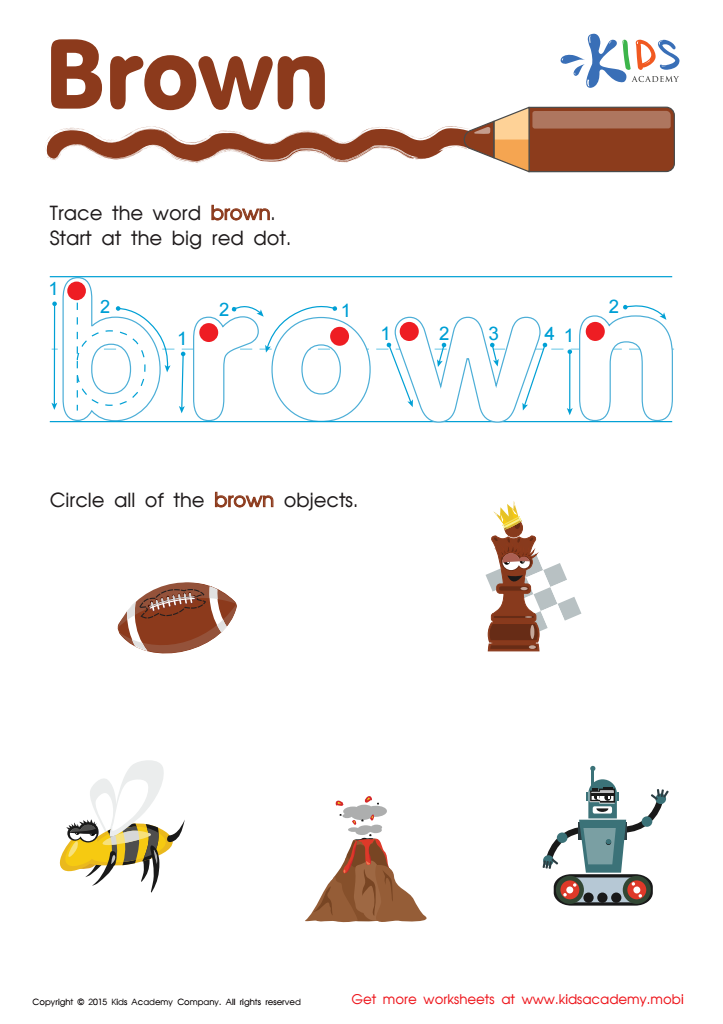
Brown Tracing Color Words Worksheet
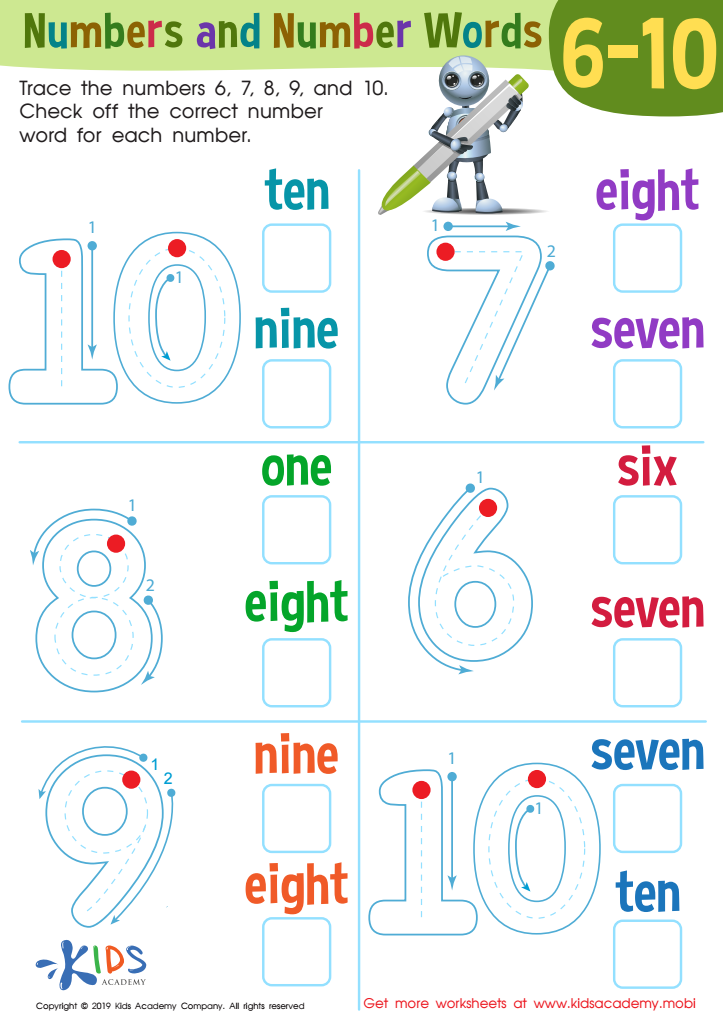
Numbers and Number Words 6–1 Worksheet
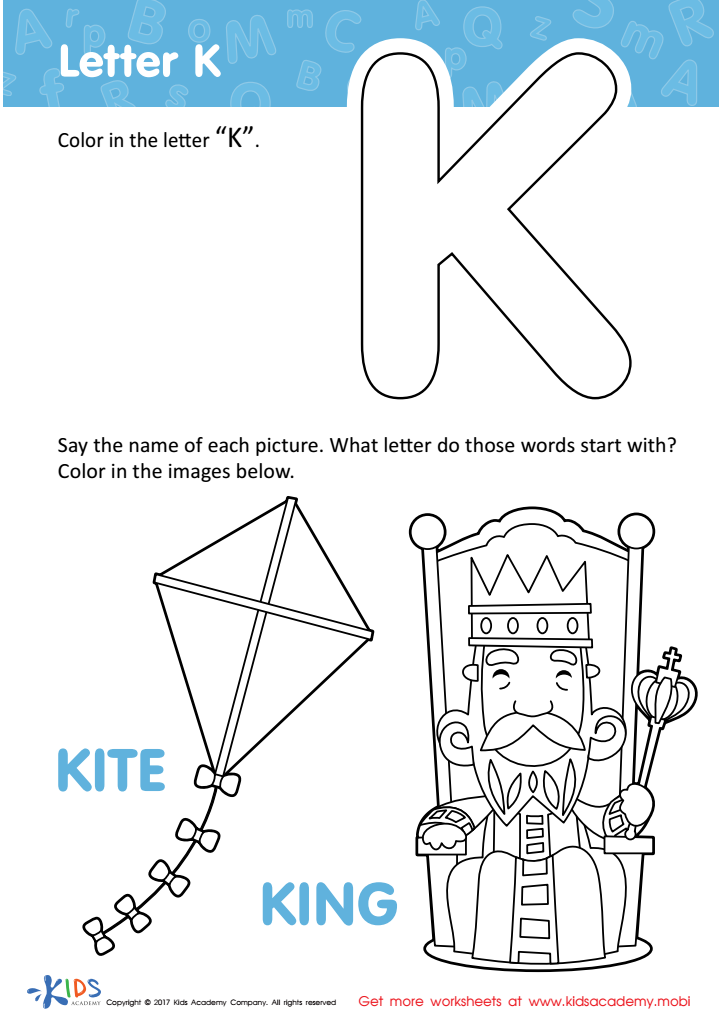
Letter K Coloring Sheet
Assign to My Students
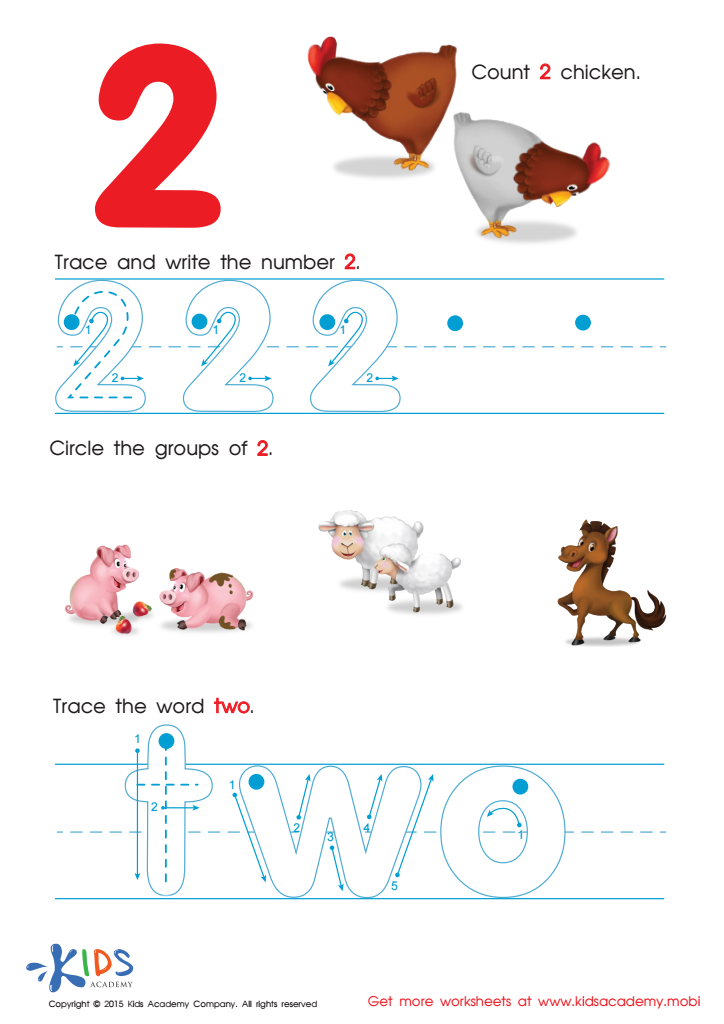
Learn to Write the Number 2 Worksheet
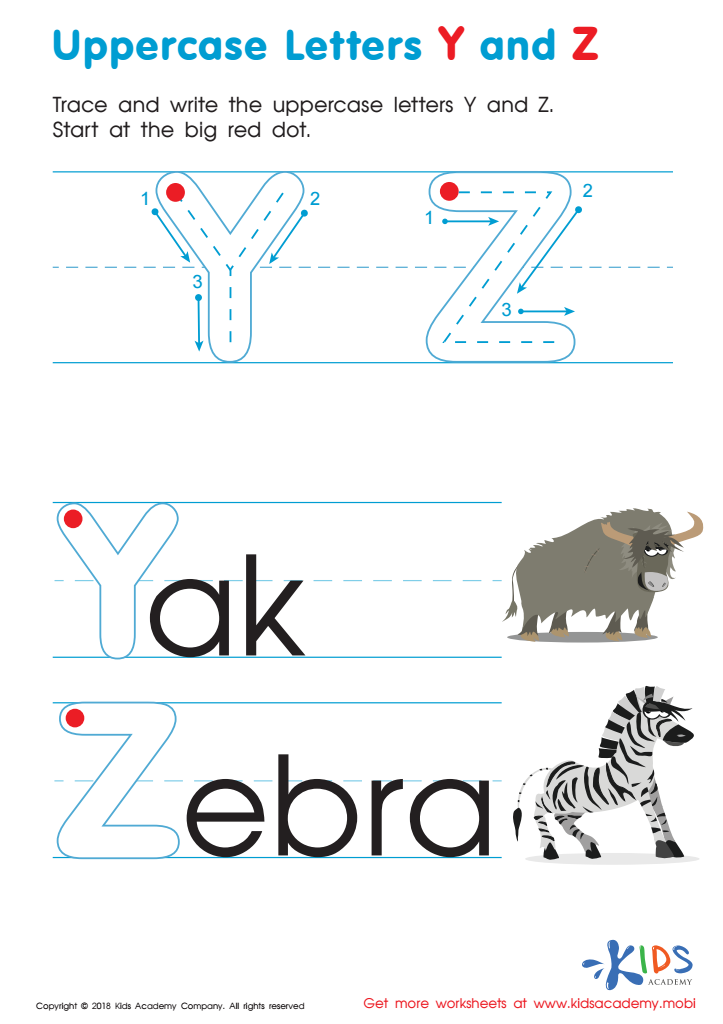
Uppercase Letters Y Z Worksheet
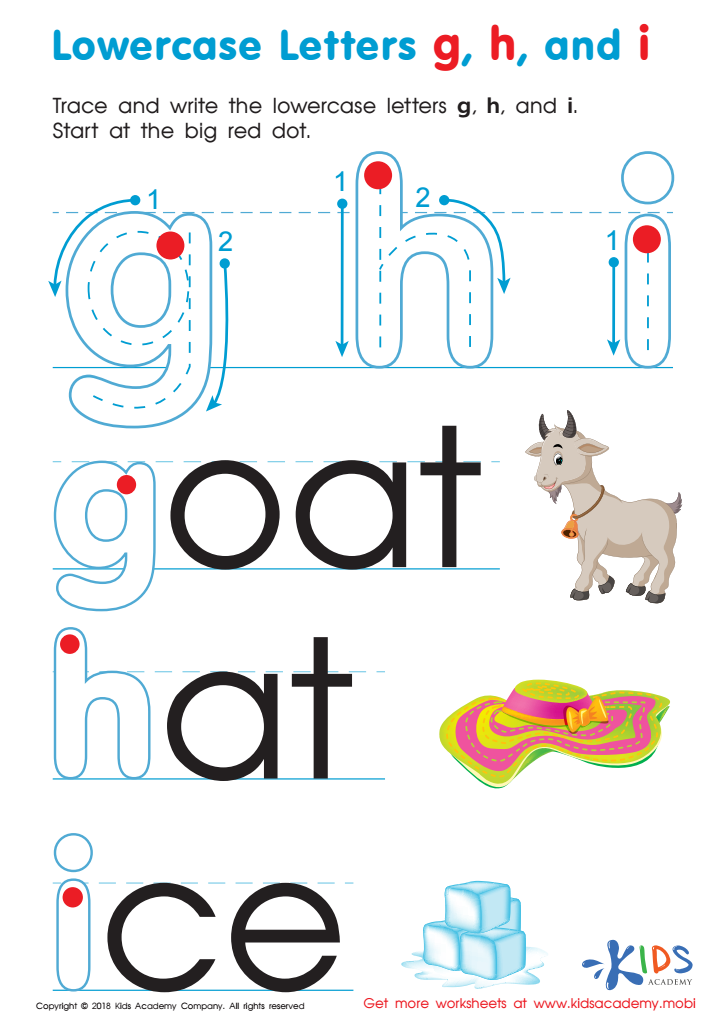
Lowercase Letters g h i Worksheet








Handwriting practice for 4-year-olds is essential for several reasons that benefit both cognitive and motor skill development. At this age, children are in a critical stage of fine motor skills development, which lays the groundwork for later academic success. When children engage in handwriting practice, they strengthen their hand-eye coordination and dexterity, helping them gain control over writing tools like pencils and crayons.
Additionally, handwriting practice fosters early literacy skills. As children learn to form letters, they also enhance their understanding of phonetics and spelling. This hands-on approach makes the learning process interactive and enjoyable, setting a positive attitude toward writing in the future.
Moreover, regular handwriting practice can alleviate future difficulties in writing and communication. Early exposure allows children to develop good habits and proper techniques, reducing frustration down the road.
Finally, handwriting is a form of self-expression. By mastering this skill, children can communicate their thoughts and creativity more effectively. Encouraging handwriting through playful activities, such as tracing or drawing, benefits their development while establishing a strong foundation for their educational journey. For these reasons, parents and teachers should prioritize handwriting practice in early childhood to support a well-rounded development approach.








