
Understanding Sequences Normal Worksheets for 4-Year-Olds
4 filtered results
Difficulty Level
Grade
Age
-
From - To
Subject
Activity
Standards
Unlock your child's potential with our "Understanding Sequences Normal Worksheets for 4-Year-Olds." Designed to foster cognitive development and early math skills, these worksheets teach children to recognize and complete basic sequences in a fun, engaging way. Each activity features vibrant illustrations and age-appropriate challenges to keep young learners intrigued and motivated. By practicing sequencing, children enhance their memory, logical thinking, and problem-solving skills, laying the foundation for future academic success. Ideal for parents and educators, these printable worksheets offer a great mix of education and entertainment, ensuring a well-rounded early learning experience.
Favorites
With answer key
Interactive
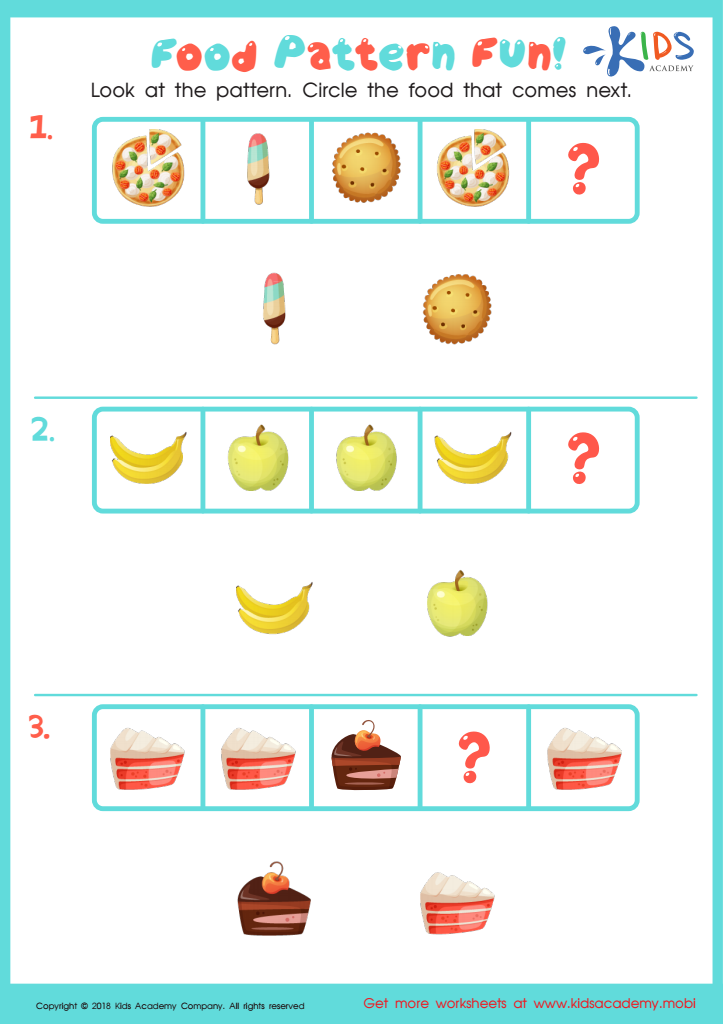
Food Pattern Fun Worksheet
Got kids who love snacks? Get them excited with this fun food pattern worksheet! Ask them to identify the foods in the printout then spot the pattern and circle the next food in each row. It's a great way to get them thinking and have fun at the same time!
 Assign to My Students
Food Pattern Fun Worksheet
Worksheet
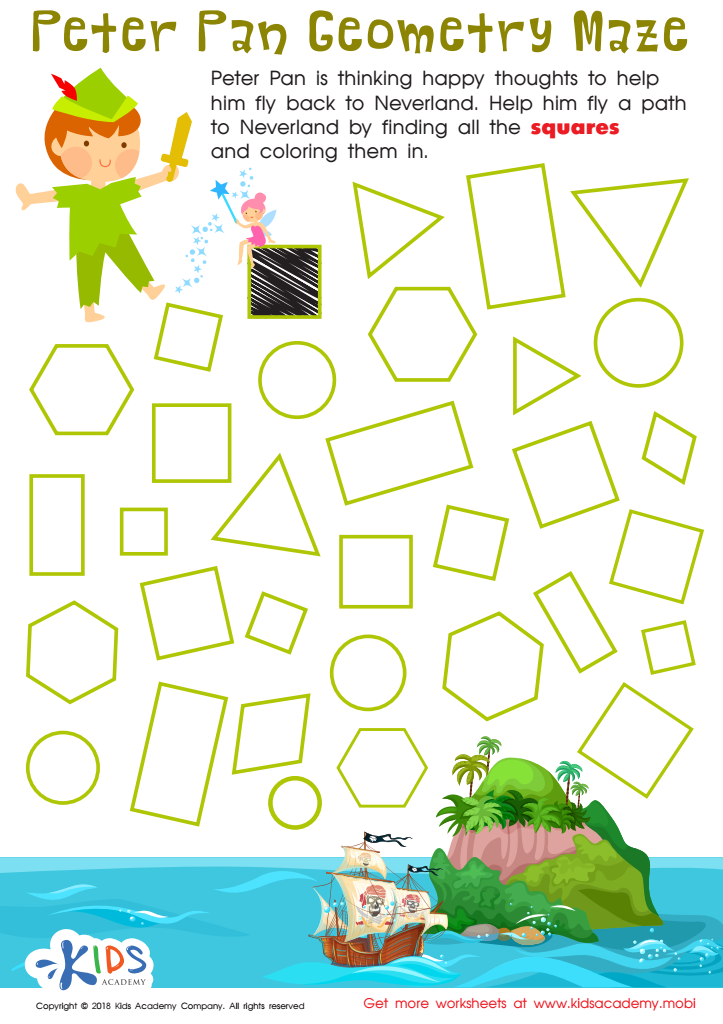
Peter Pan Worksheet
Kindergarteners can join Peter Pan on an adventure to Neverland! They can help him by coloring squares to create a path, strengthening their shape identification skills in a fun maze. Let the journey begin!
Peter Pan Worksheet
Worksheet
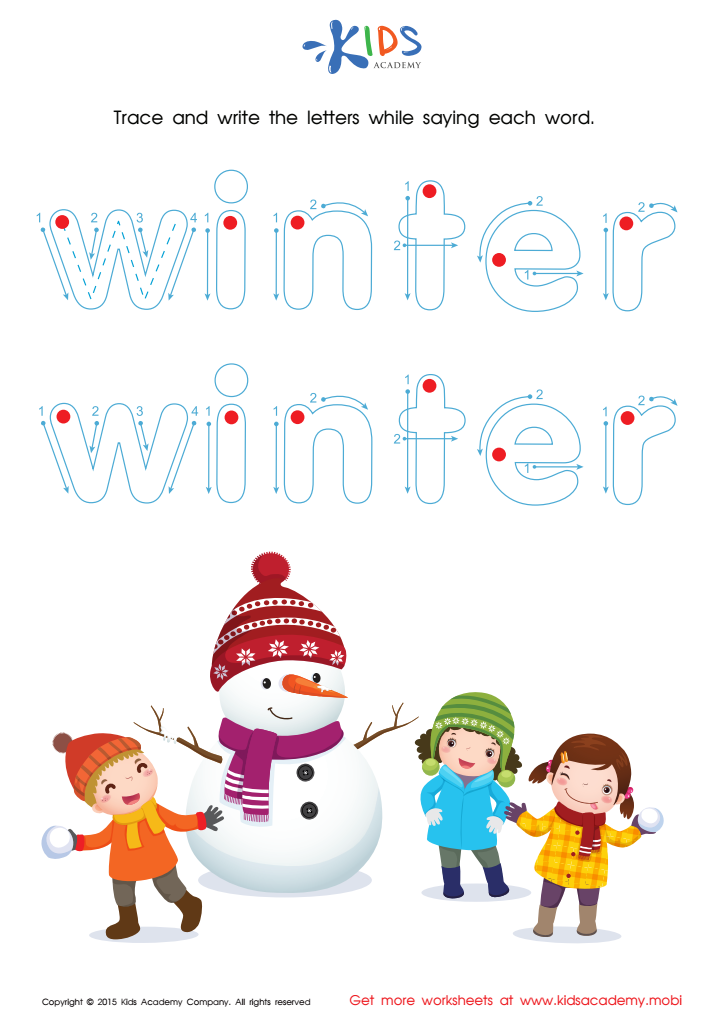
Snowman Tracing Winter Words Worksheet
This free winter printable teaches handwriting and spelling with the word "snowman". It's a fun way to get your kid ready for Christmas cheer! Want more tracing worksheets? Check out here.
Snowman Tracing Winter Words Worksheet
Worksheet
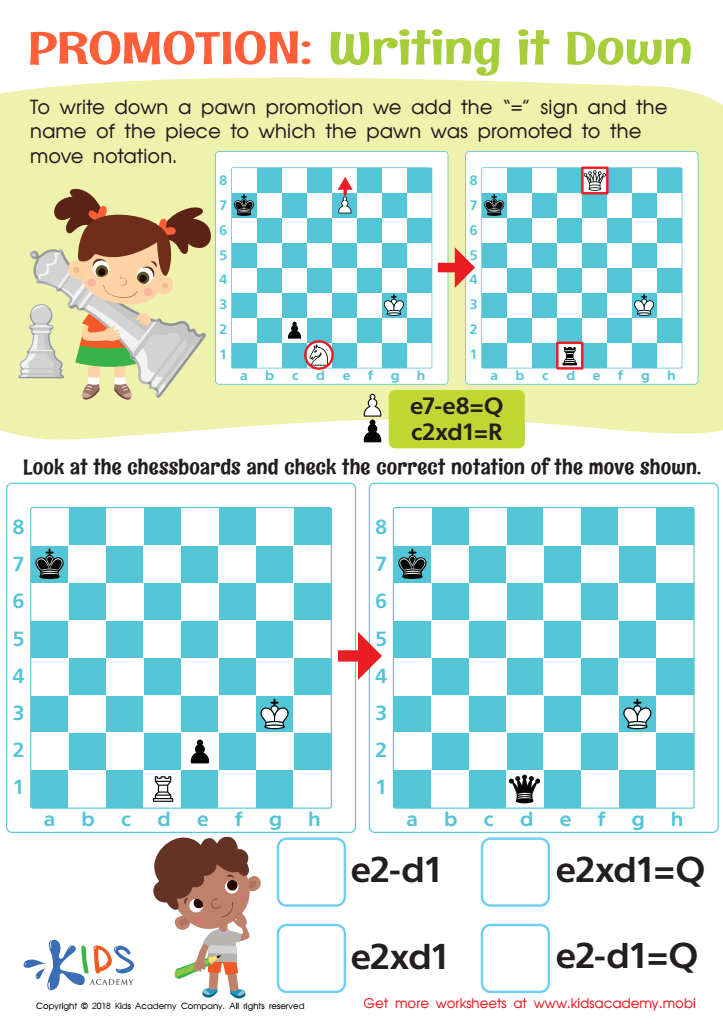
Writing it Down Worksheet
To document pawn promotion, add "=<piece name>" to the move notation. For example: e7-e8=Q. Ask your child to look at the chessboard and take note of the moves. Check the notations are correct. (80 words)
Writing it Down Worksheet
Worksheet
Join Kids Academy for Free
Who is primarily going to use this learning content?




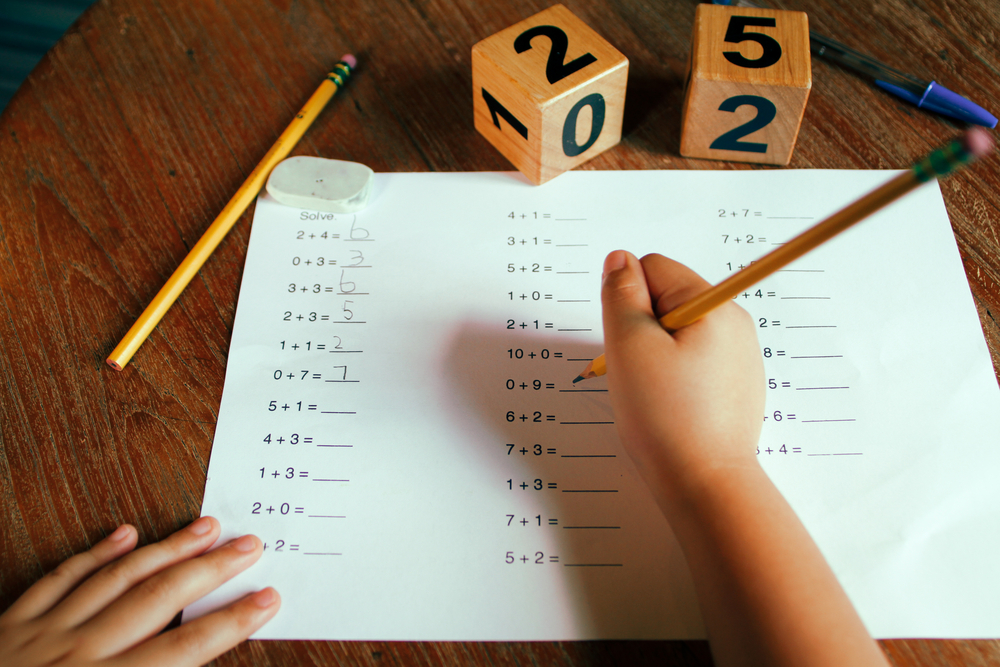



Parents and teachers should care about understanding sequences early in a child's life because it lays a crucial foundation for cognitive development and academic success. At around 4 years old, children are at a critical stage for developing basic math and literacy skills, and understanding sequences is central to both. Sequences help children understand order, predictability, and the idea that events follow a specific arrangement, which is foundational for counting, recognizing patterns, and later more complex mathematical concepts like addition and subtraction.
Moreover, the ability to comprehend sequences supports language development and reading skills. For instance, storytelling and understanding the order of events in a narrative enhance comprehension and expressive language abilities. When children understand that stories have a beginning, middle, and end, they improve their memory, attention, and ability to follow directions, all crucial for effective communication.
Additionally, grasping sequences aids in performing daily routines and in planning and organizing activities. For example, learning the sequence of getting dressed or the steps to wash hands boosts children's independence and confidence. Early mastery of these skills can translate into better problem-solving abilities and more robust intellectual growth.
By fostering an understanding of sequences early on, parents and teachers set up young children for greater success across various domains of learning and personal growth.








