Critical Thinking Normal Science Worksheets for 4-Year-Olds
7 filtered results
-
From - To
Explore our engaging "Critical Thinking Normal Science Worksheets for 4-Year-Olds" designed to spark curiosity and foster essential cognitive skills in young learners. Our worksheets provide a playful and interactive way for children to engage with scientific concepts while enhancing their analytical abilities. Featuring colorful illustrations and age-appropriate activities, these resources encourage critical thinking through observation, problem-solving, and cause-and-effect reasoning. Ideal for at-home learning or classroom settings, these worksheets help develop a love for science while building foundational skills that pave the way for future academic success. Dive into critical thinking with our fun and educational worksheets today!
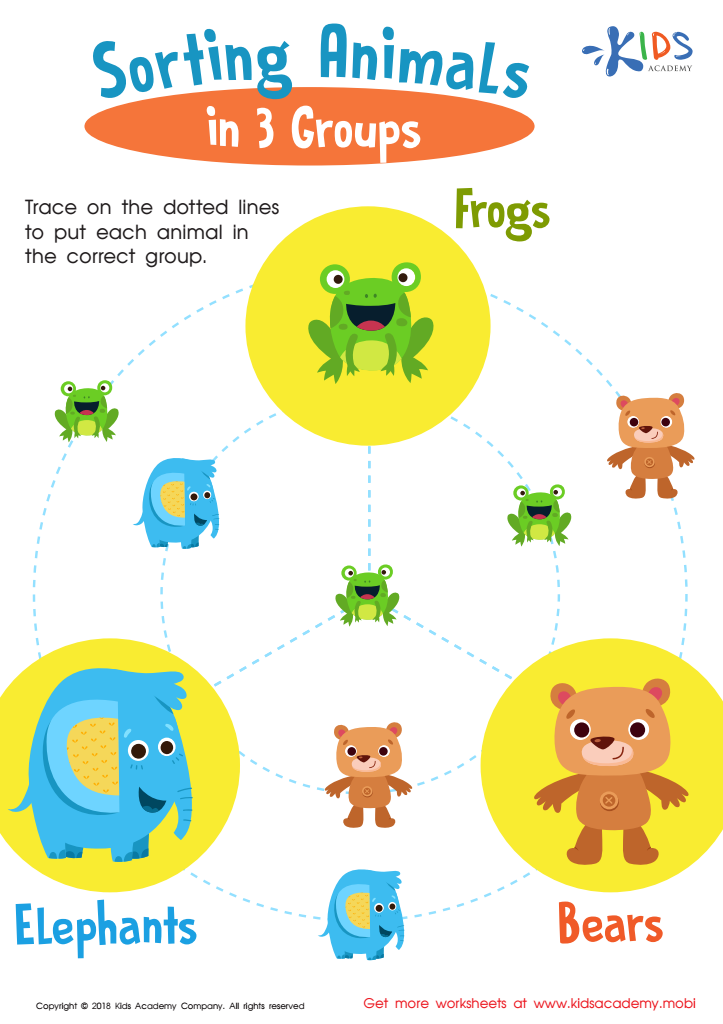
Sorting Animals in 3 Groups Worksheet
 Assign to My Students
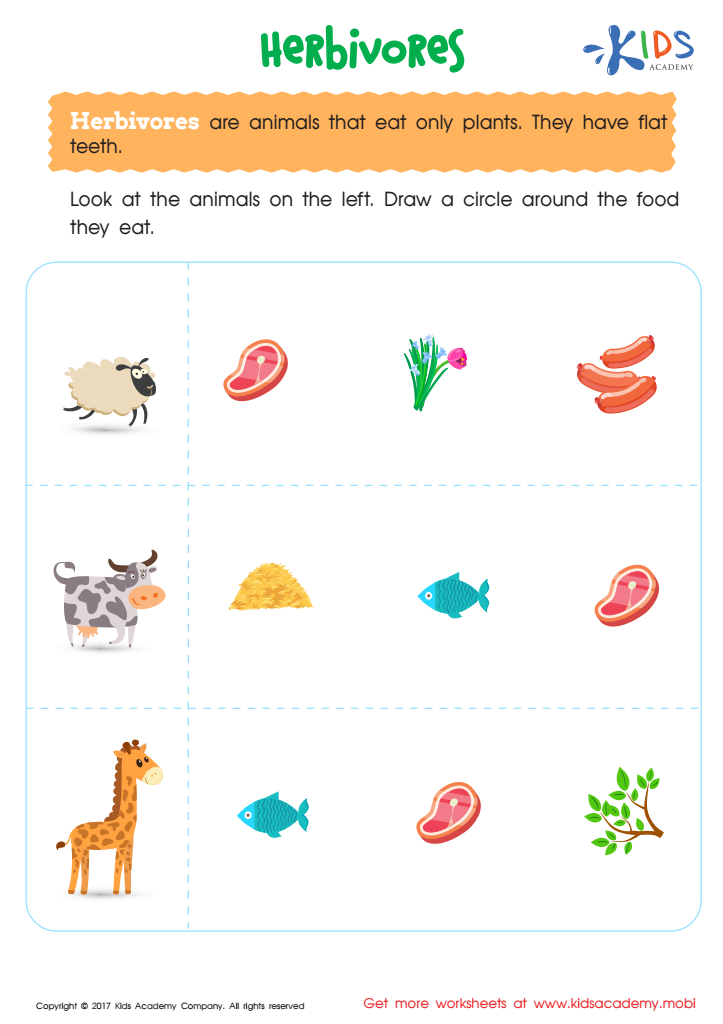
Herbivores Printable
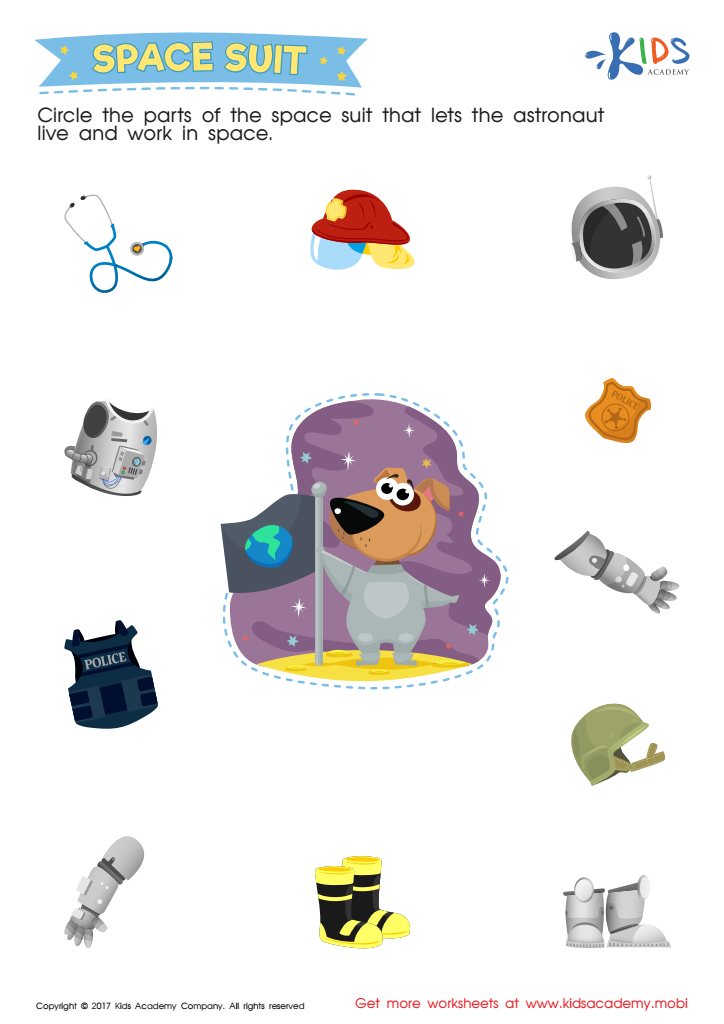
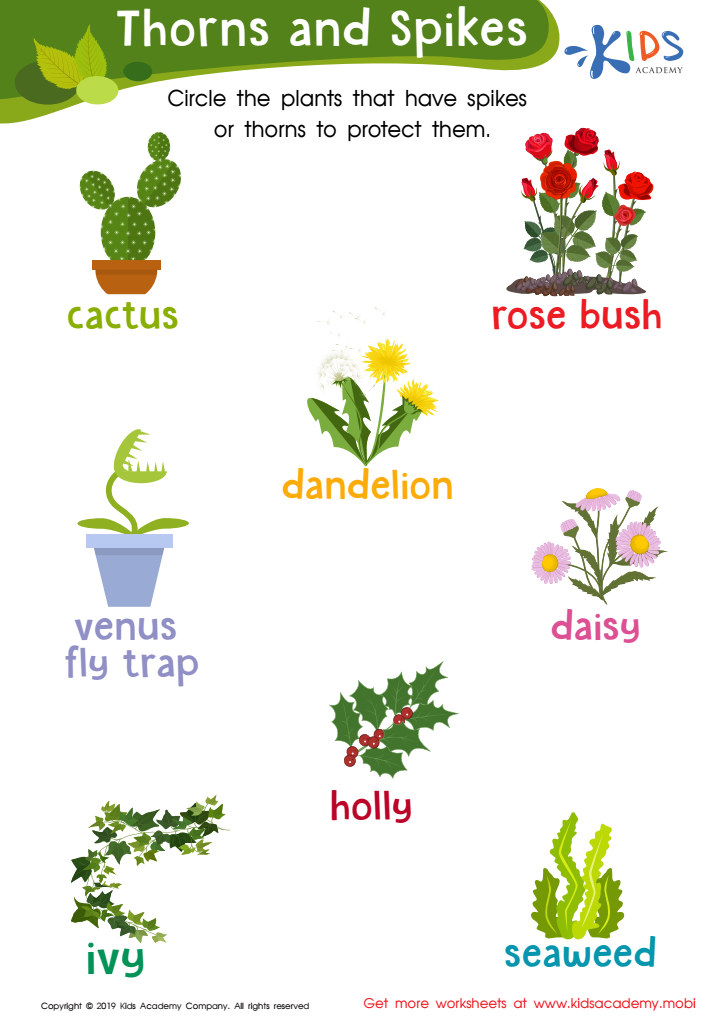
Thorns and Spikes Worksheet
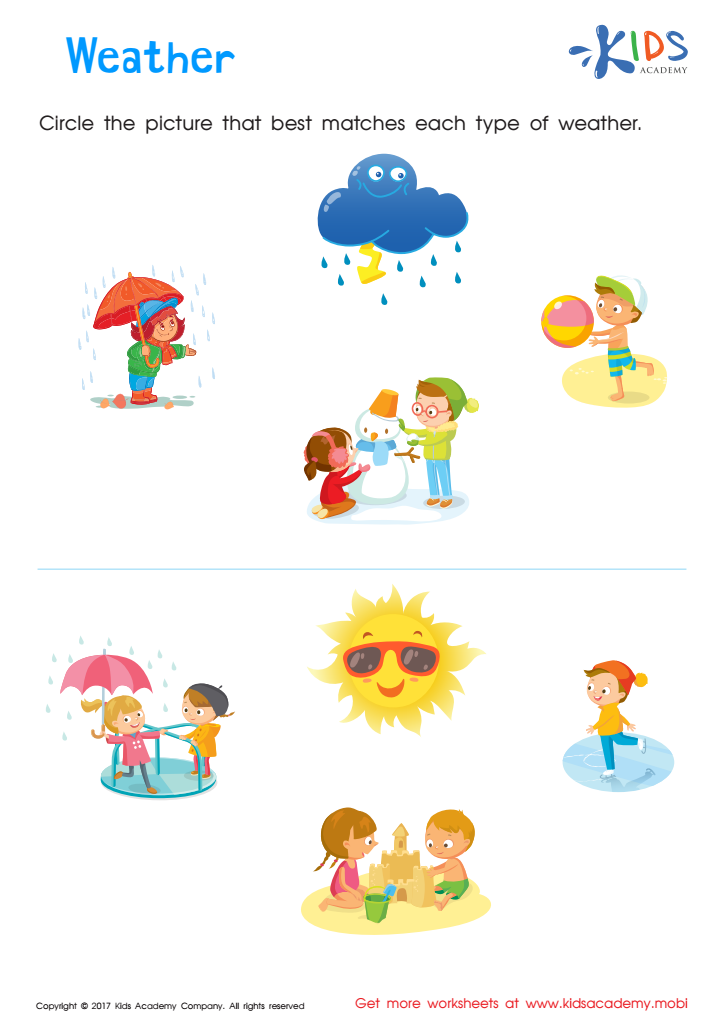
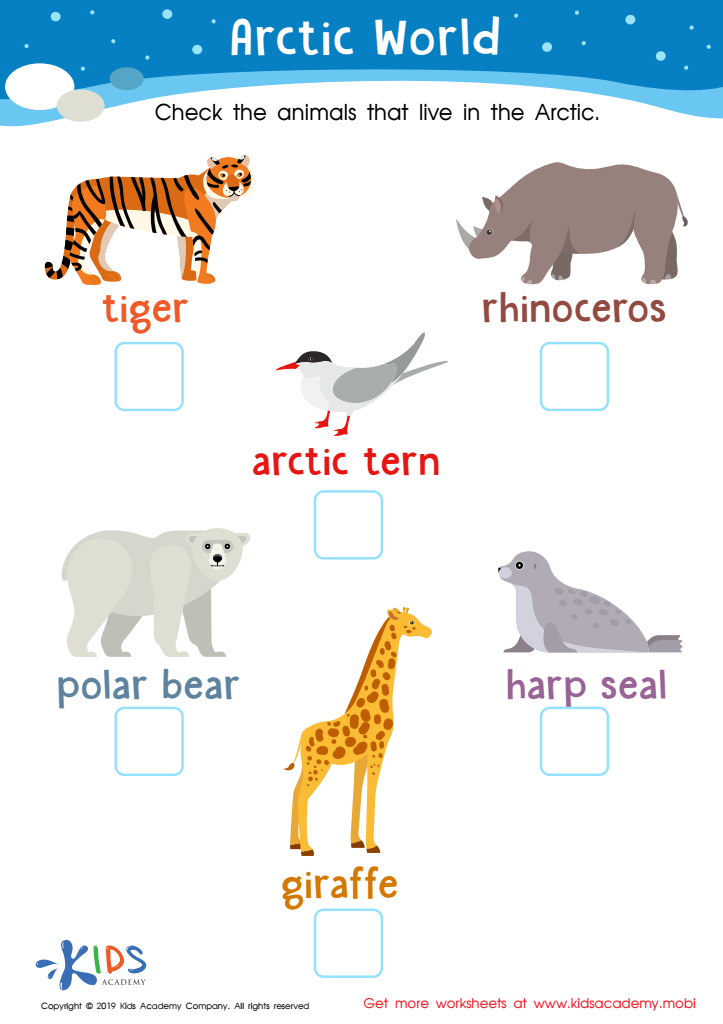
Arctic World Worksheet
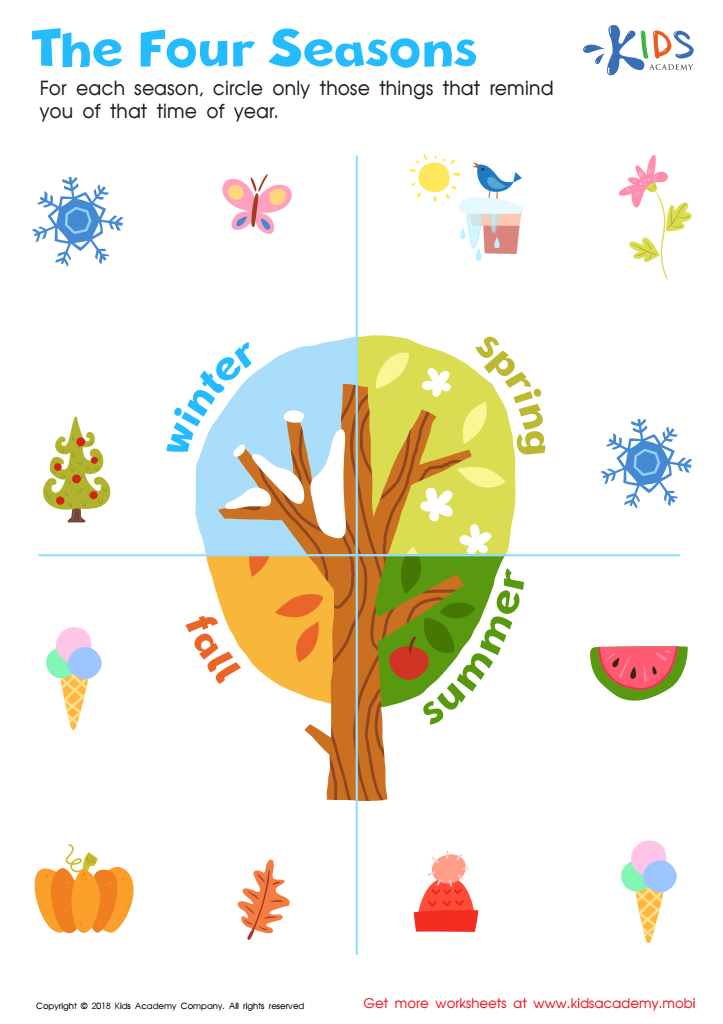
The Four Seasons Worksheet






Critical thinking is an essential skill that shapes a child's ability to understand and navigate the world. For 4-year-olds, incorporating critical thinking within the framework of "Normal Science" introduces young learners to inquiry-based learning, where they start to explore concepts of observation, hypothesis formation, and experimentation through play.
Parents and teachers should care about this because it fosters curiosity and encourages children to ask questions, think independently, and engage with their surroundings. Instead of passively receiving information, children learn to analyze and make connections. This foundational approach helps develop problem-solving skills and enhances cognitive flexibility—qualities that are vital throughout their educational journey.
Furthermore, early engagement with critical thinking helps children articulate their thoughts, defend their viewpoints, and collaborate with peers, nurturing social skills and boosting confidence. In today’s fast-changing world, where information is abundant and often complex, these skills will equip them to navigate future challenges effectively. By prioritizing critical thinking and normal scientific exploration at this early age, parents and teachers pave the way for lifelong learning, empowering children to become thoughtful, informed individuals who are prepared for a future of uncertainties and opportunities.







