Phonics Skills Normal Phonics Worksheets for Ages 5-6 - Page 2
38 filtered results
-
From - To
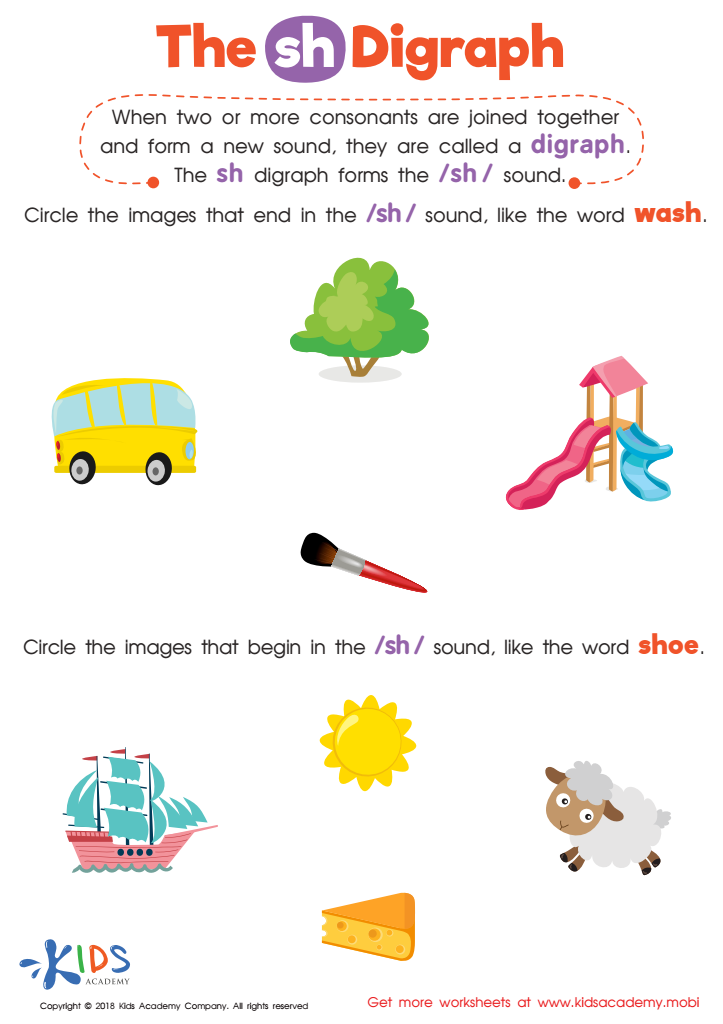
The SH Digraph Worksheet
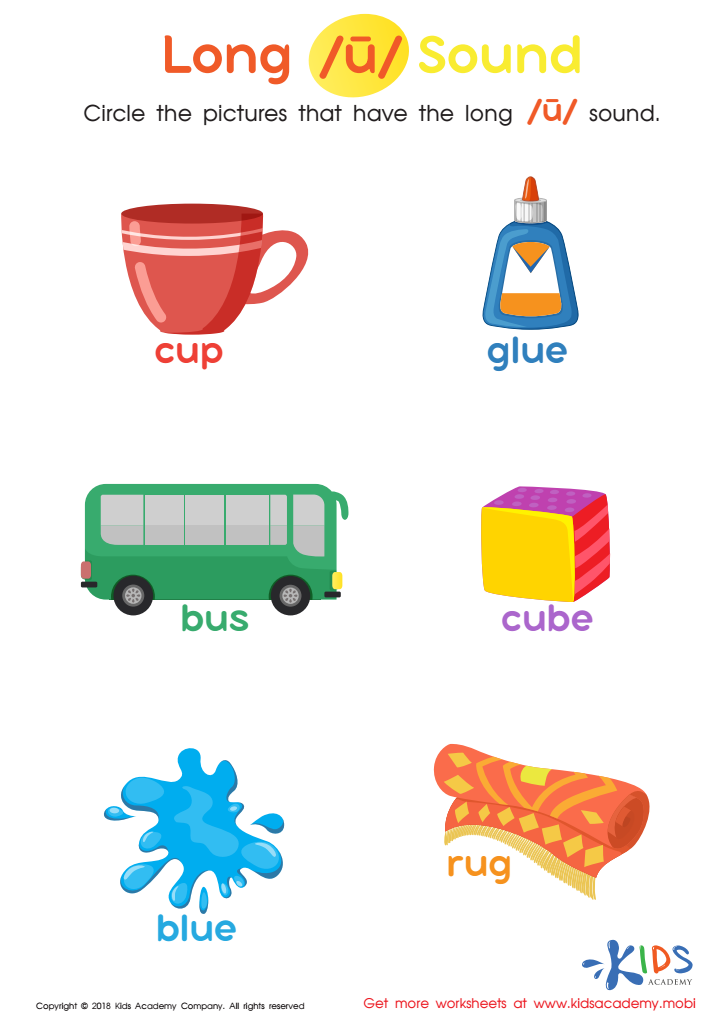
Long «u» Sound Worksheet
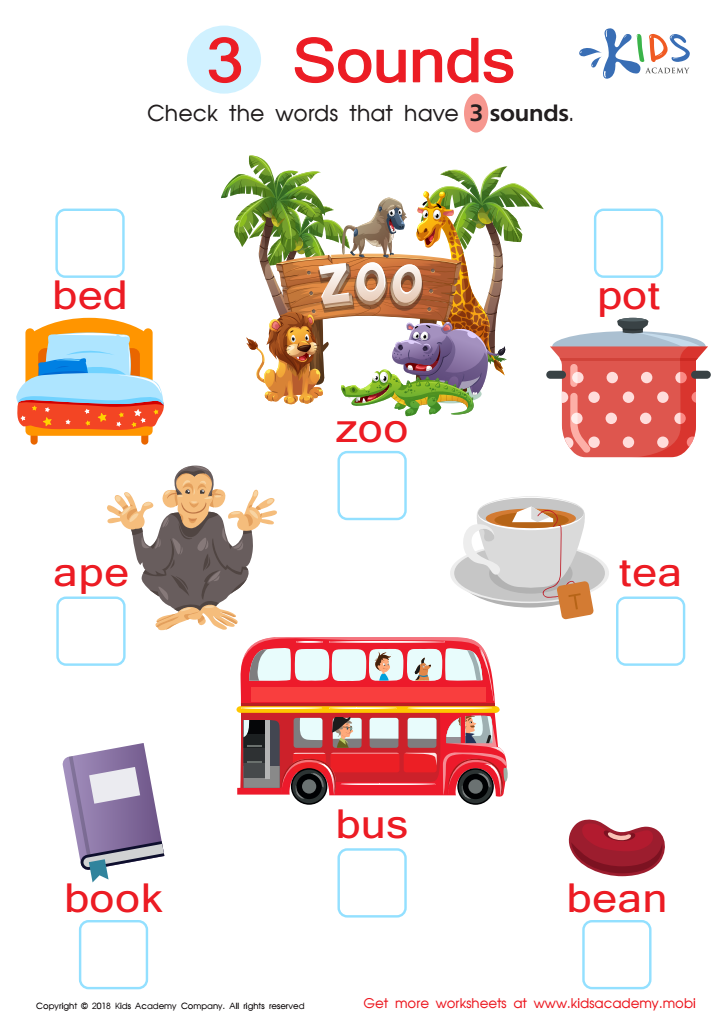
3 Sounds Worksheet
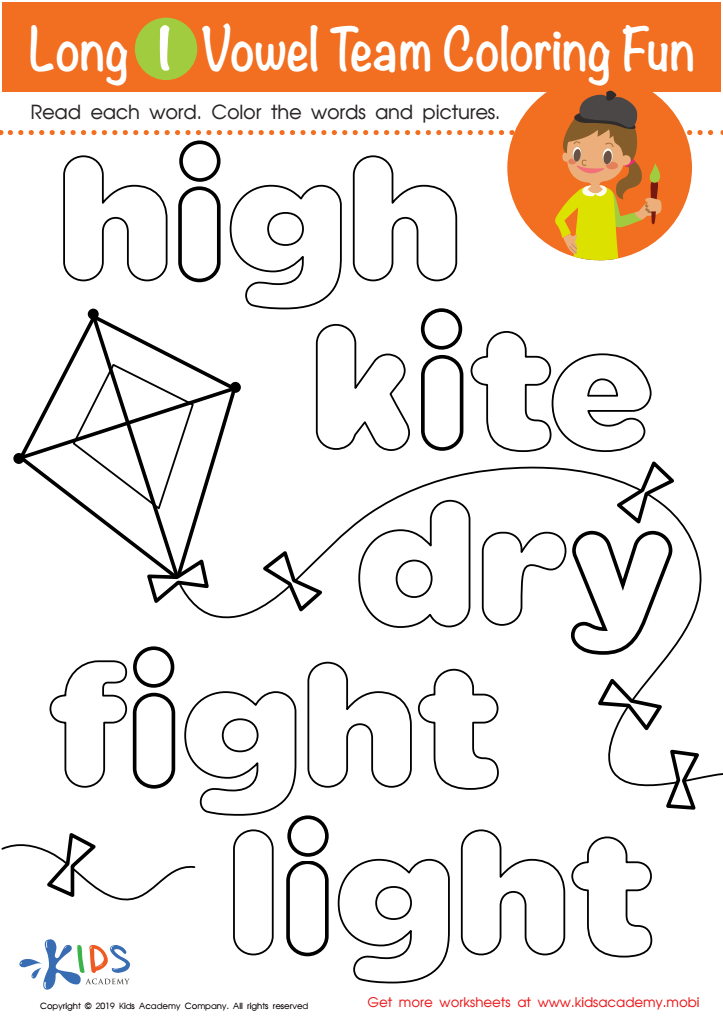
Long I Vowel Team Coloring Worksheet
 Assign to My Students
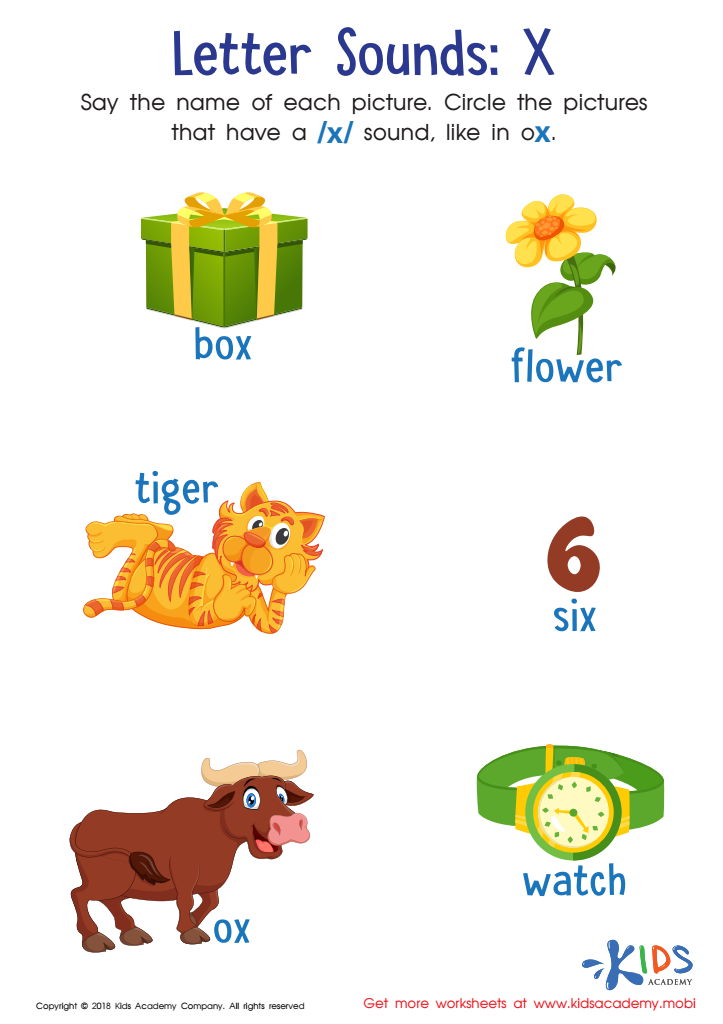
Letter X Sounds Worksheet
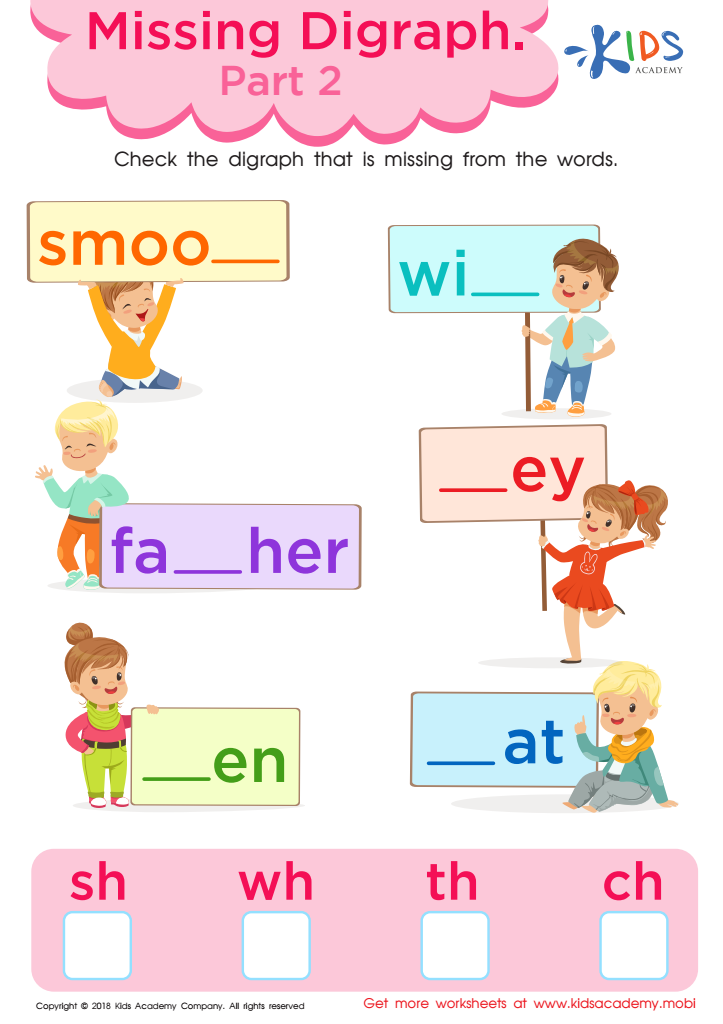
Missing Digraph: Part 2 Worksheet
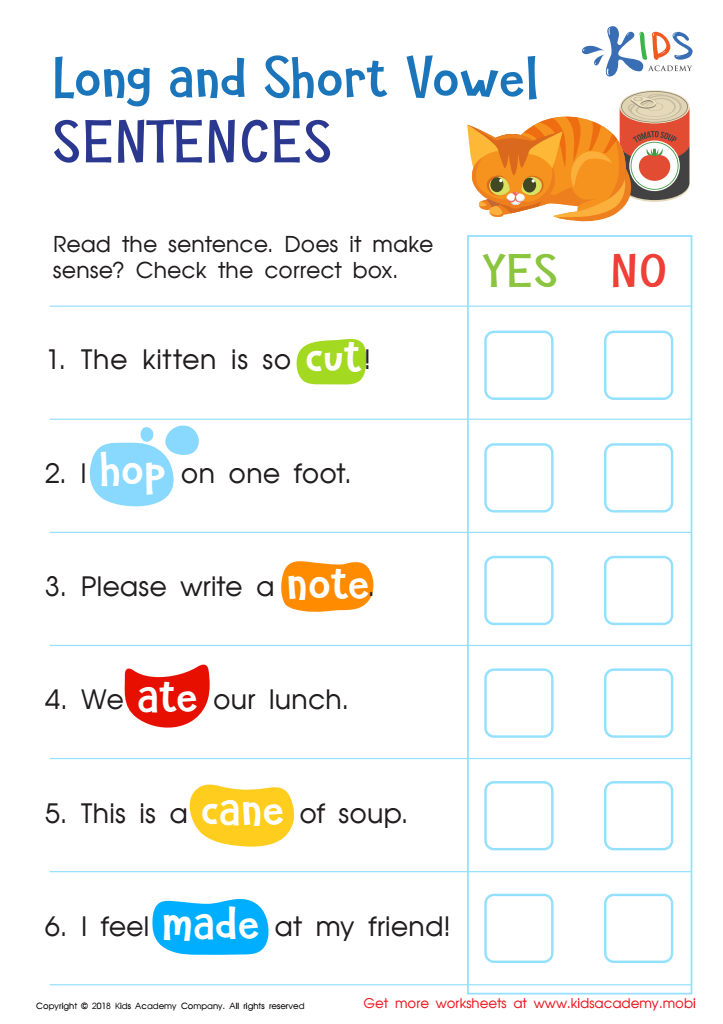
Long and Short Vowel Sentences: Assessment Worksheet
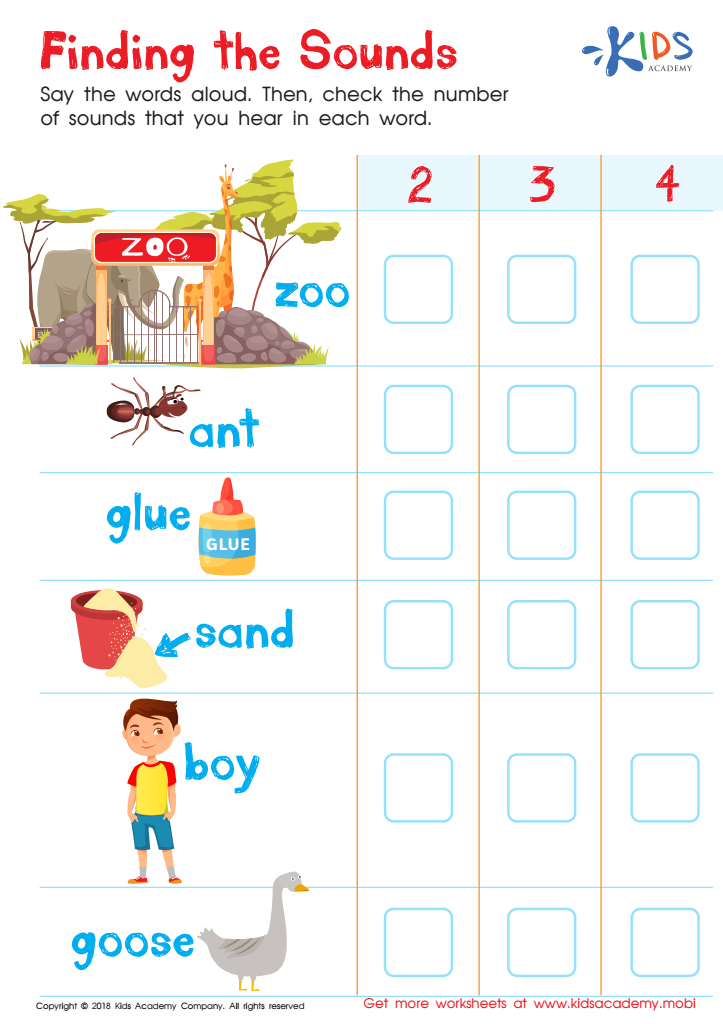
Finding the Sounds Worksheet
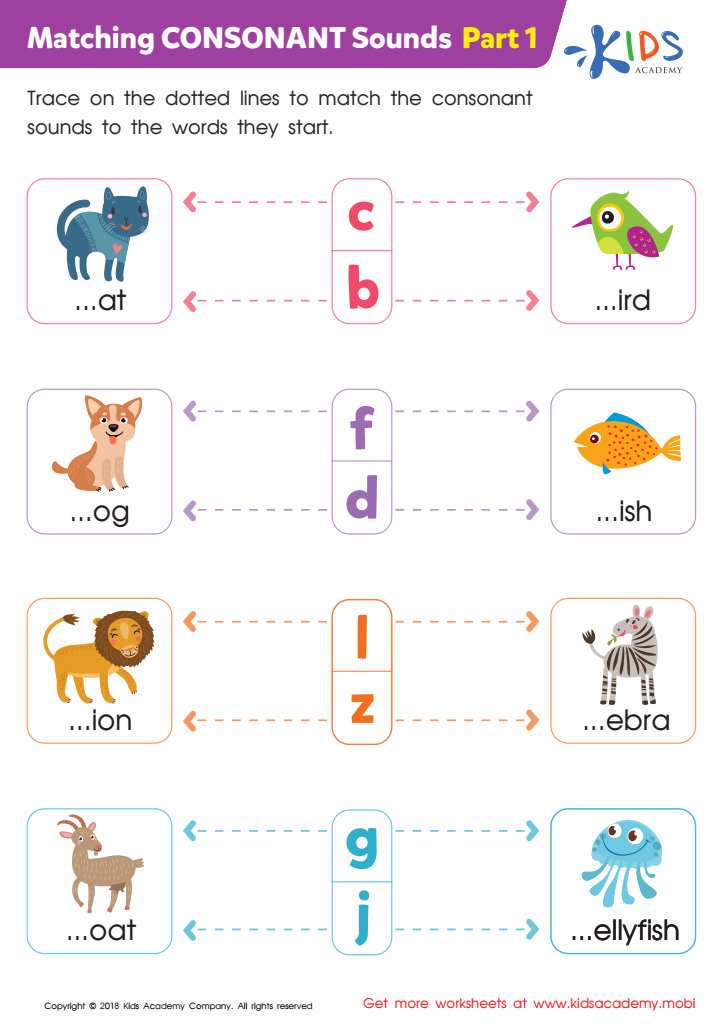
Matching Consonant Sounds: Part 1 Worksheet
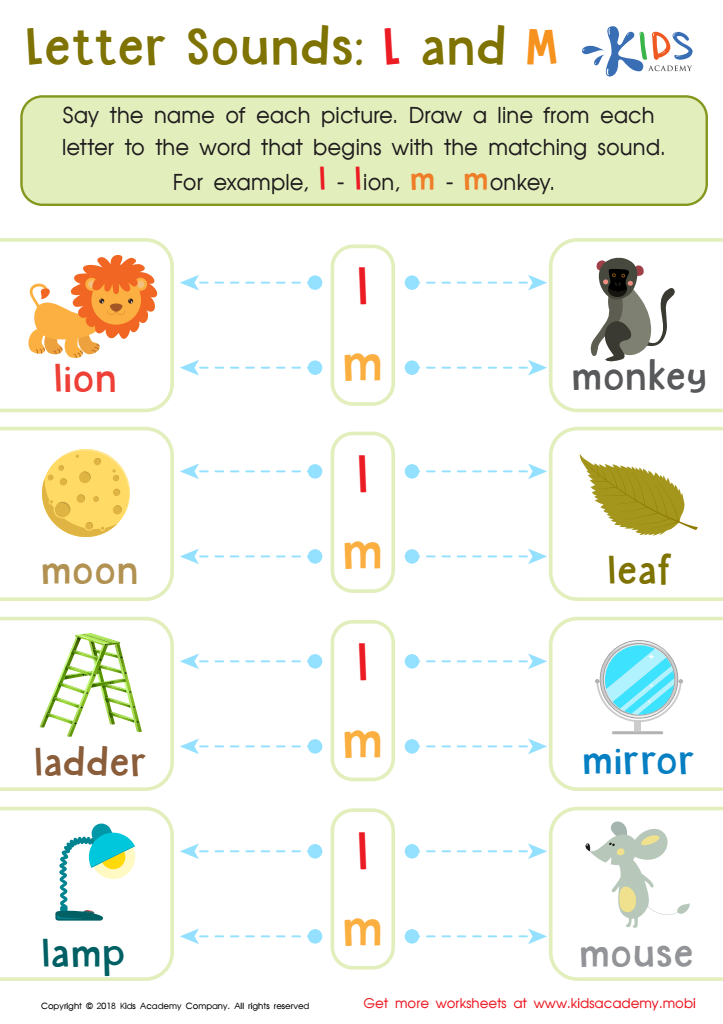
Letter l and M Sounds Worksheet
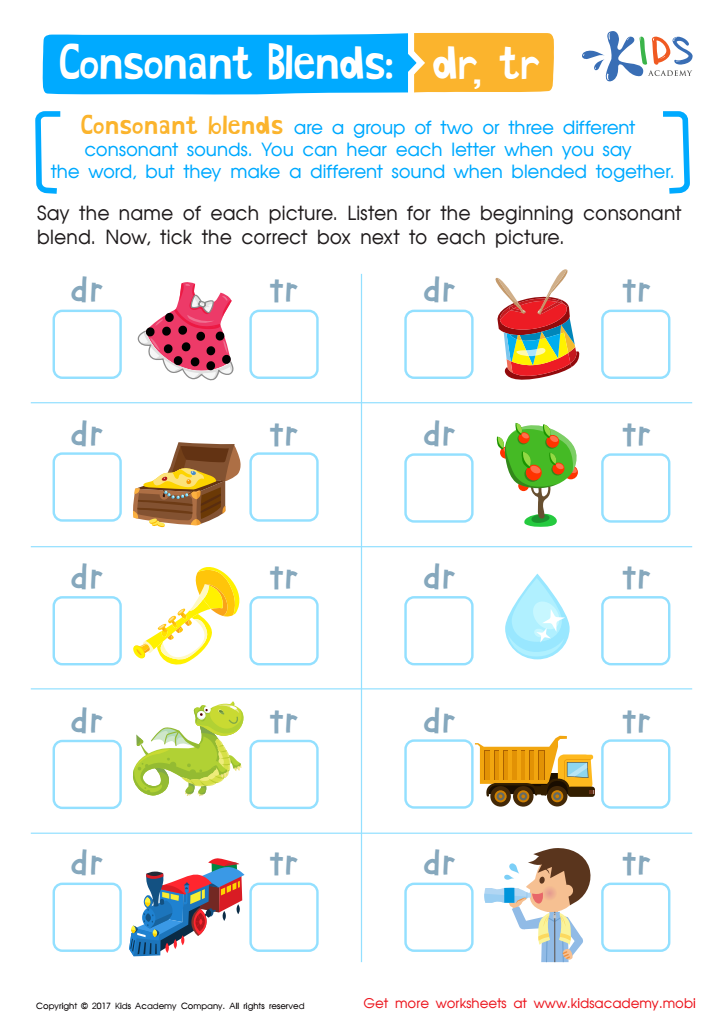
Consonant Blends: "Dr" and "Tr" Printable
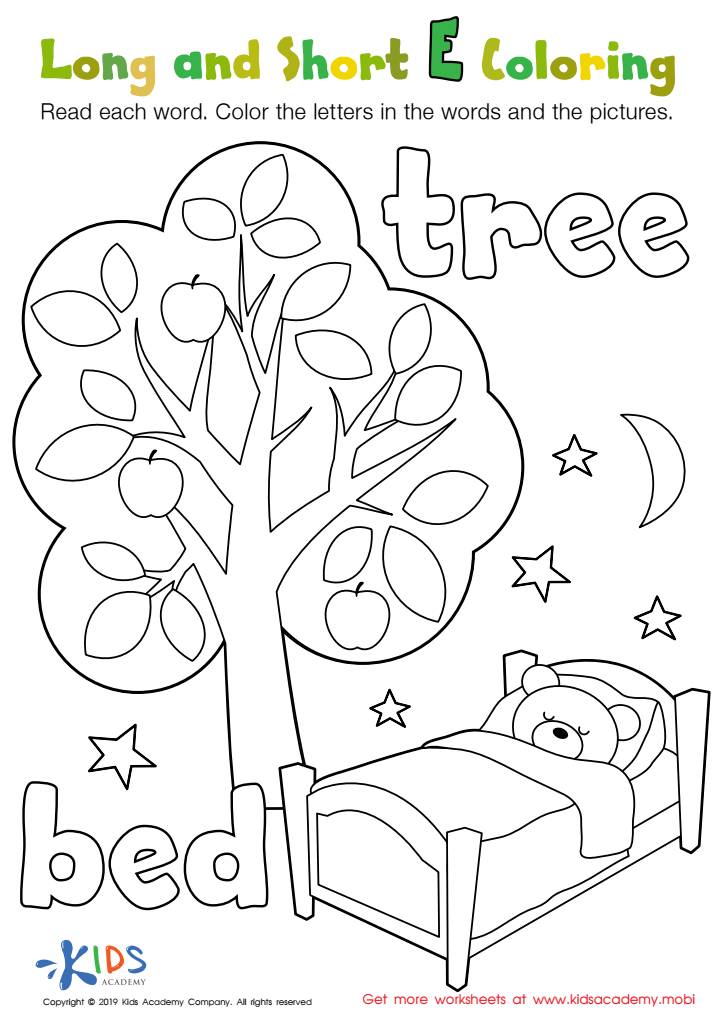
Long and Short E Worksheet
Assign to My Students
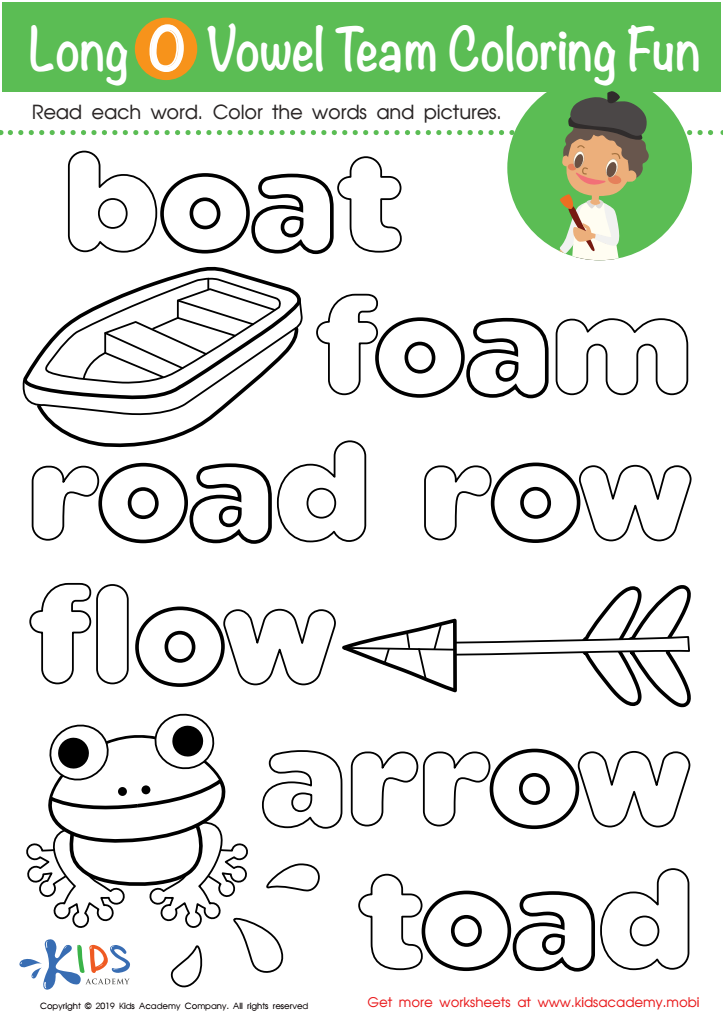
Long O Vowel Team Coloring Worksheet
Assign to My Students
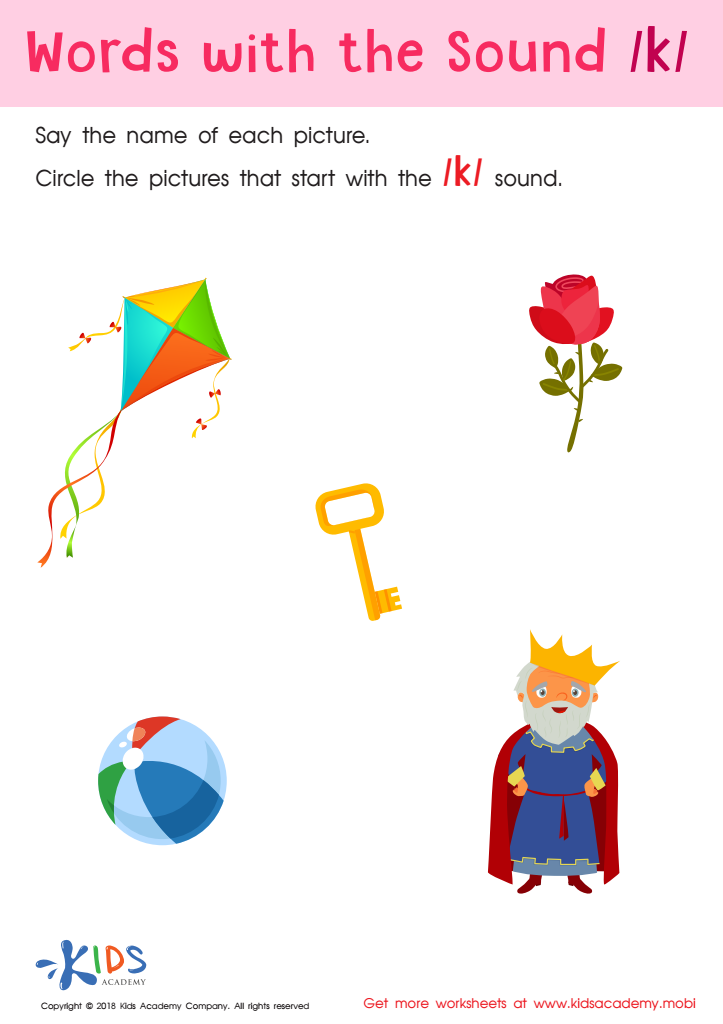
Words with sound k Reading Worksheet








Phonics skills are crucial for early childhood literacy and, thus, should be a priority for parents and teachers of children ages 5-6. Phonics teaches young learners the relationship between letters and sounds, which is foundational for reading and writing. At this developmental stage, children are beginning to recognize the patterns in language, and phonics instruction provides the tools they need to decode and spell words effectively.
When children understand phonics, they can read more fluently, which fosters a love for reading and boosts confidence. This foundational skill aids in the development of other essential literacy skills, such as comprehension, vocabulary, and critical thinking. As children decode words, they can start to predict and recognize larger words and complex sentence structures, sharpening their overall literacy.
Moreover, phonics skills can prevent reading difficulties later on. Without a solid understanding of how letters build words, children might struggle to keep up with their peers academically, possibly leading to frustration, lower self-esteem, and a lack of motivation for learning.
Early mastery of phonics not only aligns with educational standards but also leverages a child's natural readiness and curiosity. Thus, focusing on systematic, engaging, and consistent phonics instruction is key to laying a robust literacy foundation for children.







