Basic Math Skills Normal Worksheets for Ages 5-6 - Page 2
31 filtered results
-
From - To
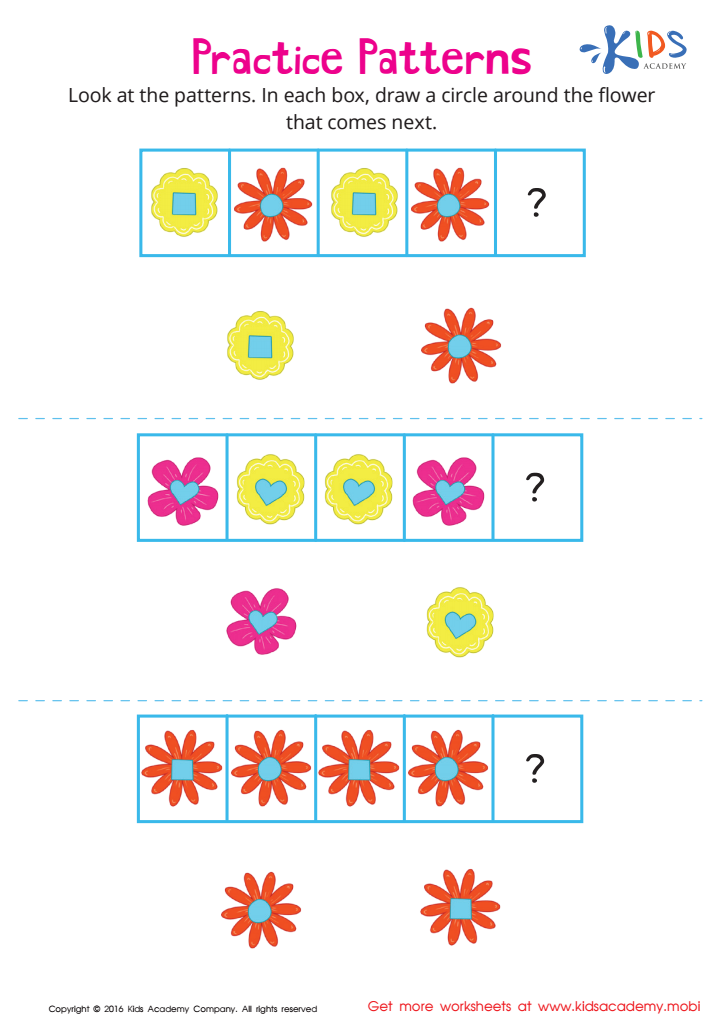
 Assign to My Students
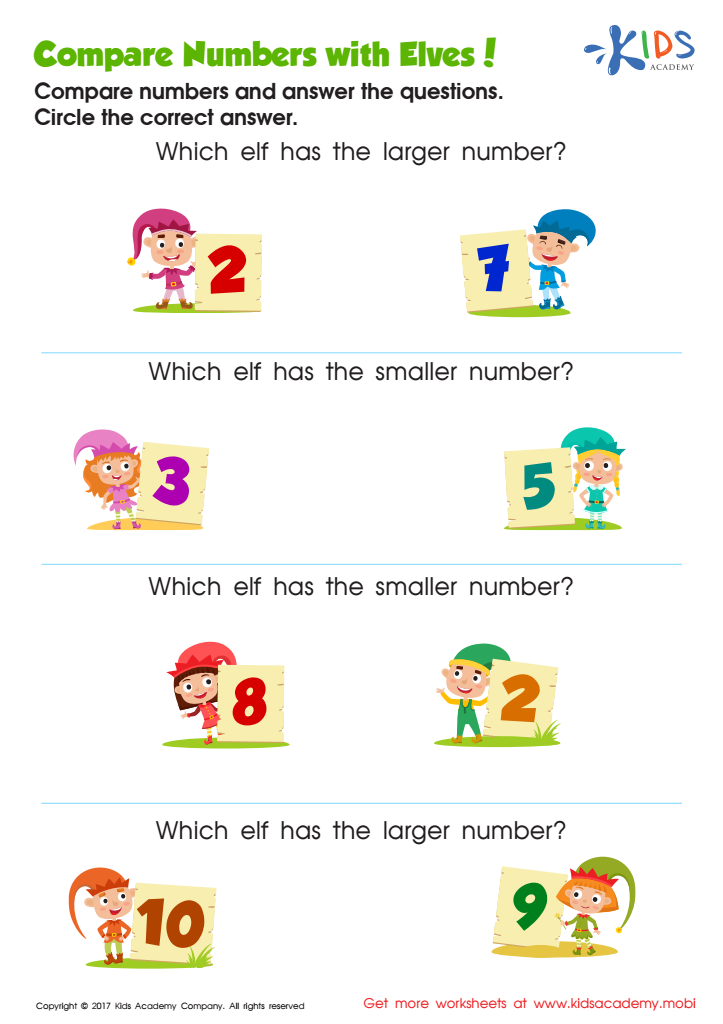
Comparing Numbers Worksheet for Kindergarten
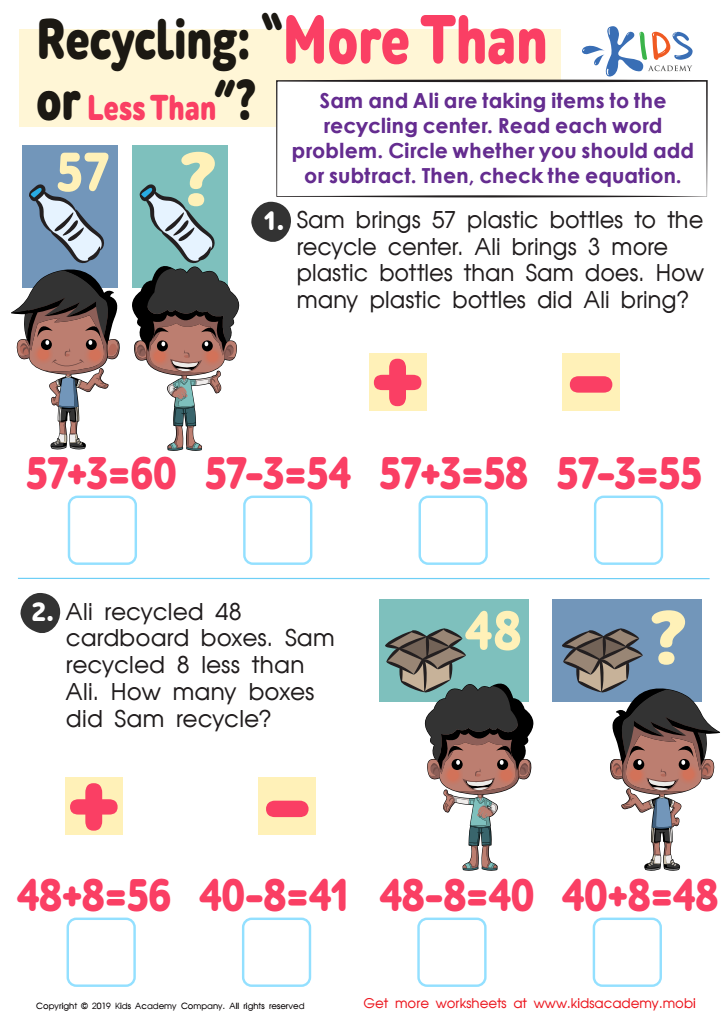
Recycling - More or Less Worksheet
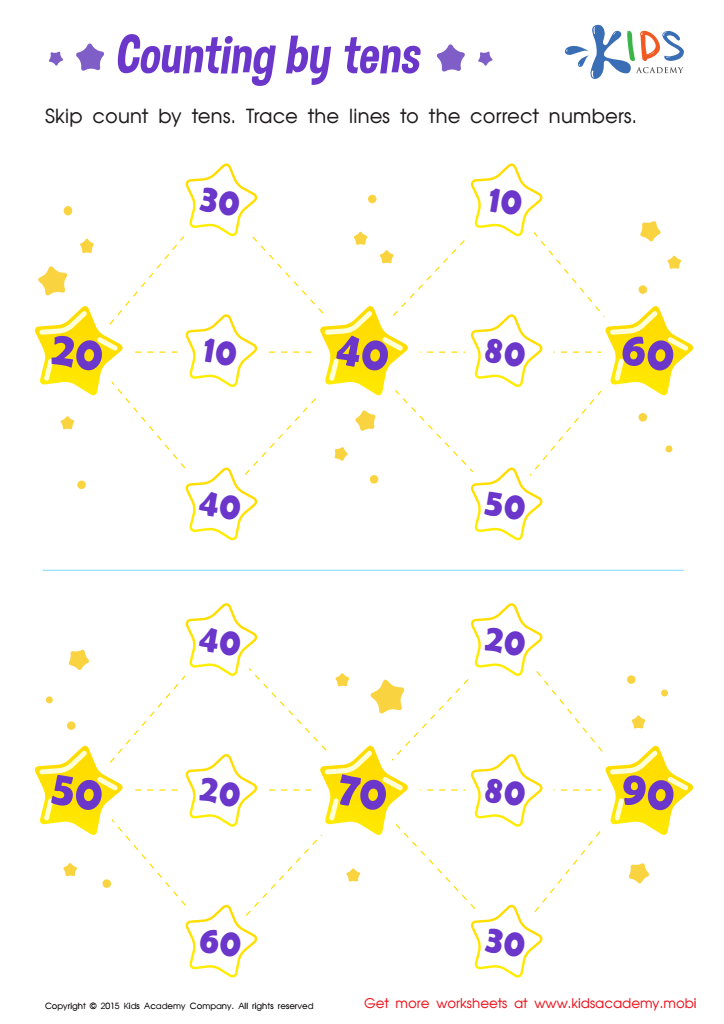
Learn Dozens: Counting by Tens Printable
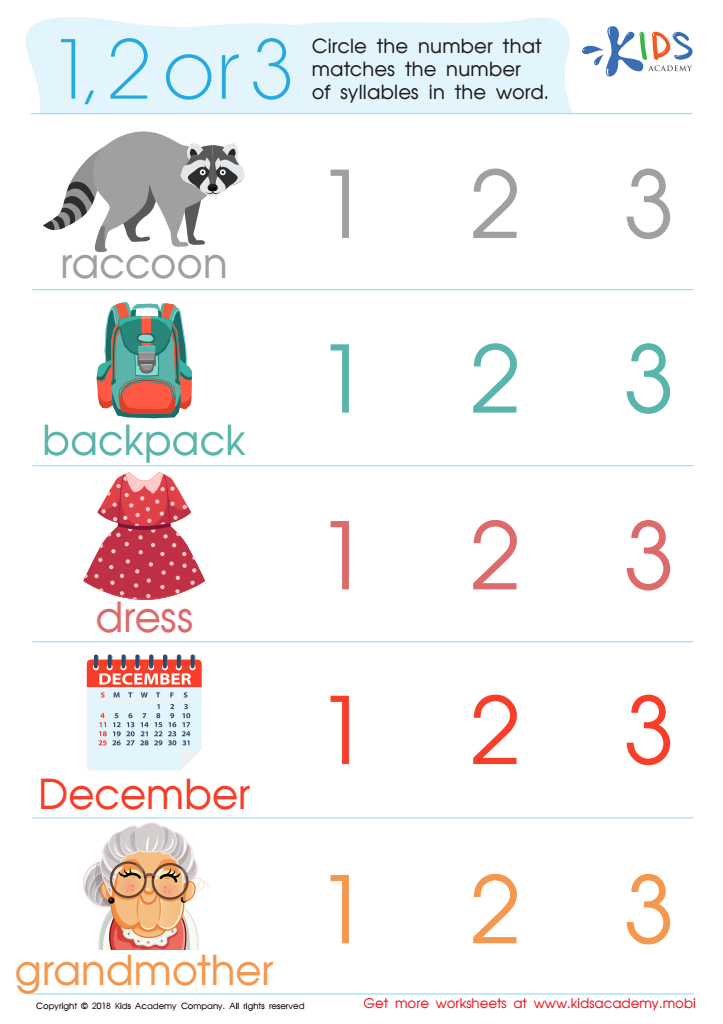
1, 2 or 3? Worksheet
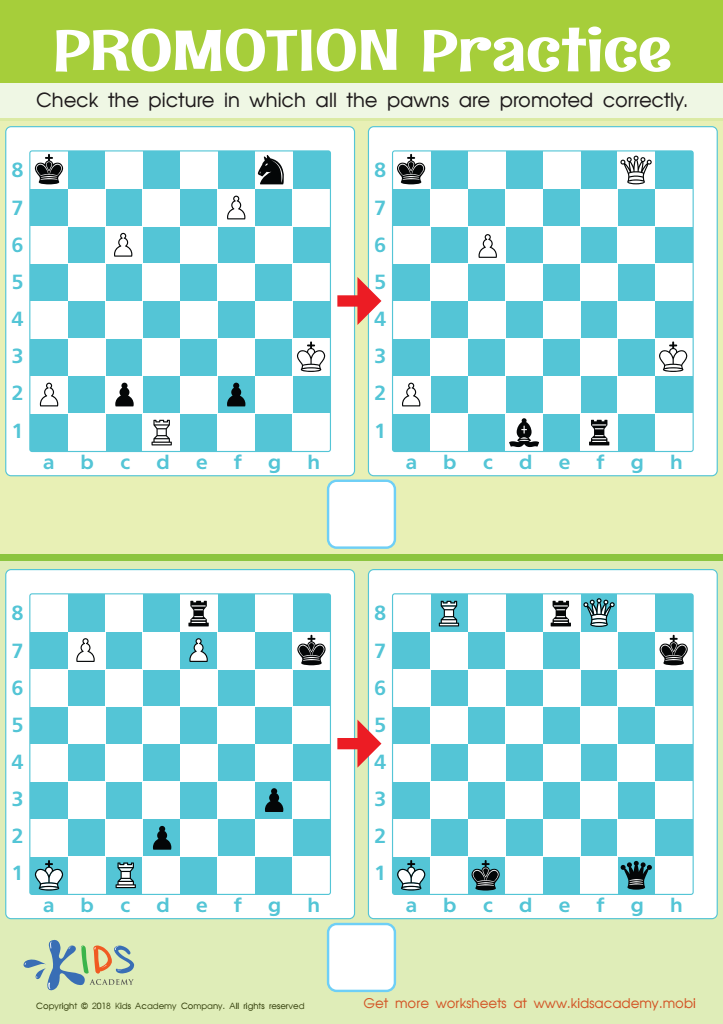
Promotion Practice Worksheet
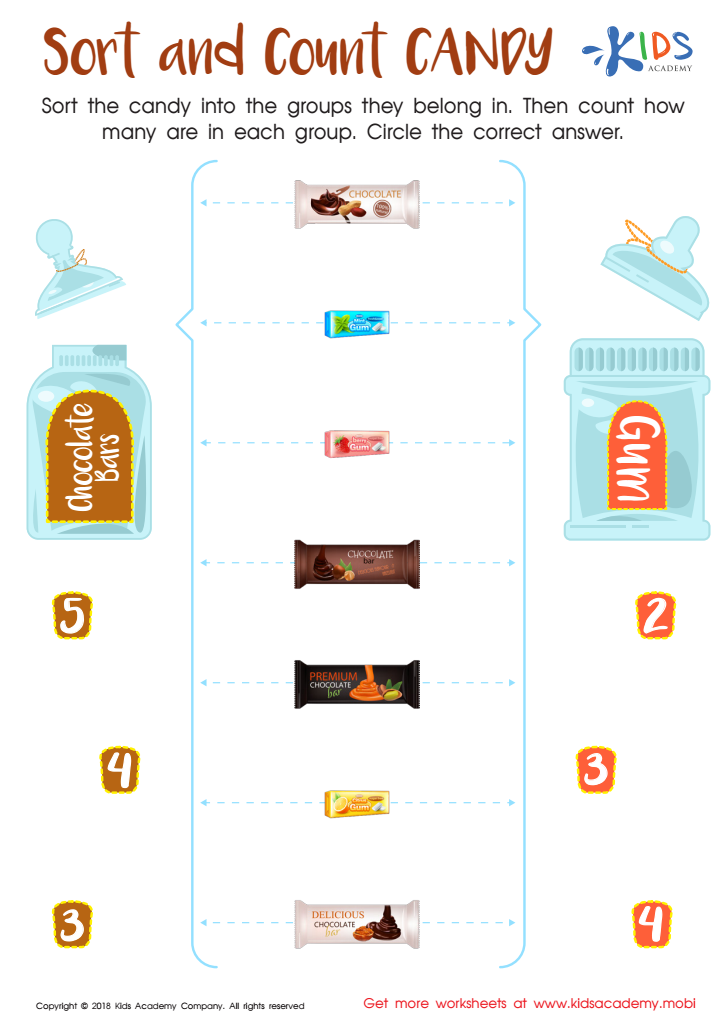
Sort and Count Candy Worksheet



.jpg)




Parents and teachers should prioritize basic math skills for ages 5-6 because these foundational abilities are crucial for a child's overall cognitive development and future academic success. At this age, children begin to develop their understanding of numbers, counting, and simple operations, forming the groundwork for more complex mathematical concepts and problem-solving skills later on.
Strong basic math skills enhance a child's ability to think critically and logically, fostering skills that resonate far beyond math itself. These skills are integral not only for academic performance but also for everyday life, as they help children learn to manage money, analyze problems, and make decisions.
Additionally, early exposure to math concepts boosts confidence and a positive attitude towards learning. Engaging interactive activities, such as counting games or patterns, can make learning enjoyable and memorable. Moreover, instilling basic math skills early on can mitigate further learning challenges, supporting a smoother transition to higher-level math in school.
In sum, by supporting basic math skills in young children, parents and teachers play a vital role in shaping a strong educational foundation, encouraging curiosity, and fostering a lifelong love for learning.








