Enhancing critical thinking Normal Worksheets for Ages 5-6
6 filtered results
-
From - To
Unlock your child’s full cognitive potential with our "Enhancing Critical Thinking Normal Worksheets" designed for ages 5-6. These expertly crafted printable worksheets foster intellectual growth and problem-solving skills through fun, engaging activities. Perfect for early learners, each worksheet encourages curiosity and strengthens logical reasoning, pattern recognition, and analytical thinking. Saying goodbye to rote learning, our resources provide a solid foundation for lifelong learning and academic success. Parents and educators can trust our evidence-based approach to support children's developmental milestones. Empower your child and turn learning challenges into exciting adventures with our premium worksheets!
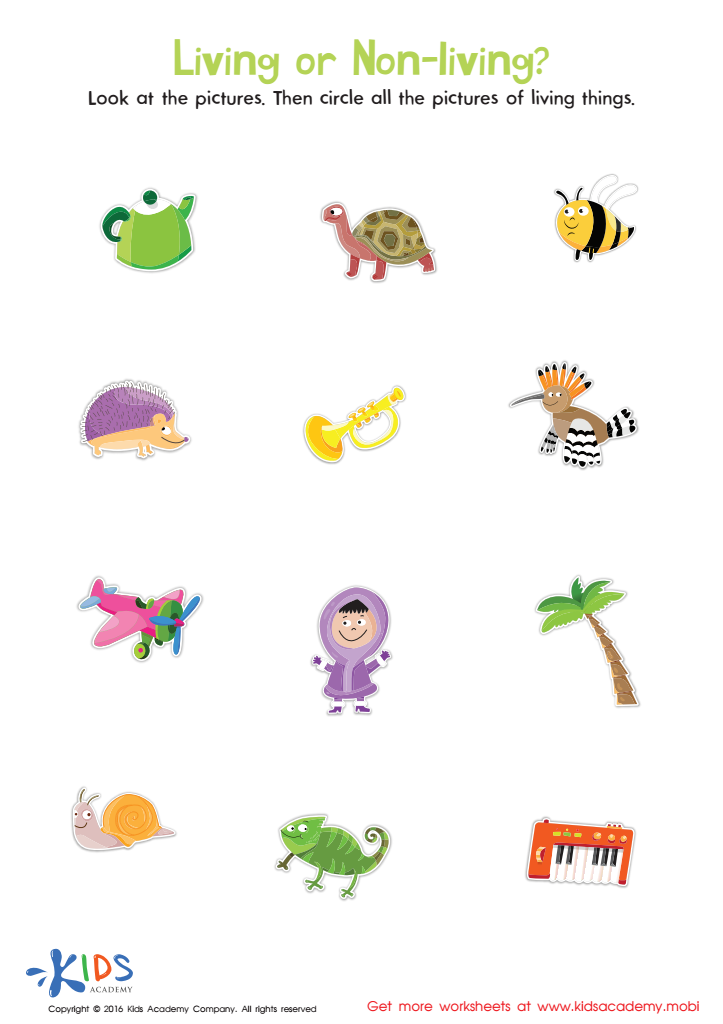
Identifying Living and Non–living Things Sorting Worksheet
 Assign to My Students
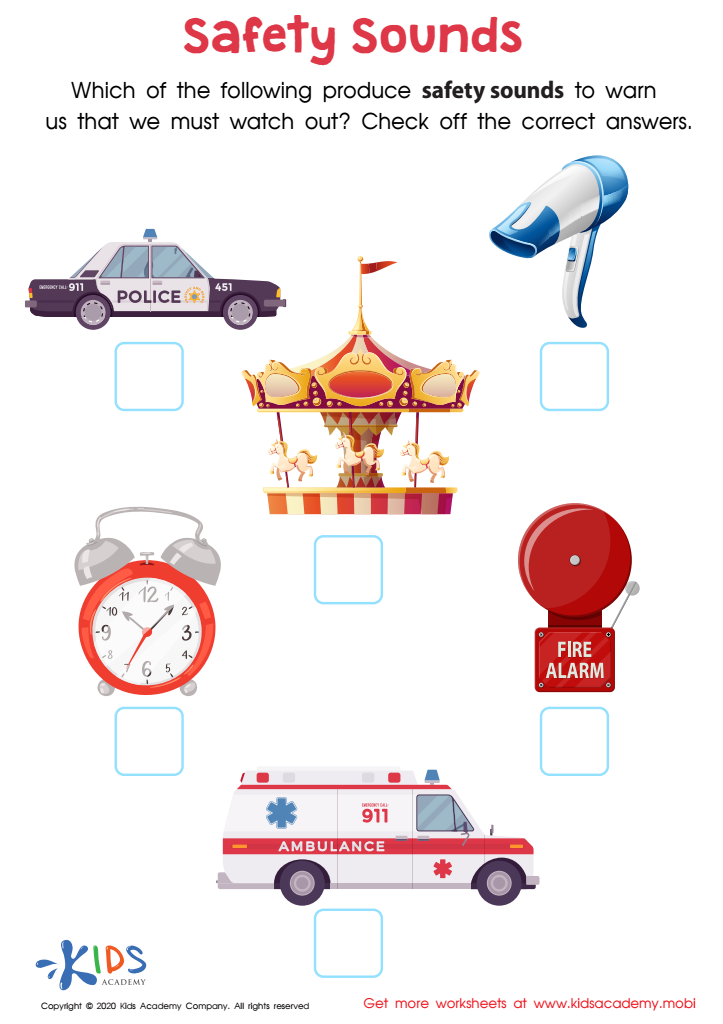
Safety Sounds Worksheet
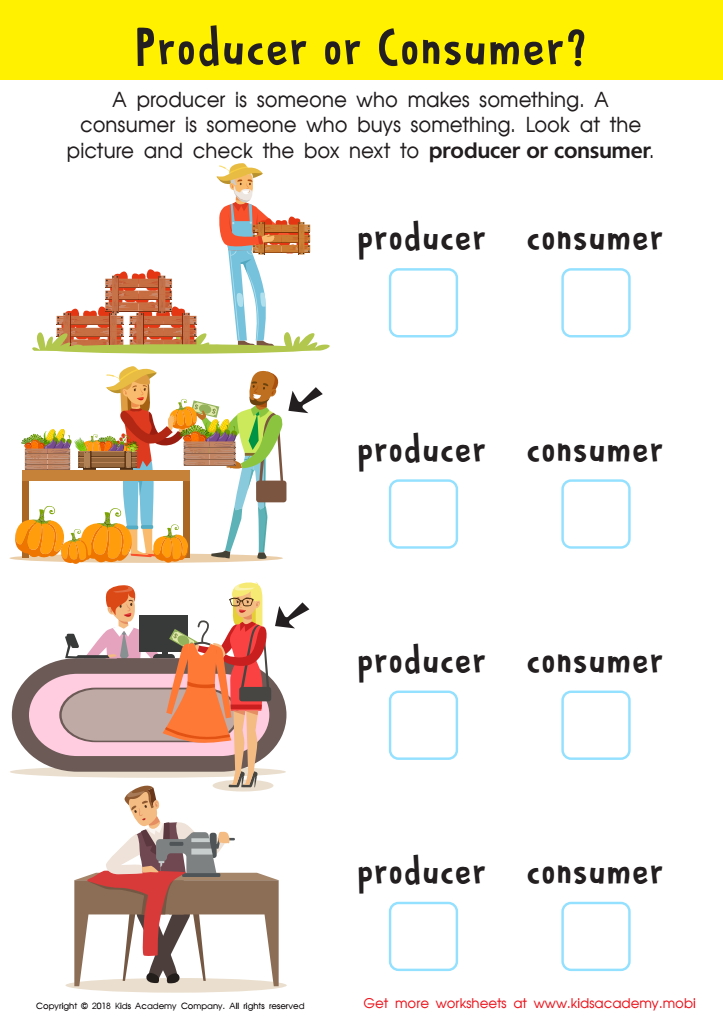
Producer or Consumer? Worksheet
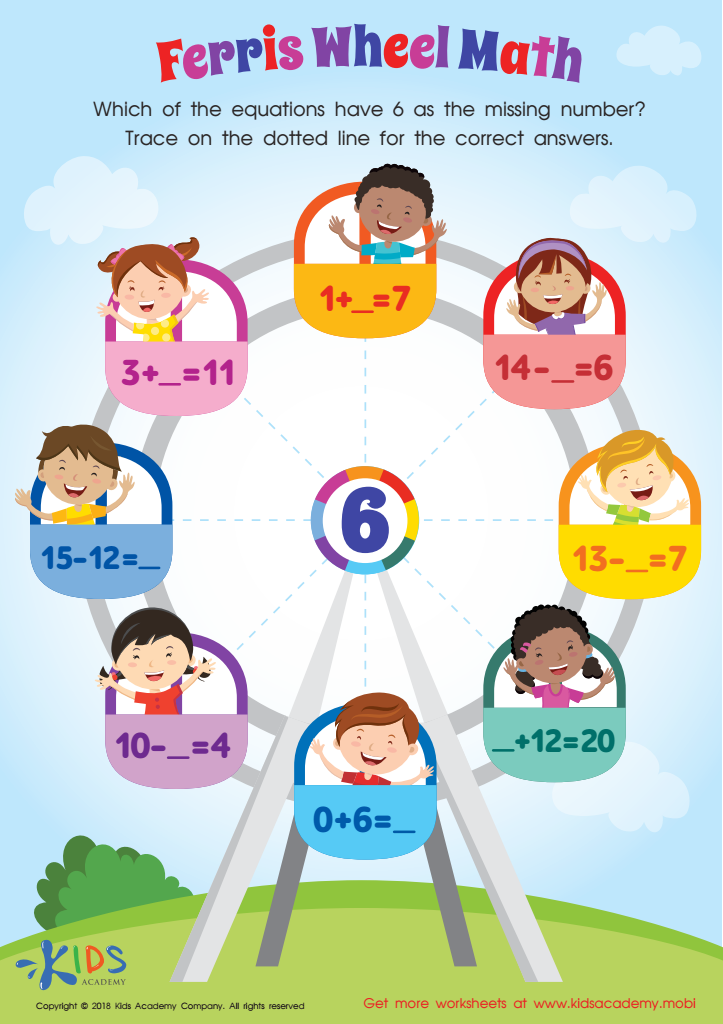
Missing Number: Ferris Wheel Math Worksheet
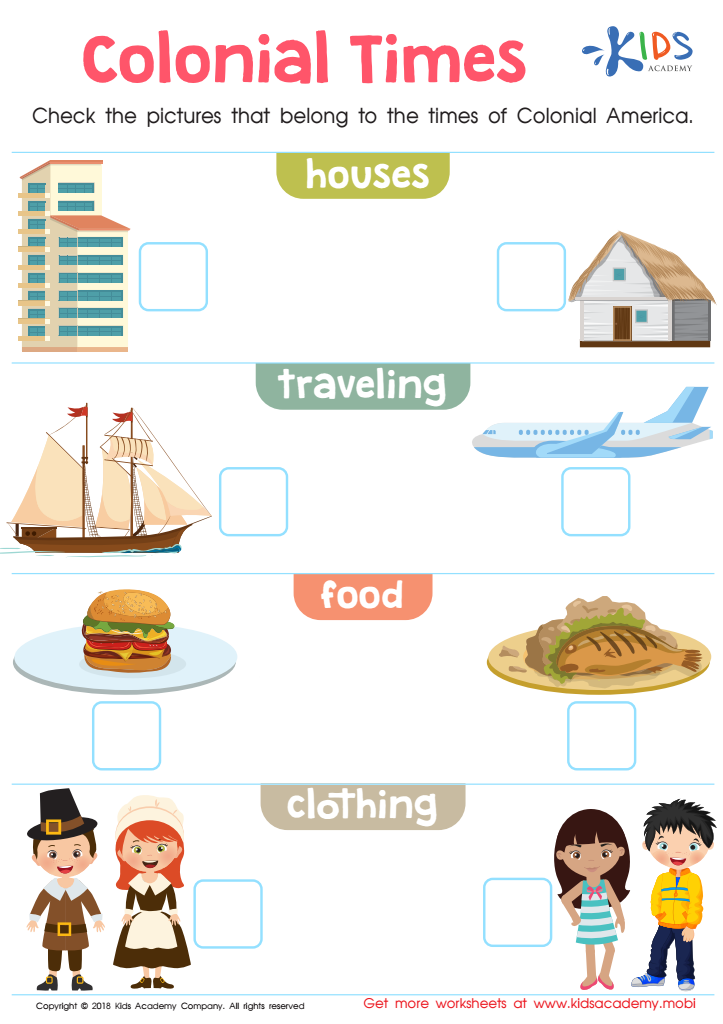
Colonial Times Worksheet
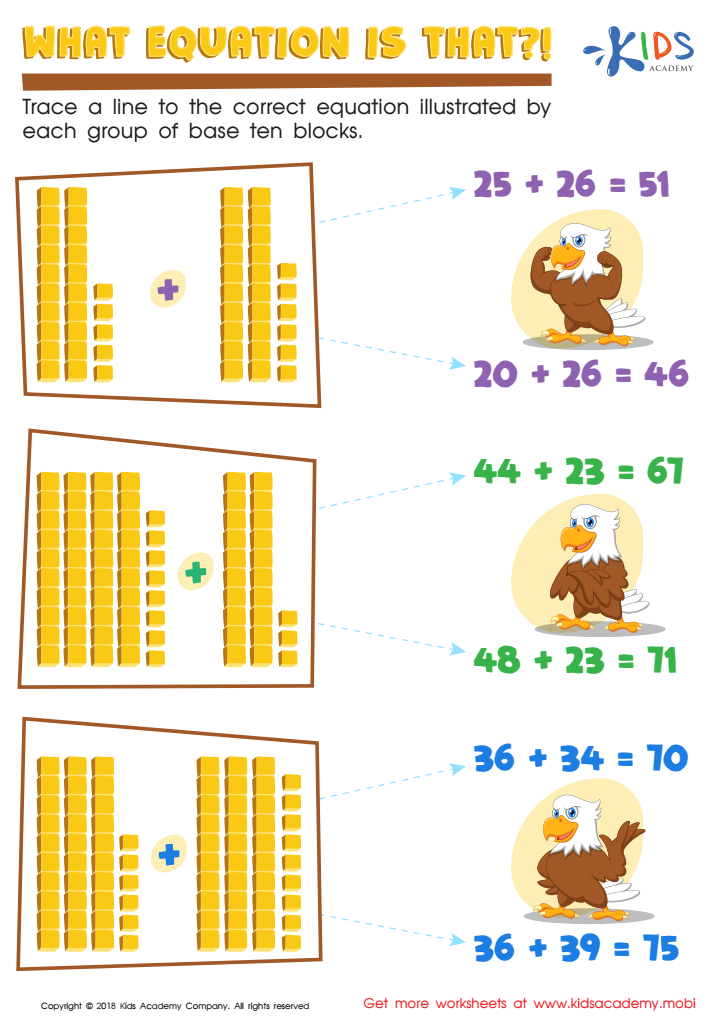
What Equation Is That? Worksheet








Enhancing critical thinking in children aged 5-6 is a vital endeavor for both parents and teachers as it lays the foundational groundwork for their future learning and problem-solving abilities. At this formative stage, young minds are highly impressionable and eager to explore the world around them. By fostering critical thinking skills early on, we empower children to ask questions, make connections, and understand concepts beyond rote memorization.
Critical thinking encourages children to think independently, evaluate information, and reason logically. This promotes intellectual curiosity and a love for learning, which are essential traits for academic success and lifelong adaptation in a rapidly changing world. It enhances their ability to tackle unforeseen challenges and solve problems creatively, skills that are increasingly valuable in all areas of life and career.
Moreover, critical thinking nurtures emotional and social intelligence. Children learn to consider different perspectives, understand cause-and-effect relationships, and make informed decisions. This not only boosts their confidence and self-esteem but also improves interpersonal communication and collaboration with peers.
Parents and teachers play a crucial role as facilitators and role models in this developmental process. By integrating activities that stimulate analysis, reasoning, and reflection in everyday interactions and classroom settings, they significantly contribute to shaping well-rounded, thoughtful, and capable individuals. The earlier this cognitive development starts, the better prepared children will be for future academic and personal endeavors.








