Sound Association Normal Worksheets for Ages 5-6
27 filtered results
-
From - To
Welcome to our "Sound Association Normal Worksheets for Ages 5-6" page, designed to enhance auditory learning through engaging activities! Our carefully crafted worksheets focus on helping young learners identify sounds associated with various letters and words, building foundational literacy skills. Each worksheet features vibrant illustrations and interactive exercises that make learning fun and relatable. Perfect for home or classroom use, these resources support phonemic awareness, improve vocabulary, and prepare children for reading. Explore our collection to boost your child's confidence in recognizing sounds, and watch their reading skills flourish as they connect letters to the world around them!
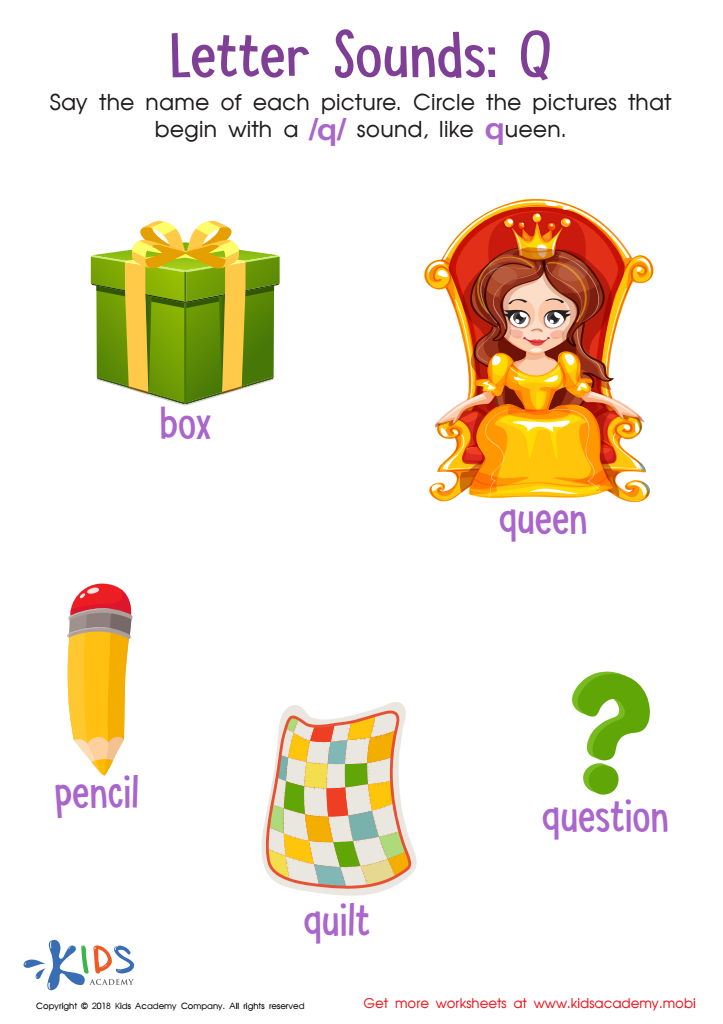
Letter Q Sounds Worksheet
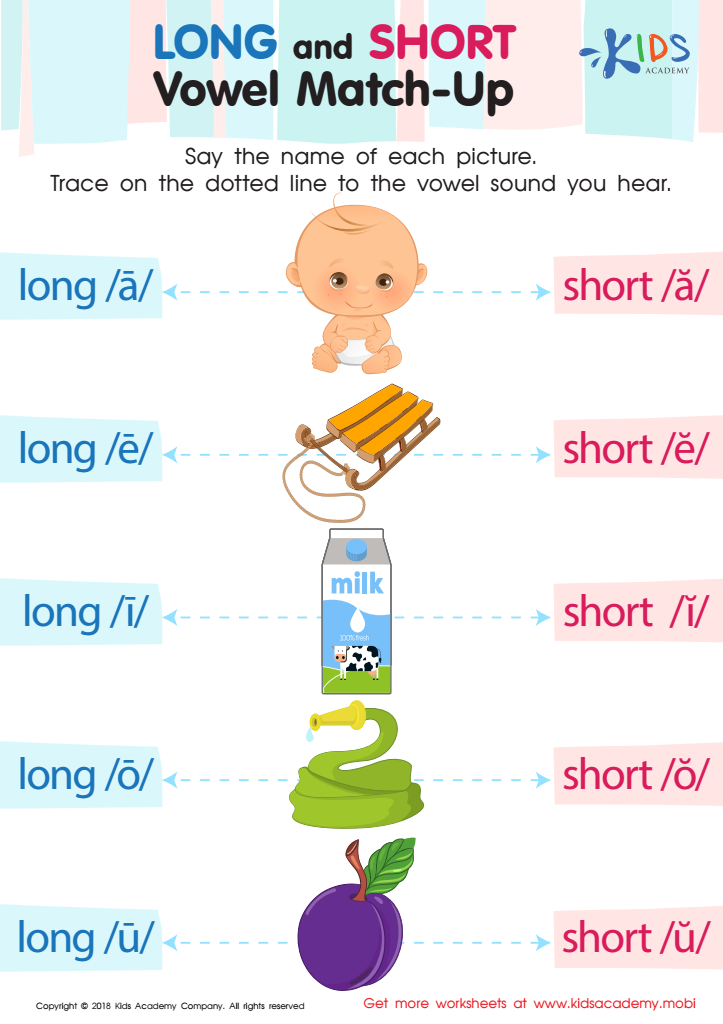
Long and Short Vowel Match up Reading Worksheet
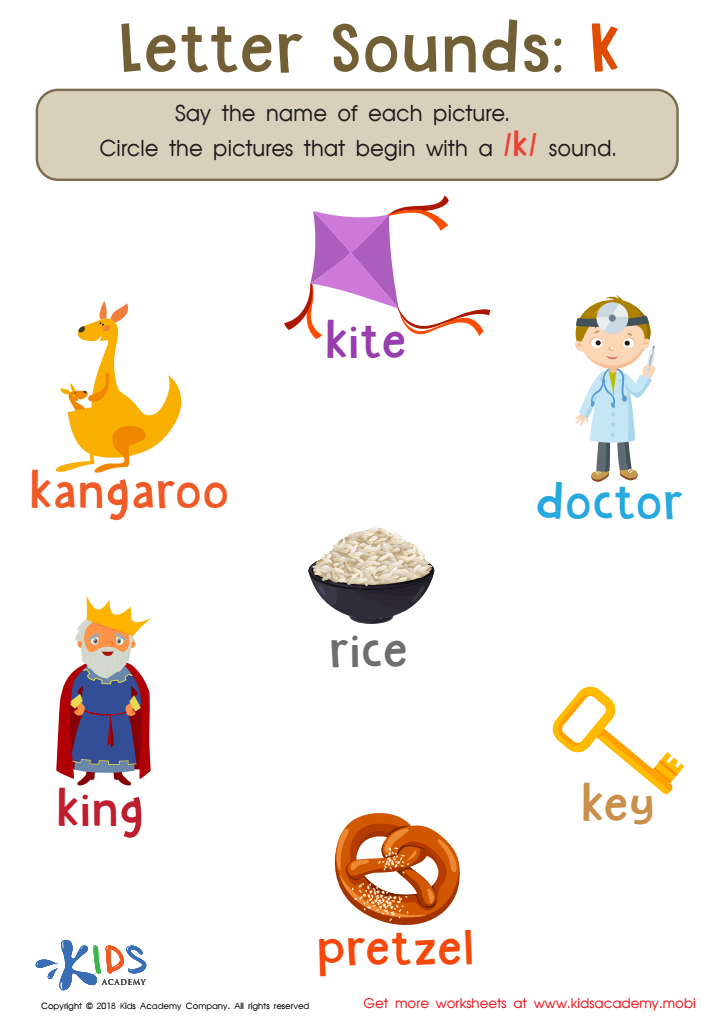
Letter K Sounds Worksheet
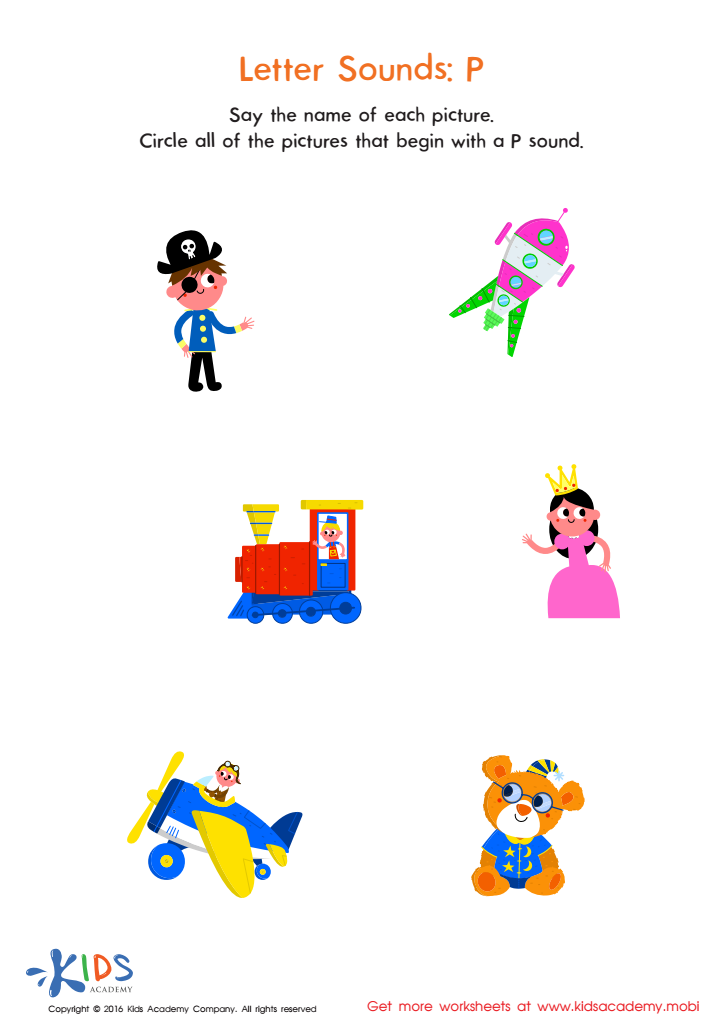
Letter P Sound Worksheet
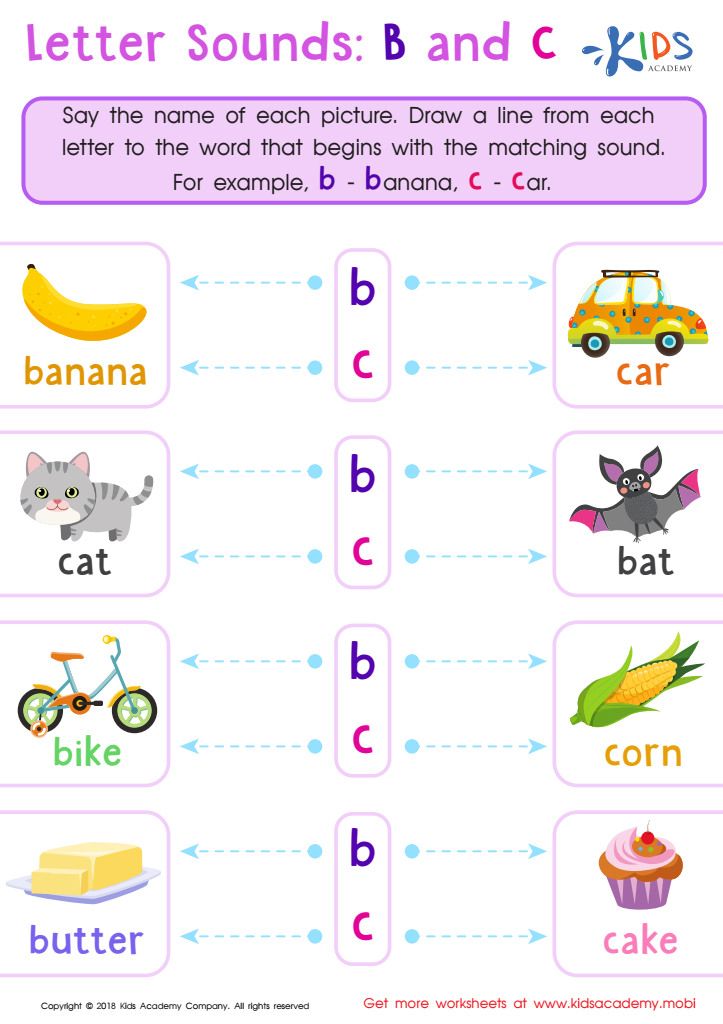
Letter B and C Sounds Worksheet
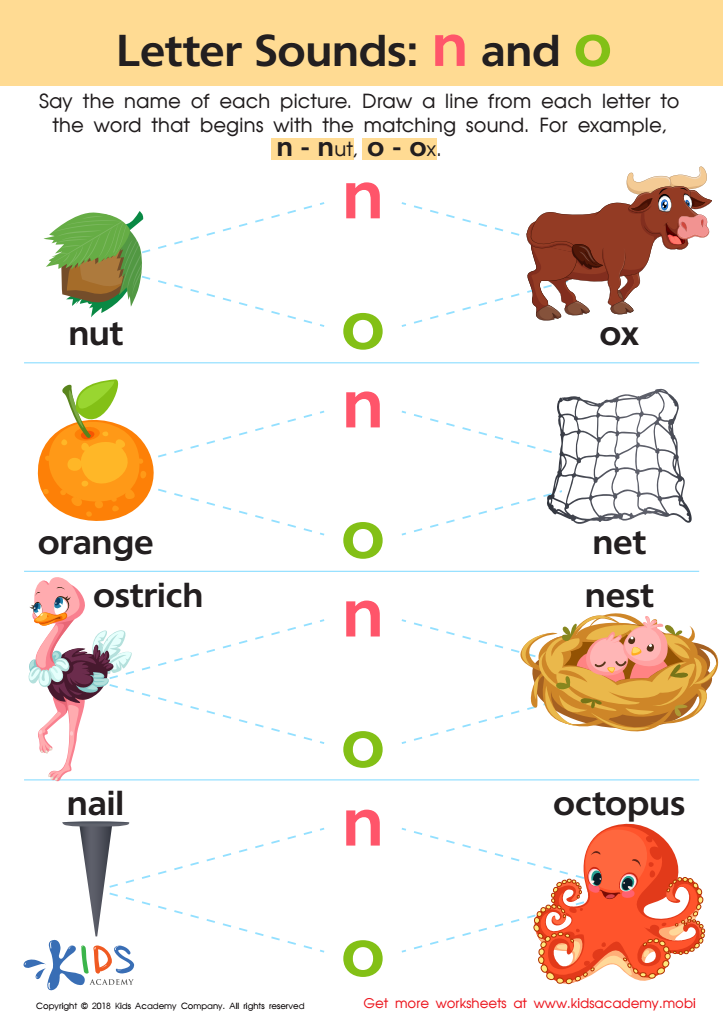
Letter N and O Sounds Worksheet
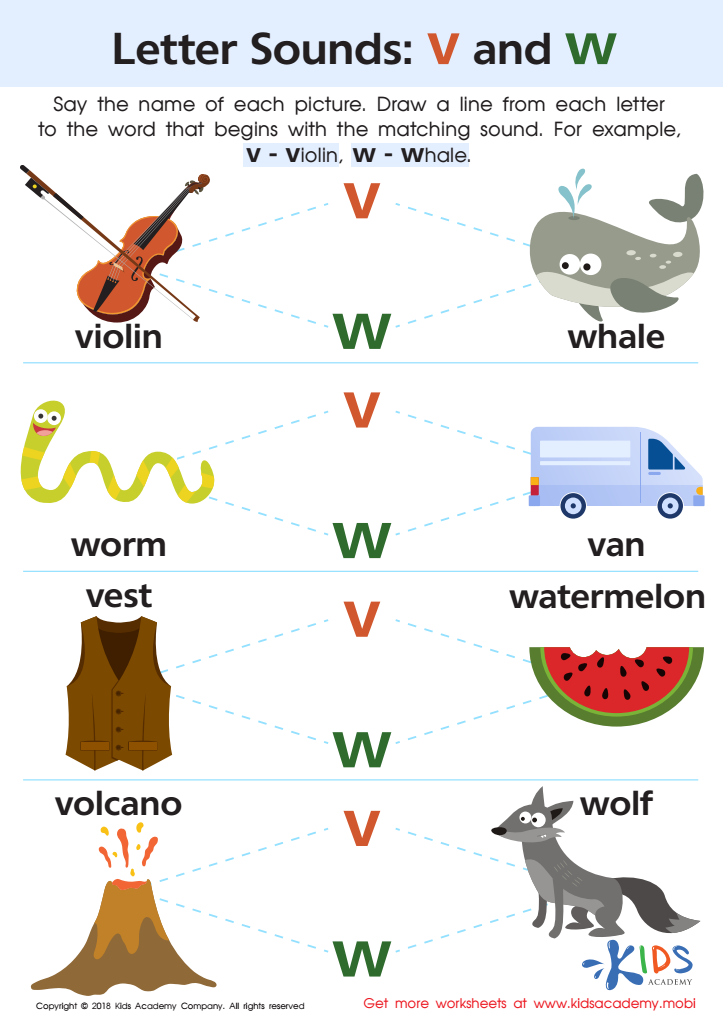
Letter V and W Sounds Worksheet
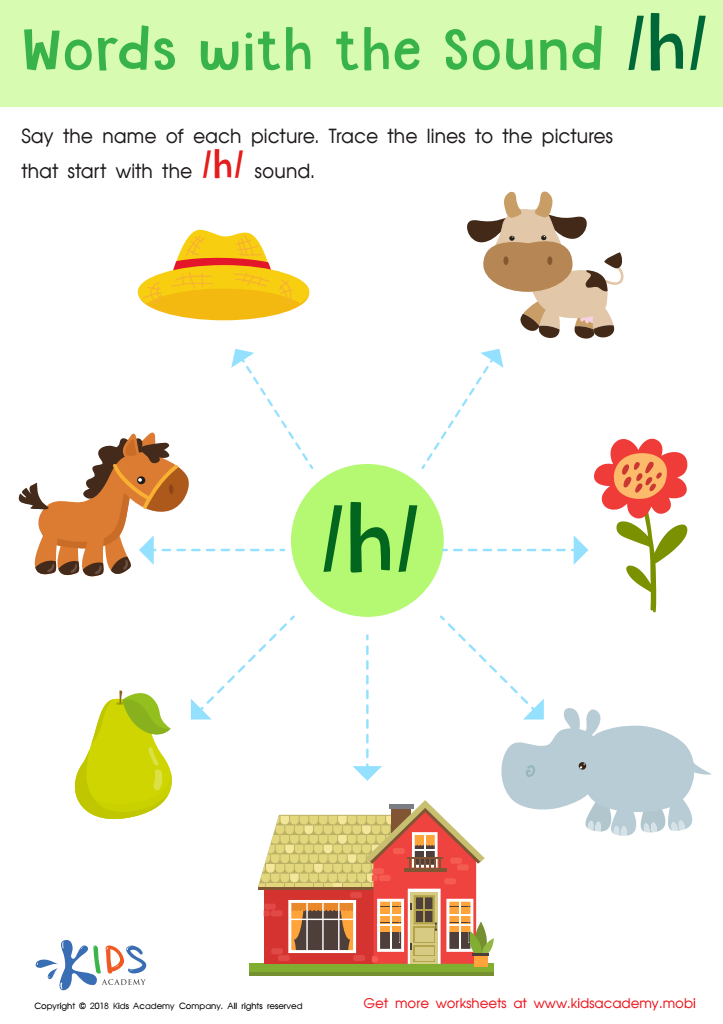
Words with sound h Reading Worksheet
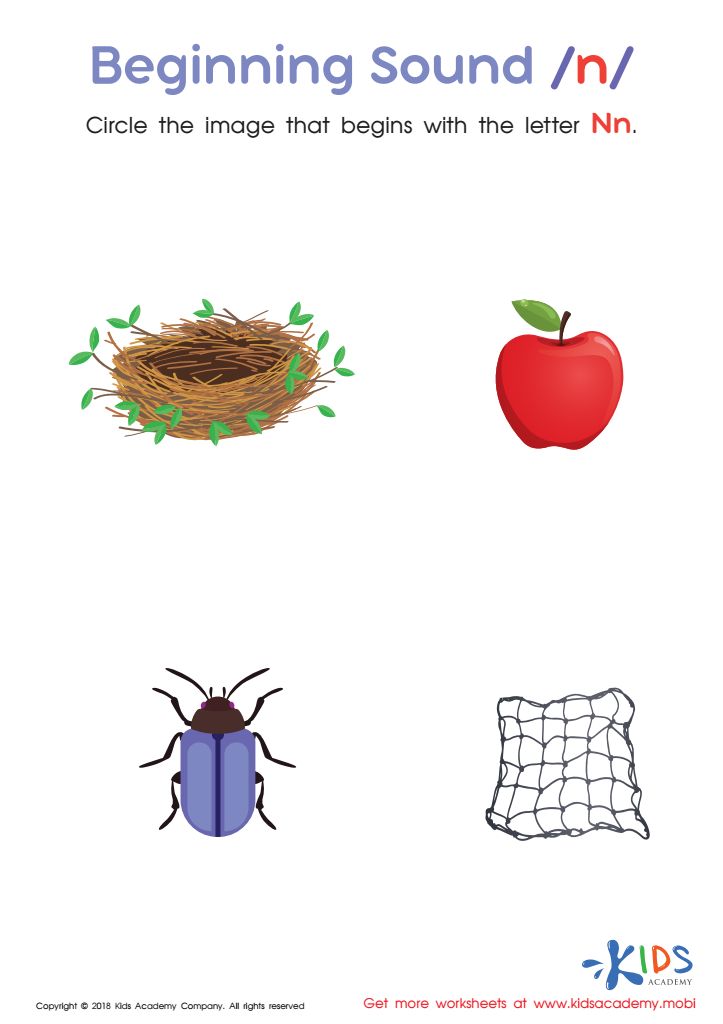
Beginning Sound «n» Worksheet
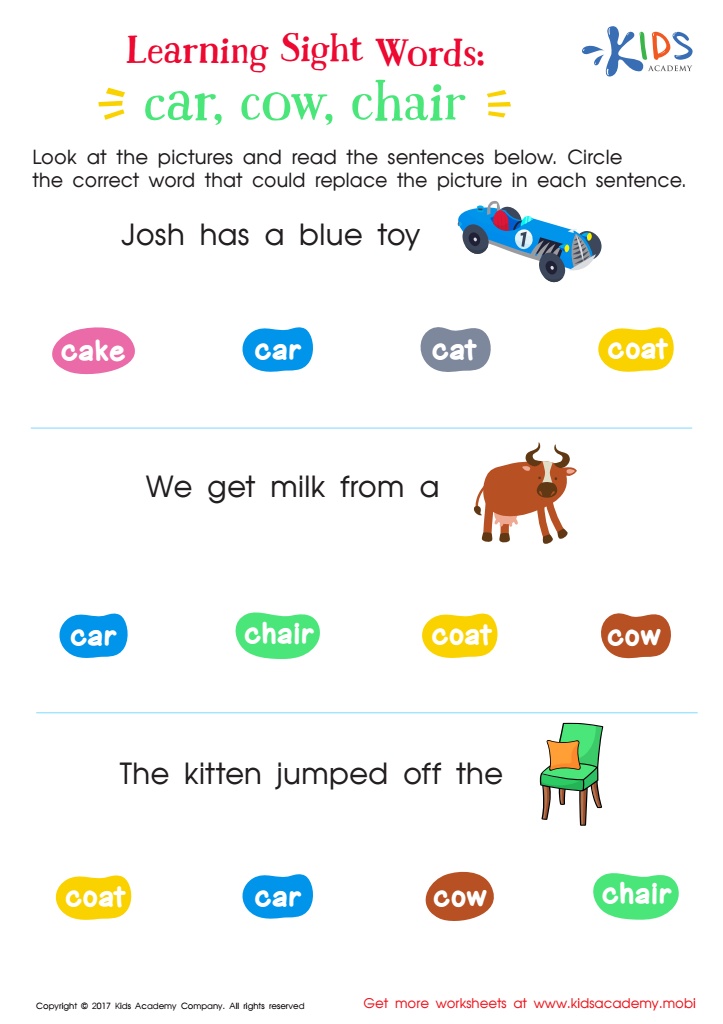
Car, Cow, Chair Worksheet Sight Words Worksheet
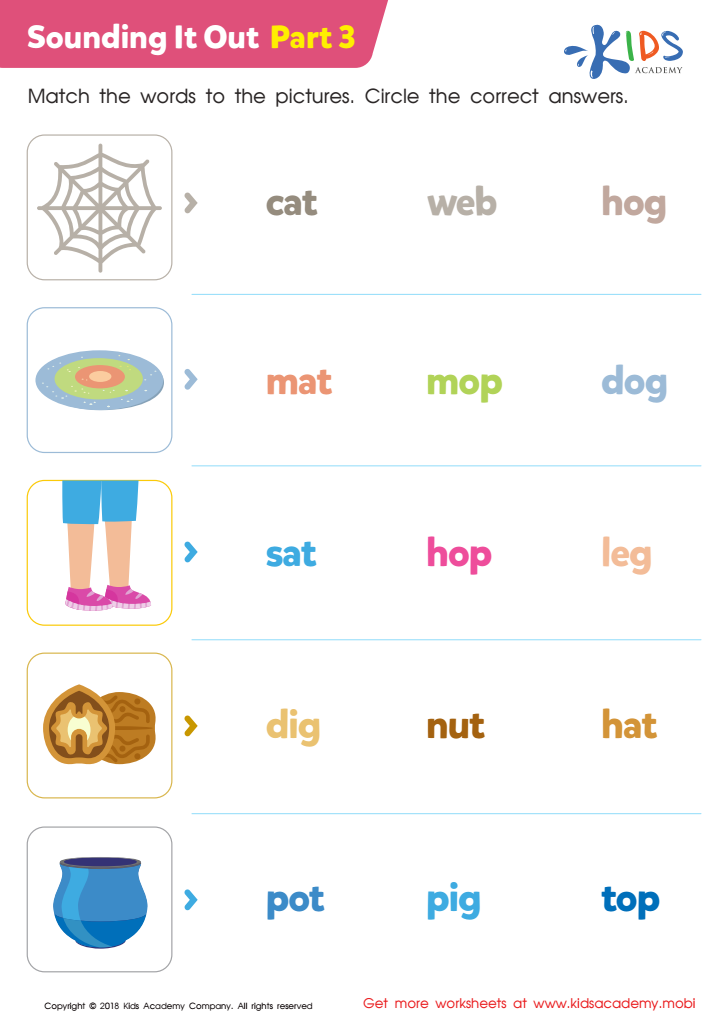
Sounding it Out: Part 3 Worksheet
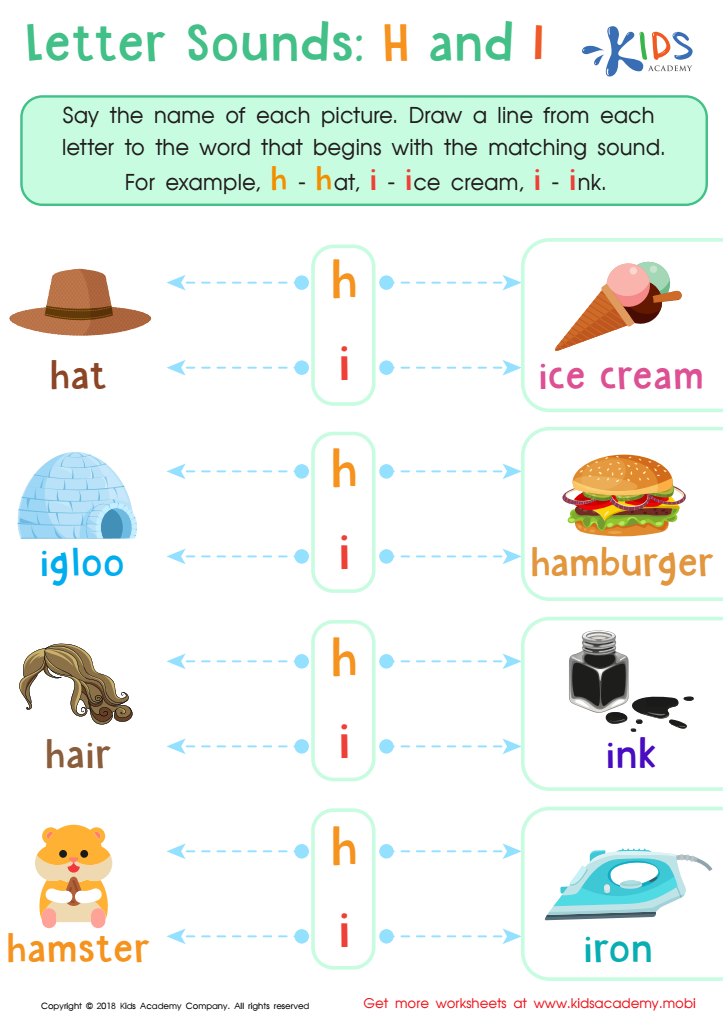
Letter H and I Sounds Worksheet
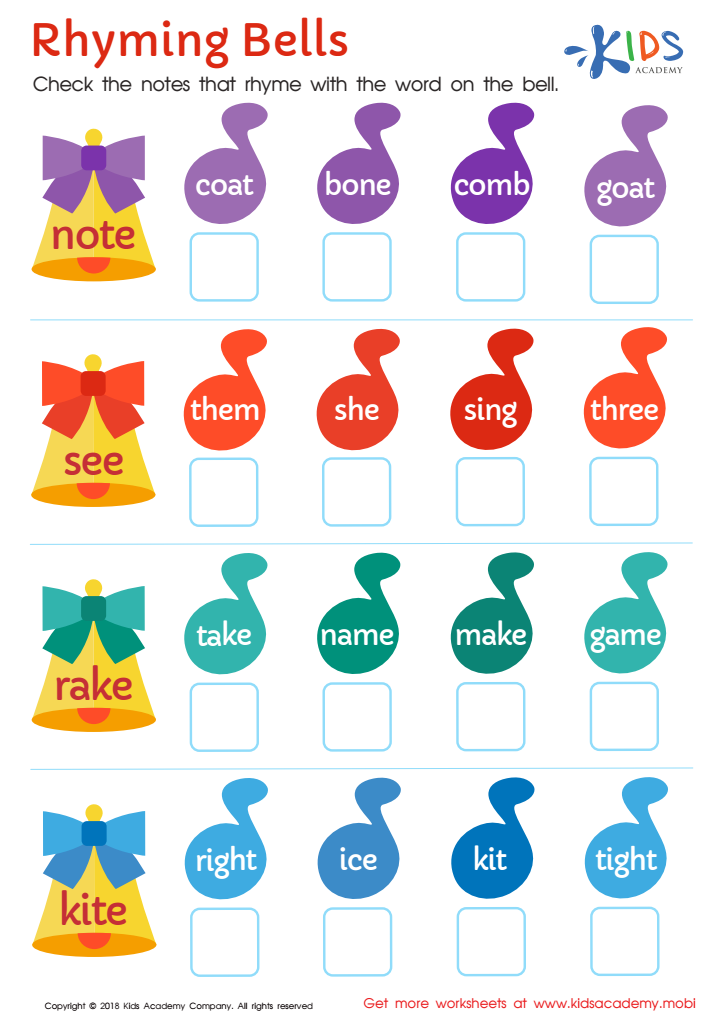
Rhyming Bells Worksheet
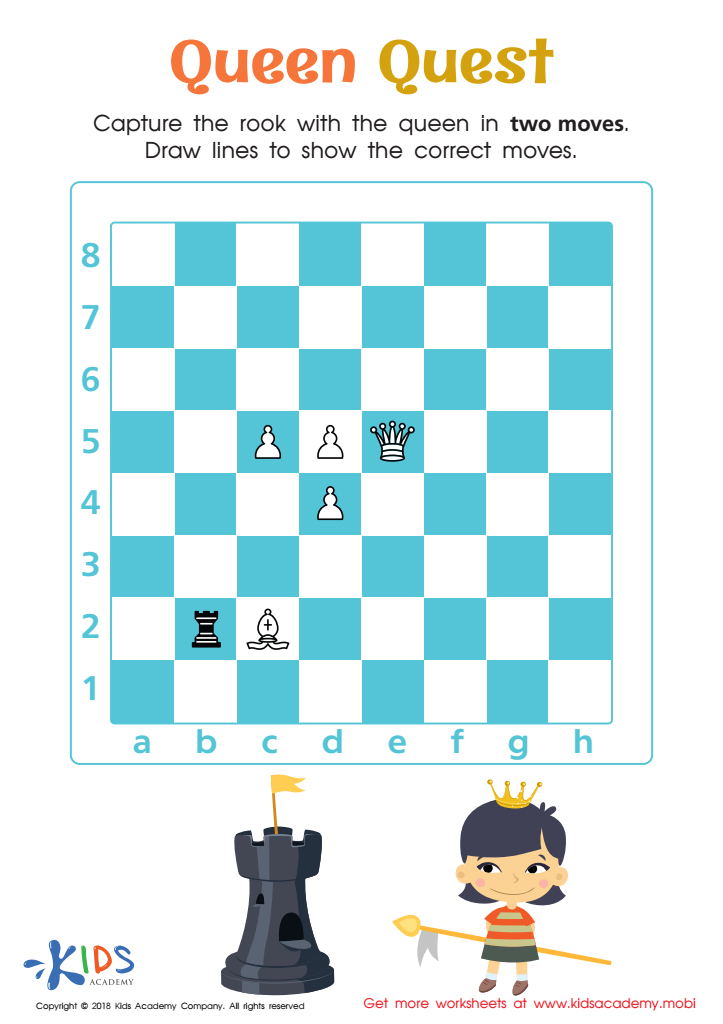
Queen Quest Worksheet
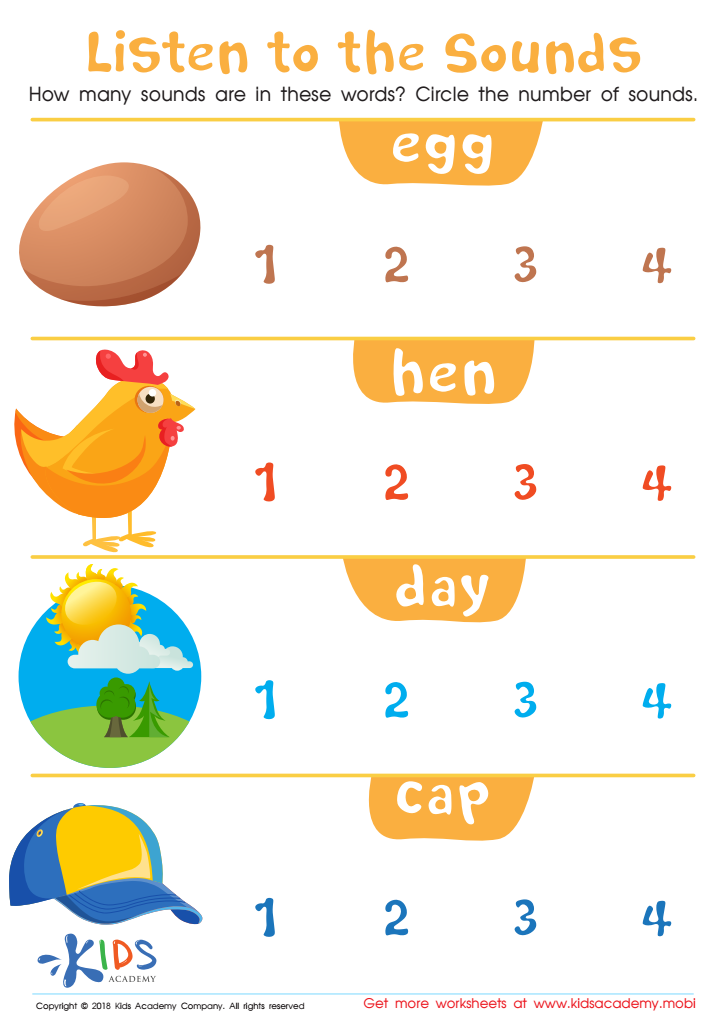
Listen to the Sounds Worksheet
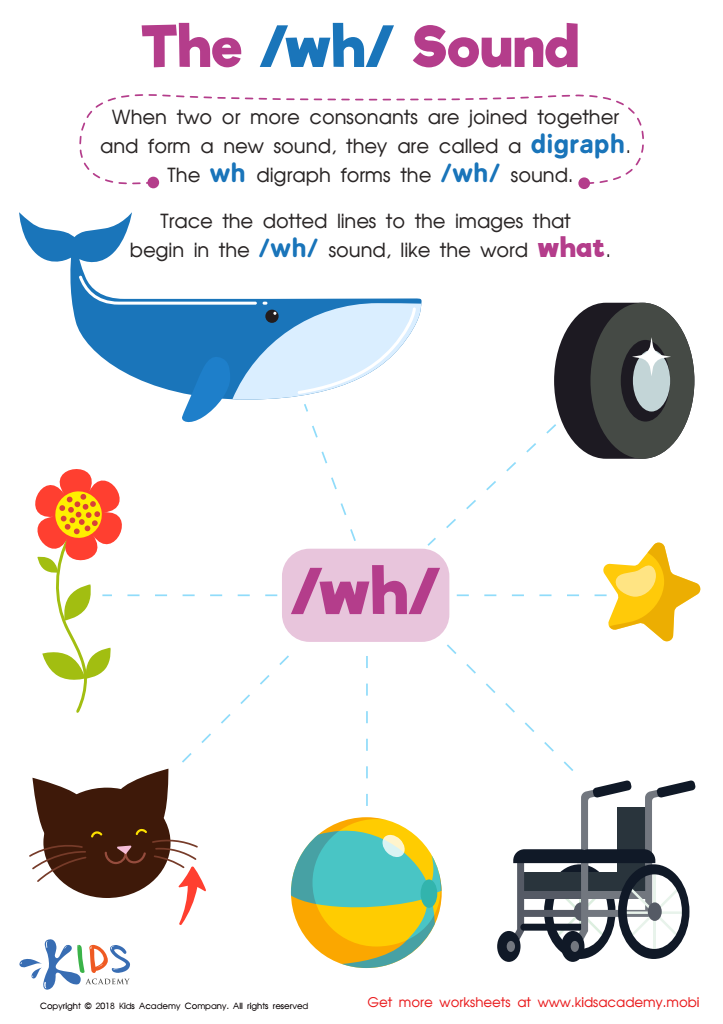
The /wh/ Sound Worksheet
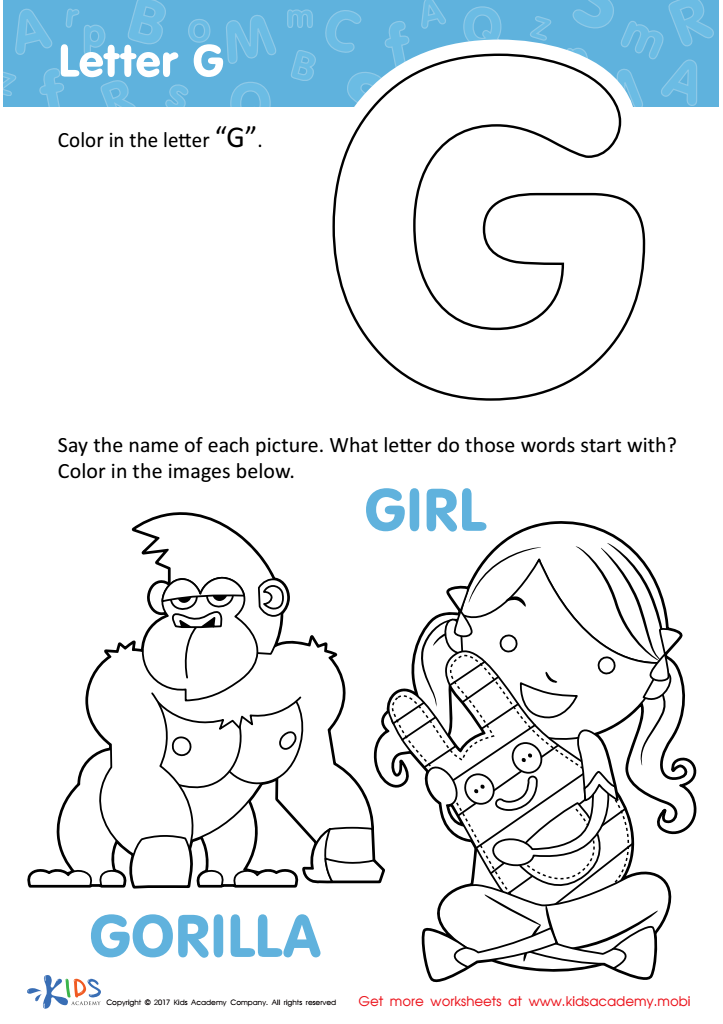
Letter G Coloring Sheet
 Assign to My Students
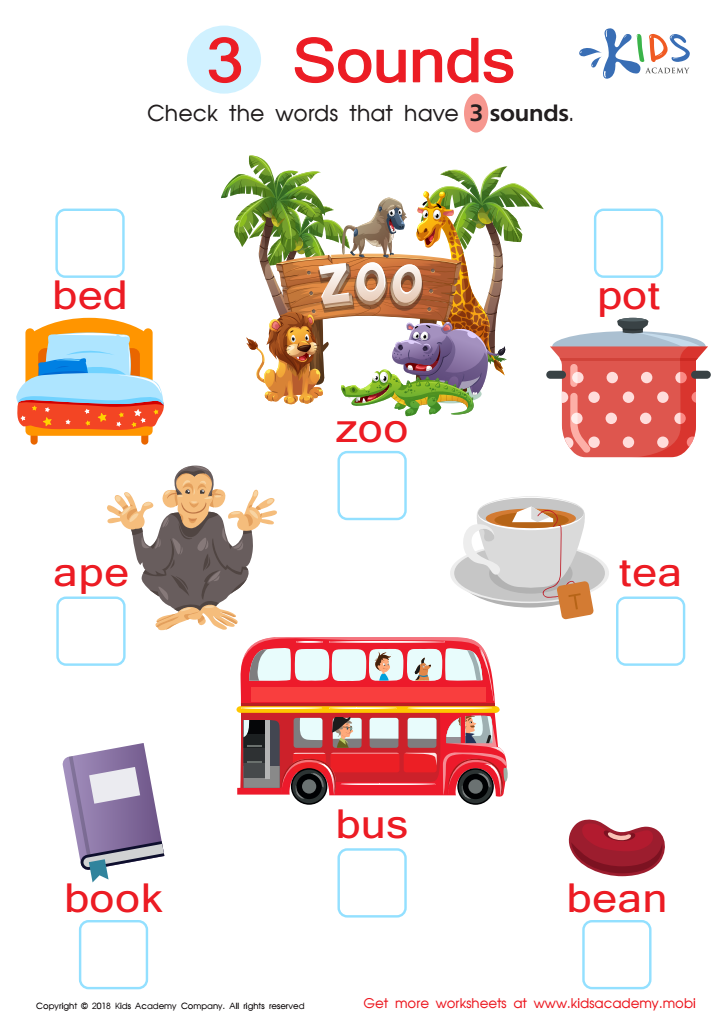
3 Sounds Worksheet
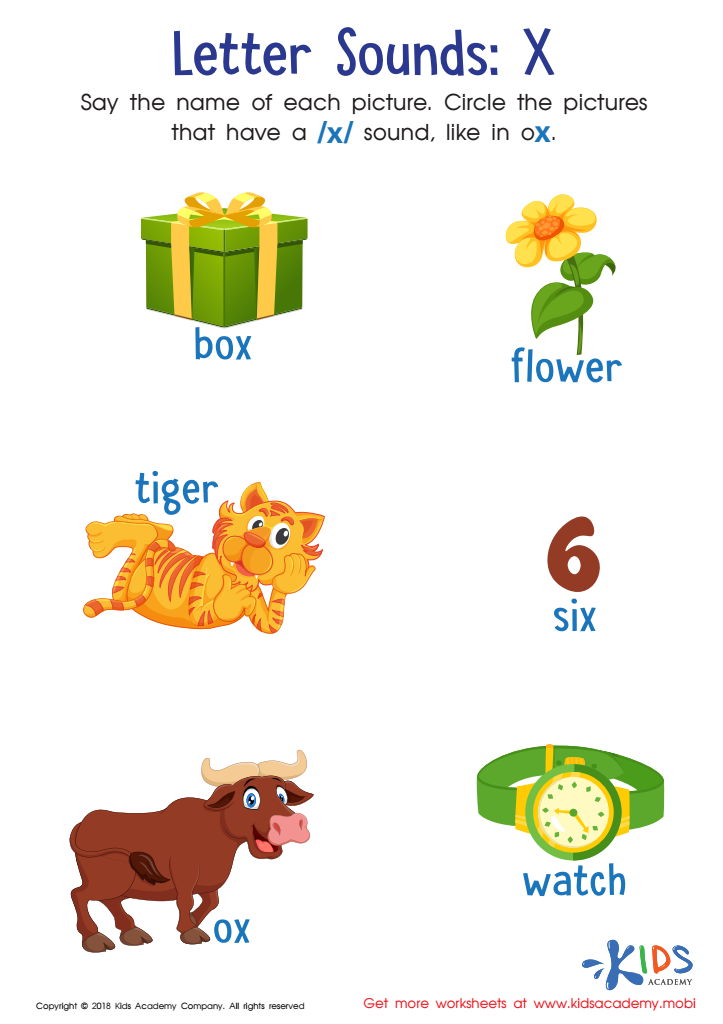
Letter X Sounds Worksheet
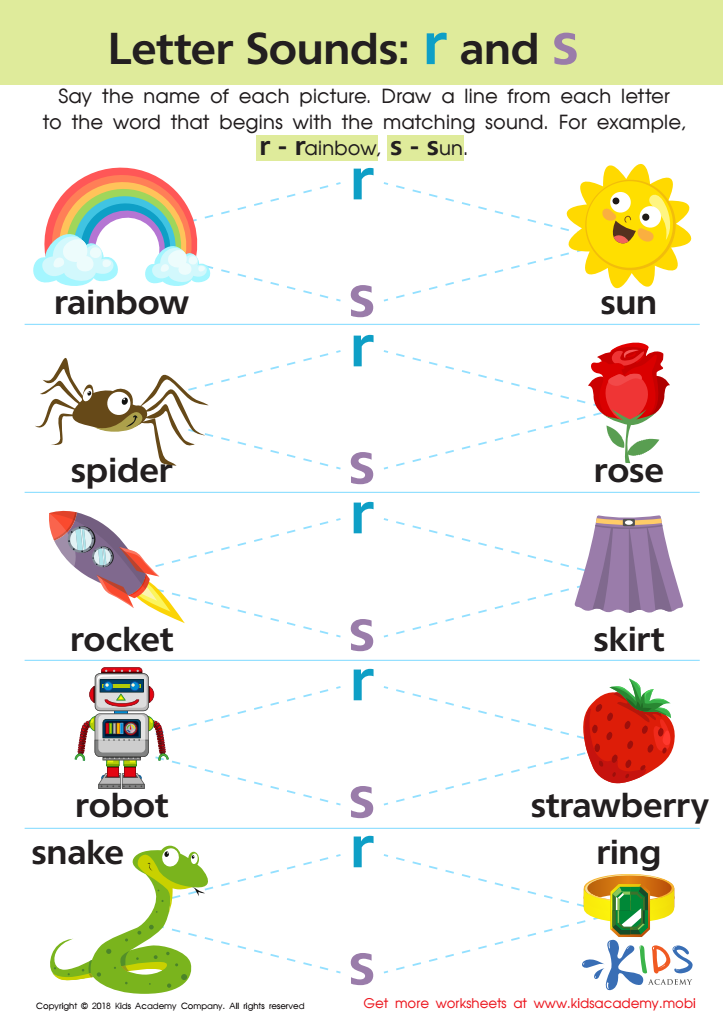
Letter R and S Sounds Worksheet
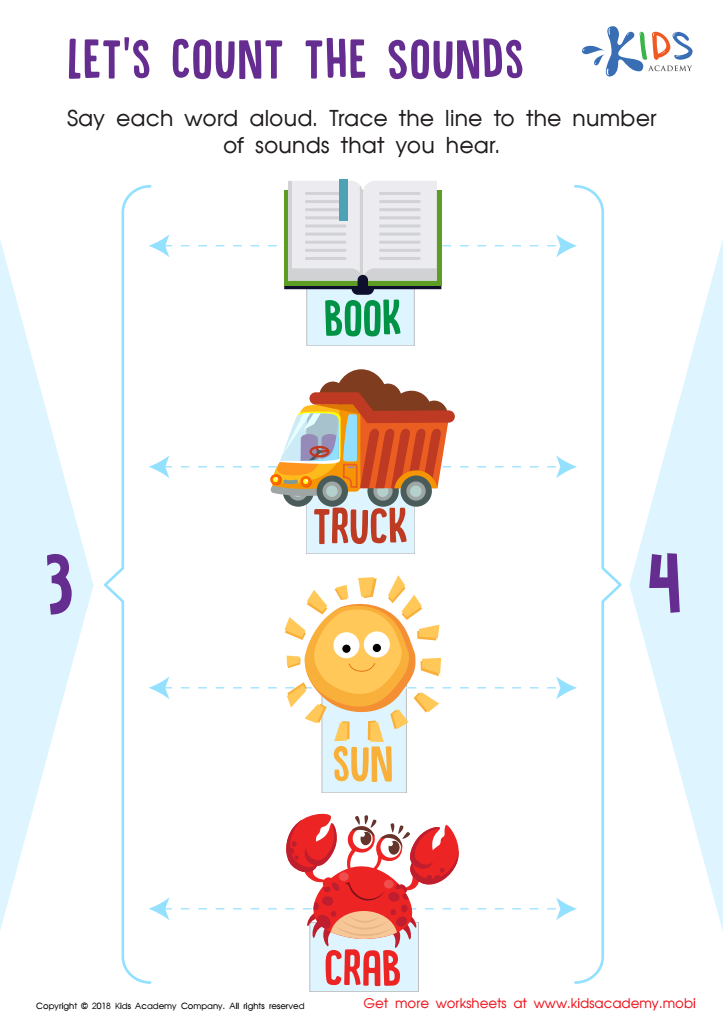
Let's Count the Sounds Worksheet
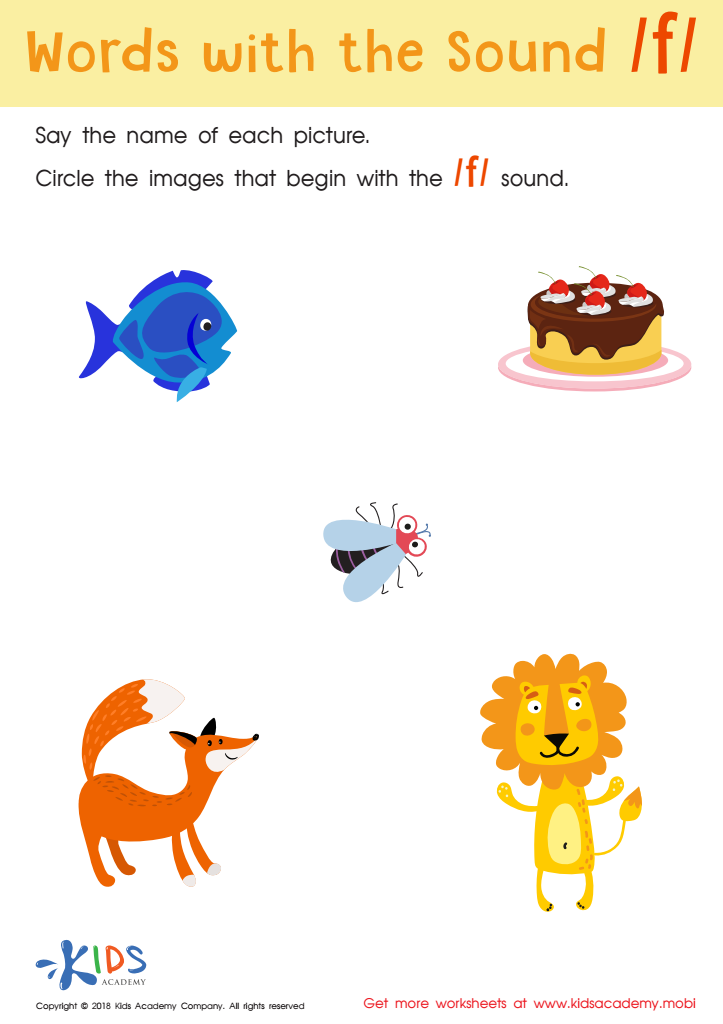
Words with sound f Reading Worksheet
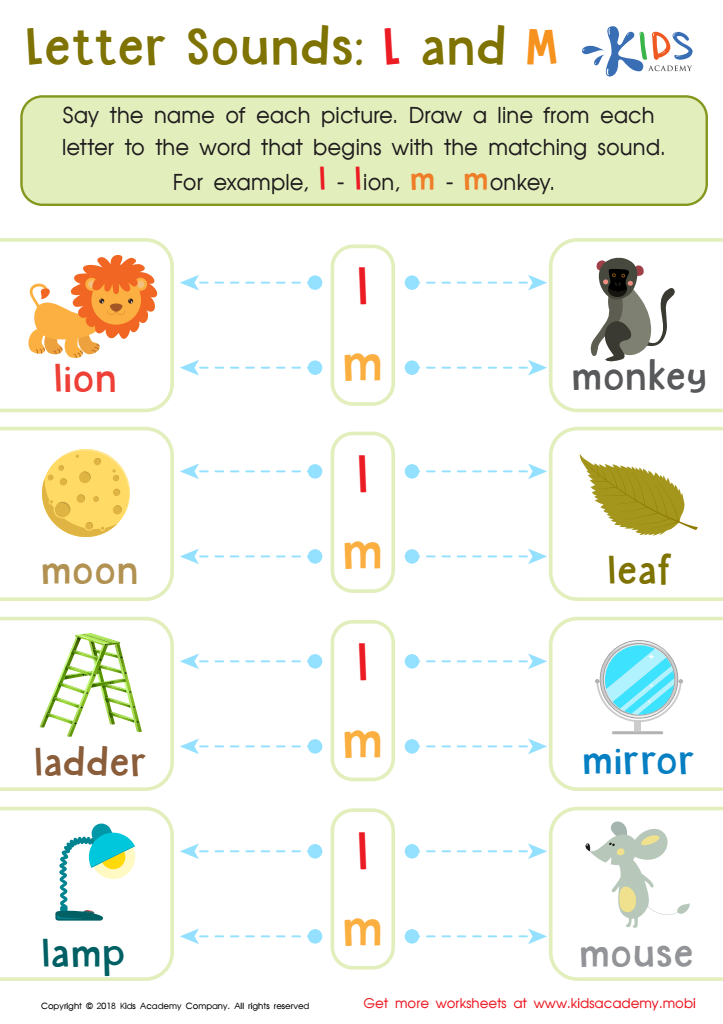
Letter l and M Sounds Worksheet
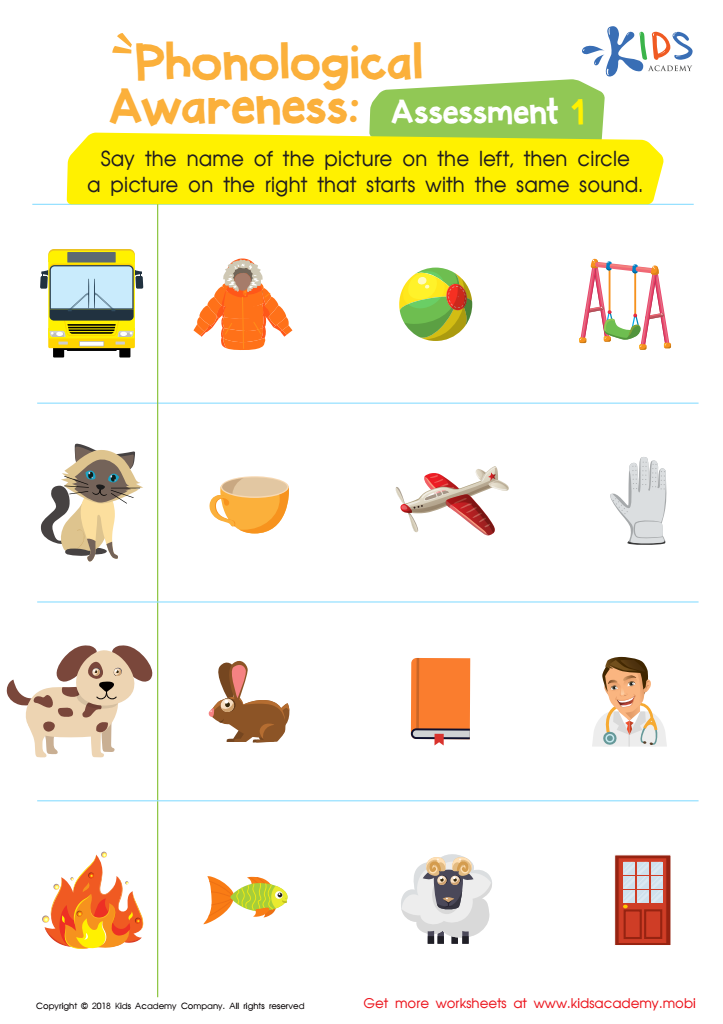
Phonological Awareness: Assessment 1 Worksheet








Sound Association Normal (SAN) for children aged 5-6 plays a crucial role in early literacy development and overall cognitive growth. At this age, children are in their formative years of language acquisition, where they begin to link sounds with letters, words, and meanings. Understanding SAN helps children decode words, enhancing their reading skills and fostering a love for literature.
Parents and teachers should prioritize SAN as it aids in phonemic awareness, the ability to hear, identify, and manipulate the individual sounds in spoken words. This foundational skill is essential for successfully learning to read and spell. By investing time in activities that promote sound association—such as phonics games, rhyming activities, and read-aloud sessions—adults can significantly boost children’s literacy skills.
Moreover, strong sound association capabilities contribute to better vocabulary acquisition and comprehension, which are critical for academic success in later grades. Additionally, mastering SAN can boost children's confidence in their language abilities, encouraging them to participate in discussions and develop critical thinking skills. Ultimately, a focus on sound association lays the groundwork for a lifetime of learning and effective communication, making it a vital area of concern for both parents and educators.








