Fine Motor Skills Normal 2D Shapes Worksheets for Ages 5-6
5 filtered results
-
From - To
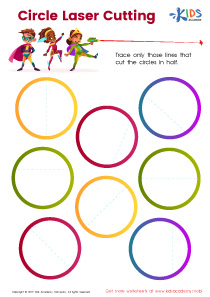
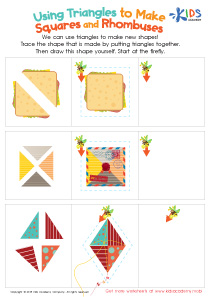
Enhance your child's fine motor skills with our engaging 2D shapes worksheets designed for ages 5-6! These printable activities help young learners practice essential skills while exploring a variety of normal 2D shapes, such as circles, squares, and triangles. Each worksheet encourages children to trace, color, and manipulate shapes, fostering hand-eye coordination and dexterity. As they complete these fun exercises, kids will develop their creativity and strengthen essential motor skills critical for future learning. Perfect for classrooms or at-home learning, our worksheets make mastering shape recognition enjoyable and interactive. Download today and watch your child's confidence grow as they learn through play!
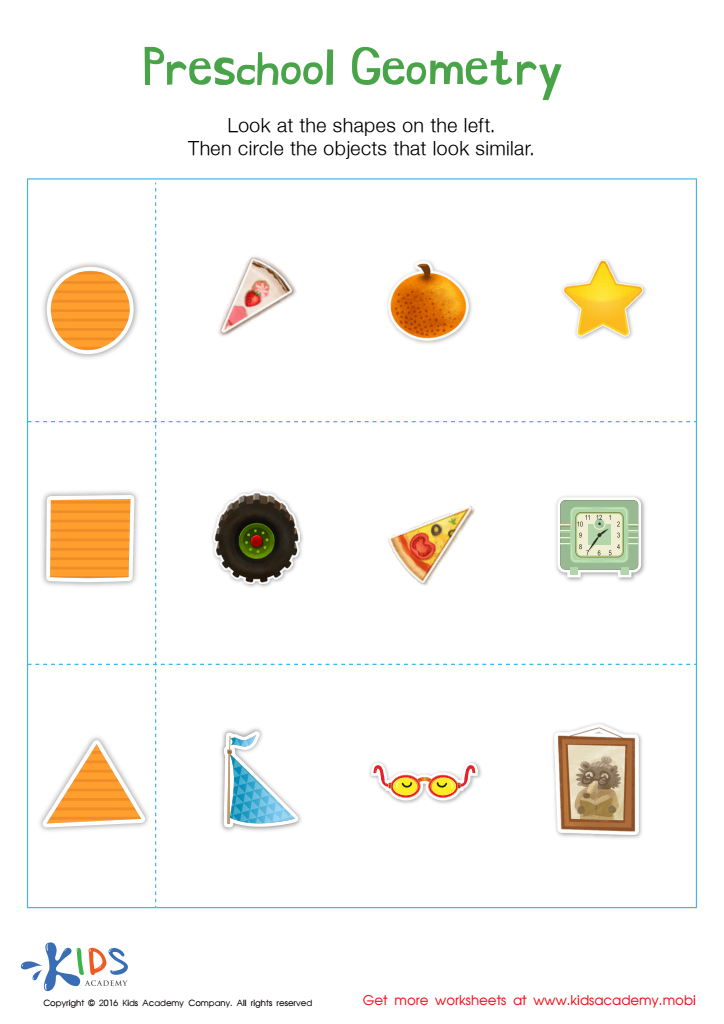
Preschool Geometry Match Up Worksheet
 Assign to My Students








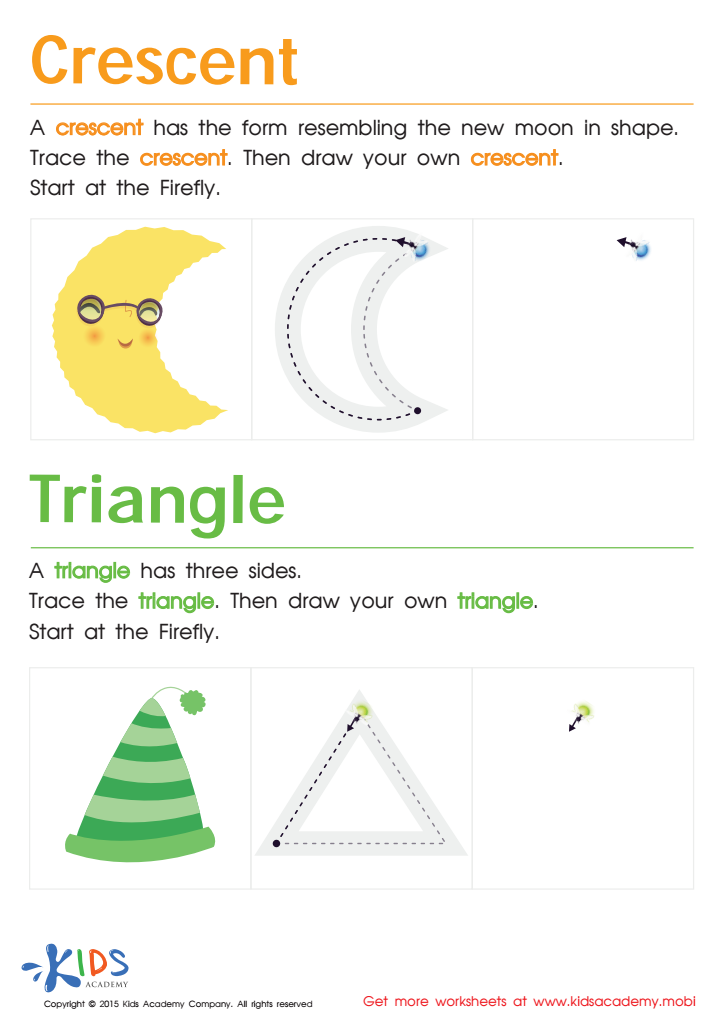
Learning to Draw Crescents And Triangles Worksheet
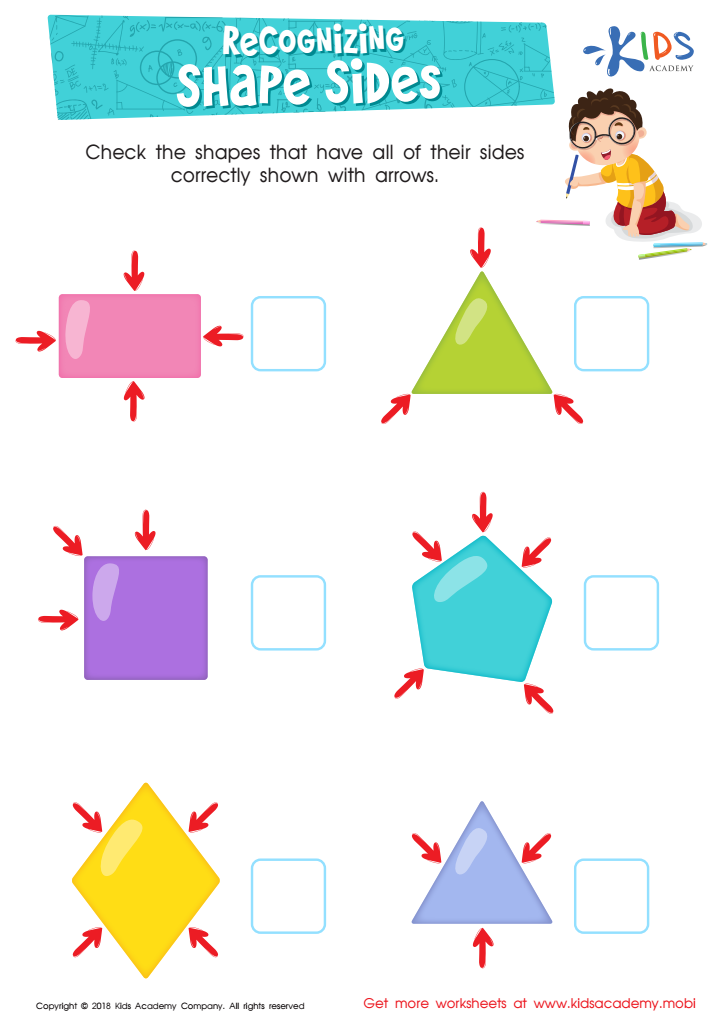
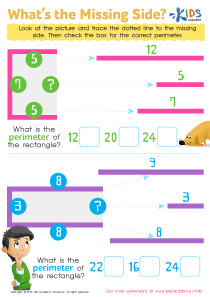
Recognizing Shape Sides Worksheet
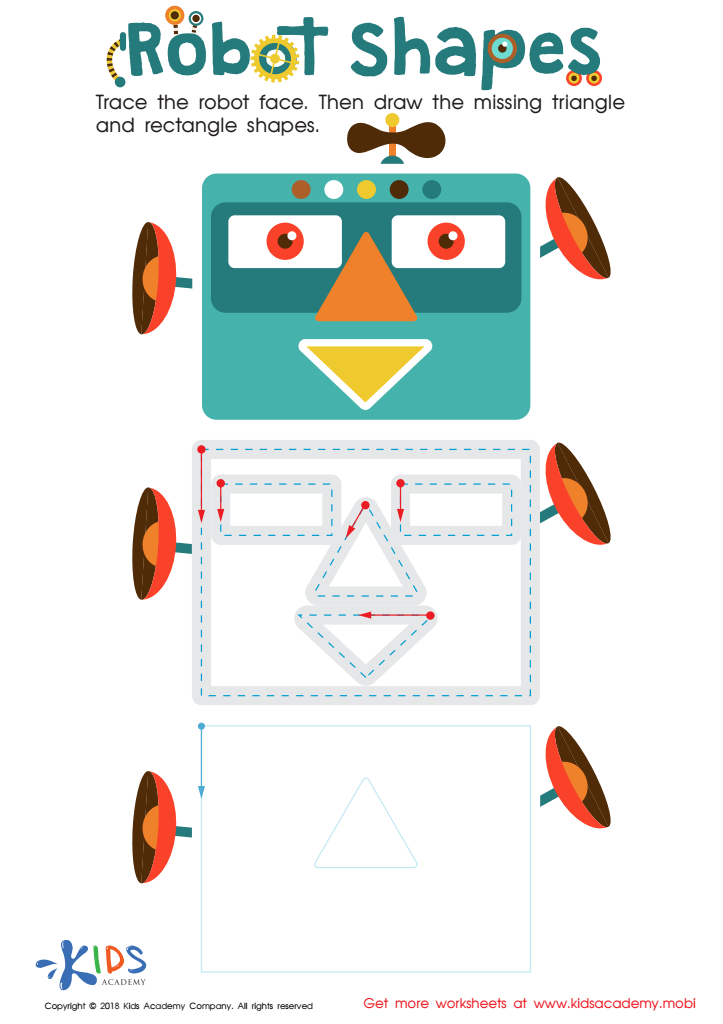
Robot Shapes Worksheet
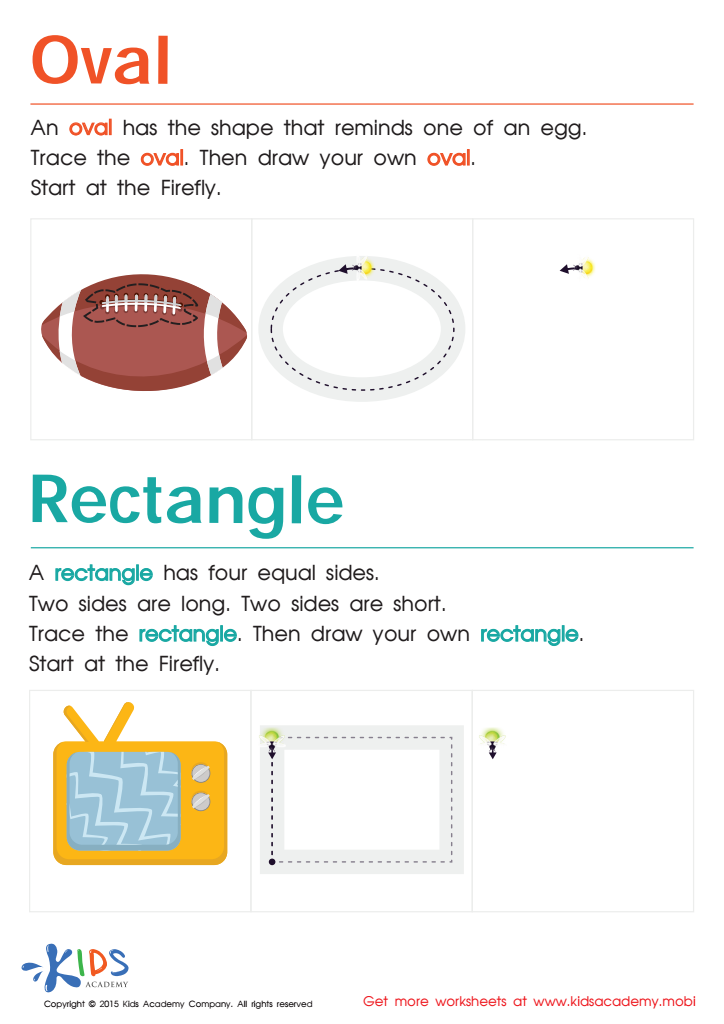
Easy Drawing of Ovals And Rectangles Worksheet








Fine motor skills are crucial for young children as they support the development of hand-eye coordination, dexterity, and precision. At ages 5-6, children are entering a stage where they need to master basic 2D shapes, such as circles, squares, and triangles. This understanding is foundational not only for academic success but also for everyday life skills.
Developing fine motor skills through the manipulation of 2D shapes can enhance children's ability to write, cut with scissors, color, and construct objects, paving the way for readiness in higher-level tasks. When children engage in activities that involve recognizing and creating shapes, they improve their hand strength and coordination, which are essential for tasks like buttoning clothing, tying shoelaces, or playing sports.
Moreover, learning about 2D shapes through fine motor activities fosters cognitive and spatial awareness. This stage also supports early mathematical concepts, such as counting and understanding symmetry. Parents and teachers should prioritize this aspect of development to provide opportunities for creativity, problem-solving, and critical thinking, facilitating overall growth in children. In essence, nurturing fine motor skills through 2D shape activities enriches children’s learning experiences and strengthens their future academics and daily tasks.