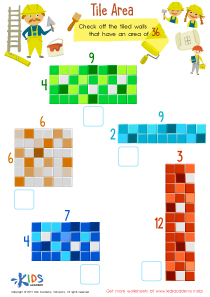
Cognitive Development Normal Numbers Worksheets for Ages 5-6
11 filtered results
-
From - To
Cognitive Development Normal Numbers Worksheets for Ages 5-6 at Kids Academy are designed to enhance early numeracy and problem-solving skills in young learners. These engaging and educational printable worksheets focus on number recognition, counting, and basic arithmetic to build a strong mathematical foundation. Perfect for both classroom and at-home learning, the activities are crafted to promote cognitive growth and boost confidence in young minds. With vibrant visuals and interactive tasks, children will enjoy mastering numbers while developing their critical thinking abilities. Explore our collection today to support your child's cognitive development journey.

Count and Match Boxes with Vegetables
 Assign to My Students
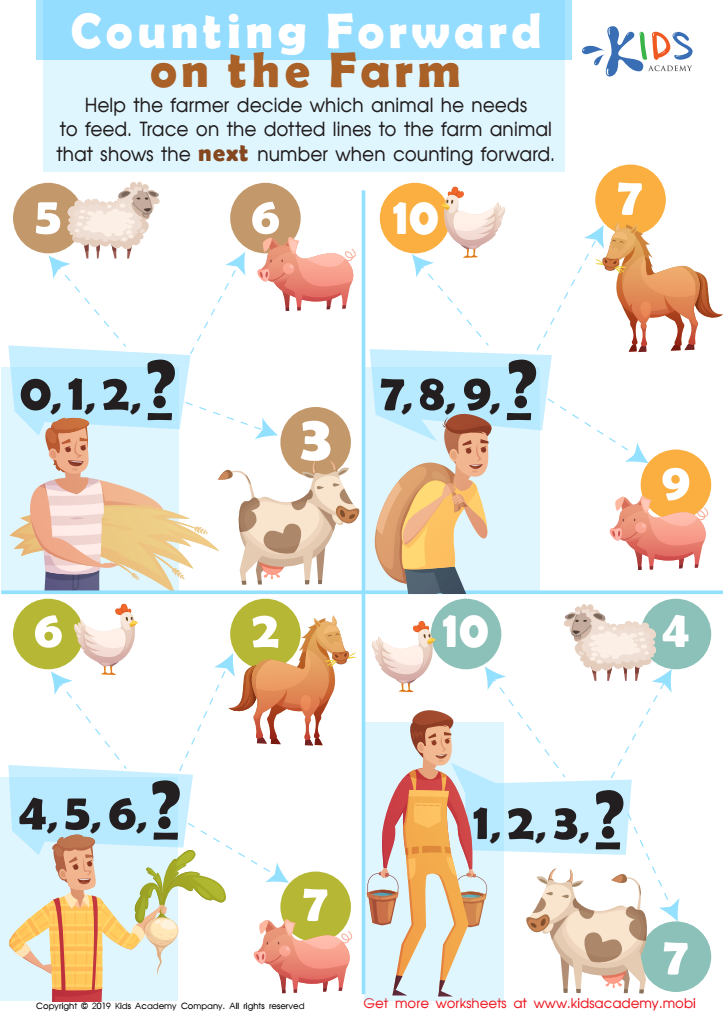
Counting Forward On the Farm Worksheet
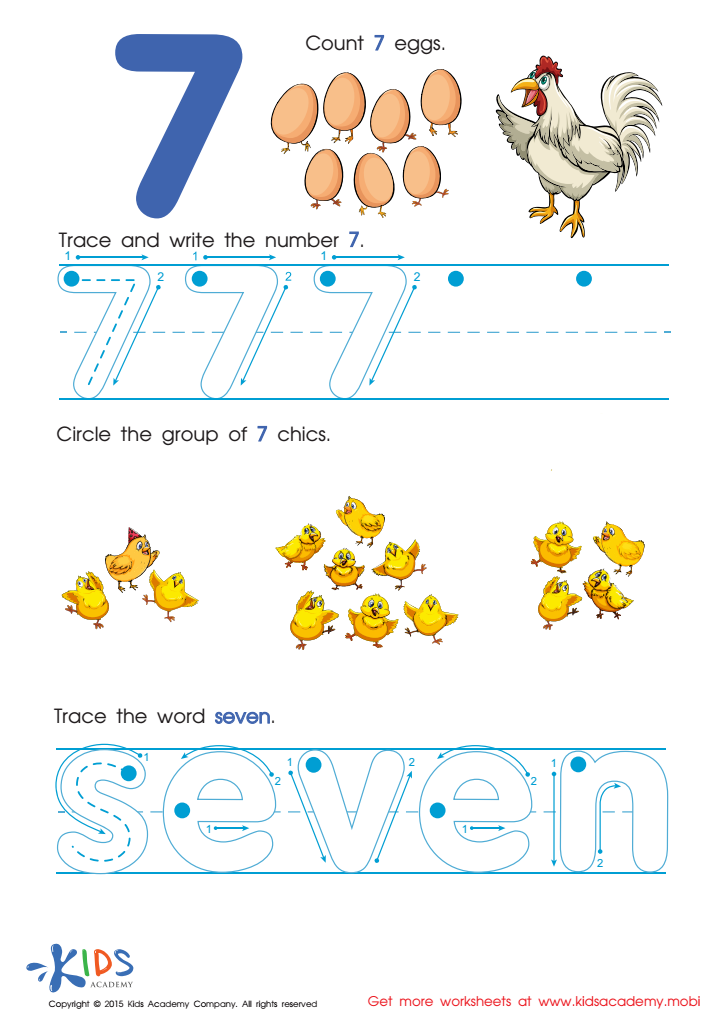
Trace And Write Number 7 with Fun Worksheet
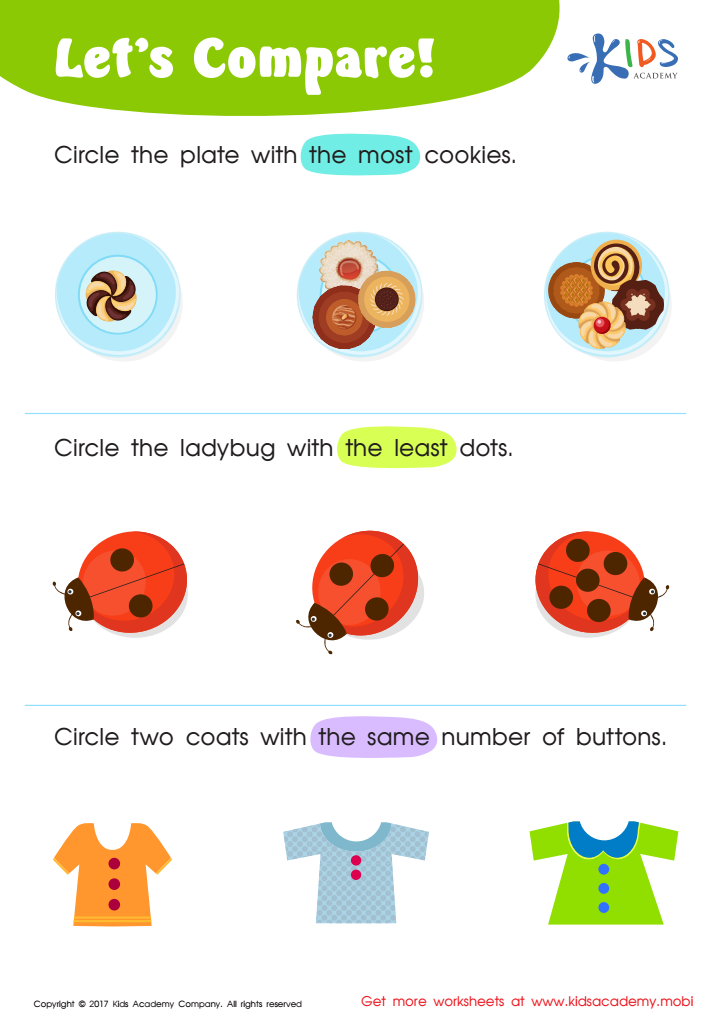
Matching: Classifying Toys by Size Worksheet
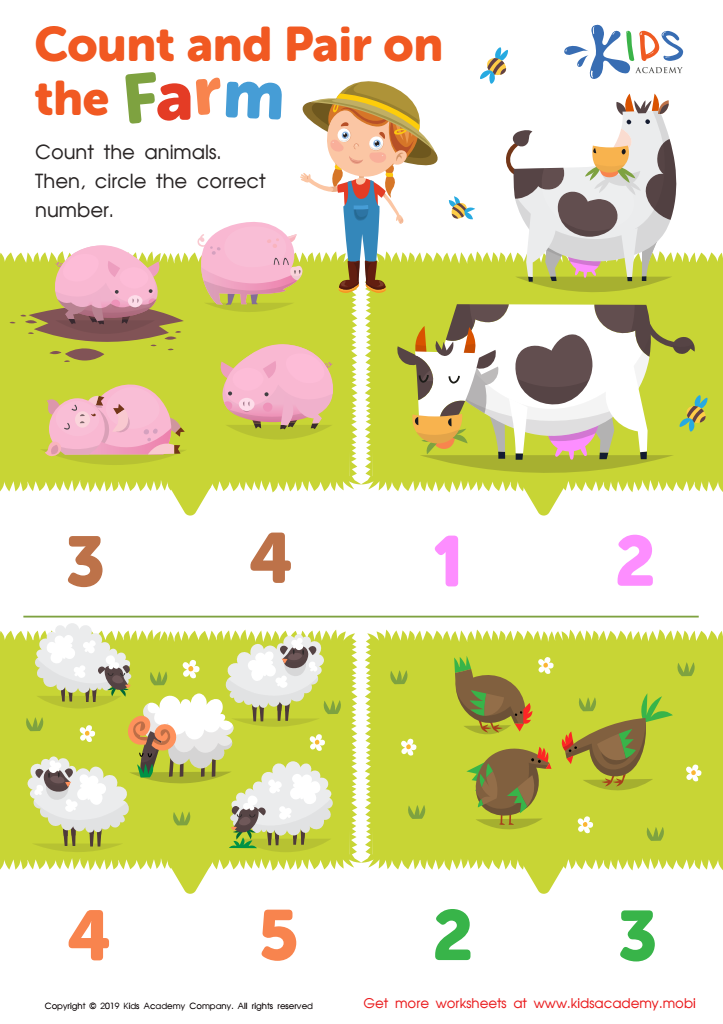
Count and Pair on the Farm Worksheet
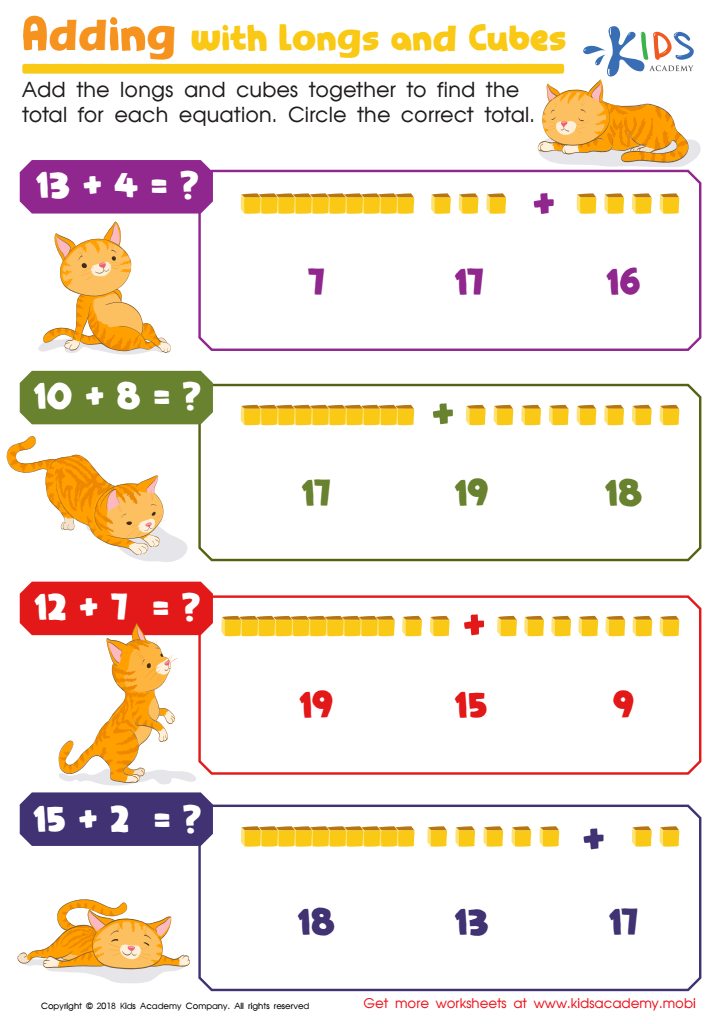
Adding With Longs and Cubes Worksheet
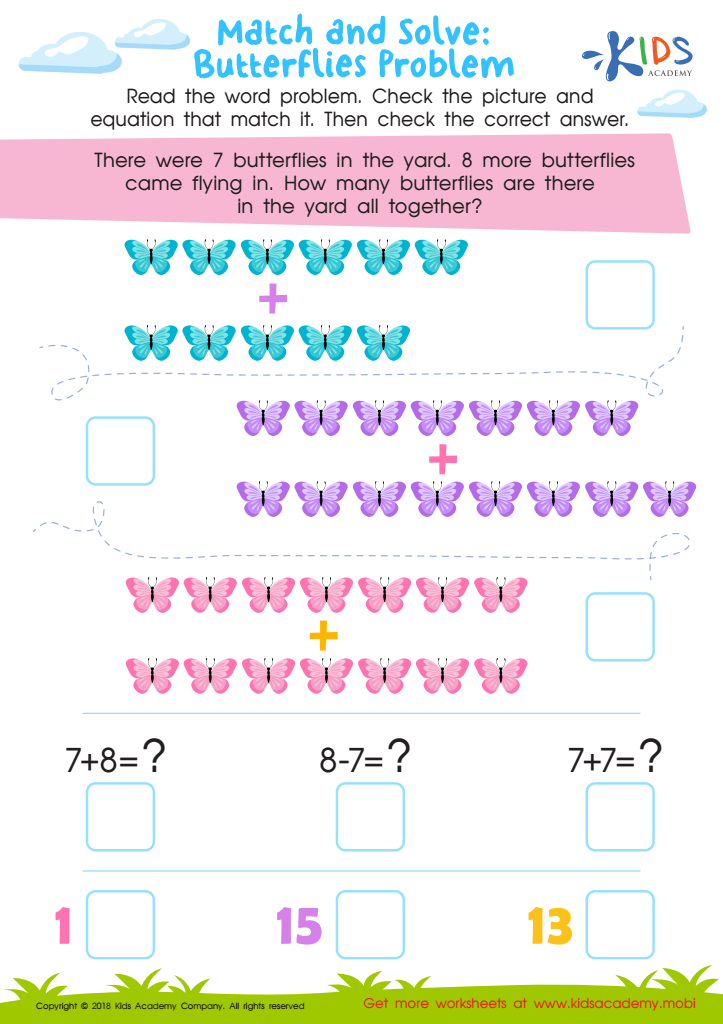
Match and Solve: Butterfly Problem Worksheet
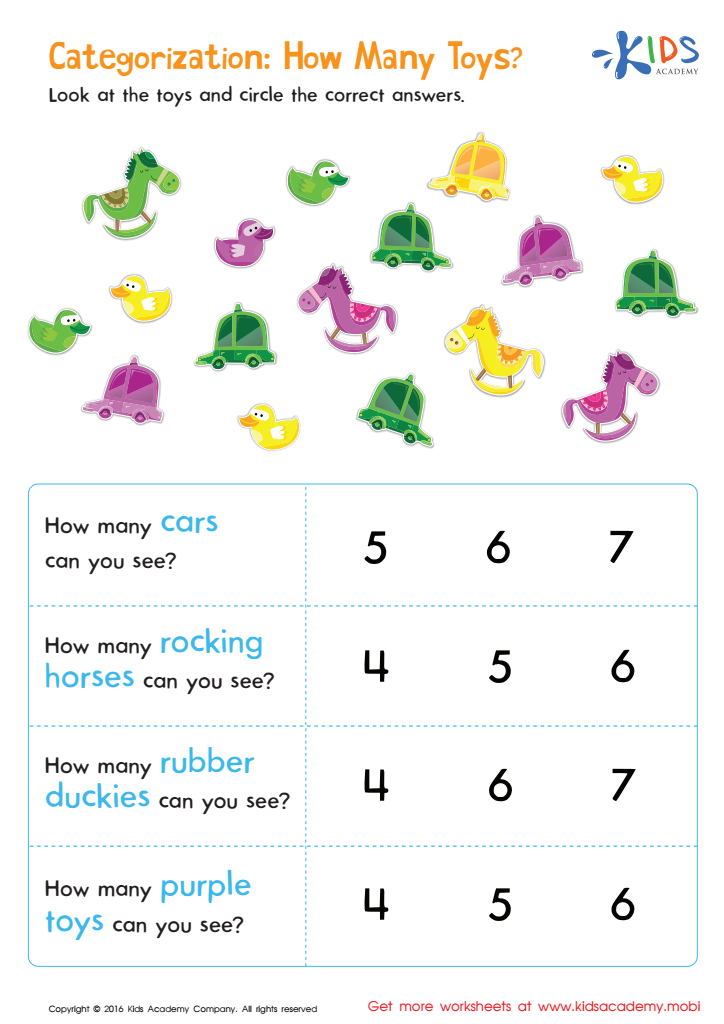
Classifying Toys by Type and Color Sorting Worksheet
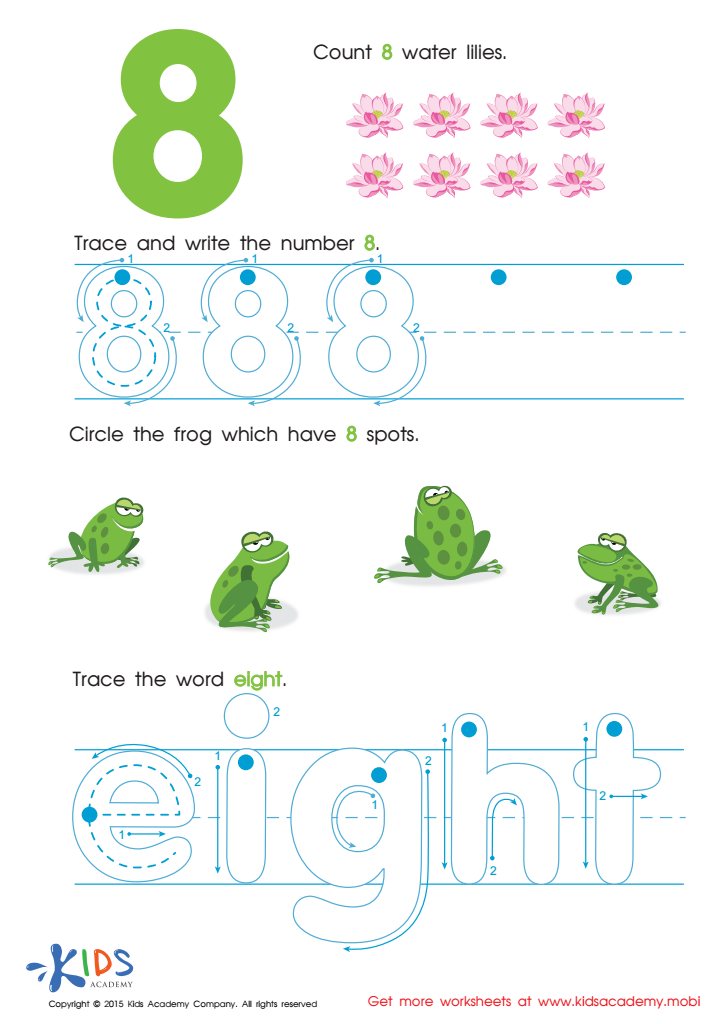
Learn Number 8 Easily Worksheet
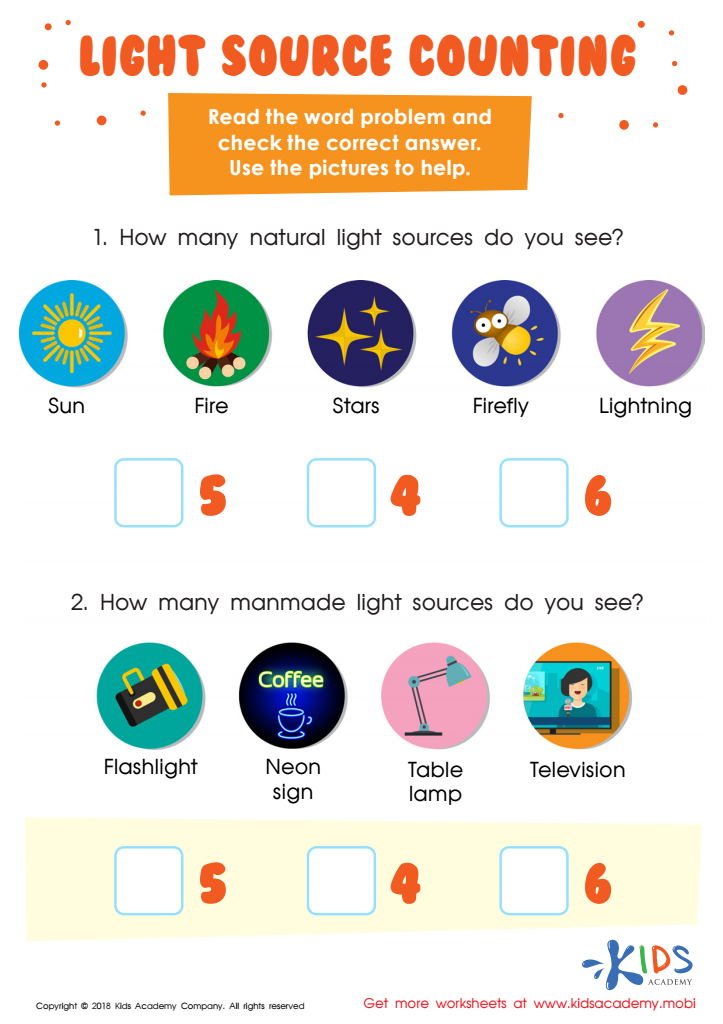
Light Source Counting Worksheet
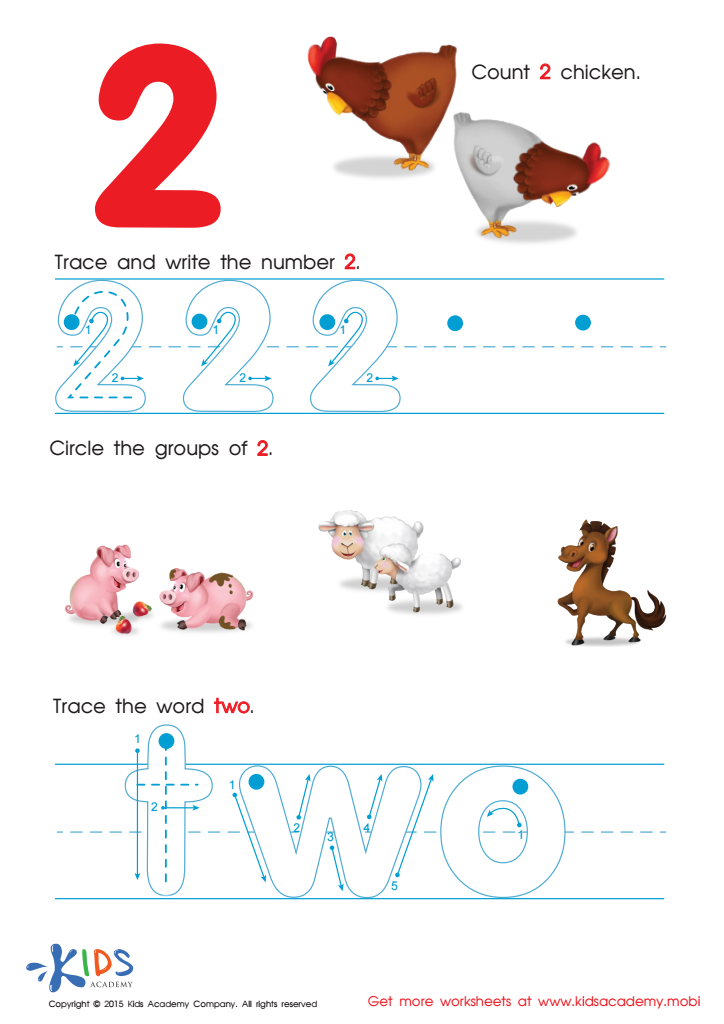
Learn to Write the Number 2 Worksheet








Understanding cognitive development normal numbers for children ages 5-6 is crucial for parents and teachers because it helps to ensure that each child is reaching developmental milestones at a pace that supports future learning and growth. Cognitive development in this stage includes skills like learning numbers, understanding basic math concepts, developing problem-solving abilities, and improving memory and attention. Knowing what is typical for this age group allows adults to identify children who may need additional support, fostering an environment where early intervention can be implemented if necessary.
At ages 5-6, children begin to grasp number sense, which includes recognizing numbers, counting, and understanding the basics of addition and subtraction. Mastering these concepts is foundational for their success in later math learning and academic endeavors. Furthermore, fostering cognitive skills in early childhood sets the stage for lifelong critical and analytical thinking abilities.
Parents and teachers who are aware of these developmental benchmarks can provide targeted activities and nurturing interactions that encourage appropriate growth. This might involve games that practice counting, story problems that develop reasoning skills, and routine tasks that enhance memory through repetition. By paying attention to these cognitive parameters, they contribute positively to children’s overall educational trajectory and help foster a love for learning from an early age.