Visual perception Normal Math Worksheets for Ages 5-6
14 filtered results
-
From - To
Unlock your child's potential with our Visual Perception Normal Math Worksheets for Ages 5-6! Specially designed to enhance cognitive development, these engaging worksheets help kids improve their visual perception skills. Through fun, focused exercises, children will learn to recognize patterns, distinguish shapes, and understand spatial relationships. Perfect for preparation in early math skills, these worksheets blend enjoyment with education. They're an ideal resource for parents and educators seeking to build a strong mathematical foundation from a young age. Invest in your child's future today with our expertly curated visual perception worksheets!
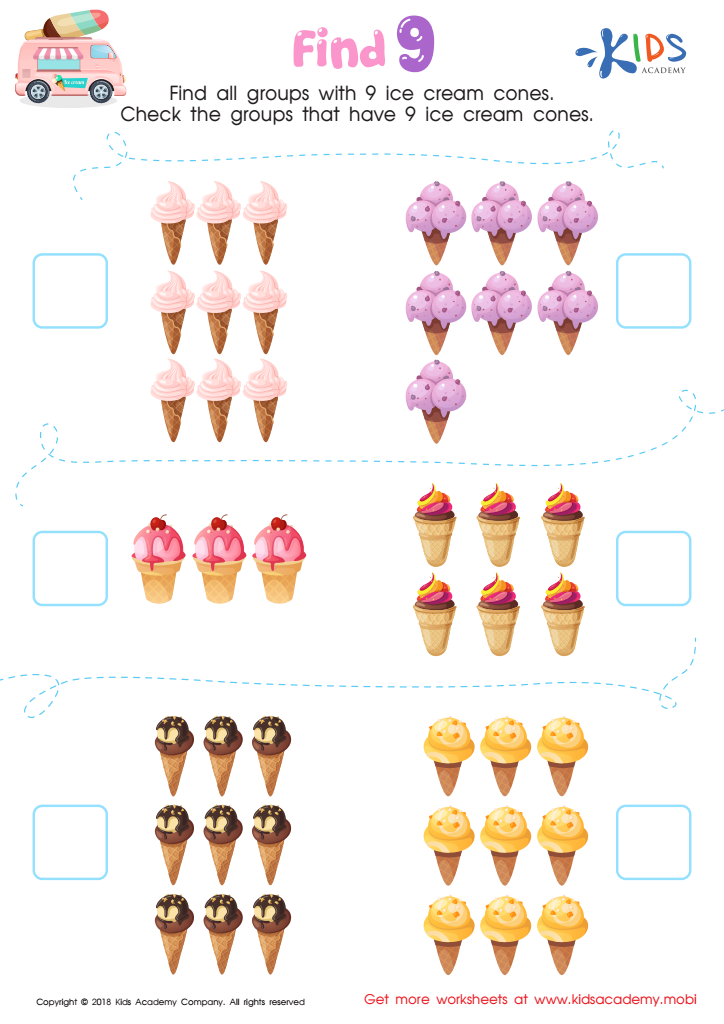
Find 9 Worksheet
 Assign to My Students

Count and Match Boxes with Vegetables
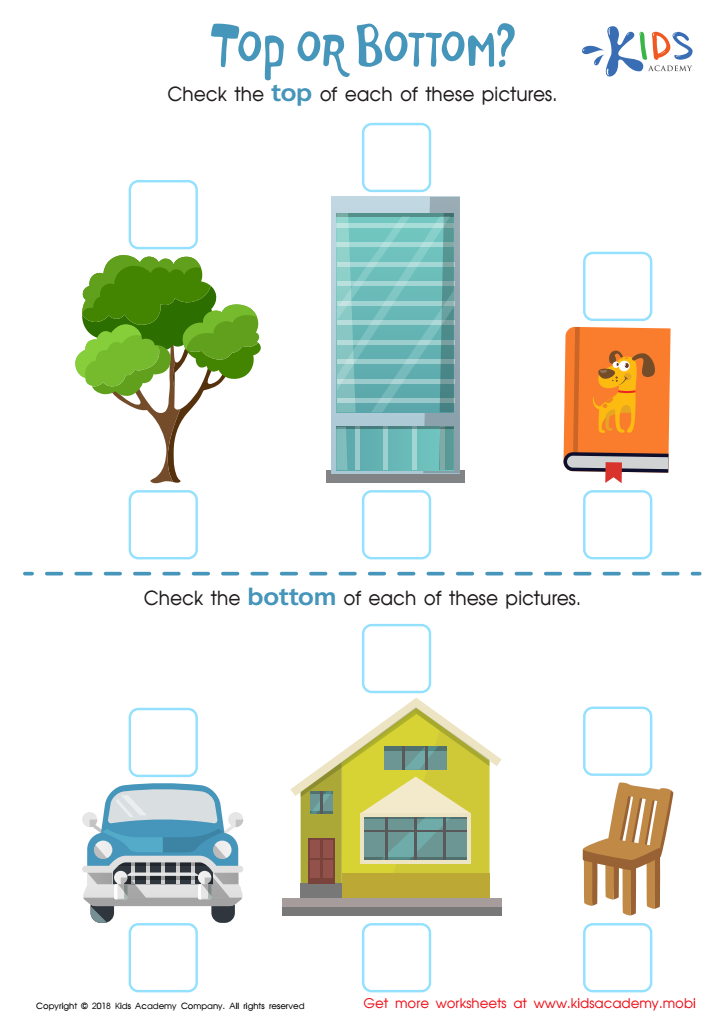
Top or Bottom Worksheet
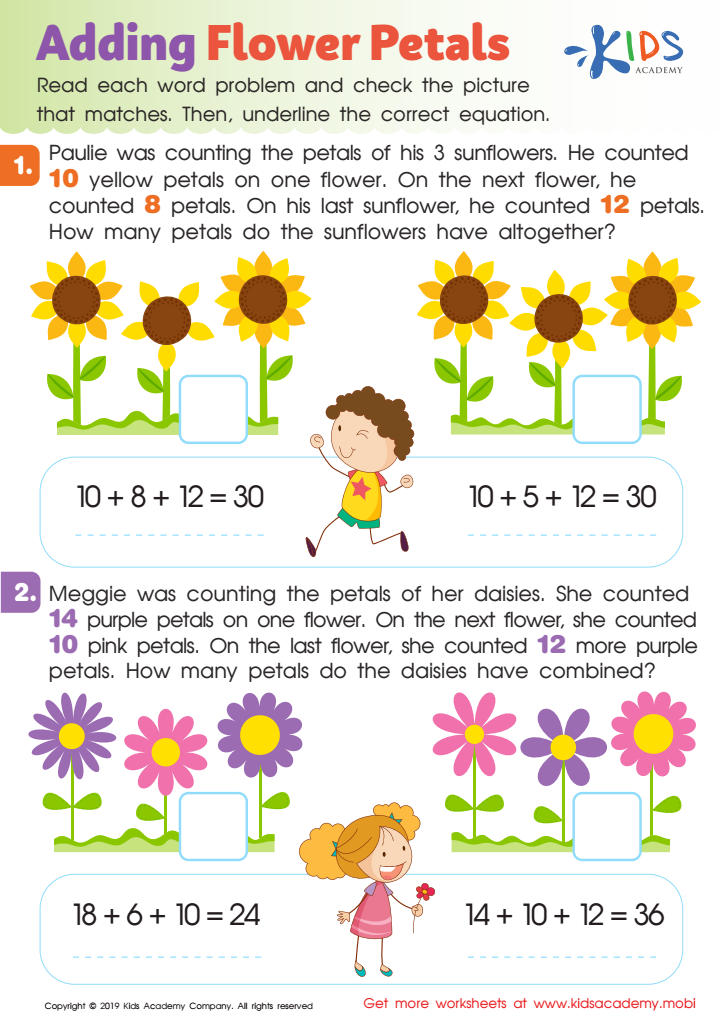
Adding Flower Petals Worksheet
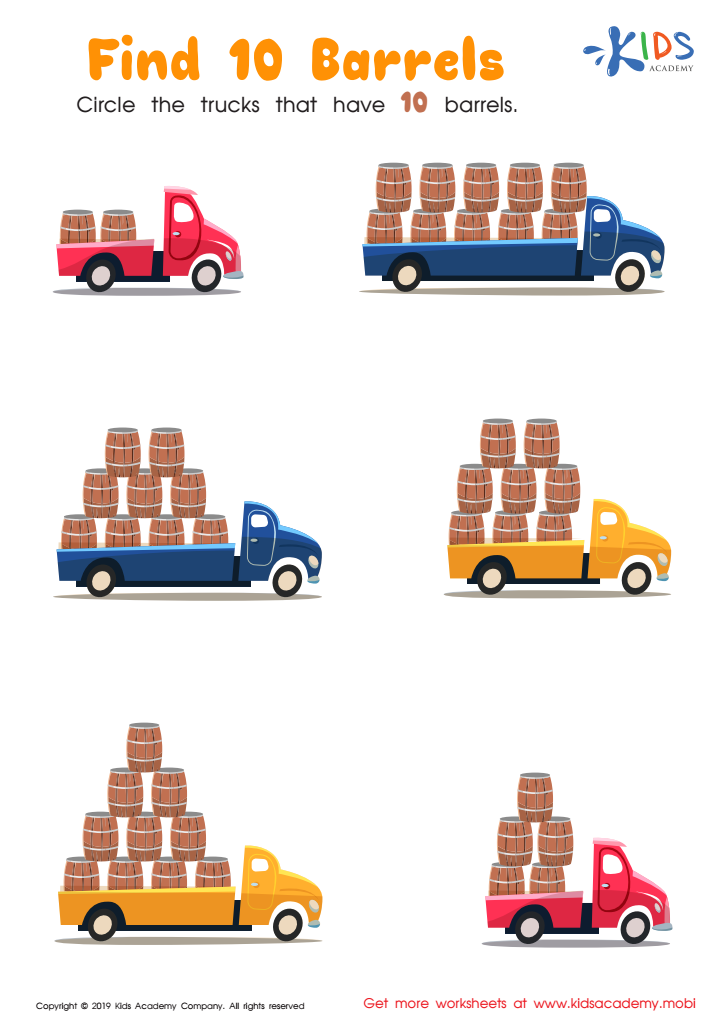
Find 10 Barrels Worksheet
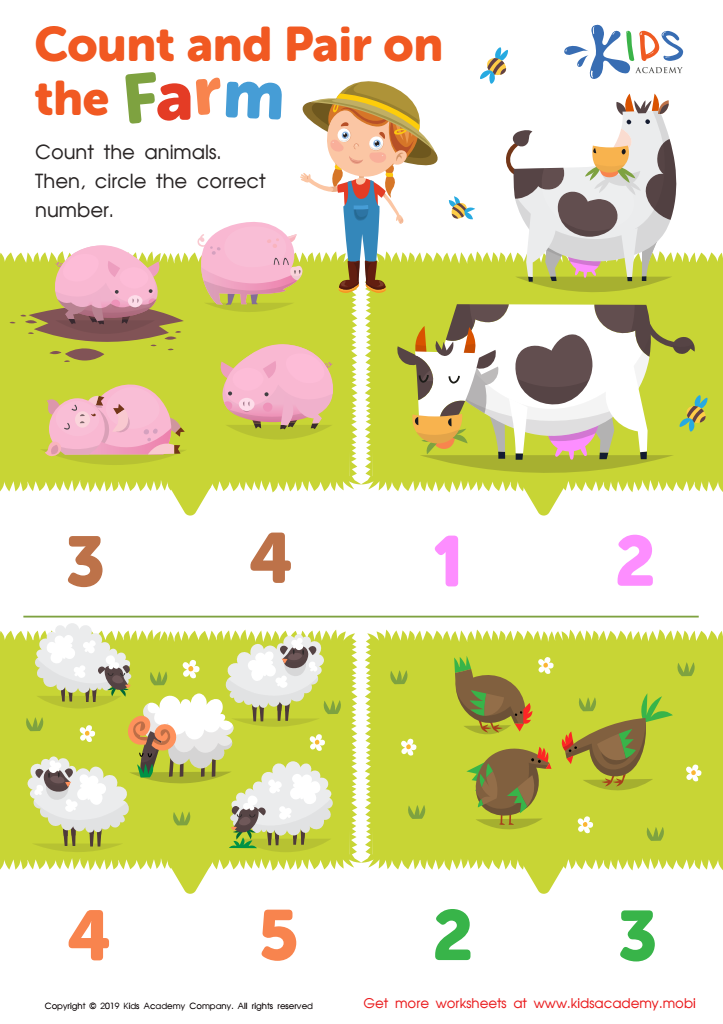
Count and Pair on the Farm Worksheet
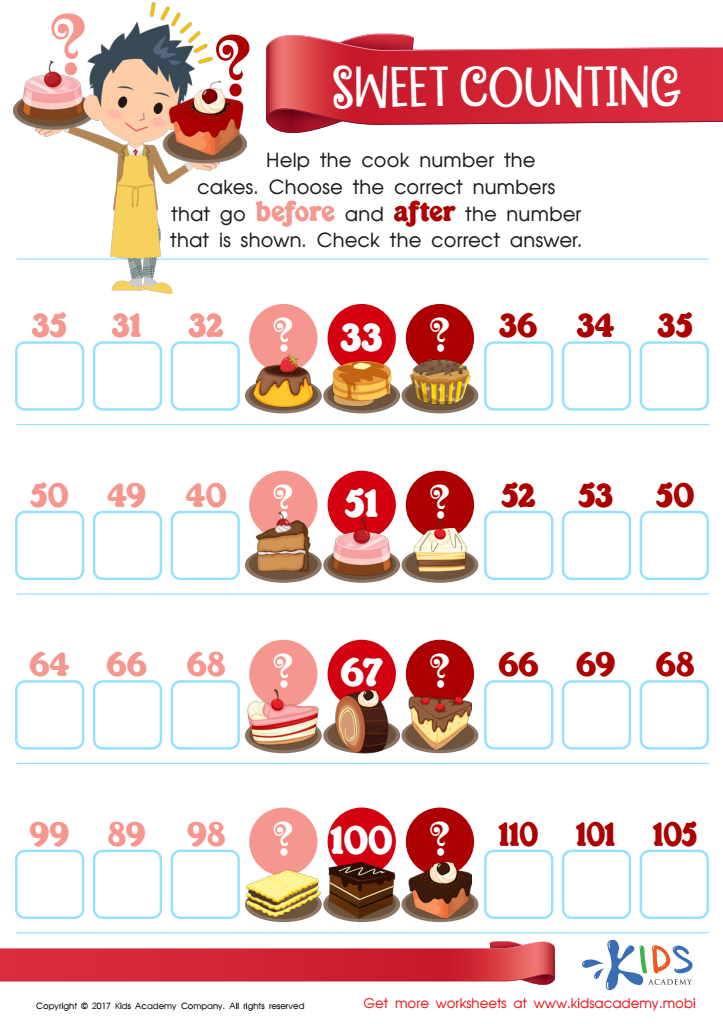
Sweet Counting - Part 1 Worksheet
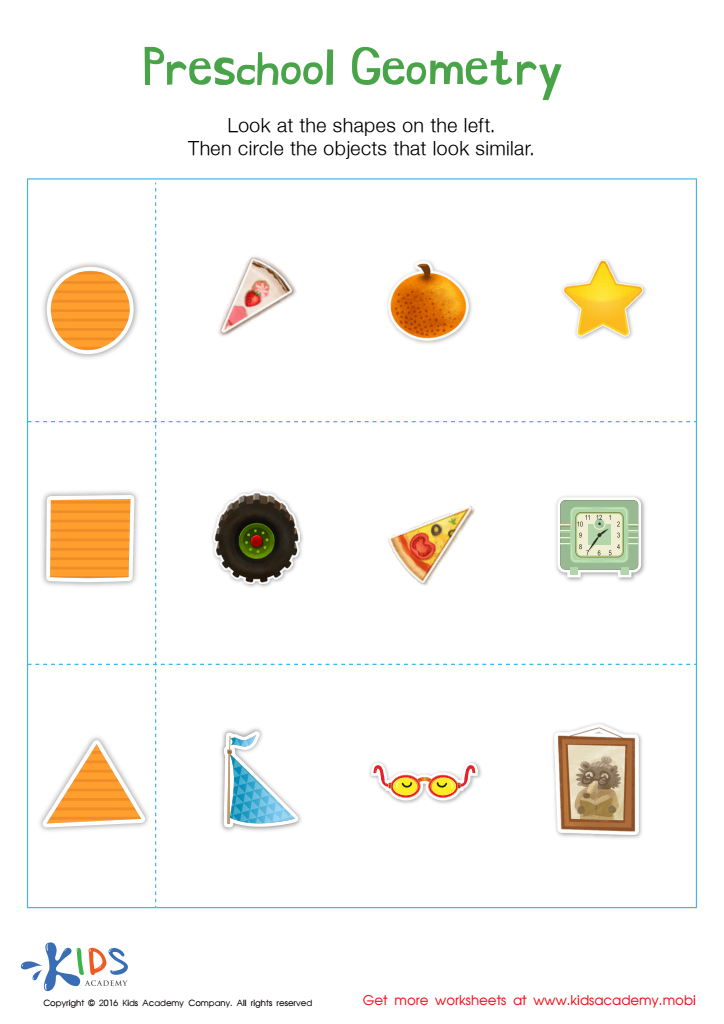
Preschool Geometry Match Up Worksheet
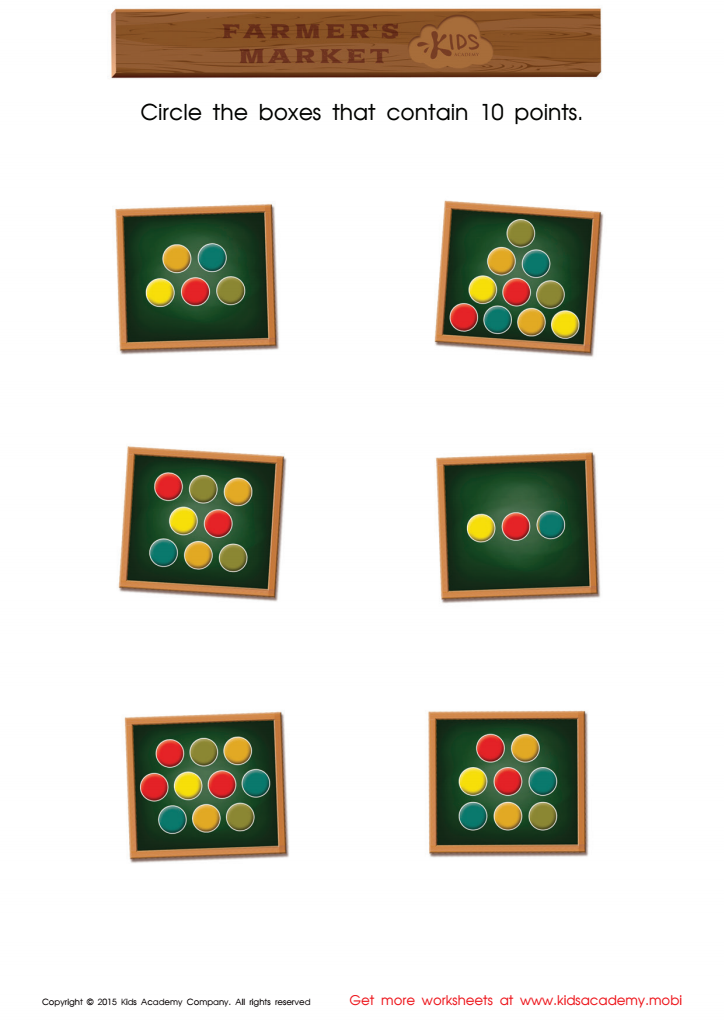
Count and Match Points 10 Math Worksheet
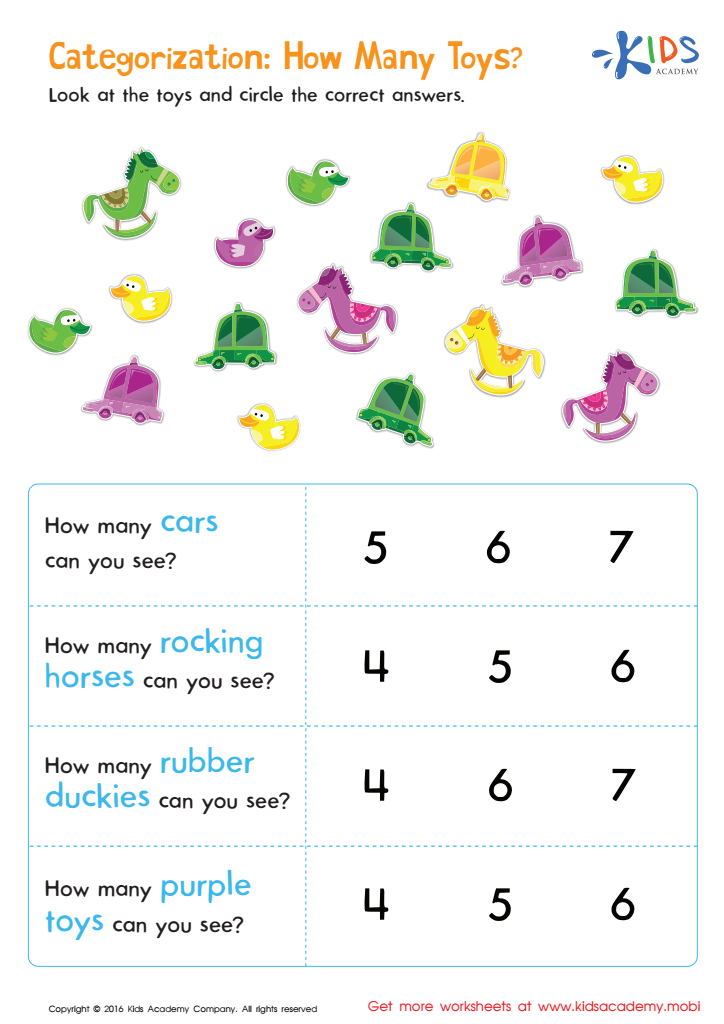
Classifying Toys by Type and Color Sorting Worksheet
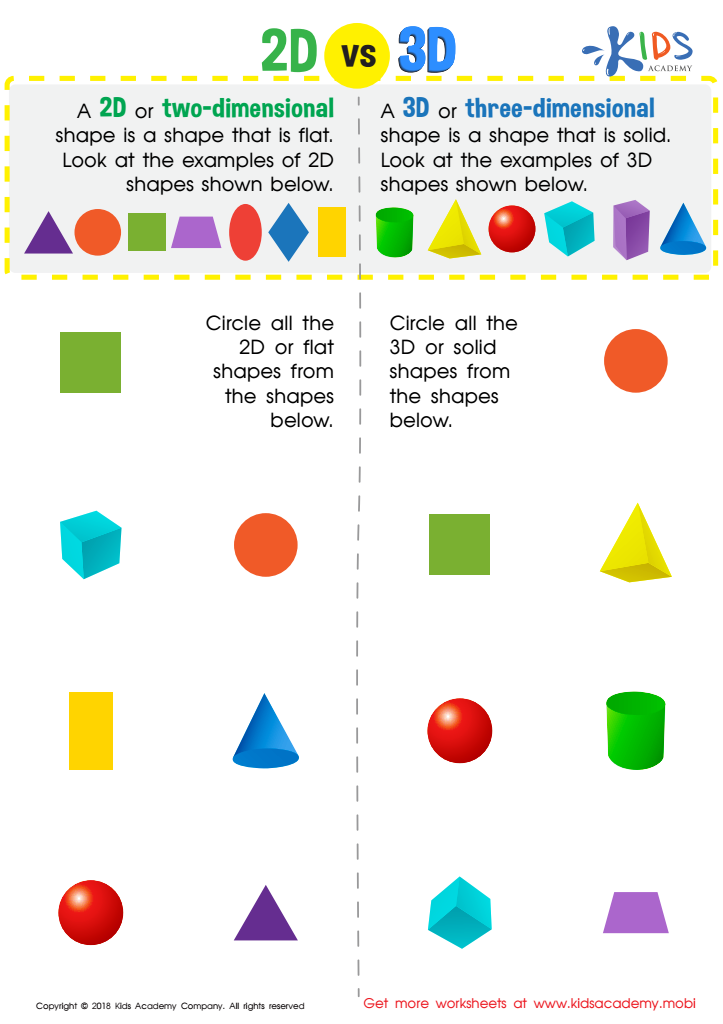
2D vs 3D Shapes Worksheet
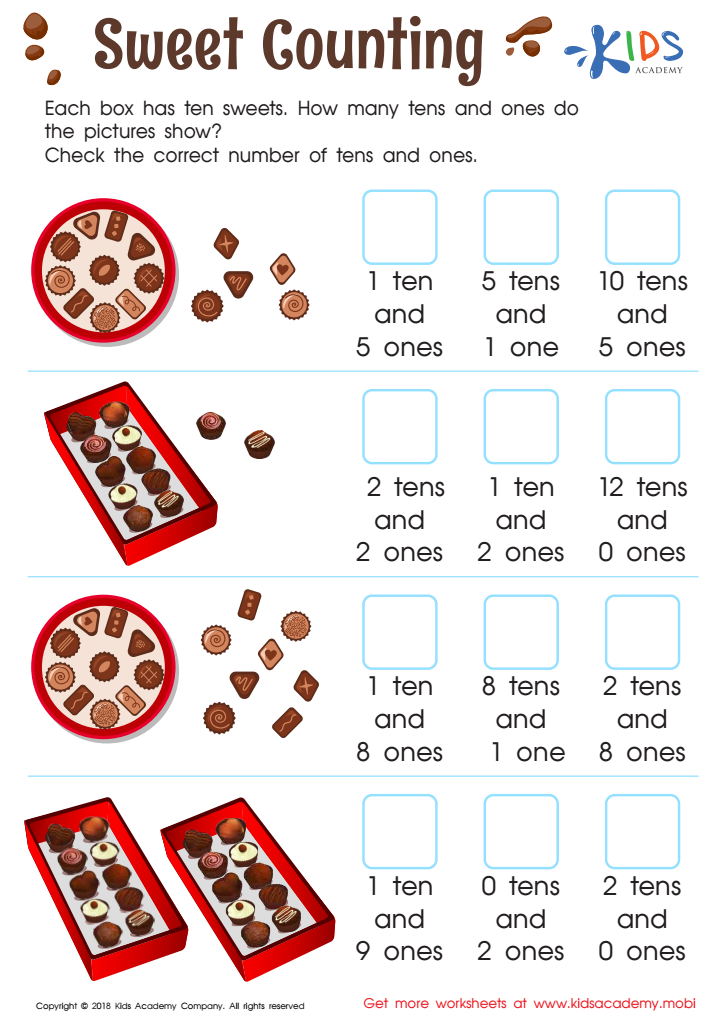
Sweet Counting - Part 2 Worksheet
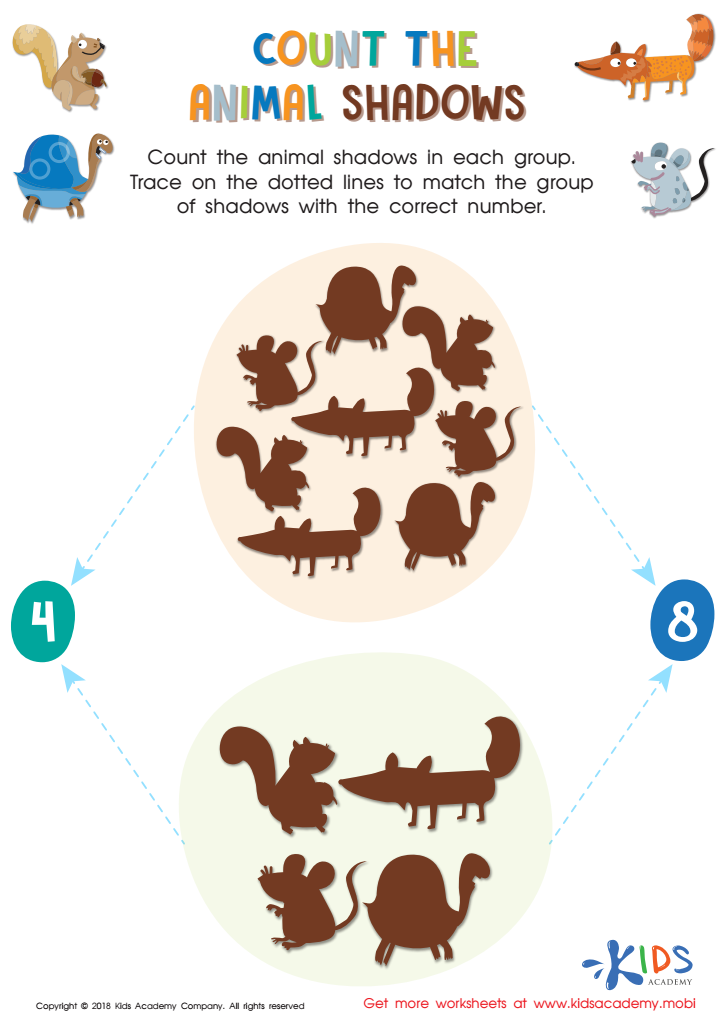
Count the Animal Shadows Worksheet

Count and Match Vegetables 1 – 5 Math Worksheet




.jpg)



Visual perception plays a crucial role in the early education of children aged 5-6, especially in the context of learning math. Visual perception includes several skills such as visual discrimination, spatial relationships, and visual memory, which are foundational to math learning and overall cognitive development.
At this age, children are introduced to essential math concepts such as recognizing numbers, basic shapes, patterns, and simple addition and subtraction. Strong visual perception skills enable kids to identify differences and similarities between shapes and numbers, enhancing their ability to understand and retain mathematical concepts. For instance, distinguishing between the numbers "6" and "9" requires good visual discrimination, while understanding how blocks or objects fit together involves spatial awareness.
Parents and teachers should pay attention to visual perception because it directly impacts a child's ability to perform basic math tasks accurately. Poor visual perception can lead to difficulties in recognizing numbers and shapes or misinterpreting math problems, which may cause frustration and hinder learning progress. Early identification and support for visual perception issues can prevent or mitigate these challenges, facilitating smoother learning experiences.
By fostering a child's visual perception, parents and teachers set the groundwork for not only math but also other academic skills, such as reading and writing. Engaging children in activities that enhance visual skills, like puzzles, drawing, and matching games, can be both enjoyable and beneficial, making learning a more effective and positive experience.








