Visual perception improvement Normal Math Worksheets for Ages 5-6
4 filtered results
-
From - To
Enhance your child's visual perception skills with our engaging Normal Math Worksheets designed specifically for ages 5-6! These worksheets focus on developing essential visual processing abilities through fun and interactive math activities. Children will explore patterns, shapes, and spatial awareness while sharpening their cognitive skills. Each worksheet is crafted to encourage critical thinking and problem-solving in a playful manner, making learning enjoyable and effective. With colorful illustrations and age-appropriate tasks, your little ones will gain confidence in their math abilities while improving their visual perception. Perfect for home or classroom use, these worksheets lay a strong foundation for future learning success!
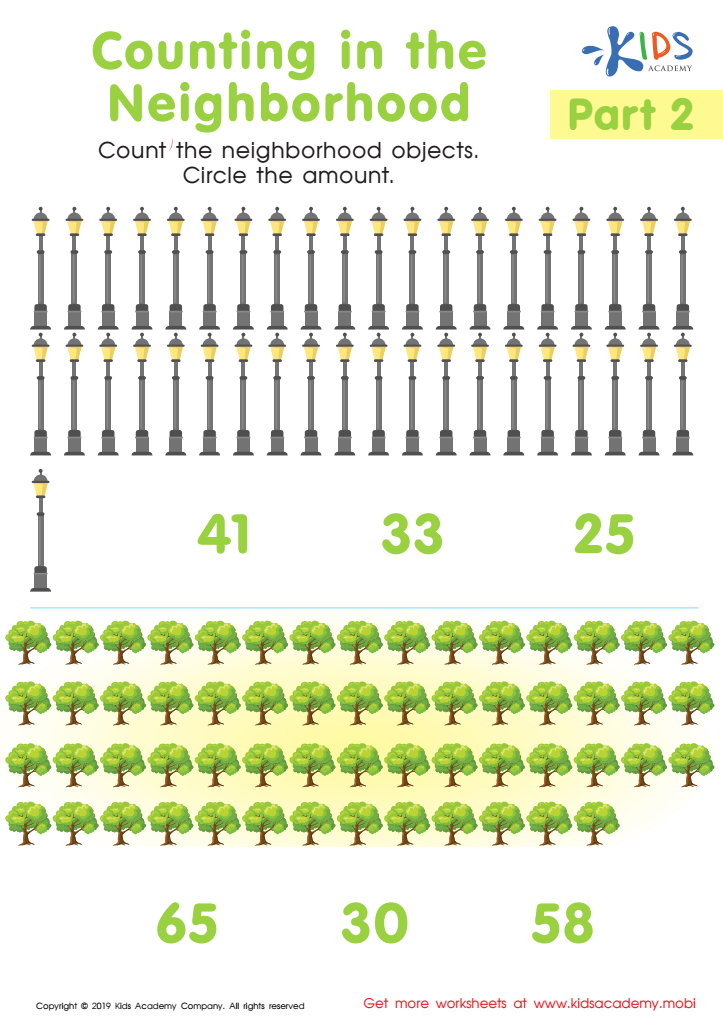
Counting In The Neighborhood Part 2 Worksheet
 Assign to My Students
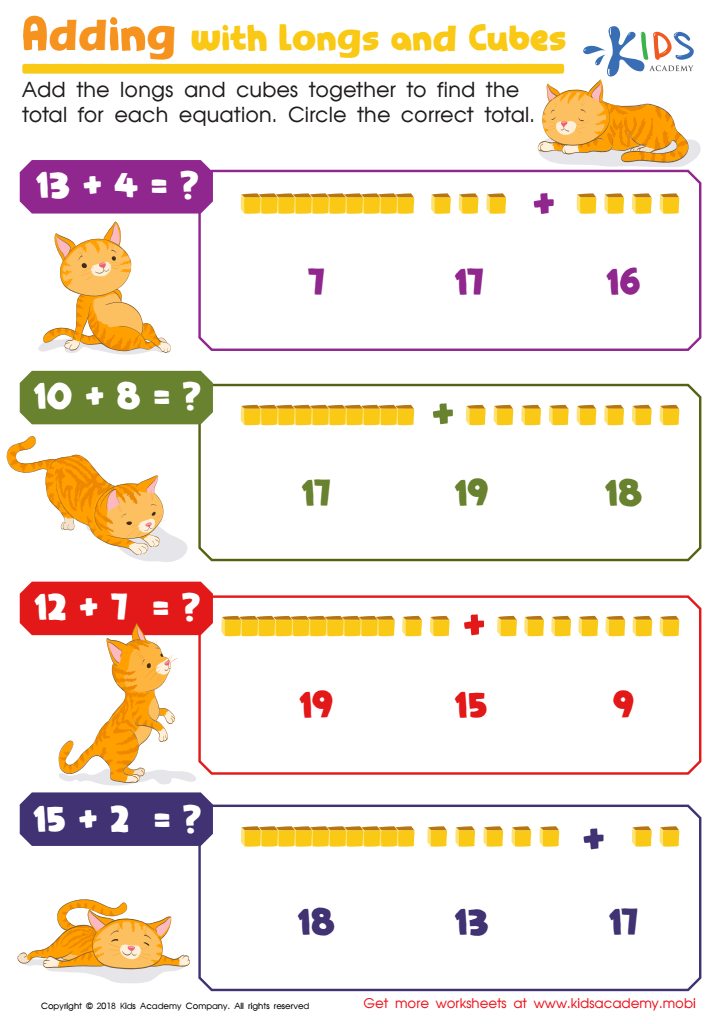
Adding With Longs and Cubes Worksheet
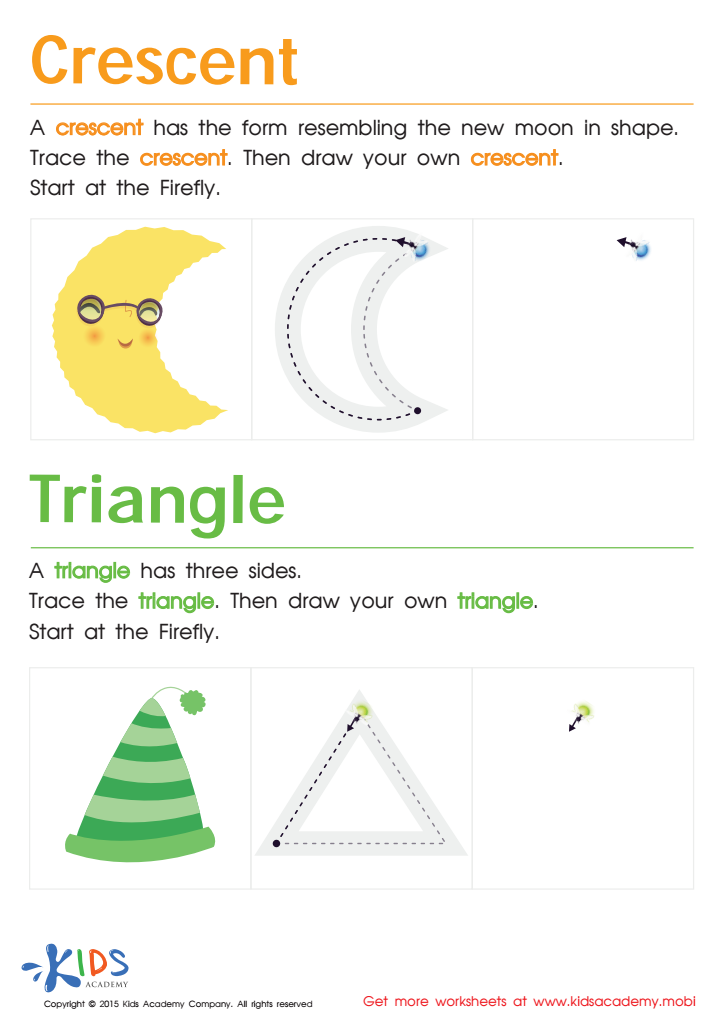
Learning to Draw Crescents And Triangles Worksheet
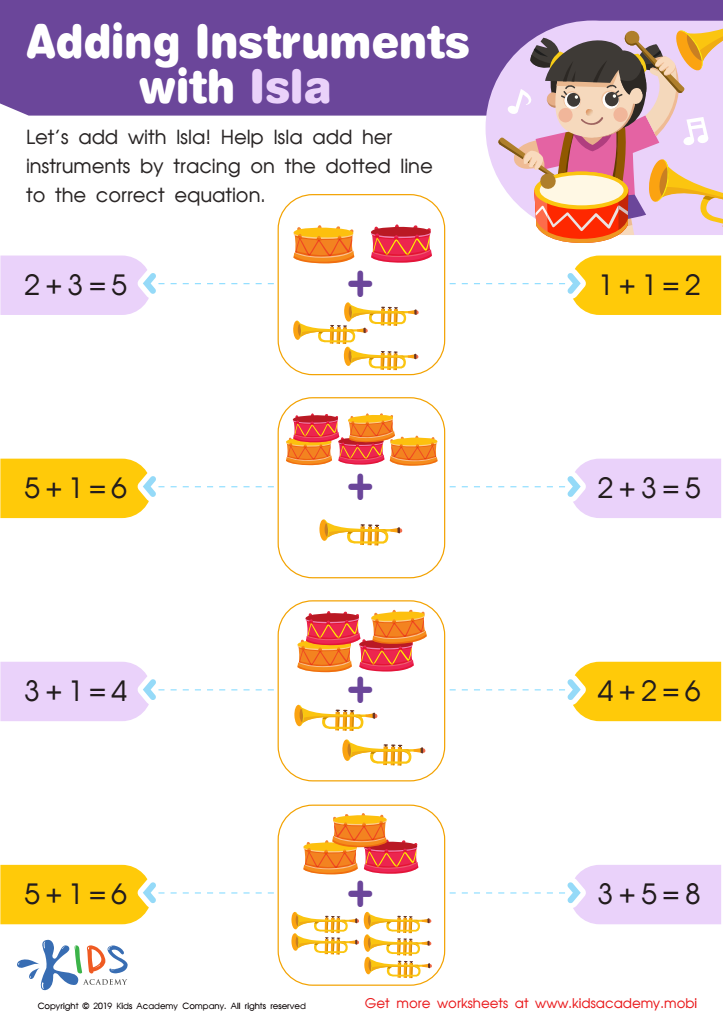
Adding Instruments with Isla Worksheet





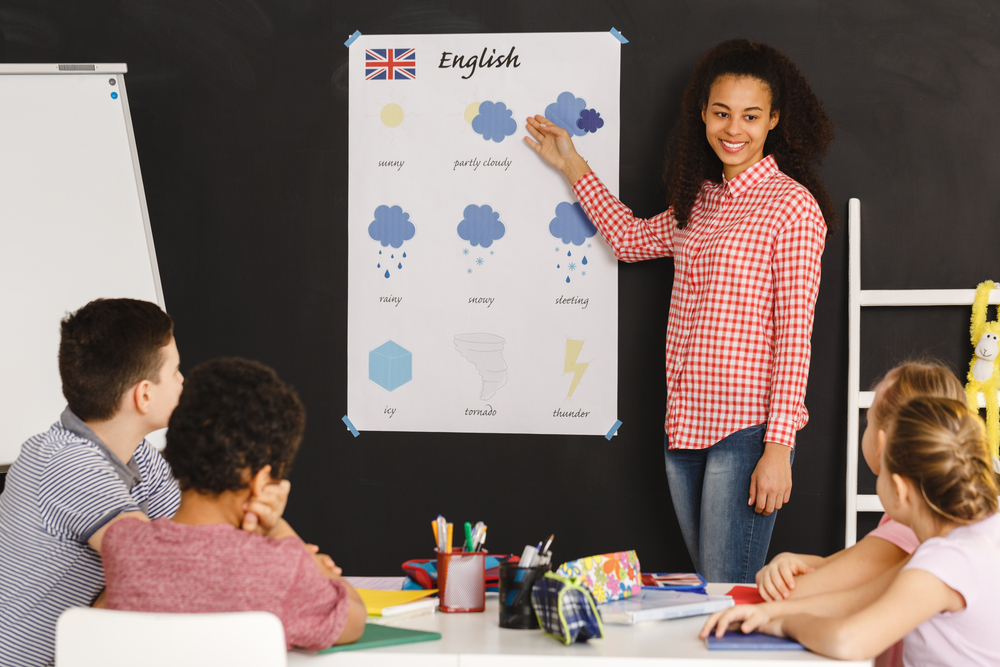


Visual perception plays a crucial role in a child's ability to learn and understand mathematical concepts, particularly in early grades. For children aged 5-6, visual perception involves recognizing shapes, understanding spatial relationships, and identifying patterns—all foundational skills for math learning. When parents and teachers focus on improving visual perception, they facilitate the development of these essential skills.
Enhancing a child's visual perception can significantly impact their ability to interpret math-related tasks, such as recognizing numbers, counting objects, and understanding geometric shapes. Children who struggle with visual perception may find it challenging to grasp basic math concepts, leading to frustration and a negative attitude toward learning.
Parents and teachers promoting activities that enhance visual skills—such as sorting, matching games, and puzzles—can help foster not just math proficiency but also critical thinking and problem-solving abilities. Moreover, improved visual perception can boost a child's confidence, empowering them to tackle math tasks with ease.
By prioritizing visual perception, caregivers create a solid foundation for future math success, encouraging a lifelong love of learning and a positive self-image in academic achievements. Ultimately, supporting visual perception directly contributes to ensuring children are well-equipped for their educational journey.








