Normal Phonics Worksheets for Ages 5-7 - Page 8
171 filtered results
-
From - To
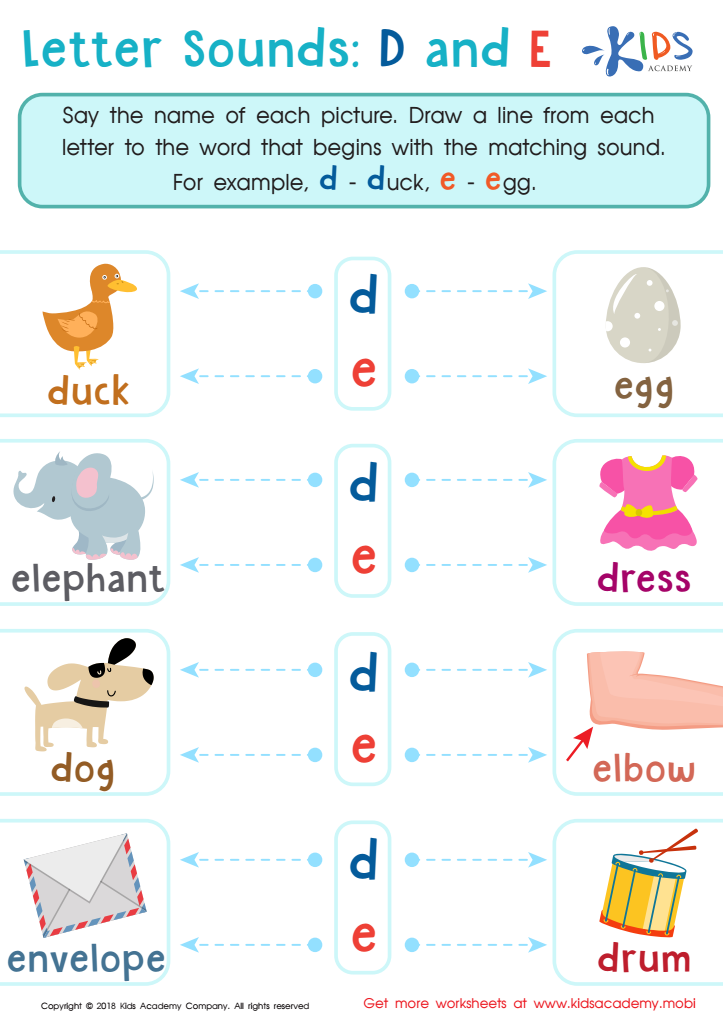
Letter D and E Sounds Worksheet
 Assign to My Students
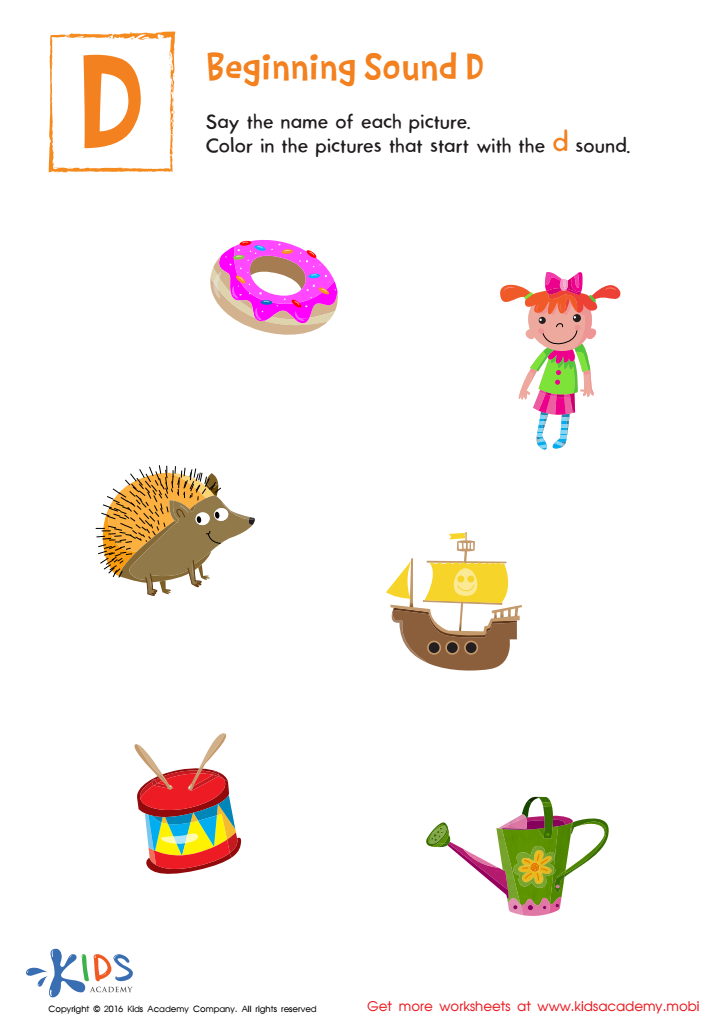
Beginning Sound D Worksheet
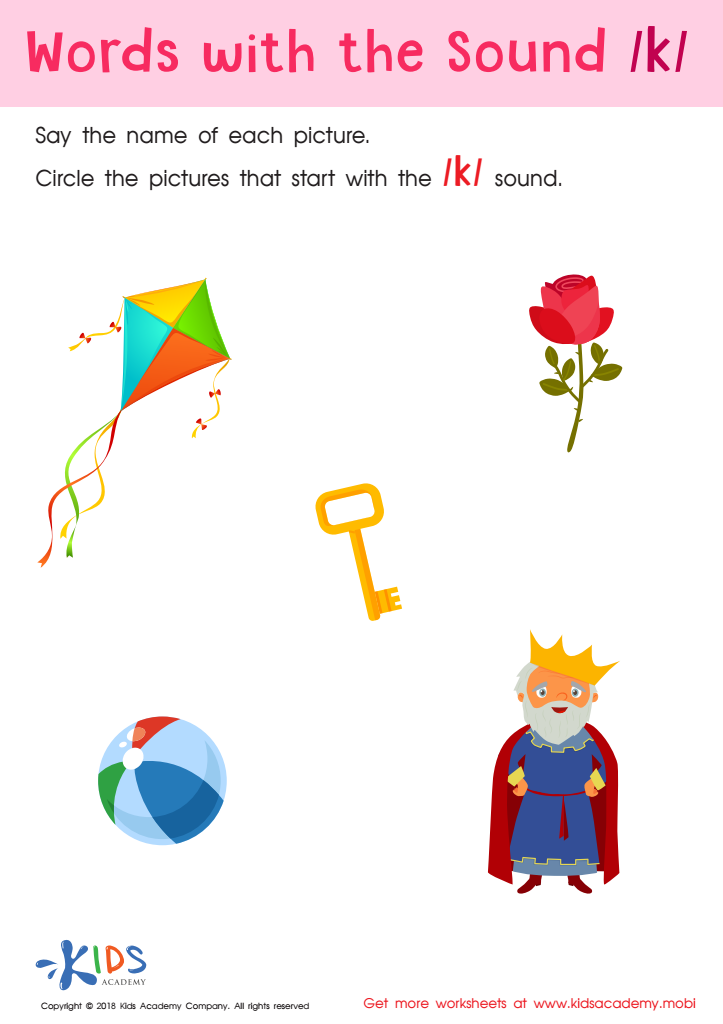
Words with sound k Reading Worksheet








Parents and teachers should prioritize Normal Phonics for children aged 5-7 because this foundational approach to reading lays the groundwork for lifelong literacy skills. During these formative years, children are developing crucial phonemic awareness, which is the ability to recognize and manipulate sounds within words. Normal Phonics systematically teaches this skill through engaging activities, helping children decode words effectively.
Additionally, building a strong phonics foundation enhances vocabulary acquisition, spelling, and overall reading comprehension. Many students struggle with literacy when they miss this crucial phase; thus, ensuring they receive effective phonics instruction can prevent future difficulties. Teaching phonics provides children with tools to independently tackle new words, boosting their confidence and motivation.
Moreover, Normal Phonics celebrates diverse learning styles through interactive and multisensory methods, catering to different learners in the classroom. By involving parents in this process, such as through reading together at home or phonics games, they help reinforce classroom instruction and foster a love for reading.
In essence, Normal Phonics equips young learners with essential language skills that promote academic success and empower them to become enthusiastic, competent читters. Its importance cannot be overstated, as literacy is a key component of their overall development and education.







