Filters

32 filtered results

Clear all filters
Favorites
With answer key
Interactive

32 filtered results

Difficulty Level

Grade


Subject

    Check out this FREE Trial Lesson on Tracing Letters for age 5-7!

    F

    Favorites
    With answer key
    Interactive
    • 5-7
    • Tracing Letters
    • Normal
    Lowercase Letters s t u Worksheet
    Lowercase Letters s t u Worksheet

    Lowercase Letters s t u Worksheet

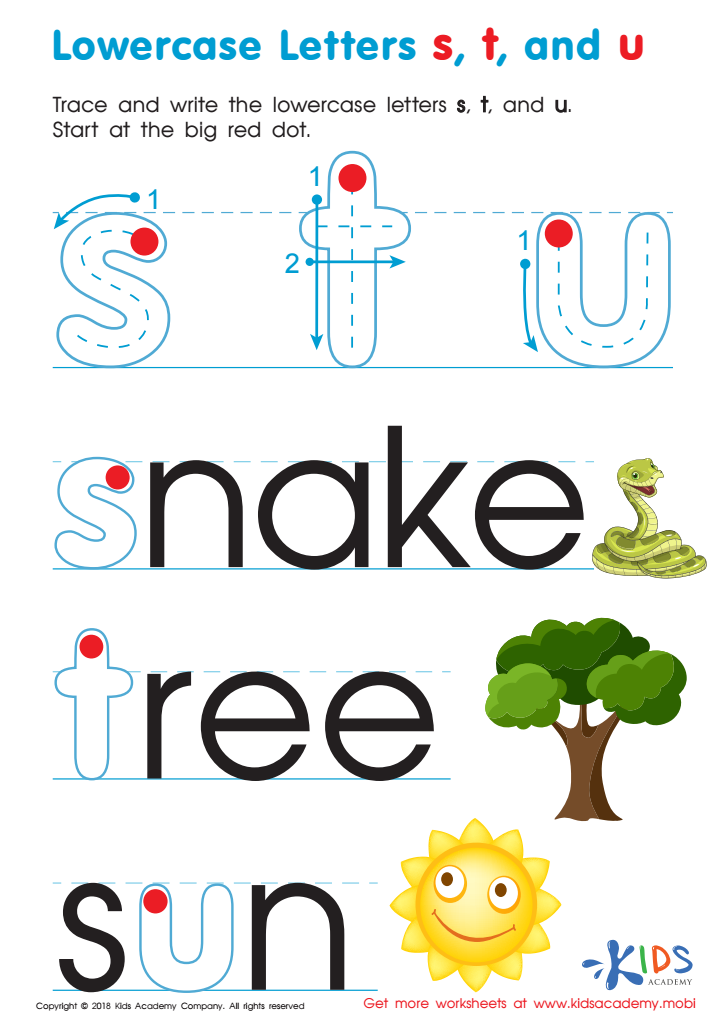
    Help your child trace lowercase letters s, t and u. Ask questions like: "What word starts with 's'? What about 't' and 'u'? Point out the snake, tree and sun pictures. Start tracing from the big red dot.
    Lowercase Letters s t u Worksheet
    Worksheet
    Uppercase Letters D, E, and F Worksheet Preview
    Uppercase Letters D, E, and F Worksheet Preview

    Uppercase Letters D, E, and F Worksheet

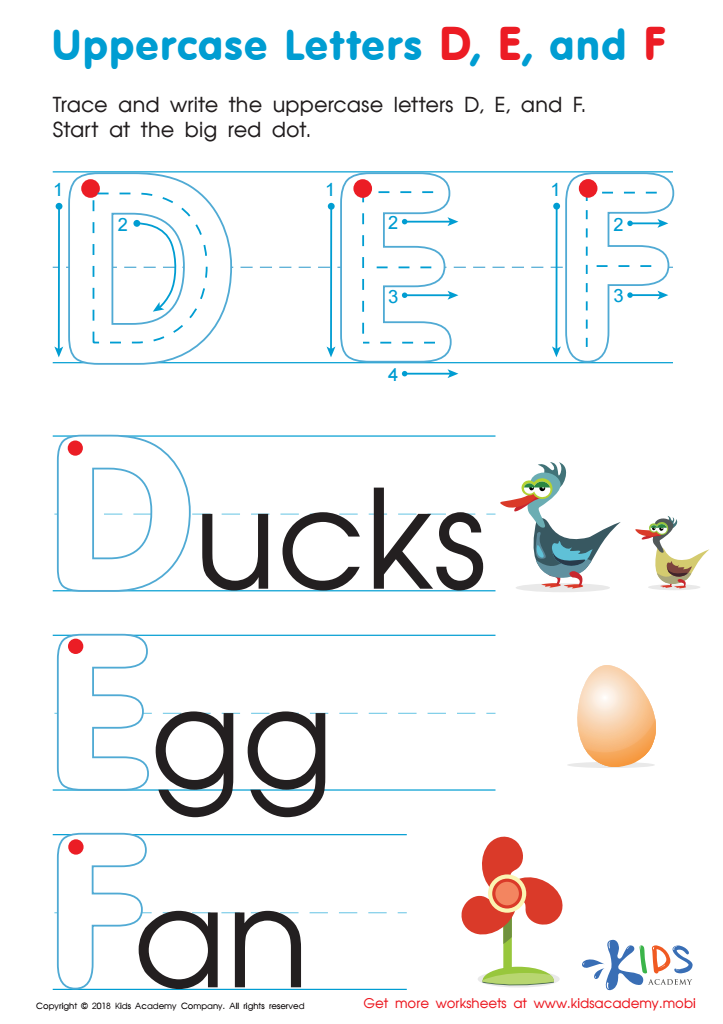
    A-F are important letters! Get kids tracing with this free printable worksheet. Help them learn the right pencil strokes by following the tracing lines, starting at the big red dot. Reinforce letter sounds with the colorful pictures. 80 words.
    Uppercase Letters D, E, and F Worksheet
    Worksheet
    Letter K worksheets
    Letter K worksheets

    Letter K Tracing Page

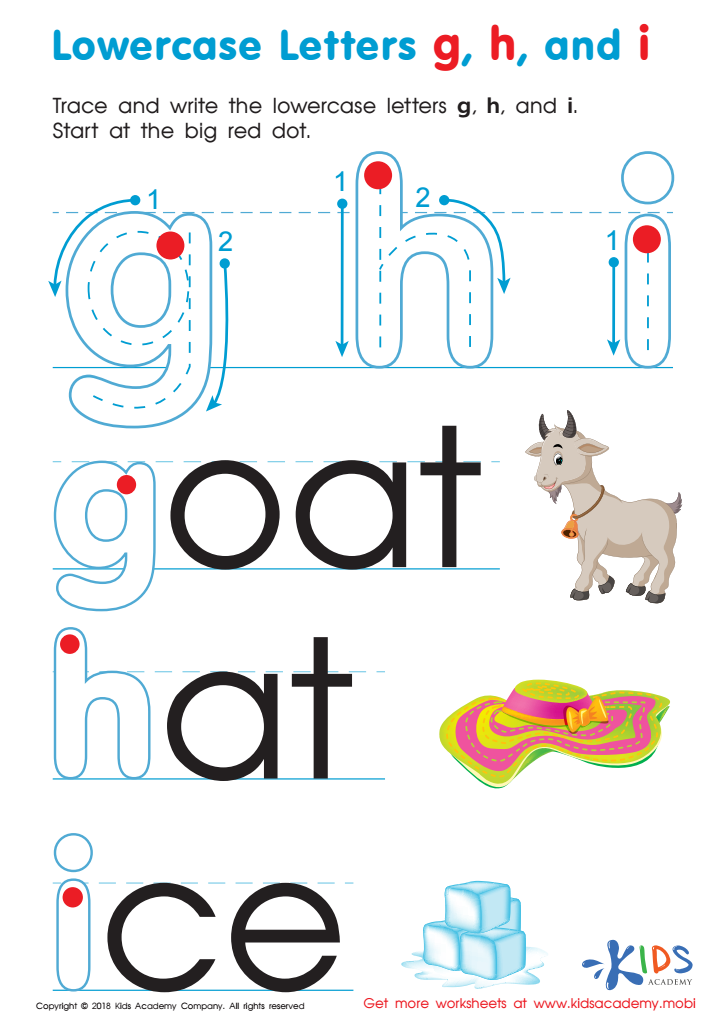
    Trace and write the letter K; start at the big red dot. Use it to complete words like "Kettle" and "Kangaroo". Visit Kids Academy for more free alphabet worksheets for kindergarten.
    Letter K Tracing Page
    Worksheet
    letter F worksheets
    letter F worksheets

    Letter F Tracing Page

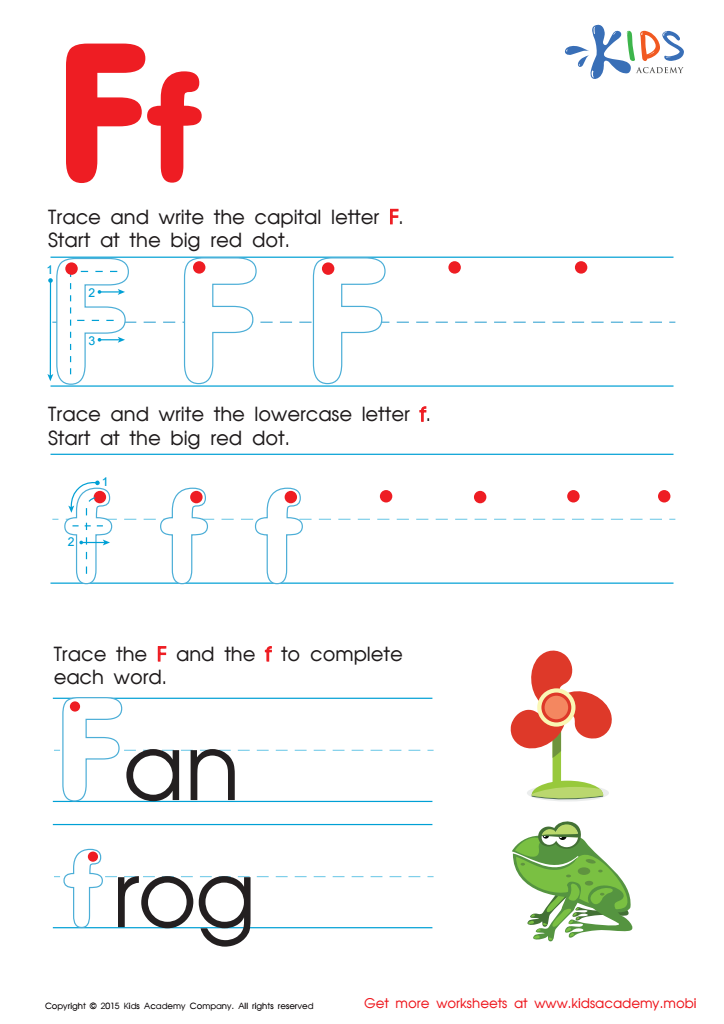
    Trace "F" with your pencil! Start at the red dot and draw lines — it's fun! Check it out — it looks great! Keep practicing to make it even better. Then, try completing words. Help out the broken fan and funny frog! Get free alphabet worksheets and activities for your kids. Come see our new tracing pages!
    Letter F Tracing Page
    Worksheet
    Uppercase Letters Y Z Worksheet
    Uppercase Letters Y Z Worksheet

    Uppercase Letters Y Z Worksheet

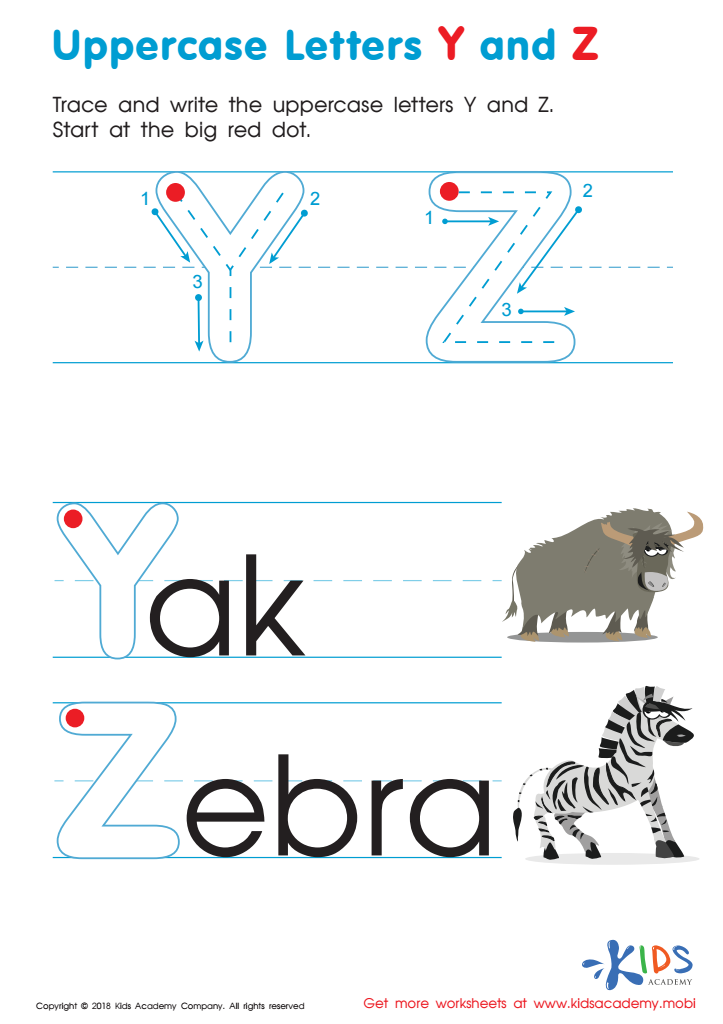
    Help your child learn their ABCs with this fun tracing activity! They must trace and write Y and Z in uppercase form, starting from the red dot. Kids will love the fun images for extra engagement. Guiding their hand carefully will help them practice and perfect their writing skills.
    Uppercase Letters Y Z Worksheet
    Worksheet
    Lowercase Letters g h i Worksheet
    Lowercase Letters g h i Worksheet

    Lowercase Letters g h i Worksheet

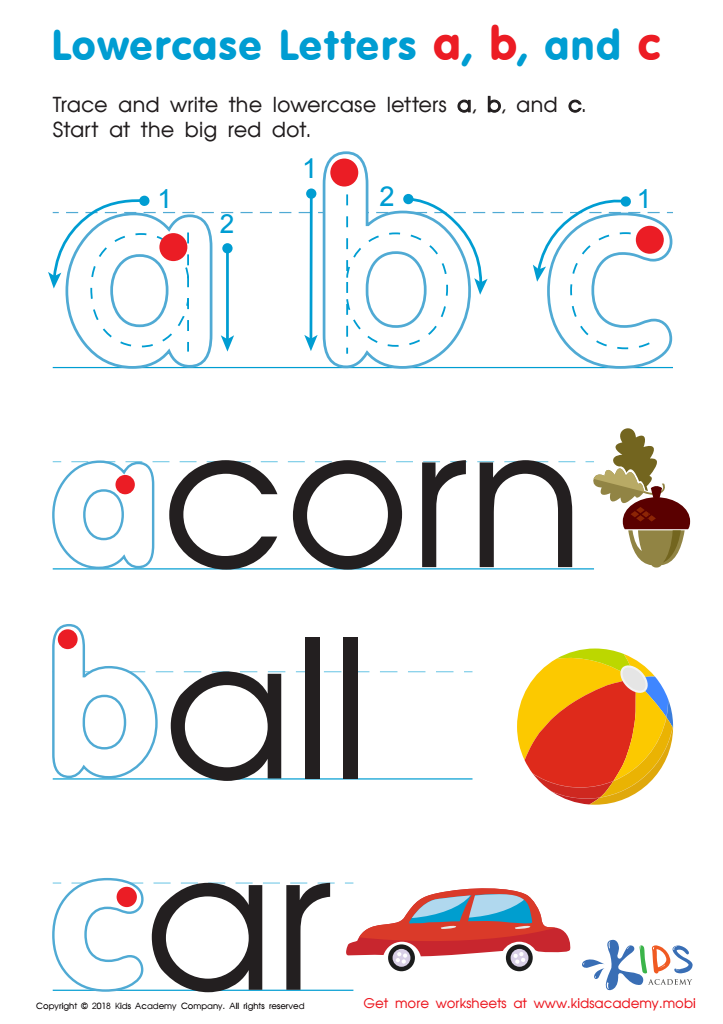
    Learning is fun for your youngster with color and an enjoyable exercise. Help them build their understanding of the alphabet by starting at the big red dot drawn on each letter and carefully following the dotted lines to draw g, h, and i.
    Lowercase Letters g h i Worksheet
    Worksheet
    Lowercase Letters a b c Worksheet

    Lowercase Letters a b c Worksheet

    Lowercase Letters a b c Worksheet

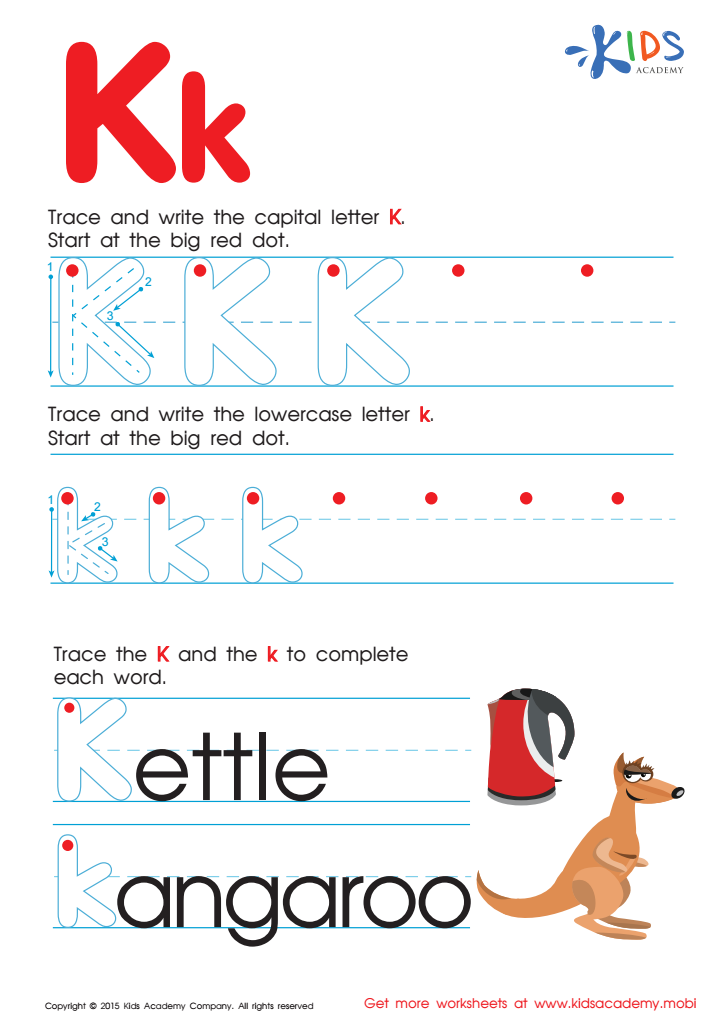
    Help your child trace and write the lowercase letters of the alphabet with this fun worksheet. Start by following the arrows and directions from the red dot, and watch them improve their writing skills! Vibrant illustrations make it easy and enjoyable.
    Lowercase Letters a b c Worksheet
    Worksheet
    letter d worksheets
    letter d worksheets

    Letter D Tracing Page

    Trace and write capital and lowercase letter "D" with our free printable alphabet worksheet! Be careful not to mix up "b" and "d" - just look at the ducks and write their first letter. The dolphin wants to join the fun too - do you like dolphins? Get more fun worksheets and activities at Kids Academy!
    Letter D Tracing Page
    Worksheet


    Normal tracing letters are a fundamental part of early literacy development for children ages 5-7. During this crucial stage, kids not only learn to recognize shapes and symbols but also develop fine motor skills that are essential for writing. Tracing letters helps reinforce the connection between visual symbols and their associated sounds, laying a solid foundation for reading and comprehension.

    For parents and teachers, incorporating tracing activities into daily routines fosters a fun and engaging learning environment. As children trace, they gain confidence in their abilities, which boosts their enthusiasm for learning. Furthermore, regular practice helps solidify muscle memory, making it easier for students to transition from tracing to writing independently.

    Additionally, normal tracing letters develop essential skills such as concentration, hand-eye coordination, and attention to detail. By supporting children in mastering these tasks, parents and teachers contribute to their overall cognitive development and academic success.

    In summary, focusing on normal tracing letters for this age group is vital for literacy, fine motor skills, and confidence-building, ultimately setting a strong educational foundation for lifelong learning.