Addition Practice Normal Worksheets for Ages 5-7 - Page 2
37 filtered results
-
From - To
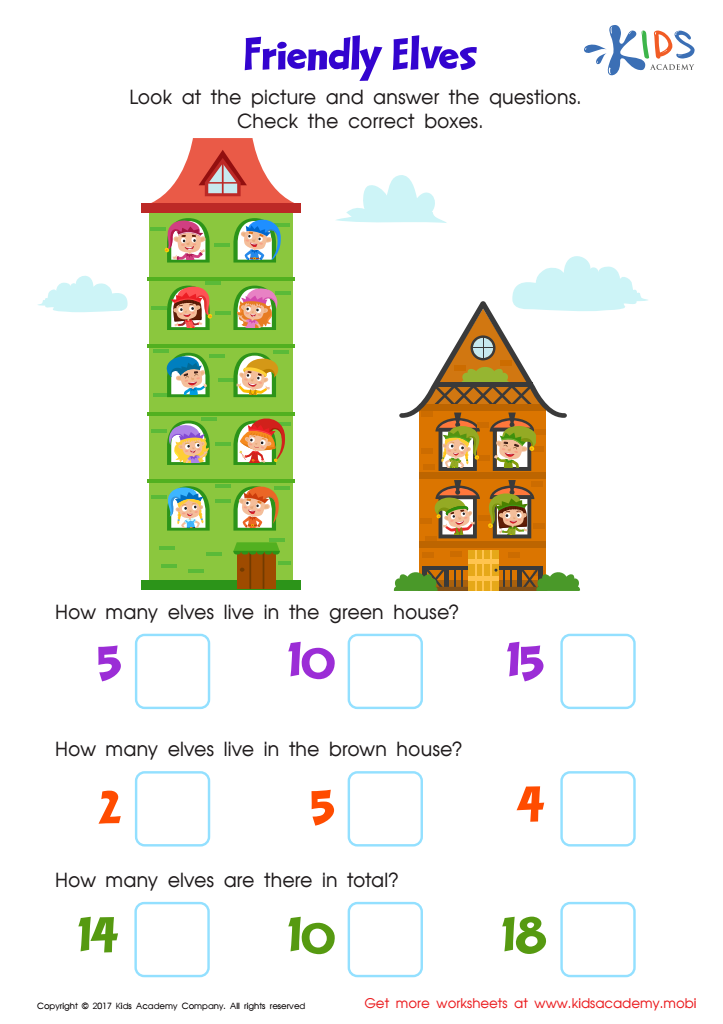
Place Value: Friendly Elves Worksheet
 Assign to My Students
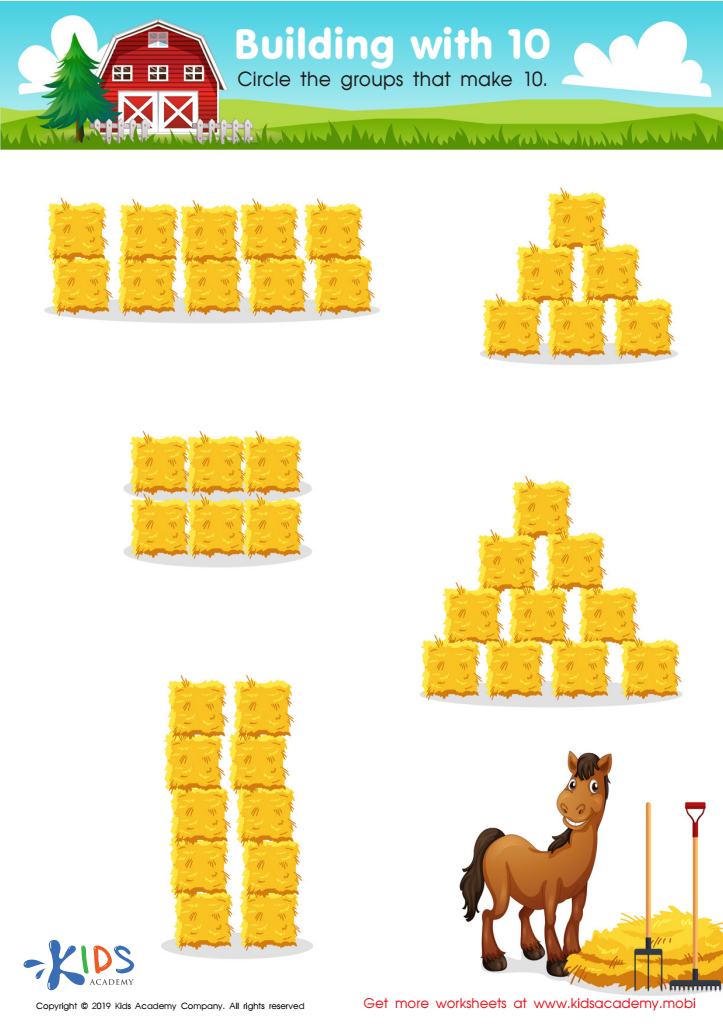
Building with 10 Worksheet
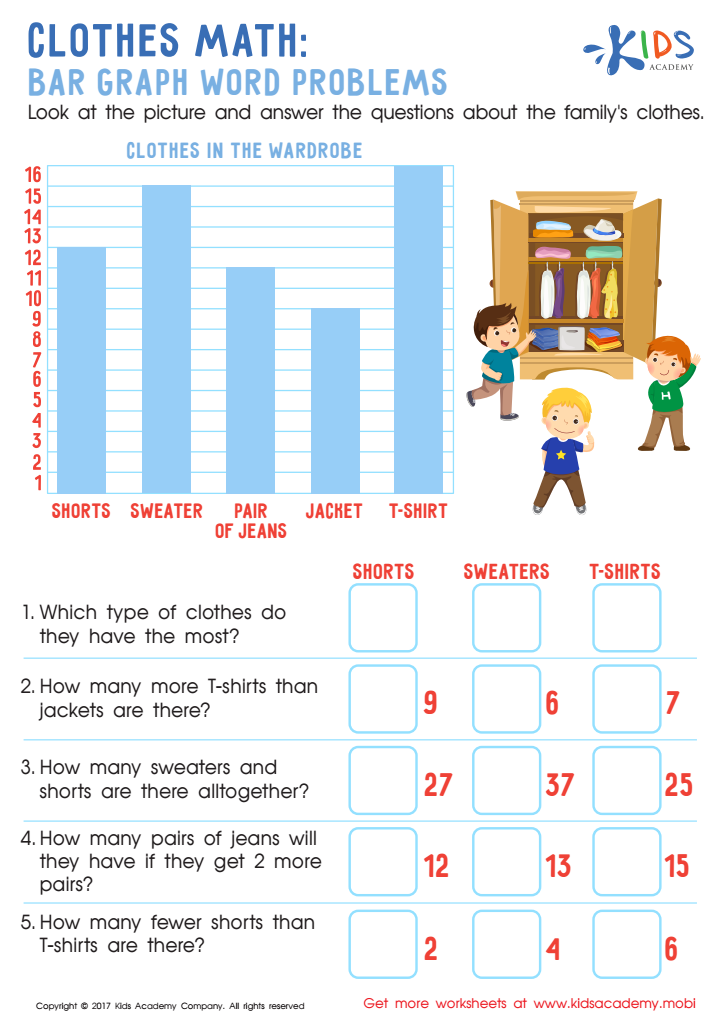
Clothes Math: Bar Graph Word Problems Worksheet
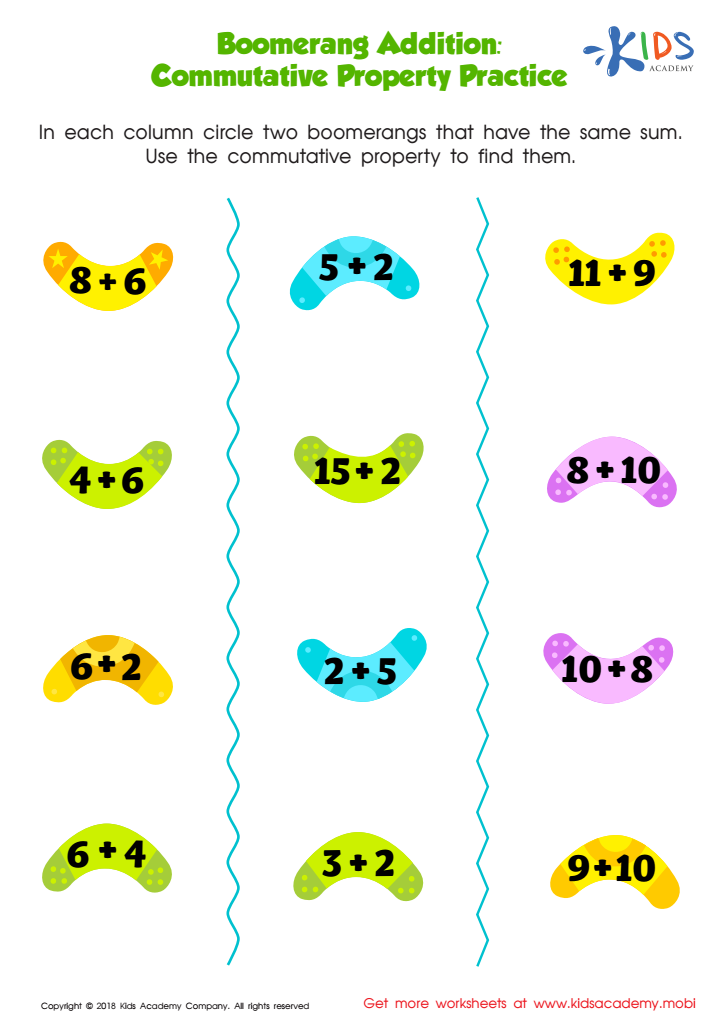
Boomerang Addition Worksheet
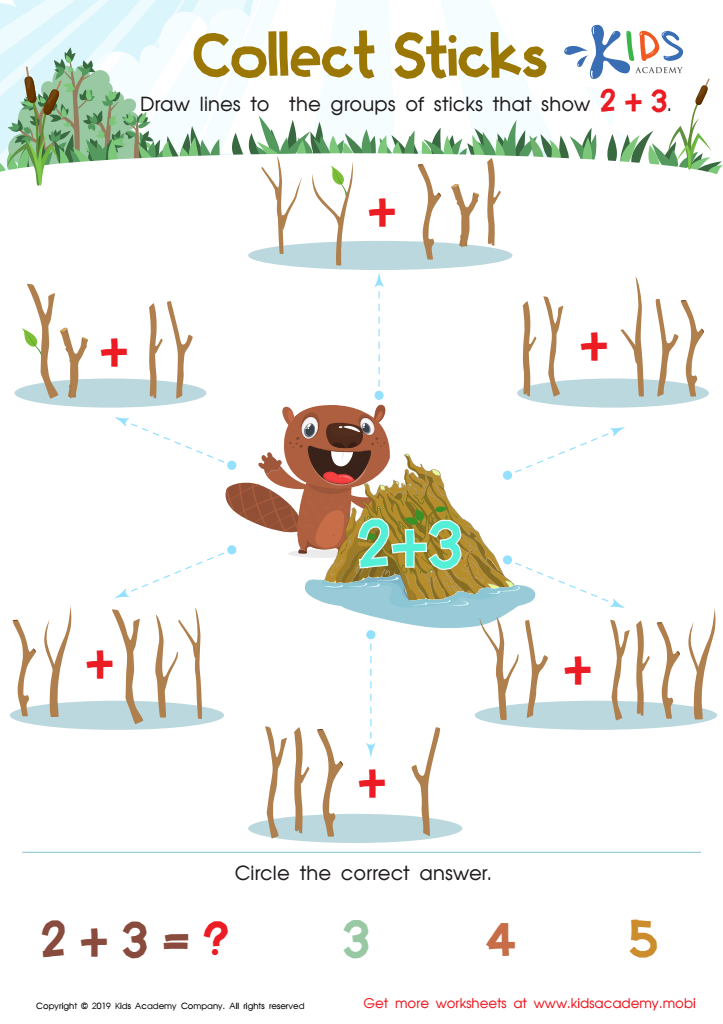
Collect Sticks Worksheet
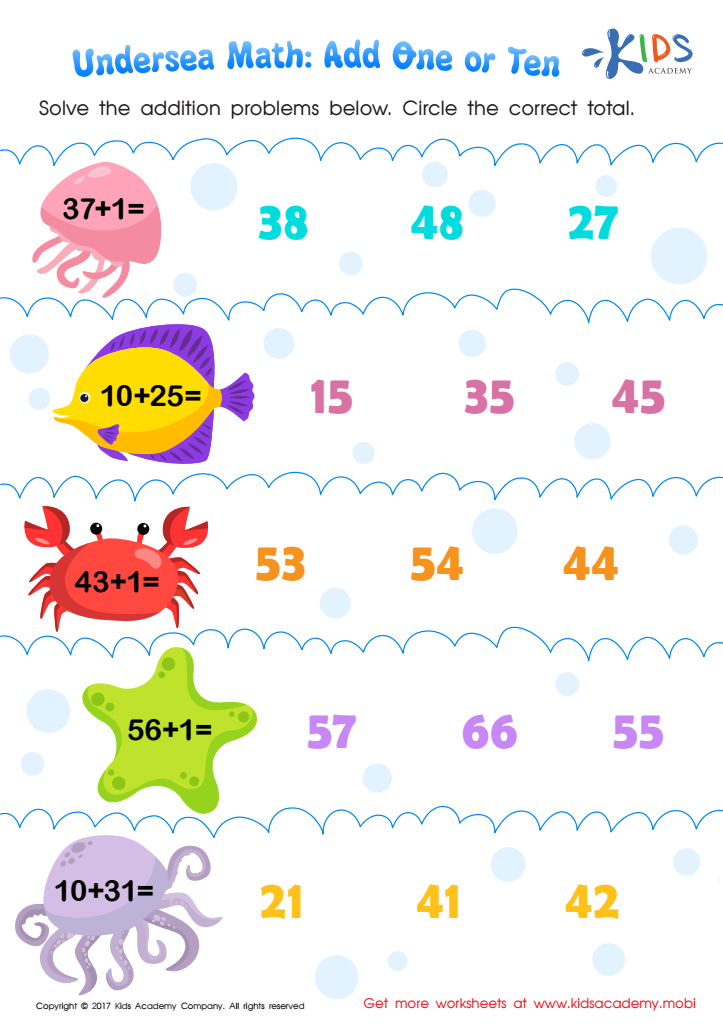
Undersea Math Worksheet
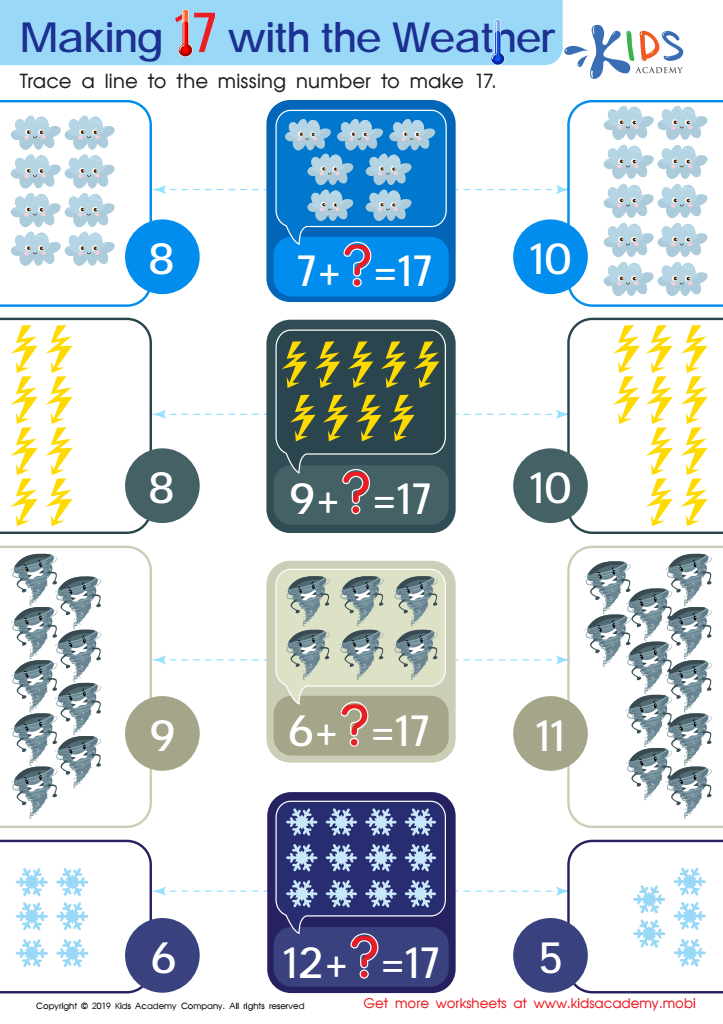
Making 17 with the Weather Worksheet
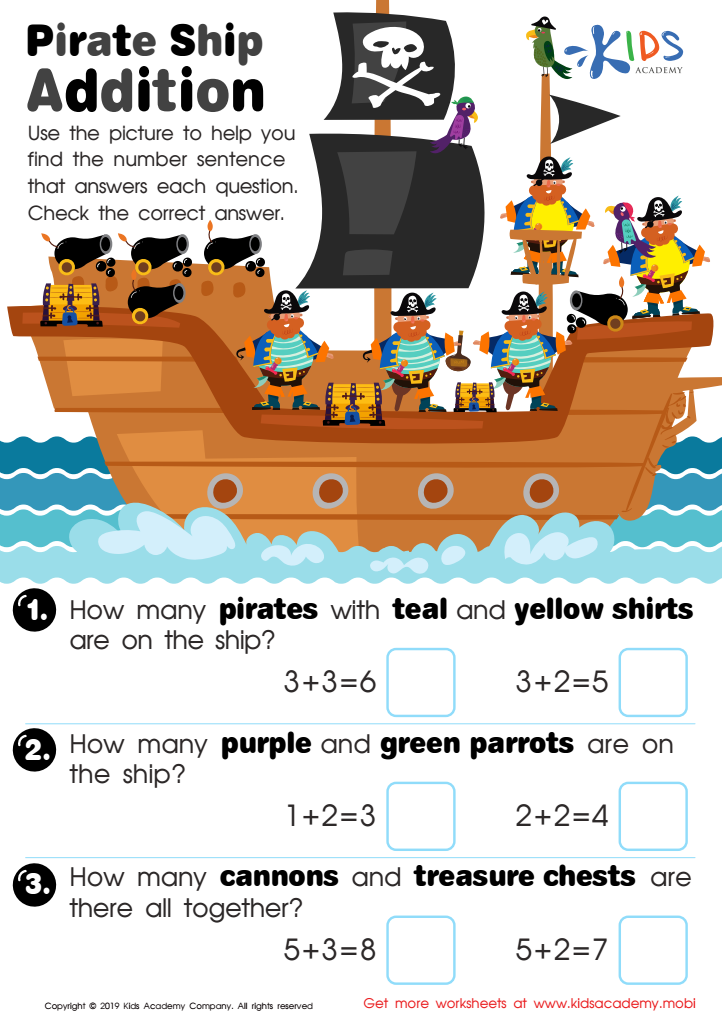
Pirate Ship Addition Worksheet
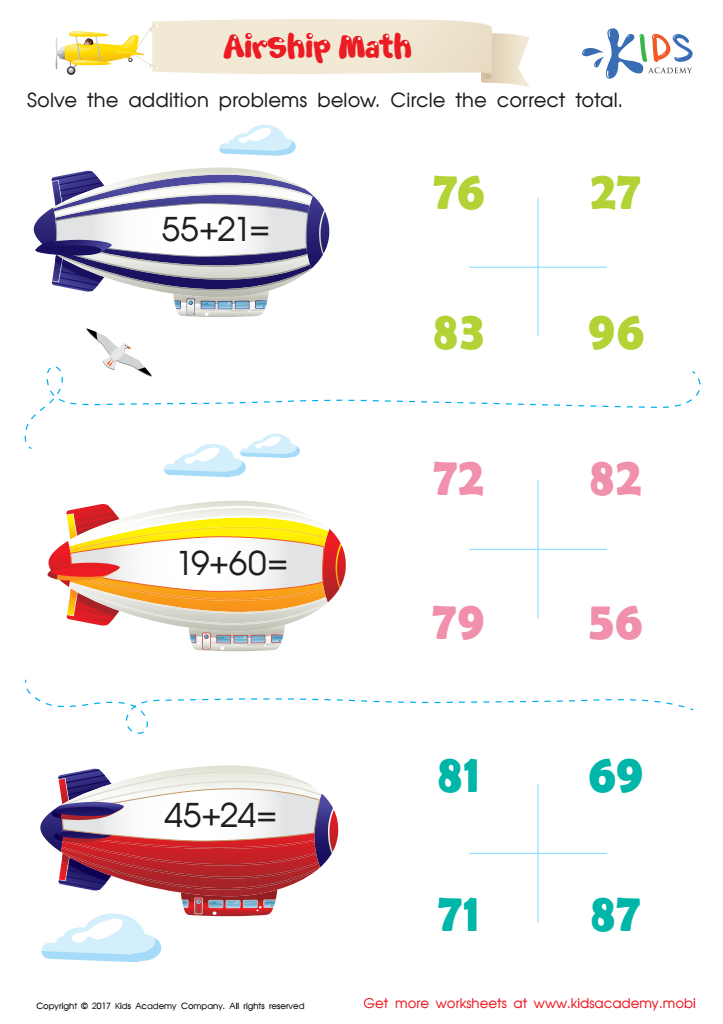
Airship Math Addition Printable
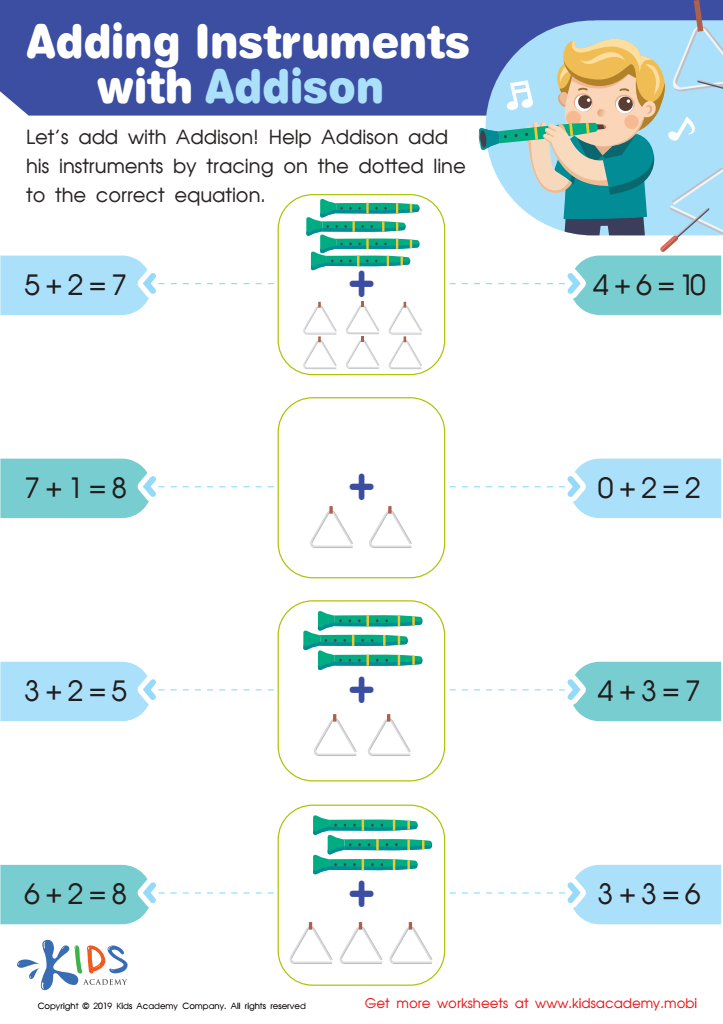
Adding Instruments with Addison Worksheet
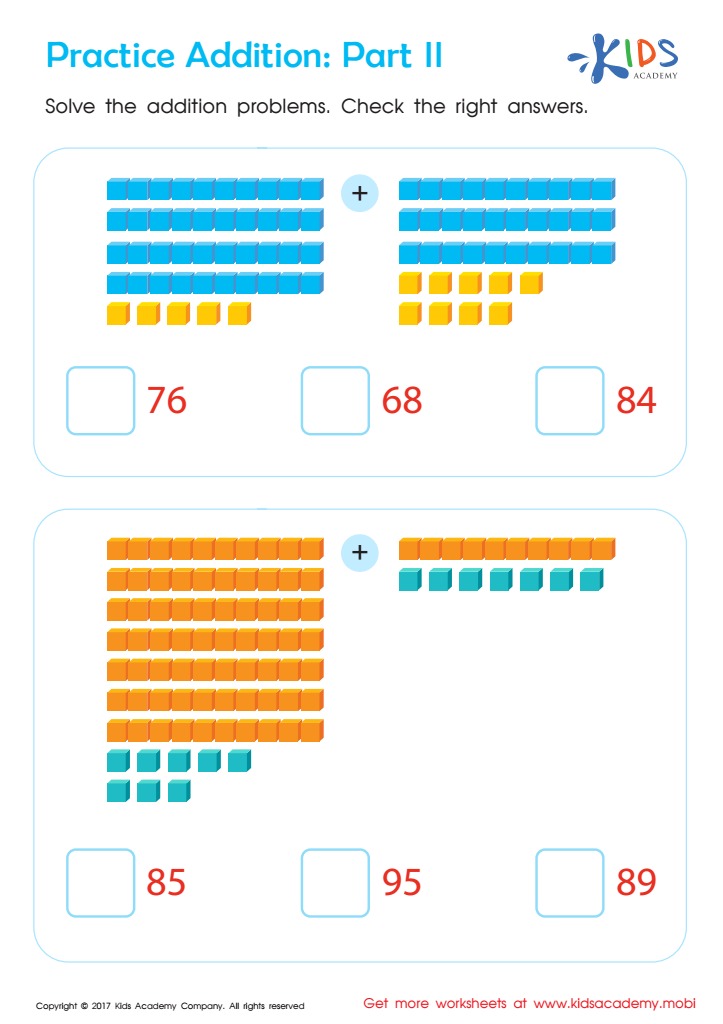
Practice Addition: Part 2 Worksheet
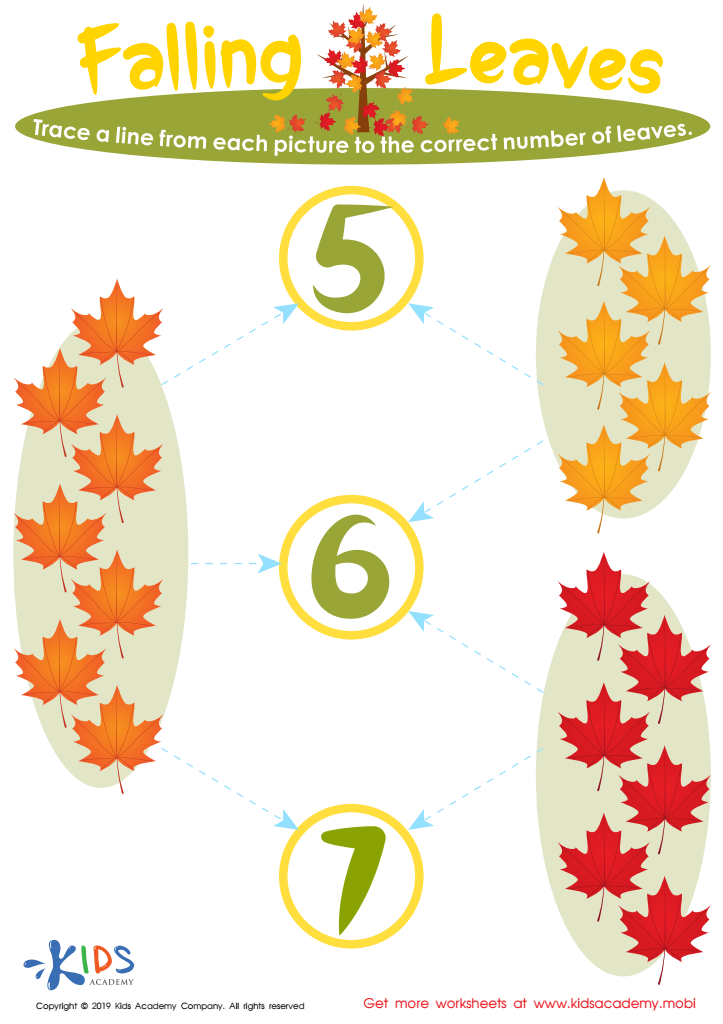
Falling Leaves Worksheet
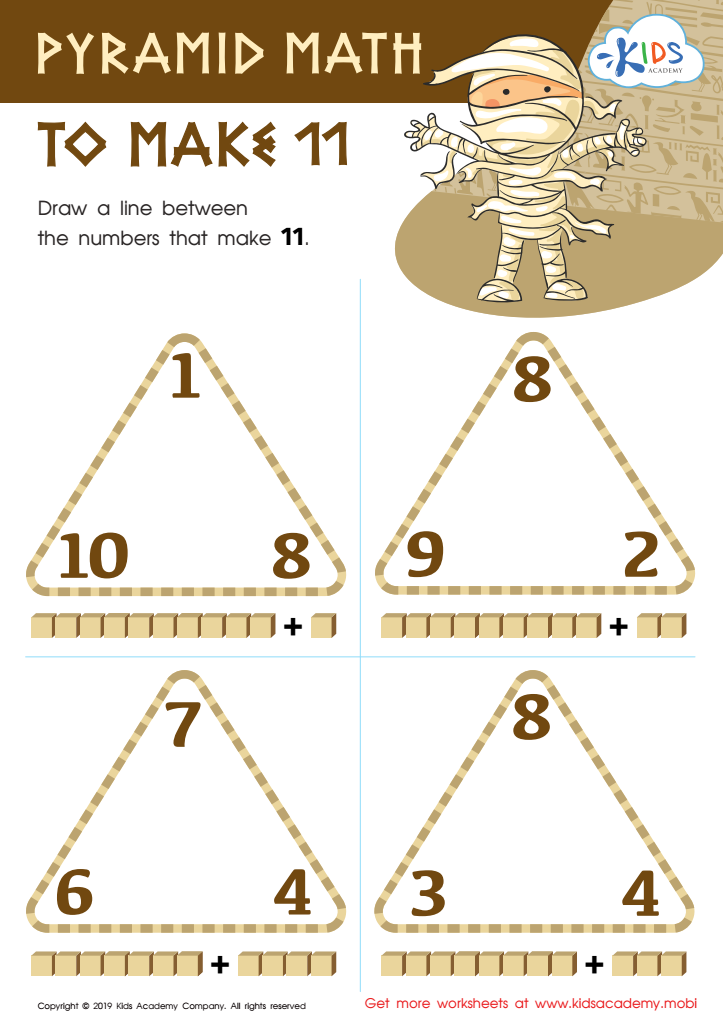
Pyramid Math to Make 11 Worksheet








Addition practice for children ages 5-7 is fundamental for several key reasons. At this early developmental stage, young learners are building the foundation for their future mathematical abilities. Fostering strong addition skills helps in cultivating a solid number sense, allowing children to understand numbers and their relationships more intuitively. This forms the basis for more complex math concepts they will encounter in the future, such as subtraction, multiplication, and division.
Furthermore, practicing addition enhances cognitive development. It improves memory, attention, and problem-solving skills by encouraging children to focus, recognize patterns, and think logically. Regular practice also builds confidence. As children experience success with addition problems, they feel more accomplished, which fosters a positive attitude toward learning and reduces math anxiety.
Moreover, fluency in basic addition is essential for everyday life. Whether calculating change, measuring ingredients, or even playing games, addition is a skill used regularly in daily activities. For teachers and parents, providing consistent and engaging addition practice is crucial in ensuring that children develop these essential skills. Incorporating fun and interactive methods, such as games and hands-on activities, can make learning addition an enjoyable and beneficial experience for young learners. By investing time in this practice, parents and teachers are directly contributing to their children’s long-term academic and life success.








