
Improving reading skills Normal Worksheets for Ages 5-7
6 filtered results
Difficulty Level
Grade
Age
-
From - To
Subject
Activity
Standards
Enhance your child's reading abilities with our "Improving Reading Skills Normal Worksheets" designed specifically for ages 5-7. These engaging, interactive worksheets promote literacy through fun activities that develop essential skills, including phonics, comprehension, and vocabulary. Tailored to boost confidence and spark a love for reading, each worksheet incorporates colorful illustrations and relatable themes, making learning enjoyable. Ideal for at-home practice or classroom use, our resources support early readers at every stage. Unlock your child's potential and lay a strong foundation for lifelong reading success with our thoughtfully curated materials today! Explore our selection and watch your young reader thrive.
Favorites
With answer key
Interactive
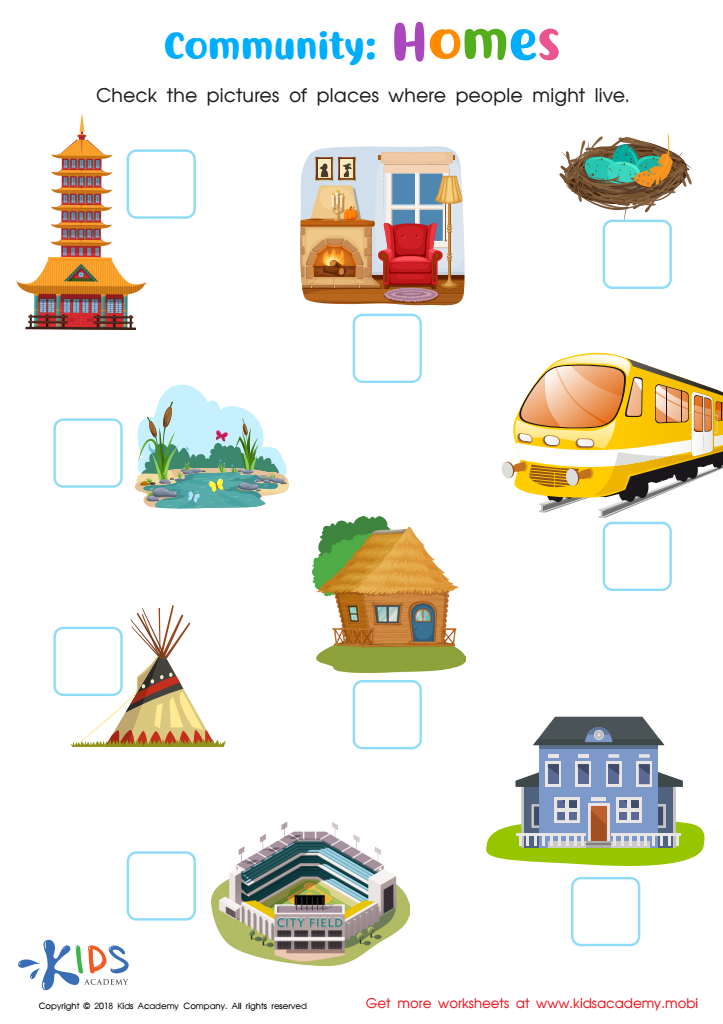
Community: Homes Worksheet
Help your child discover the different types of homes with this free worksheet! Full of colors and pictures, they'll assess which are suitable for people to live in. As they check each picture, they'll use their fine motor skills to draw a conclusion. They'll recognize familiar homes and learn about new ones. There's no place like home!
Community: Homes Worksheet
Worksheet
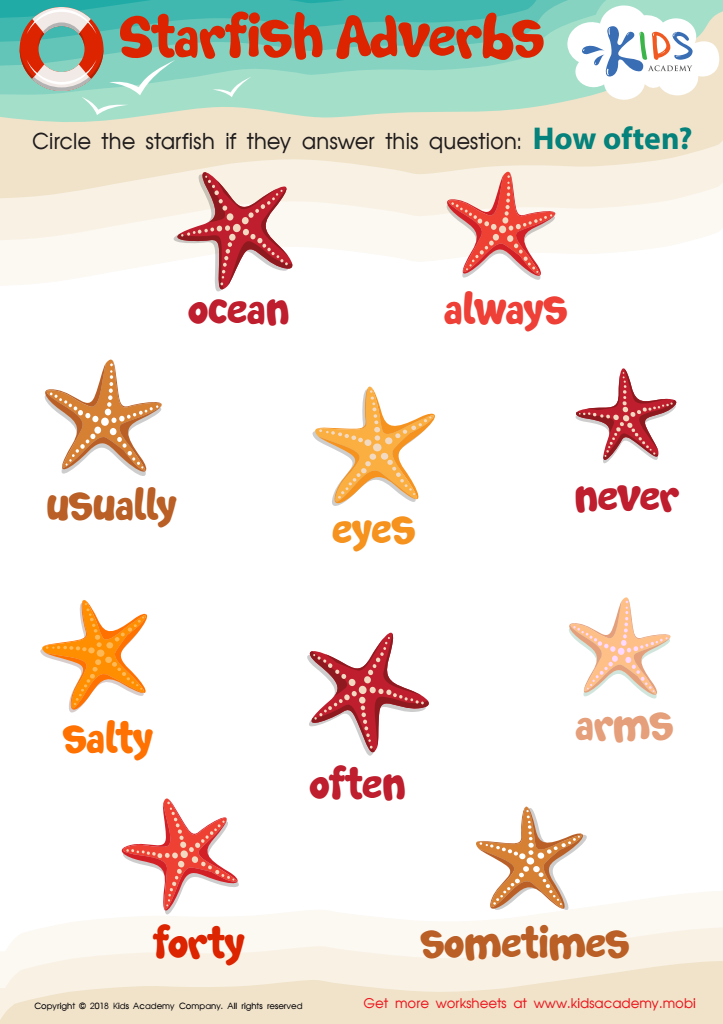
Starfish Adverbs Worksheet
Students will gain exposure to new words and parts of speech as they learn more. After nouns and verbs, adverbs are next. Ask students to give examples, like ‘quickly’ and ‘heavily’. Finally, help them circle the starfish that answer the question 'how often?' on the worksheet.
Starfish Adverbs Worksheet
Worksheet
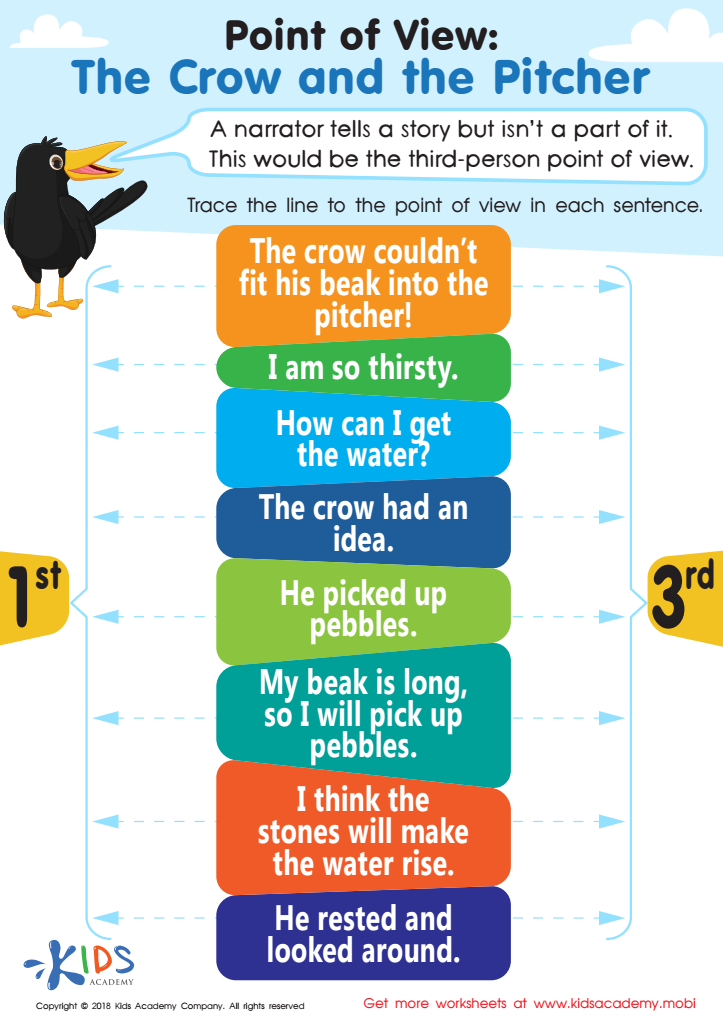
Point of View: The Crow and the Pitcher Worksheet
Help your child learn 1st and 3rd person point of view with our free downloadable worksheet! Using the fable The Crow and the Pitcher, learners read the sentences in each colorful box, then determine which ones are written in 1st or 3rd person. Trace a line from each box to its answer and complete!
Point of View: The Crow and the Pitcher Worksheet
Worksheet
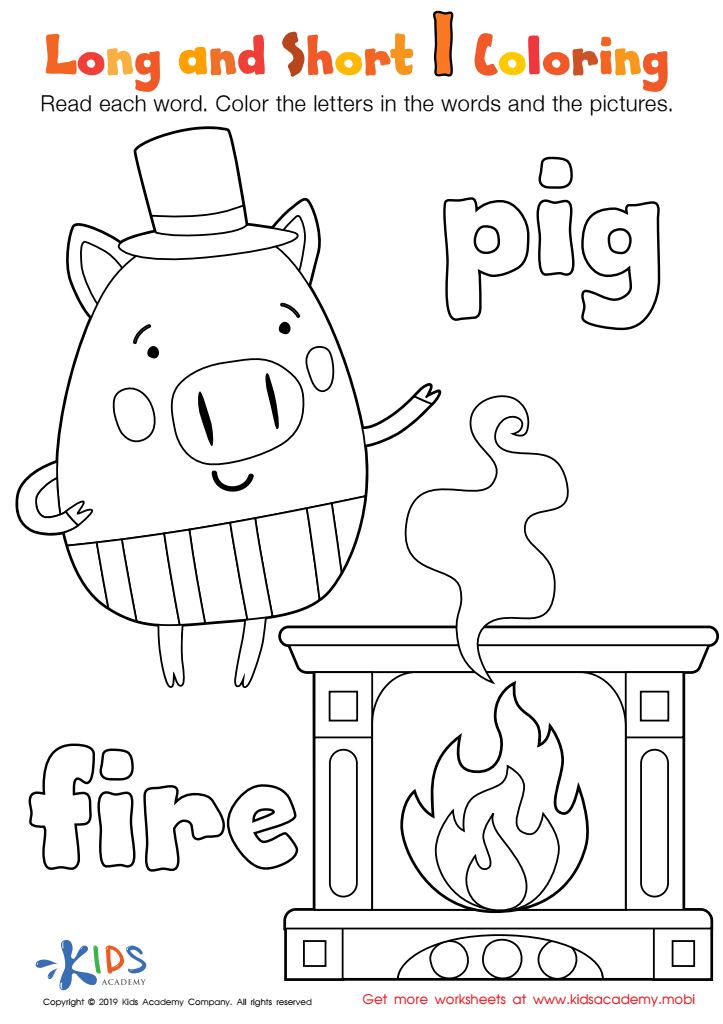
Long and Short I Worksheet
Print the worksheet and have the students read "pig" and "fire". Check for understanding the difference between long and short vowels. Color in words and pictures to make learning phonics fun! This exercise is perfect for introducing the topic to your students.
Download (PDF)
 Assign to My Students
Assign to My Students
Long and Short I Worksheet
Worksheet
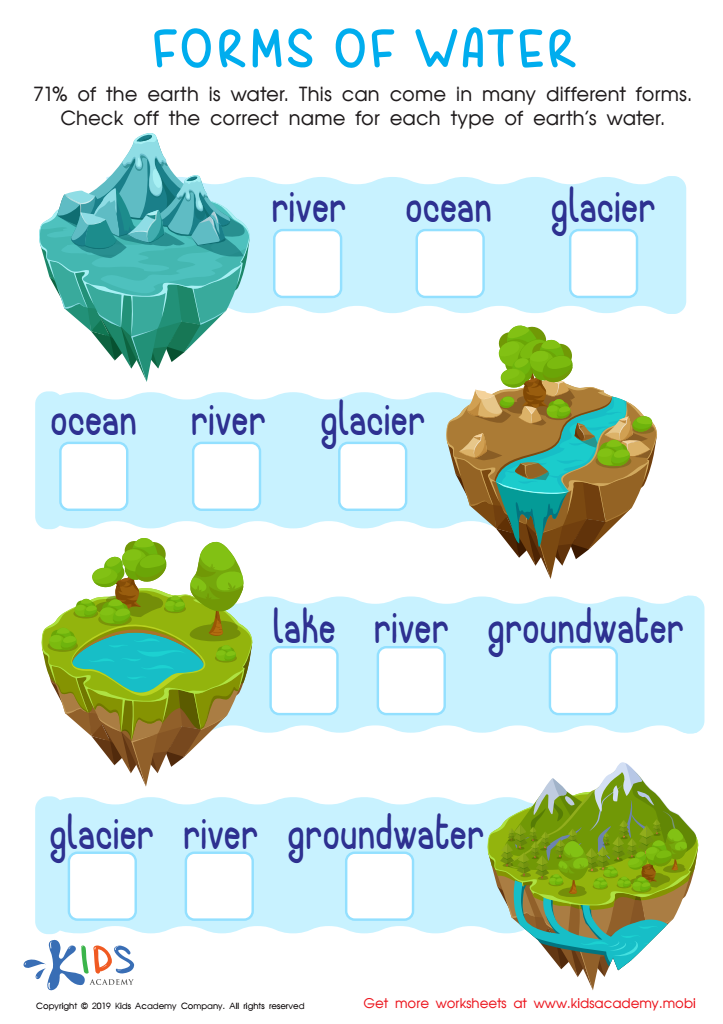
Forms of Water Worksheet
Life on Earth needs water to survive. Luckily, water makes up 75% of the Earth's surface and comes in various forms such as rivers, oceans and lakes. Ask your kids to name other forms and use this worksheet to help them identify each type.
Forms of Water Worksheet
Worksheet
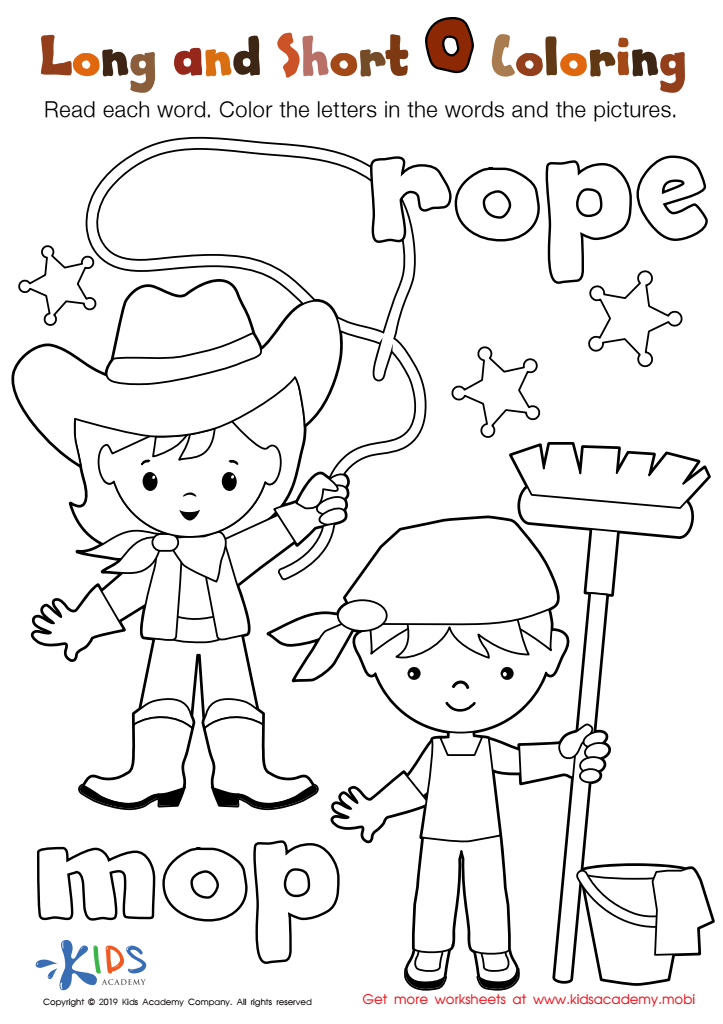
Long and Short O Worksheet
Help your students recognize the difference between long and short «Os» with this fun printout. Let them read and color-in "rope" and "mop" simultaneously. Listen to the different sounds, then color the words and pictures. Great for classes, it'll make your phonics lesson memorable and enjoyable.
Download (PDF)
Assign to My Students
Assign to My Students
Long and Short O Worksheet
Worksheet
Join Kids Academy for Free
Who is primarily going to use this learning content?







Improving reading skills for children aged 5-7 is crucial for their overall academic success and personal development. At this age, children are forming the foundation for literacy, which is essential not only for reading comprehension but also for effective communication. When students develop strong reading skills early on, they build confidence, motivation, and a love for learning that can last a lifetime.
For parents, fostering reading skills creates opportunities for bonding through shared stories and discussions, enriching the child-parent relationship. Reading together can instill values, spark curiosity, and enhance reasoning skills. Additionally, children who read well are more likely to excel in all subjects, leading to better educational outcomes.
Teachers play a fundamental role in equipping young learners with necessary phonics and vocabulary skills. By implementing engaging teaching strategies, such as interactive reading sessions and phonetic games, educators can make learning enjoyable. This early intervention prevents future literacy difficulties that can lead to frustration and disengagement.
Ultimately, prioritizing reading skills in these formative years contributes significantly to a child’s lifelong learning journey, shaping their critical thinking abilities, cultural awareness, and emotional intelligence, which are vital in today’s fast-paced, information-driven world.








