Number Sequencing Normal Worksheets for Ages 5-7
12 filtered results
-
From - To
Unlock your child's math potential with our Number Sequencing Normal Worksheets, designed specifically for ages 5-7! Perfect for young learners, these engaging worksheets help kids master counting and number recognition through fun and interactive activities. Children will practice skills such as ordering numbers, completing patterns, and identifying sequences, laying a strong foundation for their mathematical learning. Our colorful, easy-to-follow worksheets make learning enjoyable, setting the stage for a lifelong love of numbers. Explore our collection today and give your child the confidence to excel in math while having fun! Ideal for home or classroom use, these resources support early numeracy development.
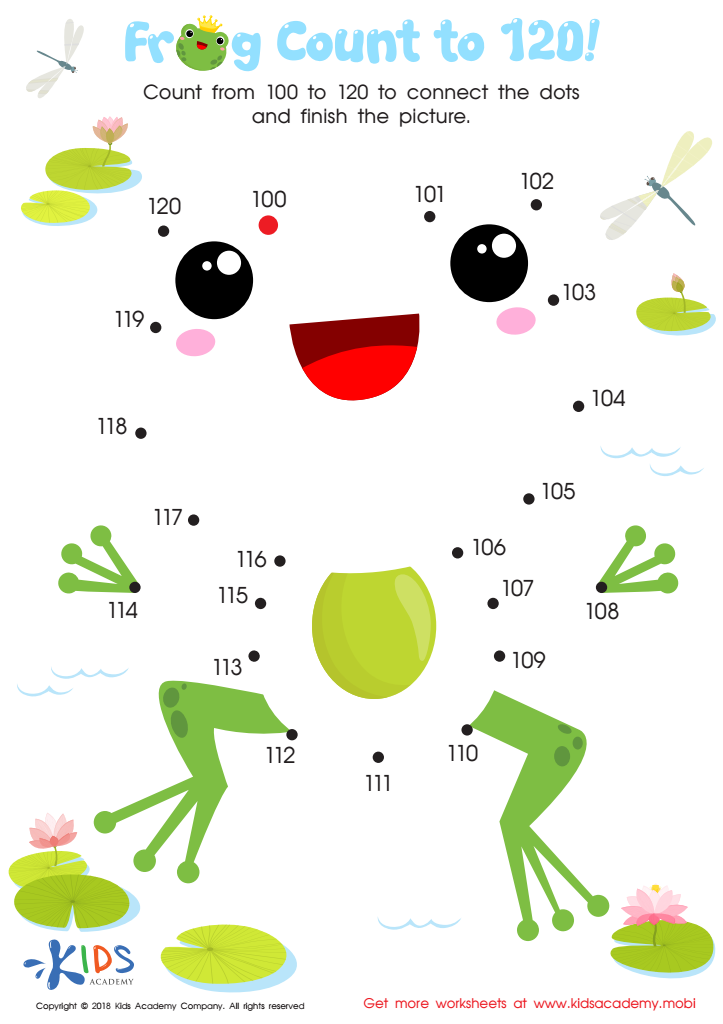
Frog Count to 120 Worksheet
 Assign to My Students
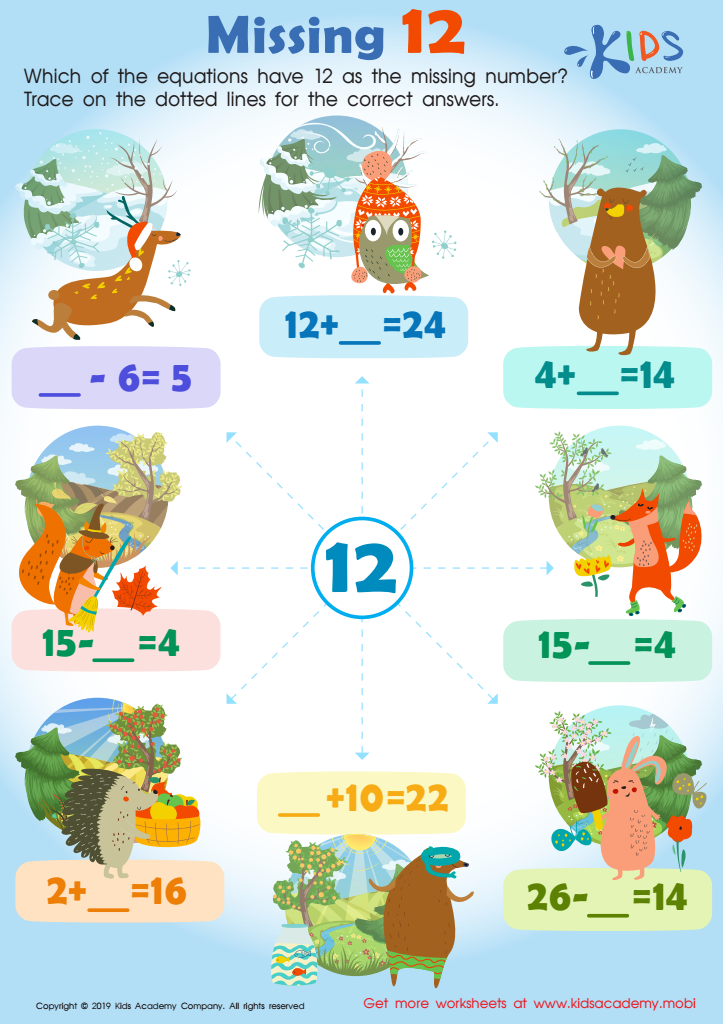
Missing 12 Worksheet
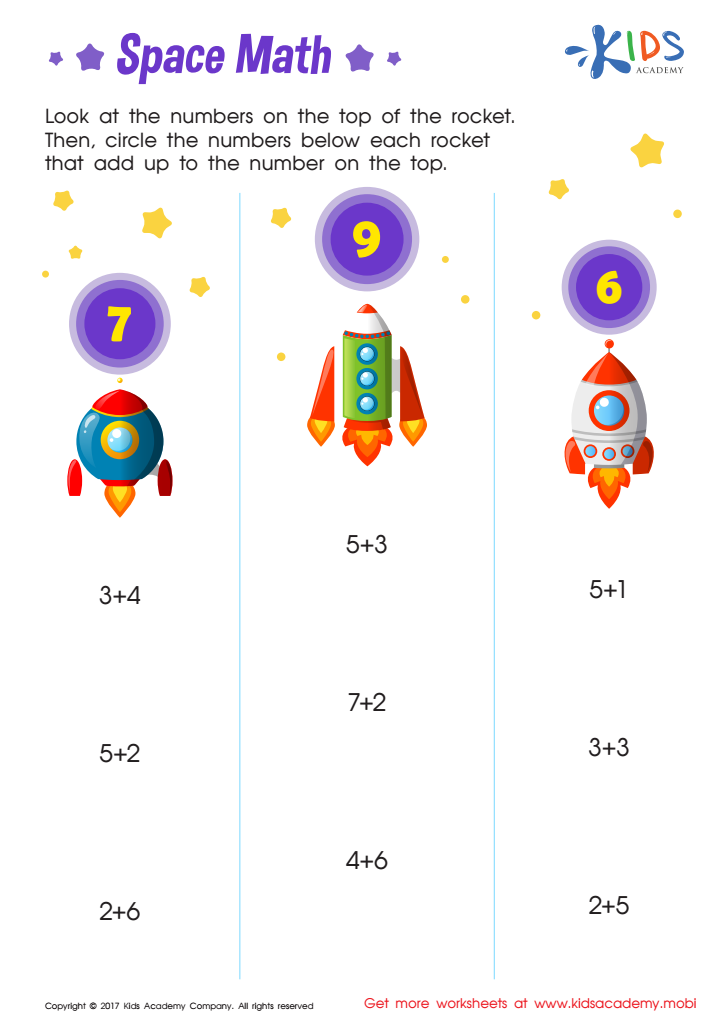
Addition: Space Math Worksheet
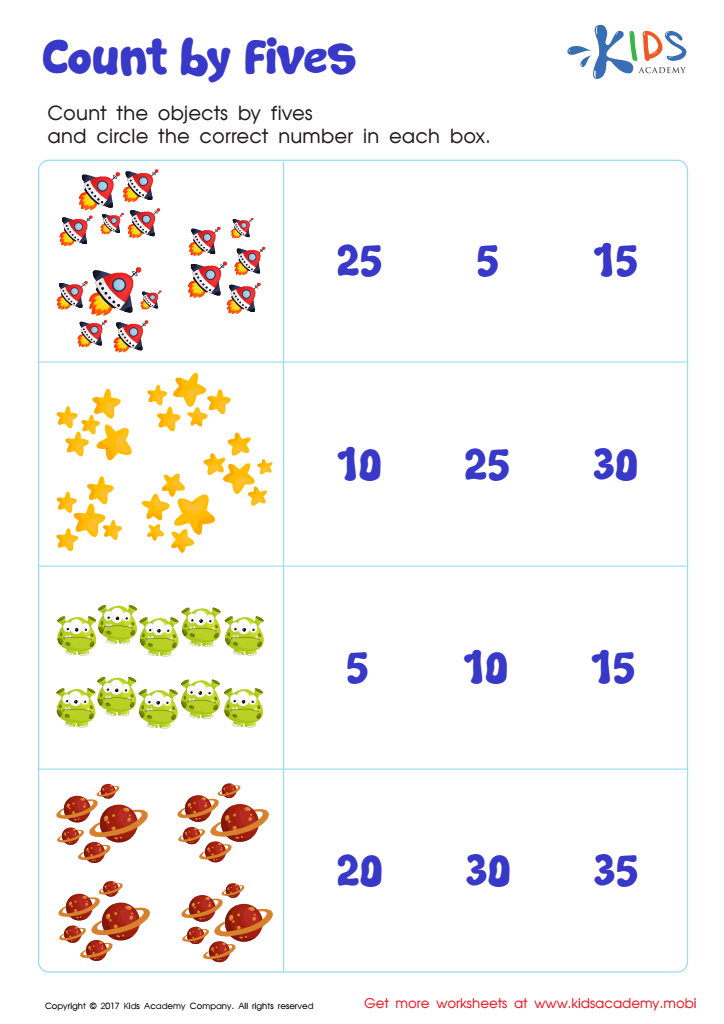
Skip Counting by 5s: Space Math Printable
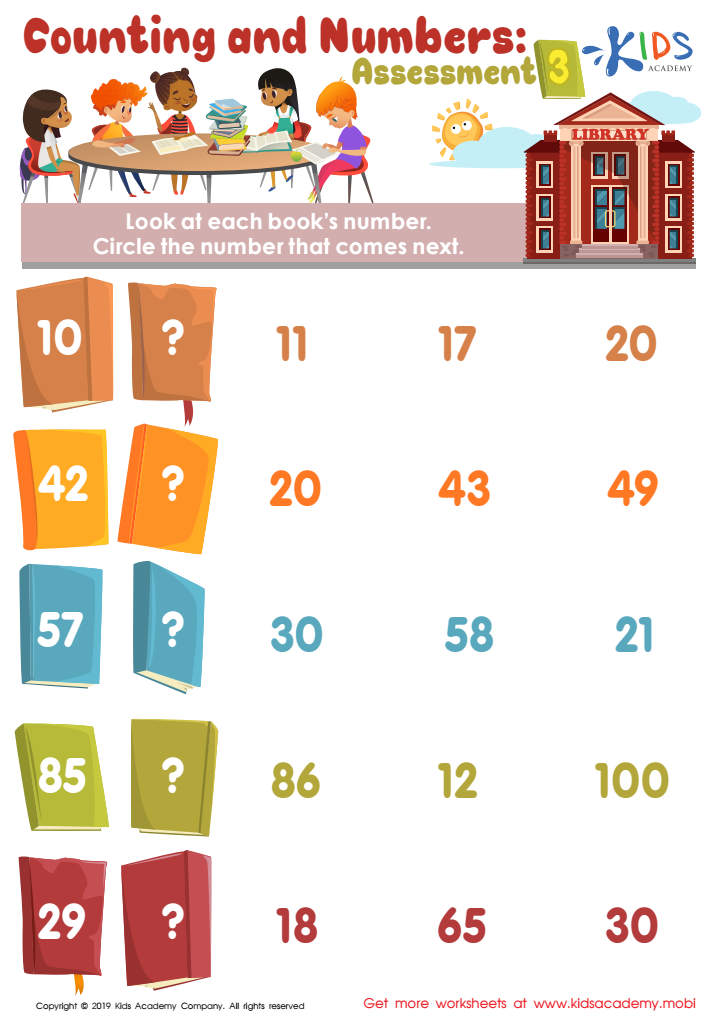
Counting and Numbers: Assessment Worksheet
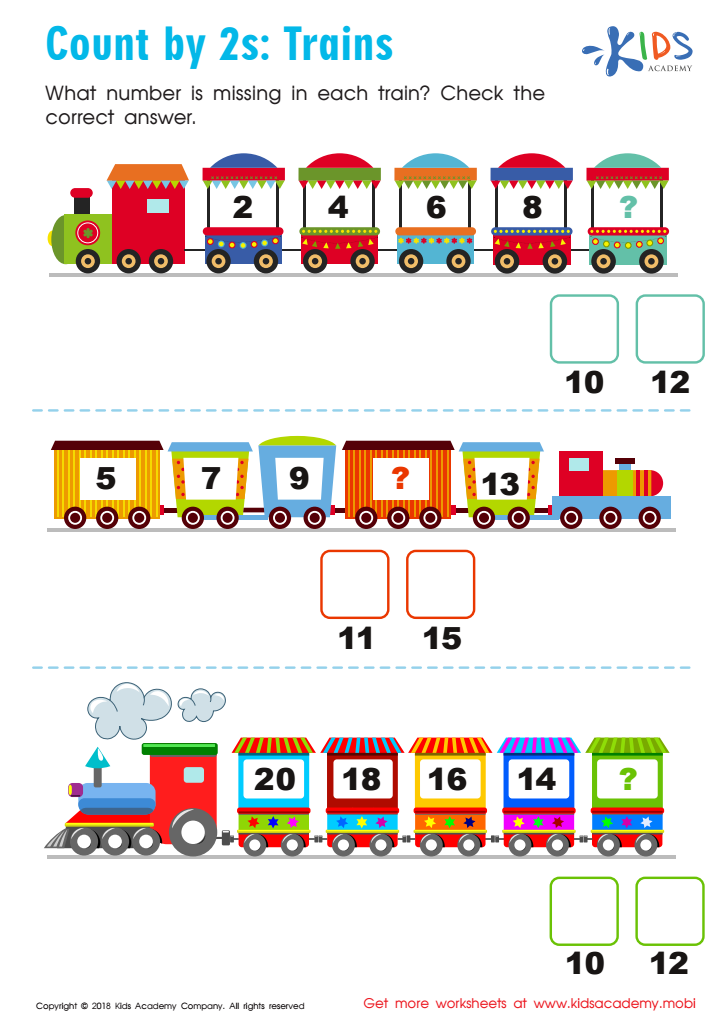
Count by 2's: Trains Worksheet
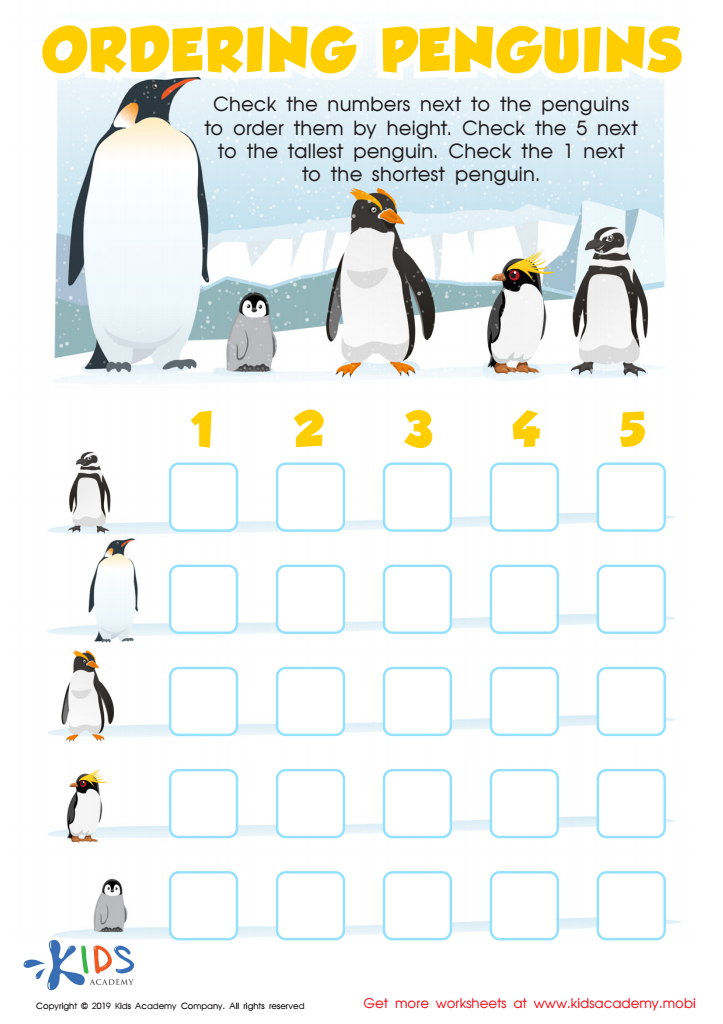
Ordering Penguins Worksheet
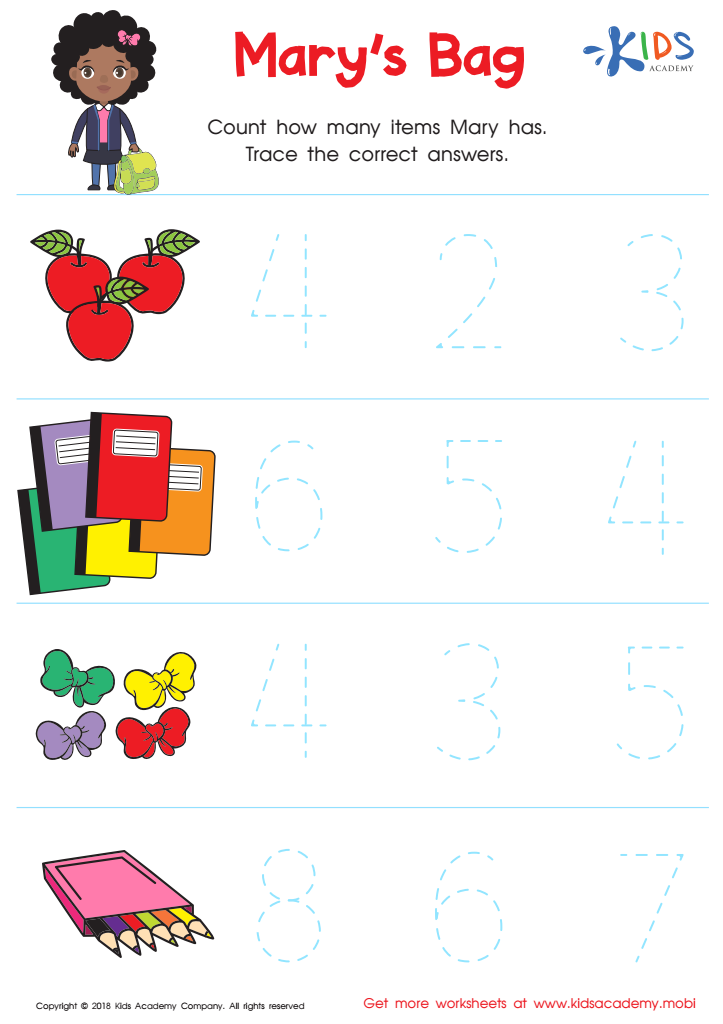
Kindergarten Number Tracing: Mary's Bag Worksheet
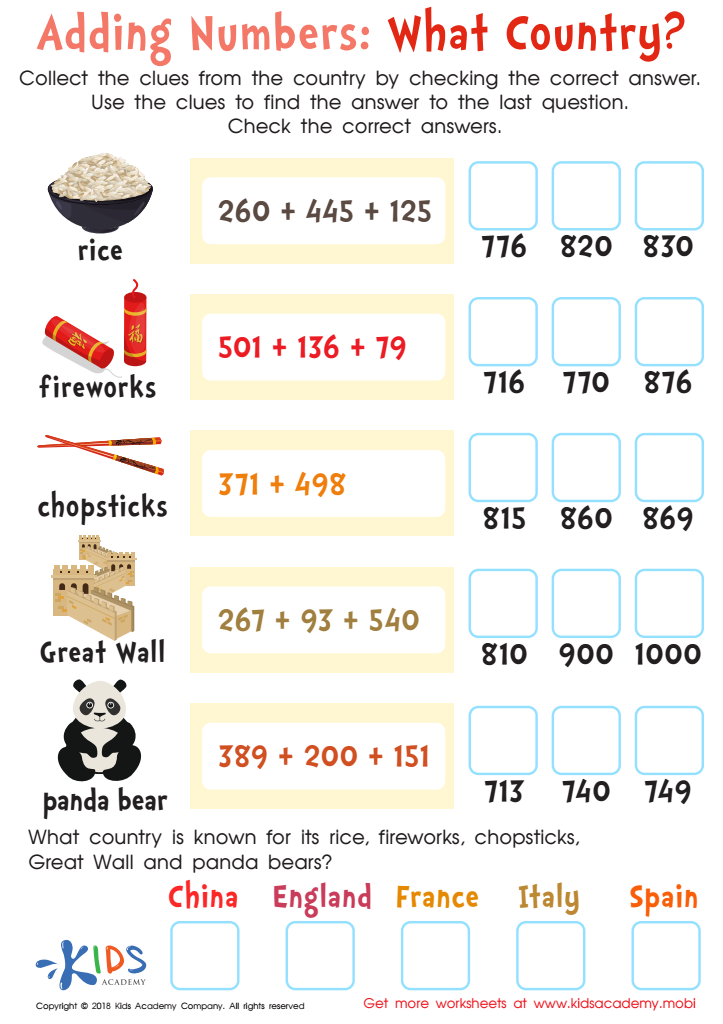
Adding Numbers: What Country Worksheet
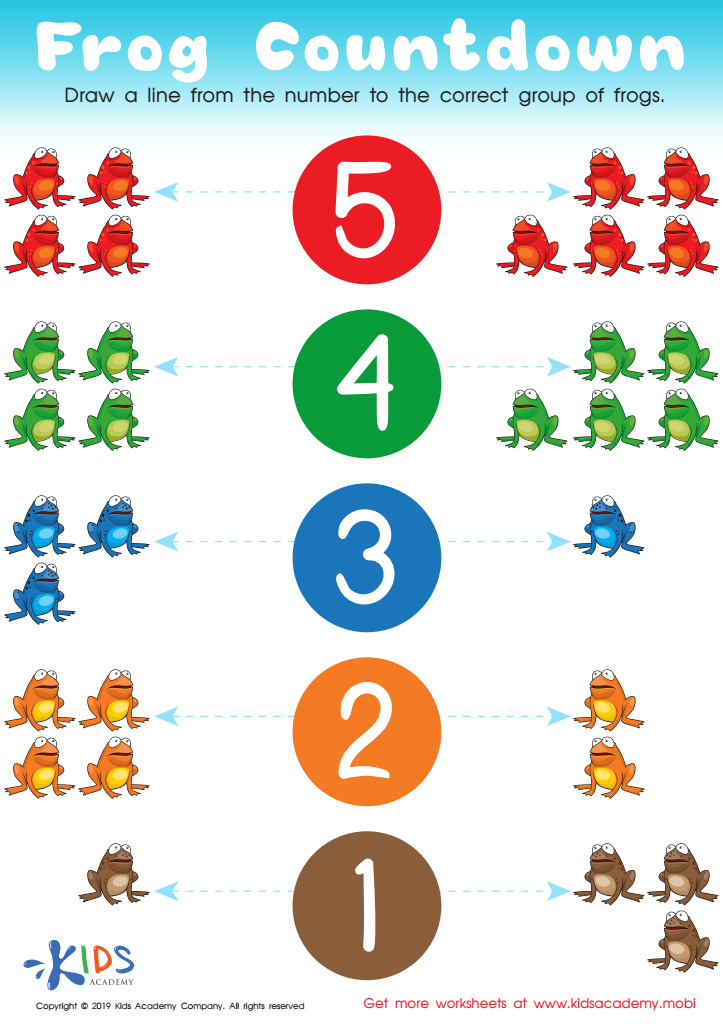
Frog Countdown Worksheet
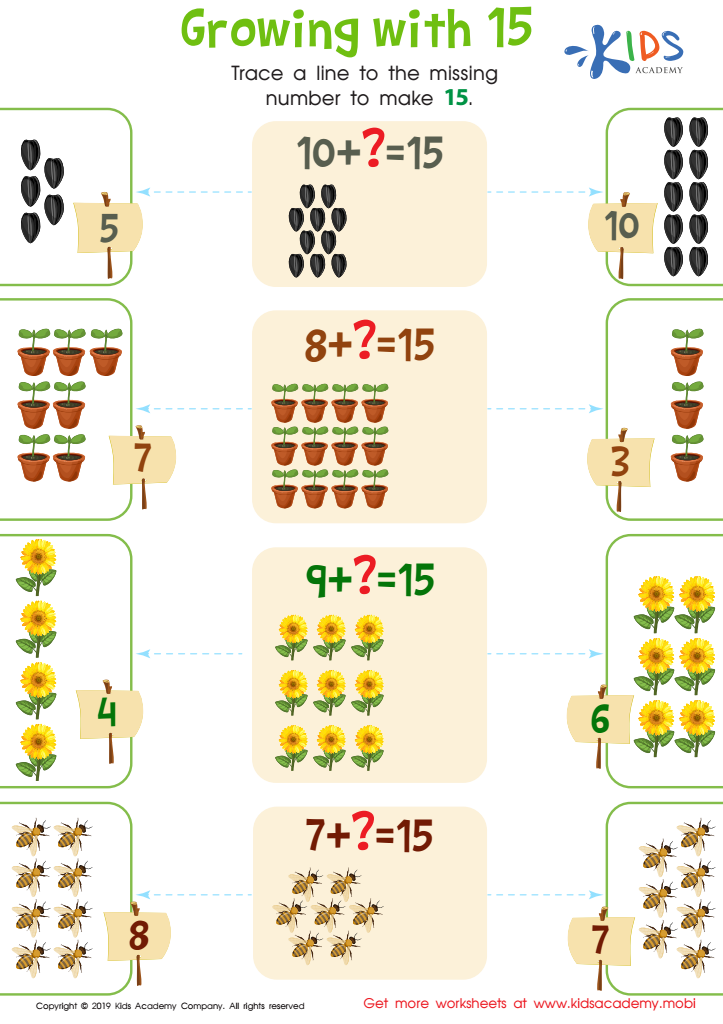
Growing with 15 Worksheet
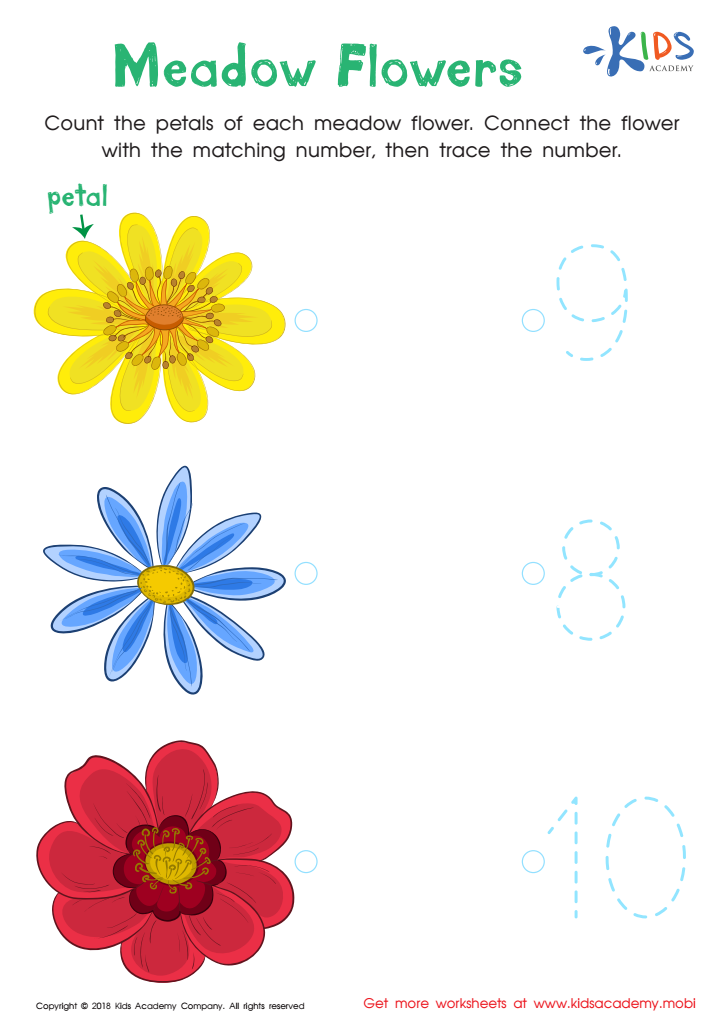
Kindergarten Number Tracing: Medow Flowers Worksheet








Number sequencing is a foundational math skill that aligns closely with early numeracy development in young children, particularly those aged 5 to 7. Understanding number sequences enables children to grasp mathematical concepts such as order, patterns, and predictable outcomes, which are crucial for their overall cognitive development.
For teachers and parents, fostering number sequencing abilities helps lay the groundwork for more advanced math skills. When children can recognize and create sequences, they develop a stronger number sense, making it easier for them to comprehend addition, subtraction, and patterns in numbers, as well as more complex operations as they progress in their education.
Moreover, number sequencing contributes to critical thinking and problem-solving skills. Engaging children in sequencing activities—whether through games, songs, or hands-on counting exercises—creates opportunities for fun, interactive learning experiences. These experiences not only enhance children's math abilities but also build confidence and interest in the subject.
Lastly, supporting number sequencing skill development at this crucial stage can lead to long-term academic success. Children who struggle with foundational math concepts may face challenges later on, making early intervention vital. Thus, both parents and teachers play a crucial role in nurturing these abilities, fostering a solid mathematical foundation.








