Visual perception Normal Worksheets for Ages 5-7
18 filtered results
-
From - To
Discover our engaging Visual Perception Worksheets designed for children ages 5-7. These resources are tailored to enhance essential visual skills such as shape recognition, pattern matching, and spatial awareness. Ideal for early learners, our worksheets combine fun and learning, helping kids strengthen their cognitive abilities while enjoying colorful activities. Perfect for teachers and parents alike, these printable materials support classroom learning and at-home practice. Promote critical thinking and problem-solving skills through enjoyable exercises that fuel imagination and creativity. Set your child on the path to visual literacy with our thoughtfully crafted worksheets that make learning an adventure!
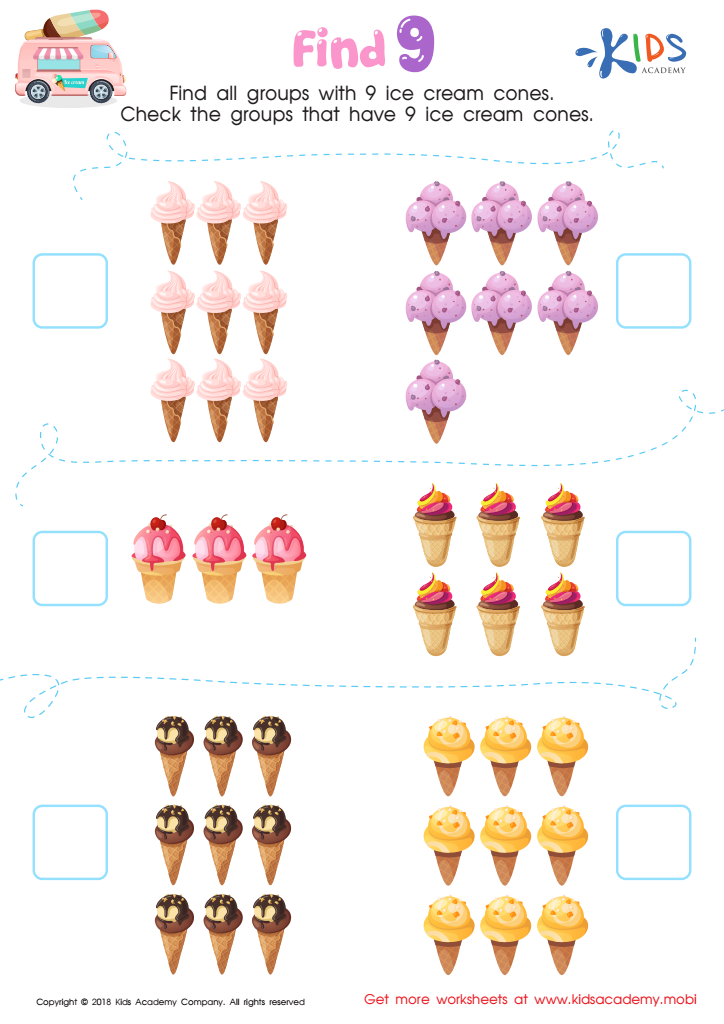
Find 9 Worksheet
 Assign to My Students
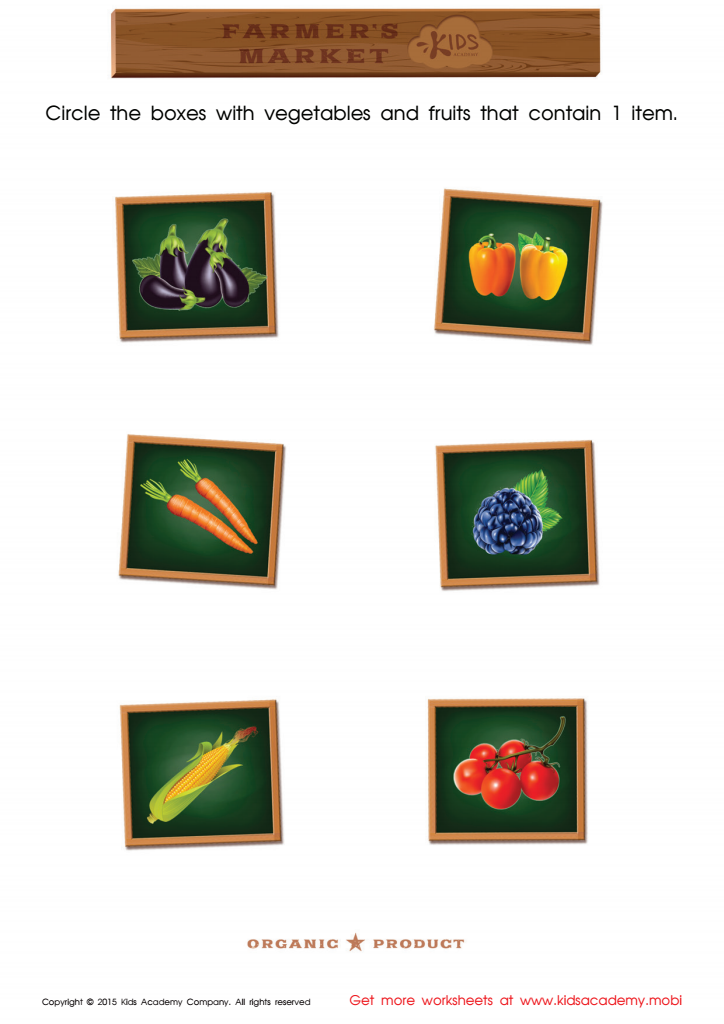
Count and Match Boxes with Vegetables
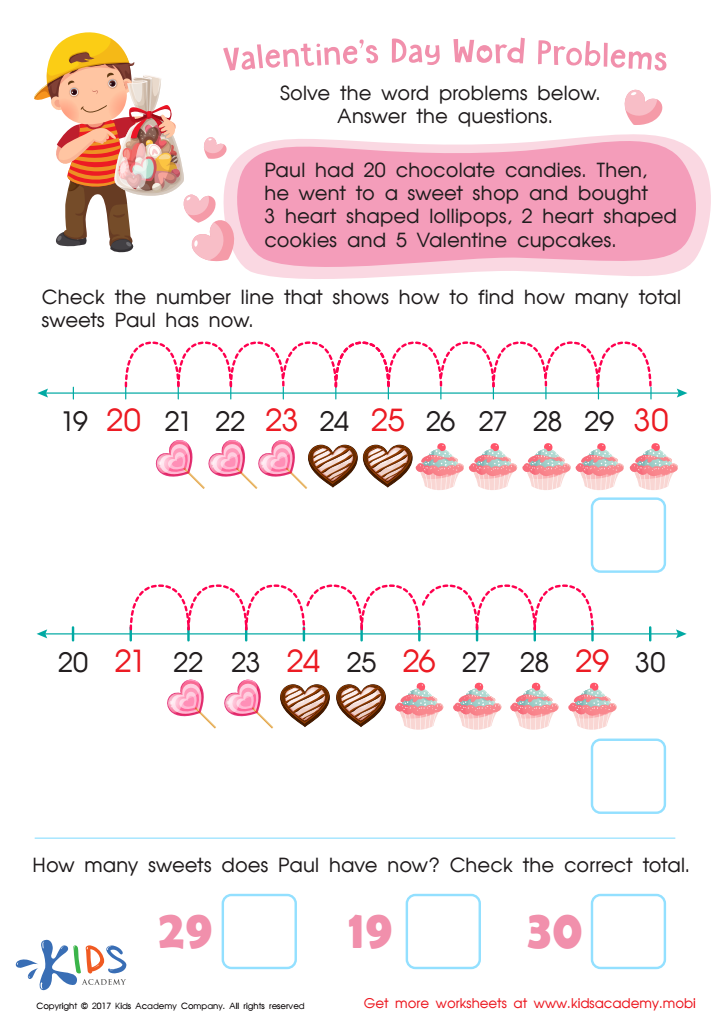
Valentines Day 2 Printable
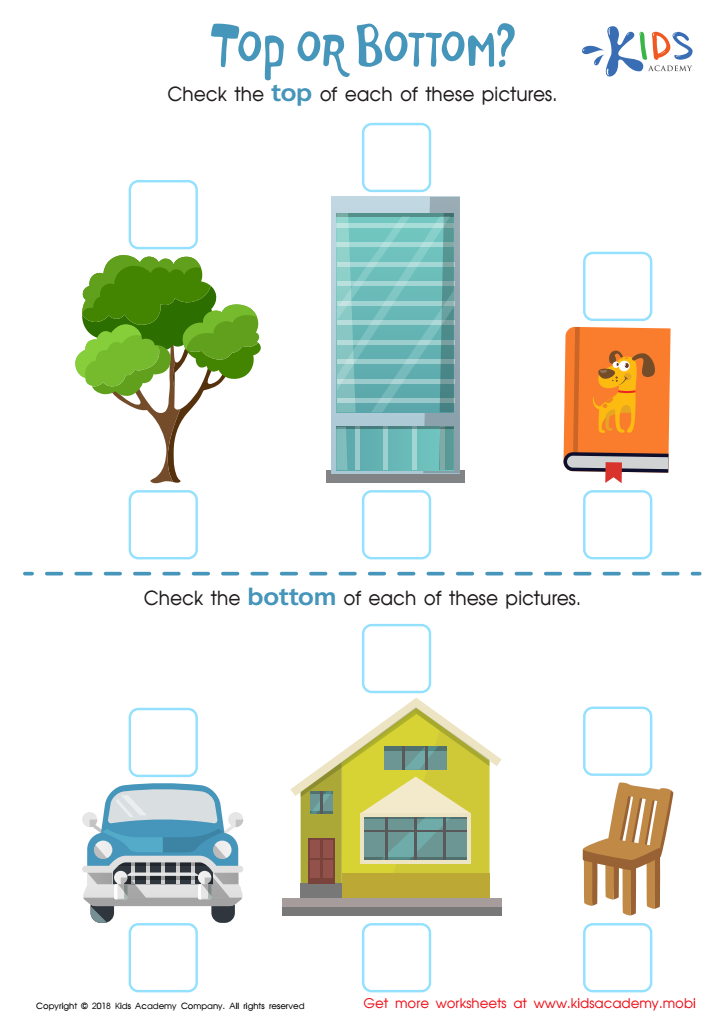
Top or Bottom Worksheet
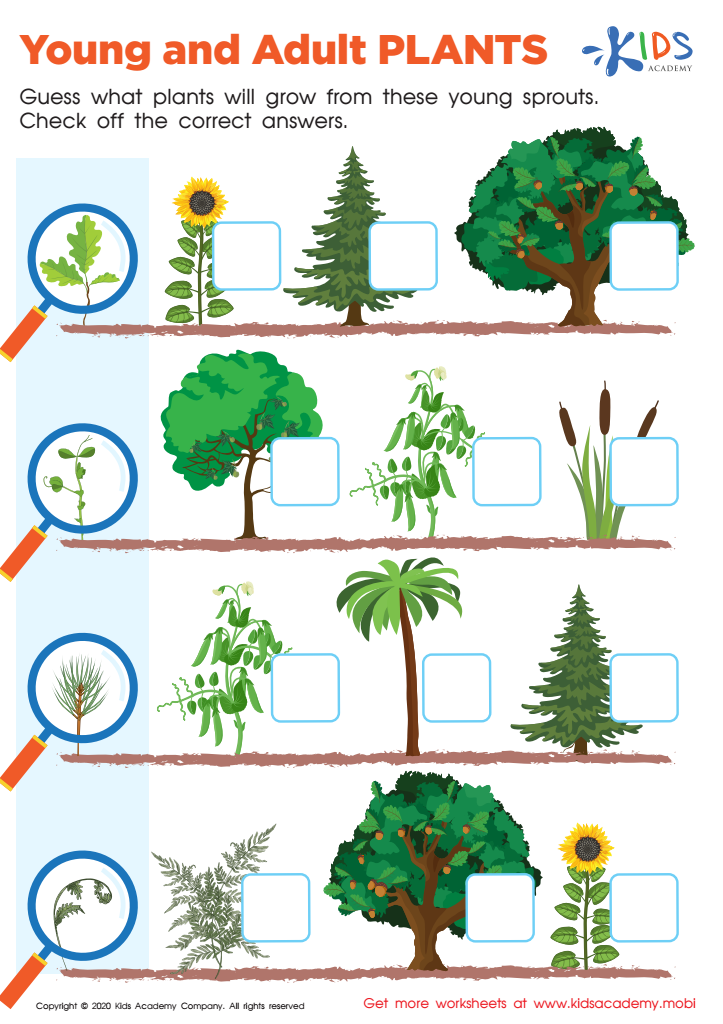
Young and Adult Plants Worksheet
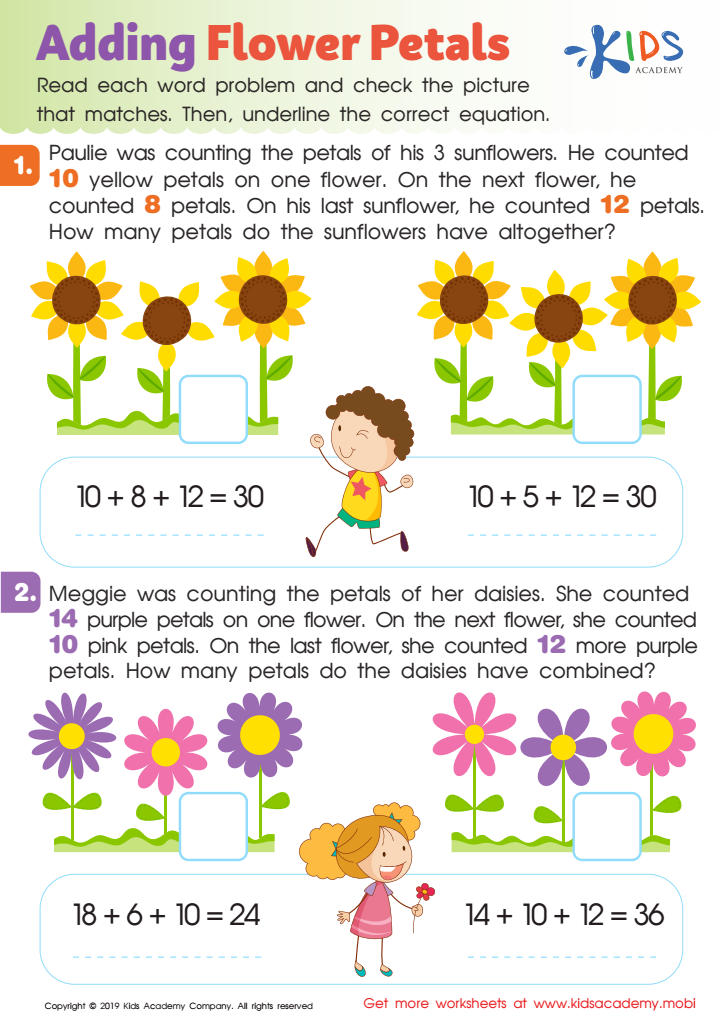
Adding Flower Petals Worksheet
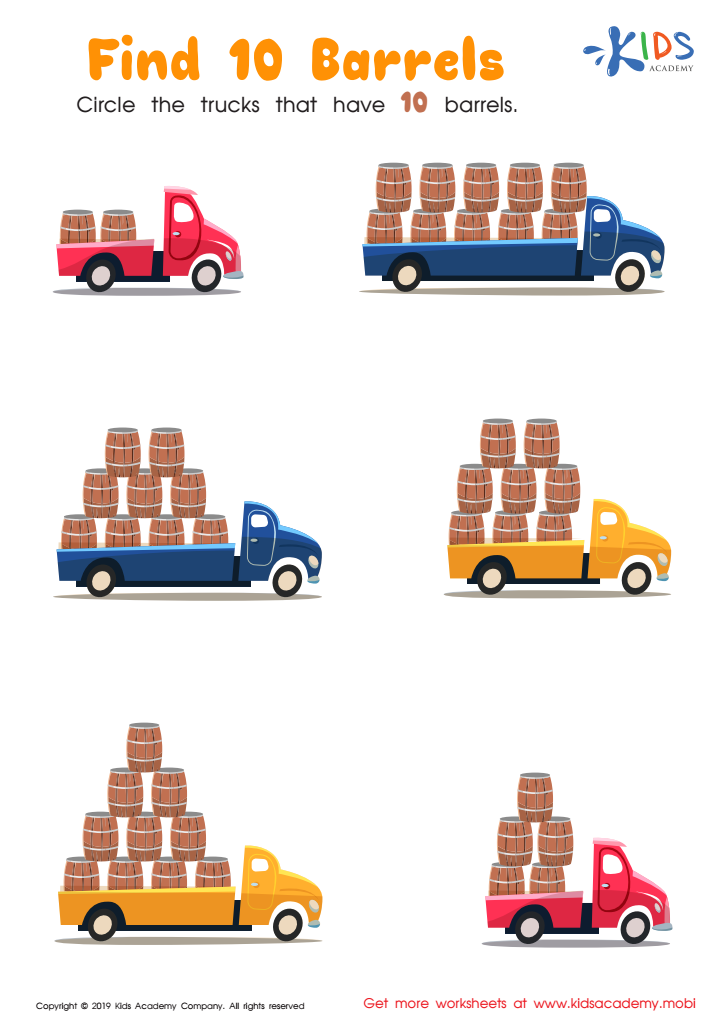
Find 10 Barrels Worksheet
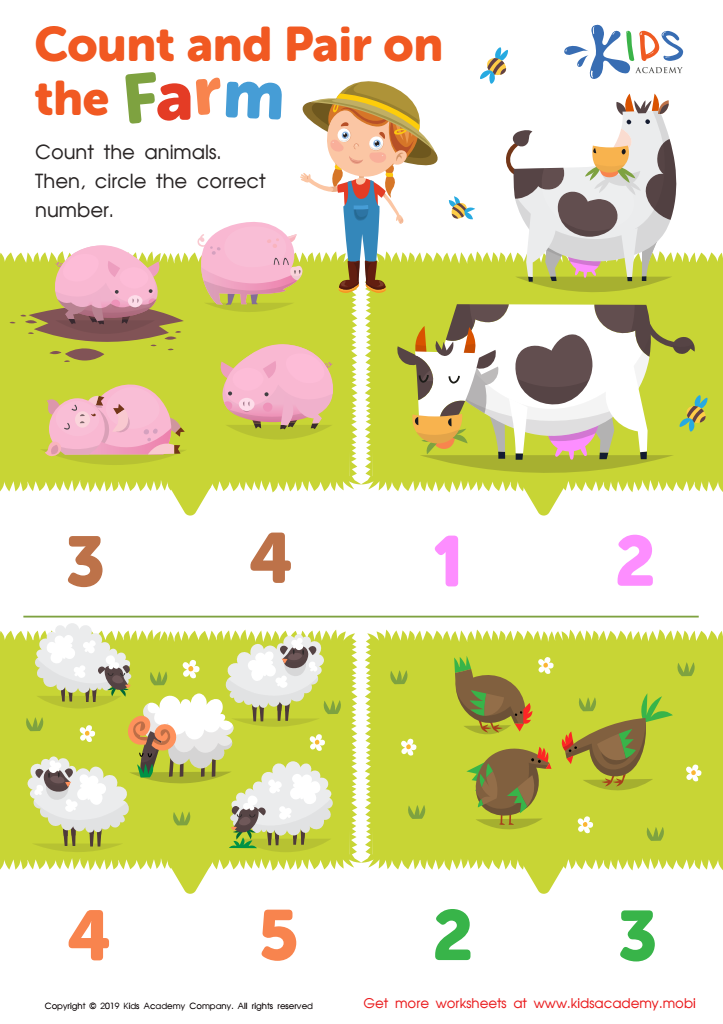
Count and Pair on the Farm Worksheet
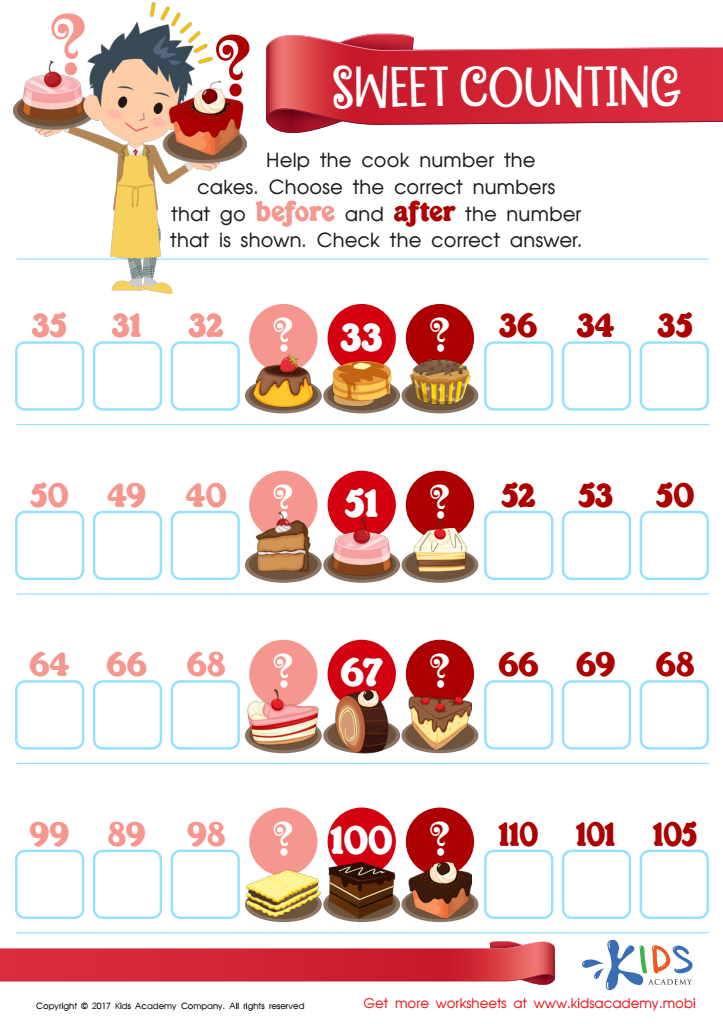
Sweet Counting - Part 1 Worksheet
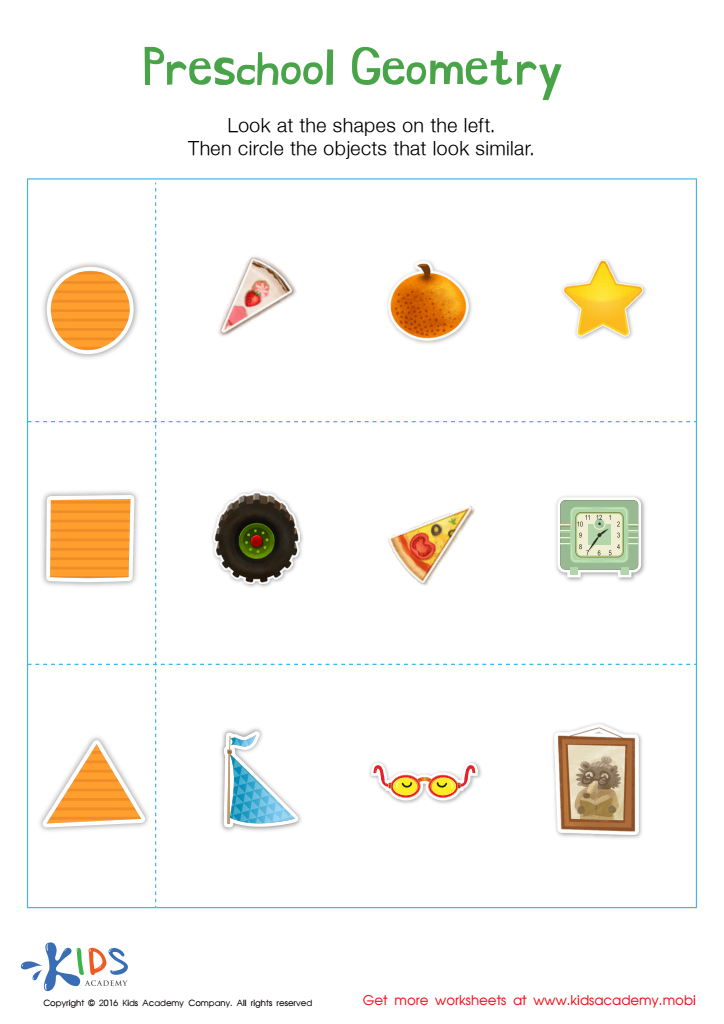
Preschool Geometry Match Up Worksheet
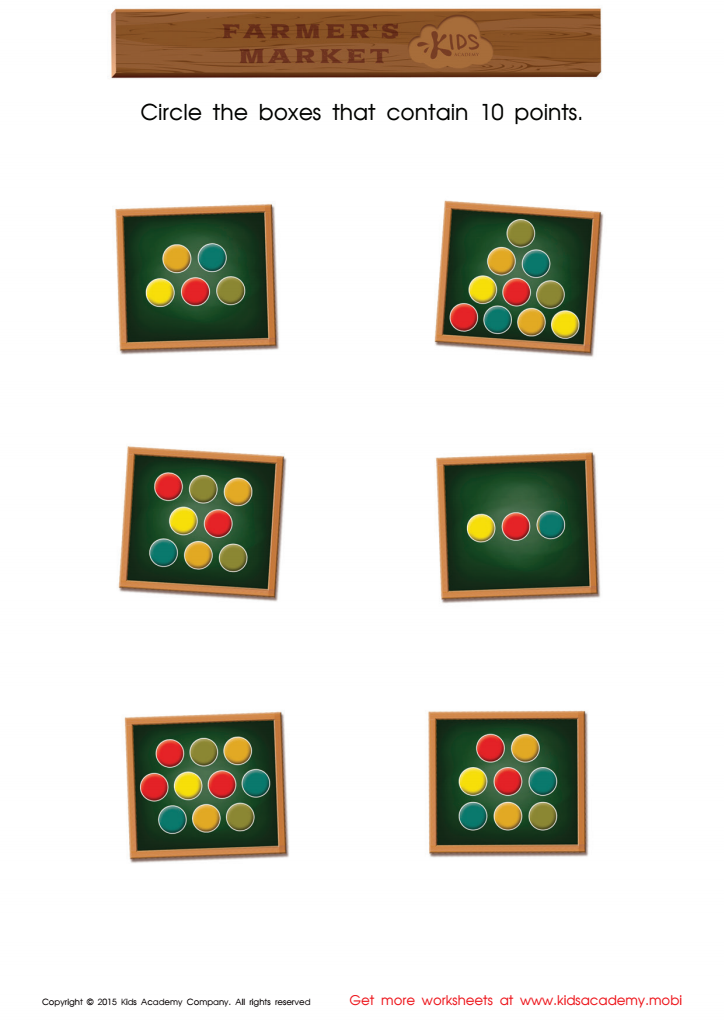
Count and Match Points 10 Math Worksheet
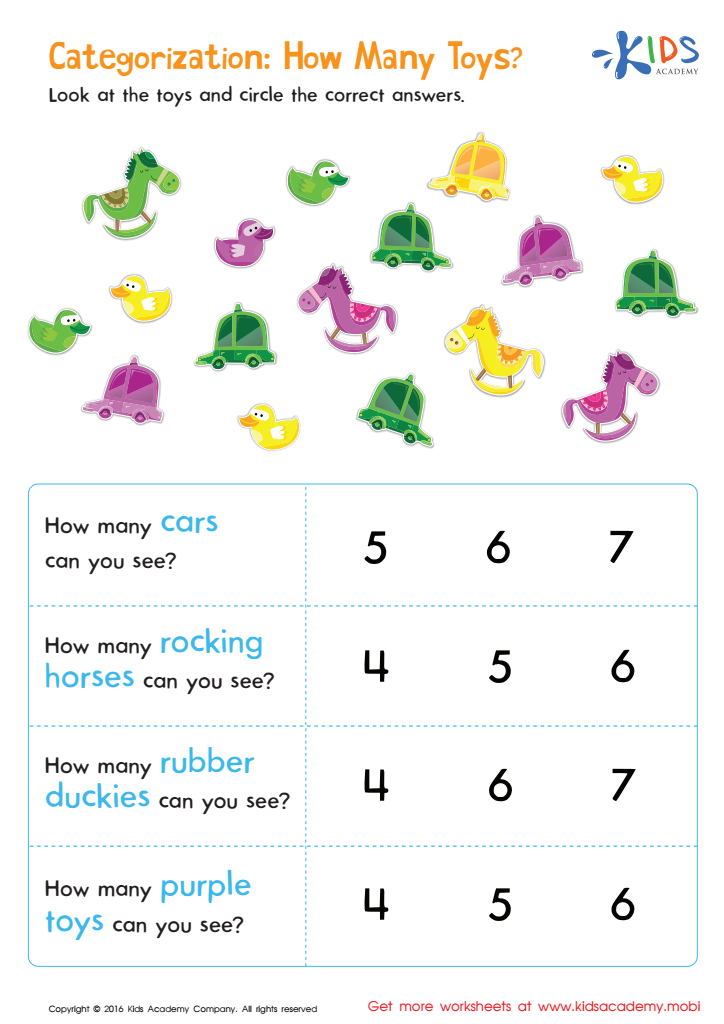
Classifying Toys by Type and Color Sorting Worksheet
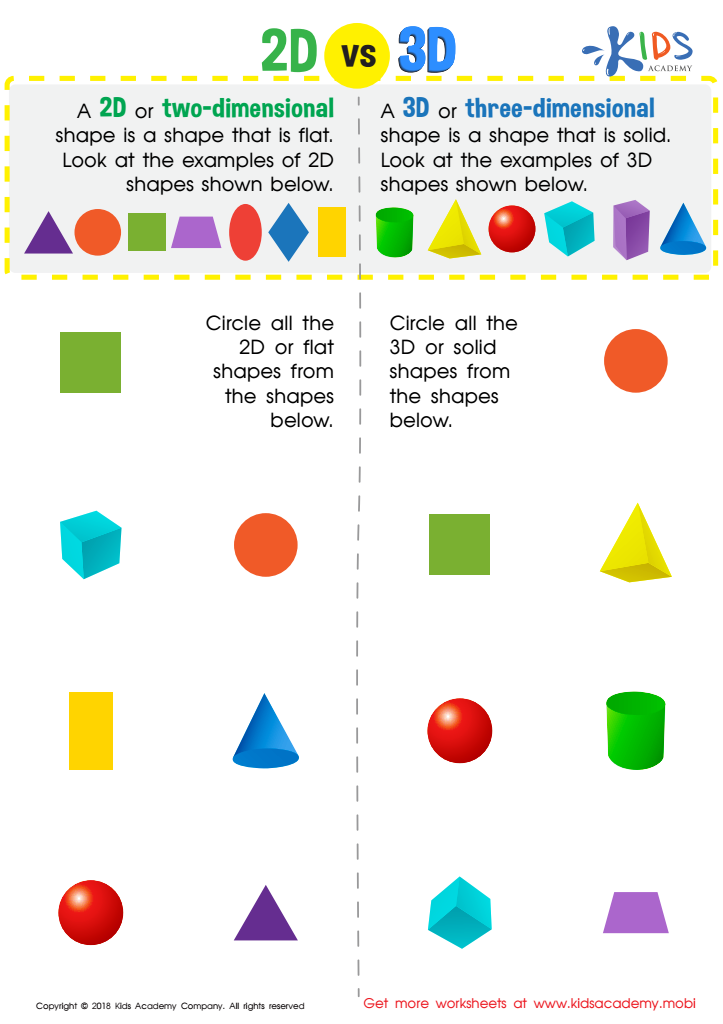
2D vs 3D Shapes Worksheet
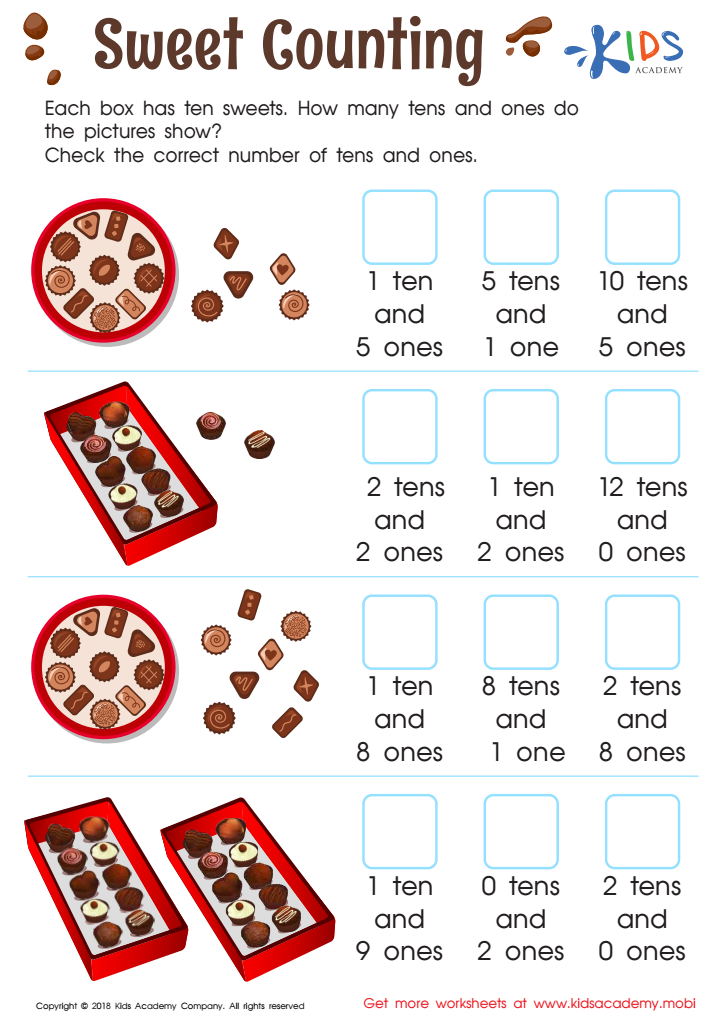
Sweet Counting - Part 2 Worksheet
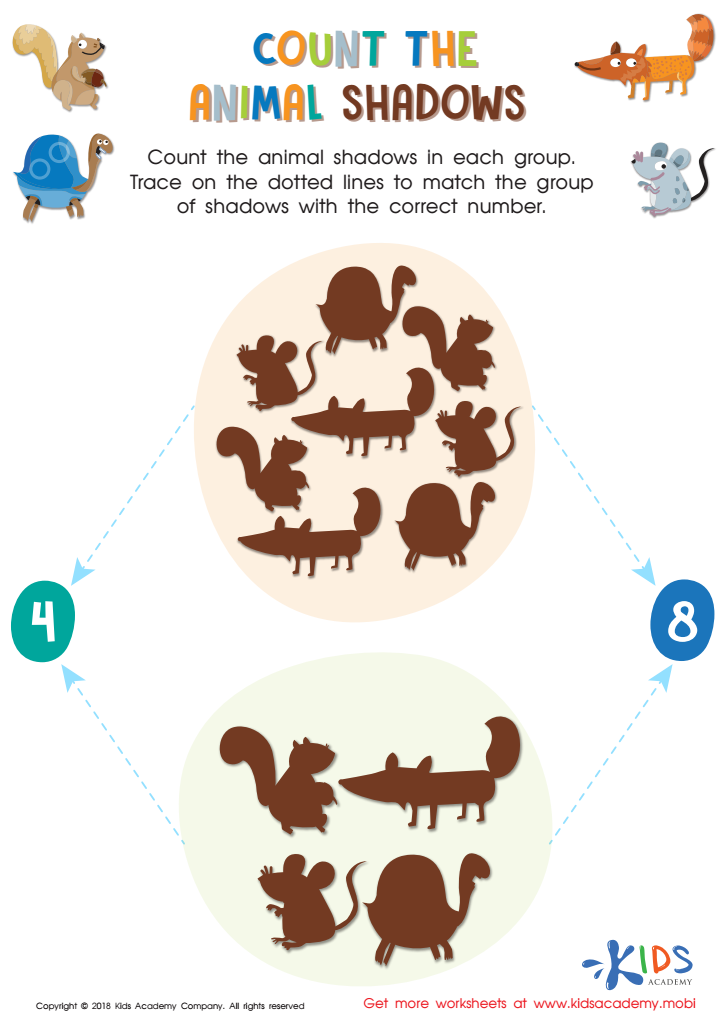
Count the Animal Shadows Worksheet
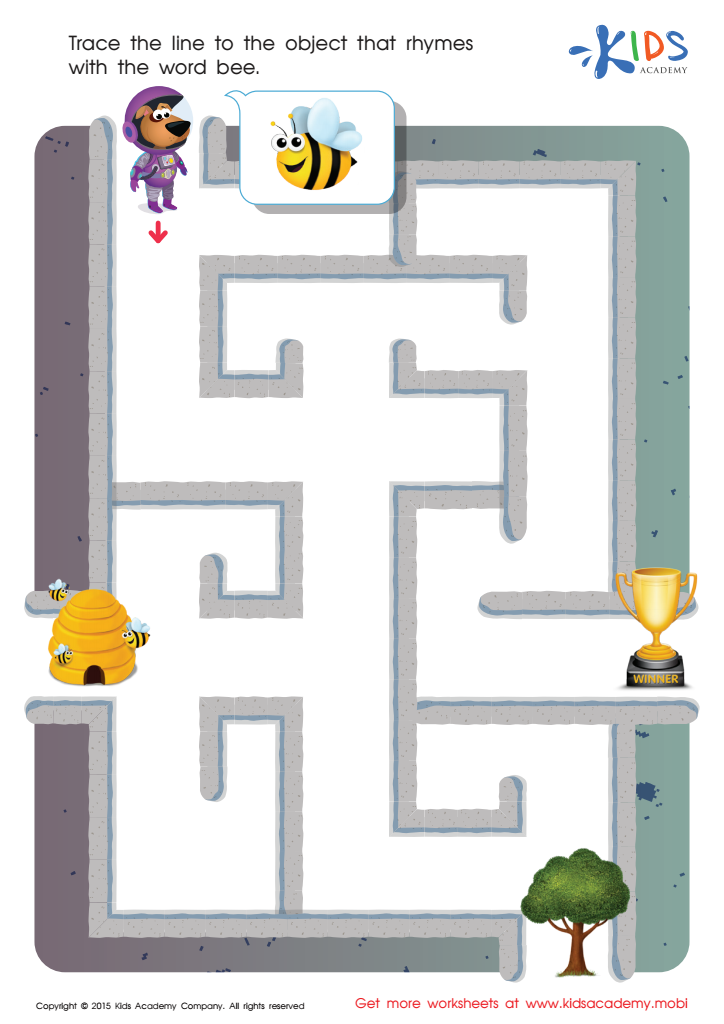
Bee Rhyming Words Worksheet

Count and Match Vegetables 1 – 5 Math Worksheet
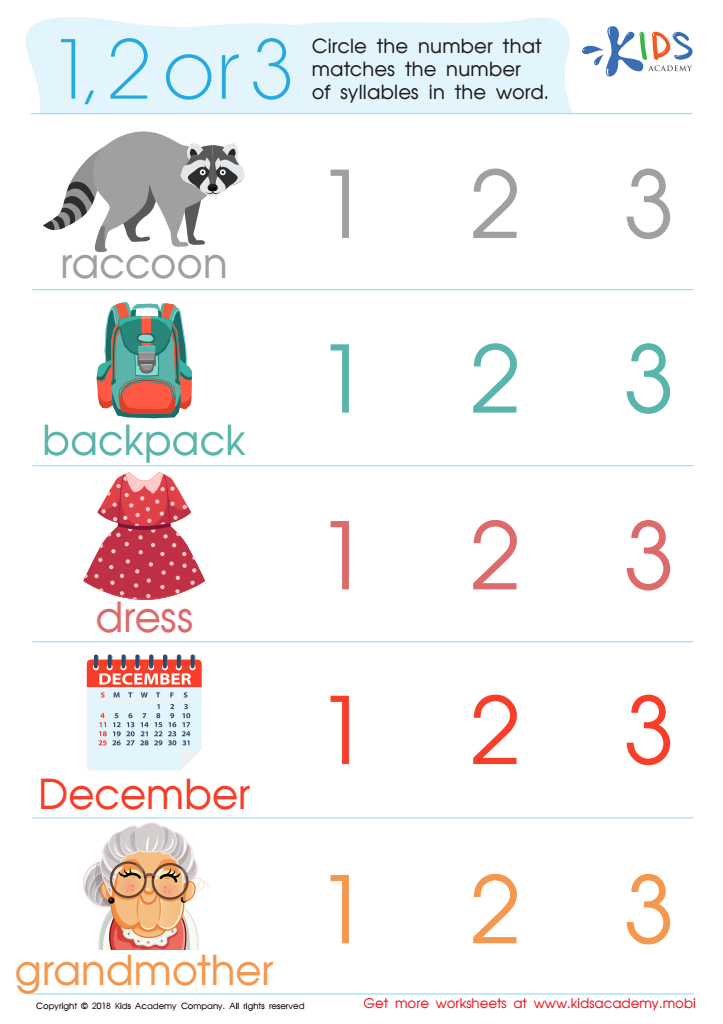
1, 2 or 3? Worksheet








Visual perception is a fundamental skill for children aged 5-7, significantly affecting their learning and development. This stage is critical as children are transitioning from early childhood to more structured educational settings, where they will encounter new concepts and experiences requiring strong visual abilities.
Parents and teachers should care about visual perception because it impacts many academic skills. For instance, children rely on visual perception to recognize letters and numbers, interpret classroom materials, and follow directions. Poor visual perception can lead to difficulties in reading and writing, hindering academic progress and self-esteem.
Additionally, visual perception influences spatial awareness and motor skills, essential for activities such as drawing, grid paper tasks, and even physical activities like sports. Support in developing these skills can enhance a child's confidence and enjoyment in these tasks, promoting a positive attitude toward learning.
Ultimately, ensuring that children have strong visual perception skills lays a foundation for better learning outcomes, improved social interactions, and overall holistic development. It also equips them with the ability to tackle more complex challenges in the future. Therefore, recognizing and nurturing these skills should be a priority for educators and parents alike.








