Reading comprehension Normal Matching Worksheets for Ages 5-7
7 filtered results
-
From - To
Enhance your child's reading skills with our engaging "Reading Comprehension Normal Matching Worksheets" designed specifically for ages 5-7. These worksheets offer a fun and interactive way for young learners to practice crucial comprehension skills. Through matching exercises, children will connect images and words, reinforcing their understanding and retention of stories and texts. Each activity aligns with developmental milestones, fostering both creativity and critical thinking. Our worksheets are perfect for homeschooling or classroom use and can be easily printed for immediate access. Help your child develop a love for reading while building essential comprehension skills, setting the foundation for their future academic success.
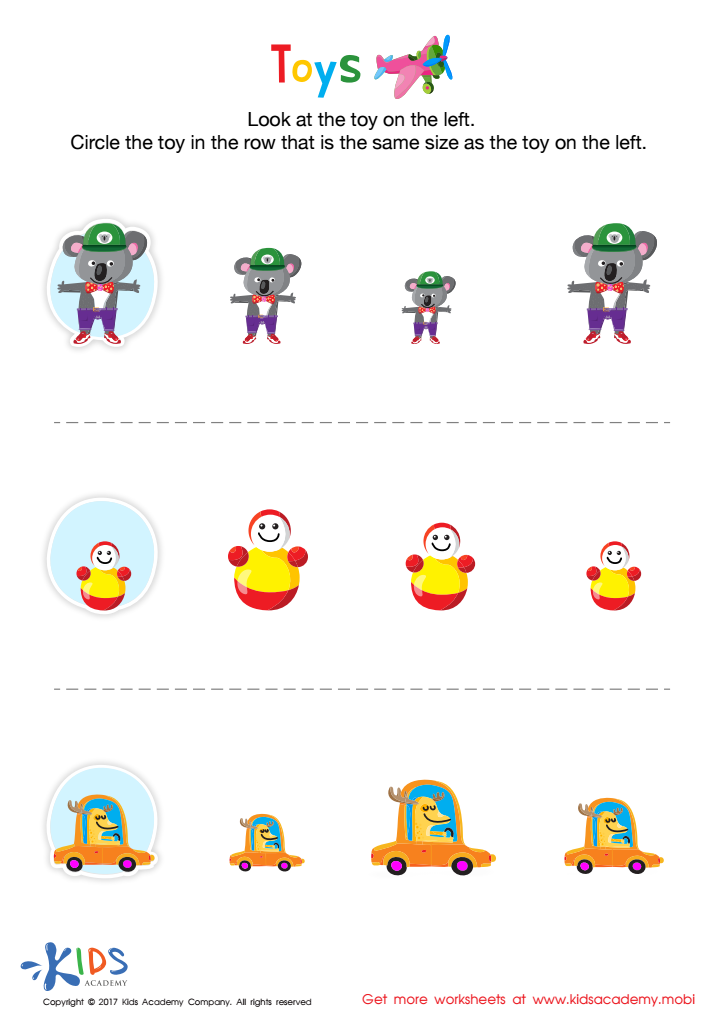
Matching: Classifying Toys by Size Worksheet
 Assign to My Students
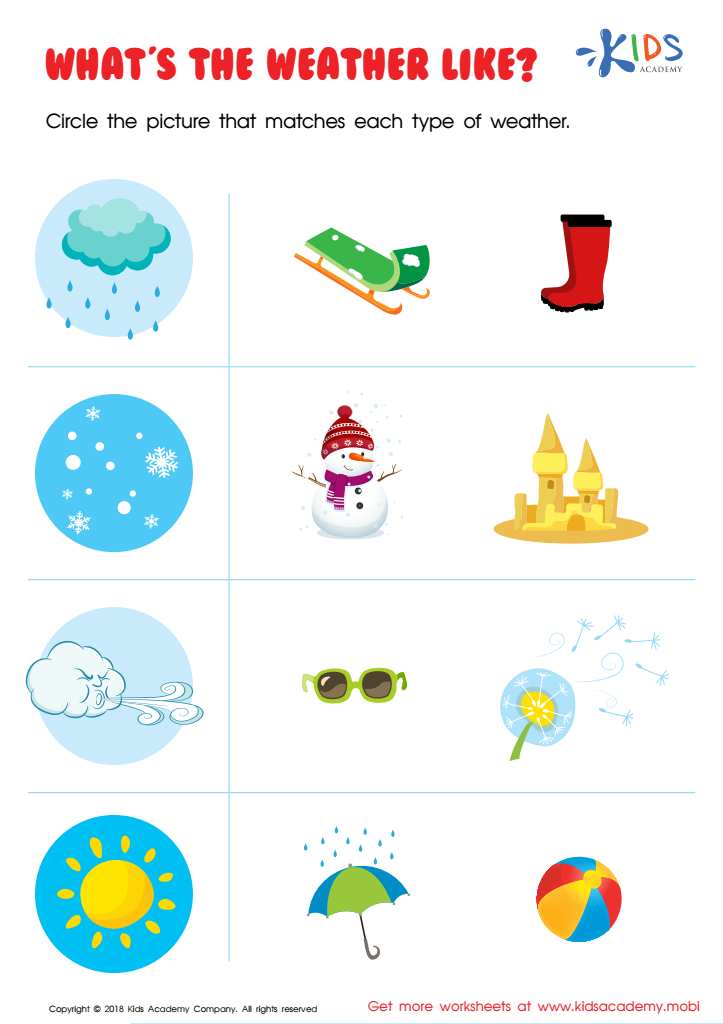
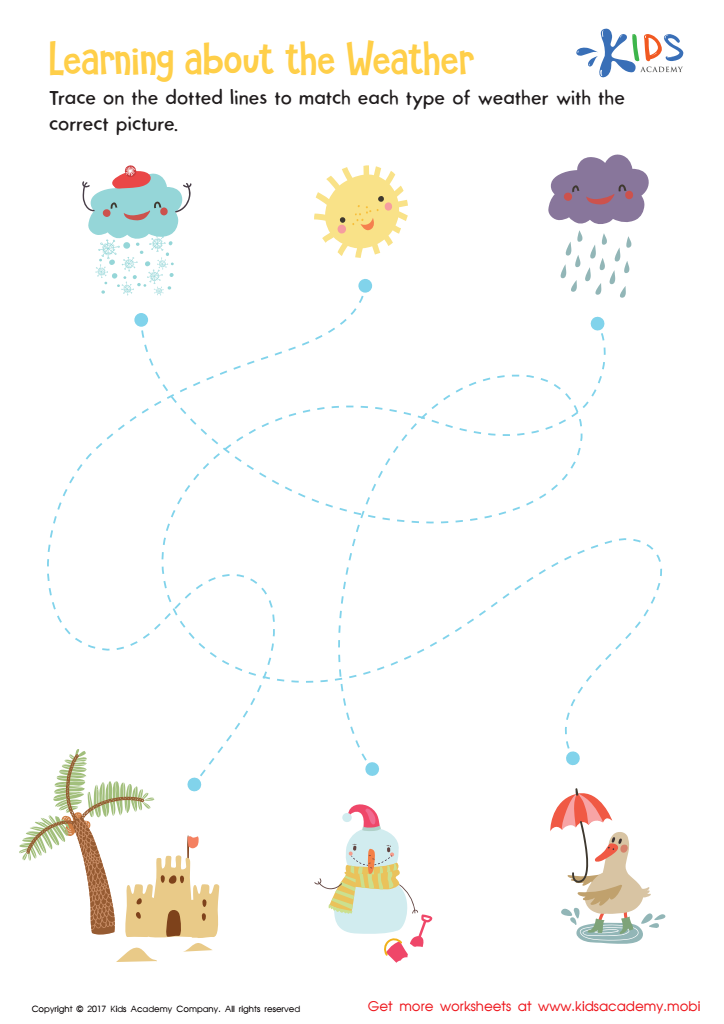
What's the Weather Like? Worksheet
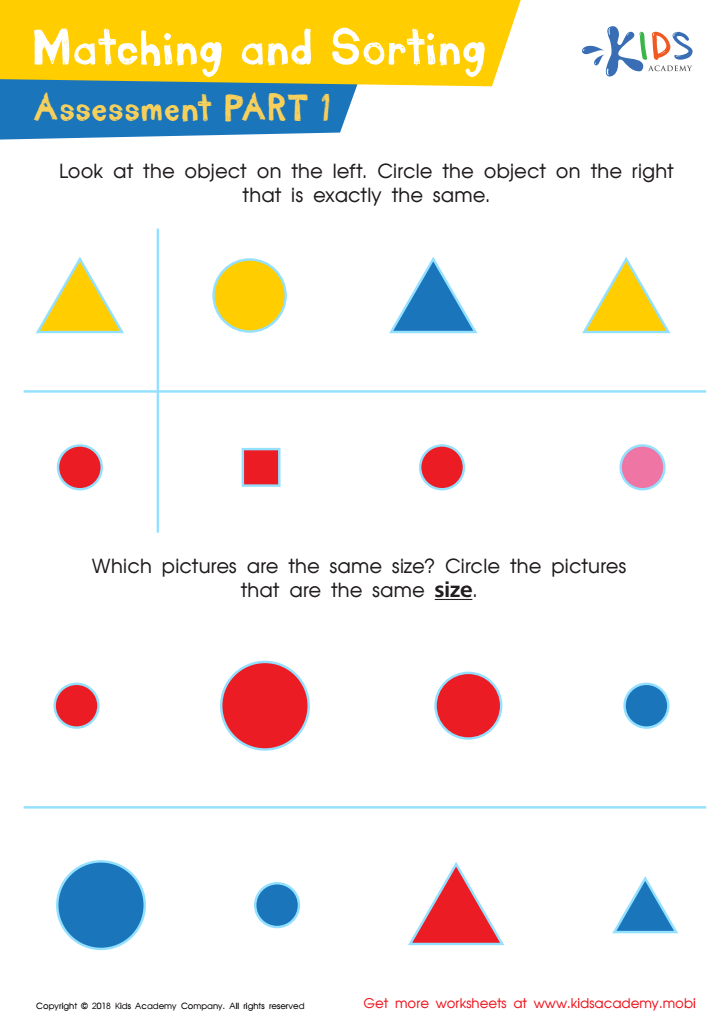
Matching and Sorting for Kindergarten: Assessment 1 Worksheet
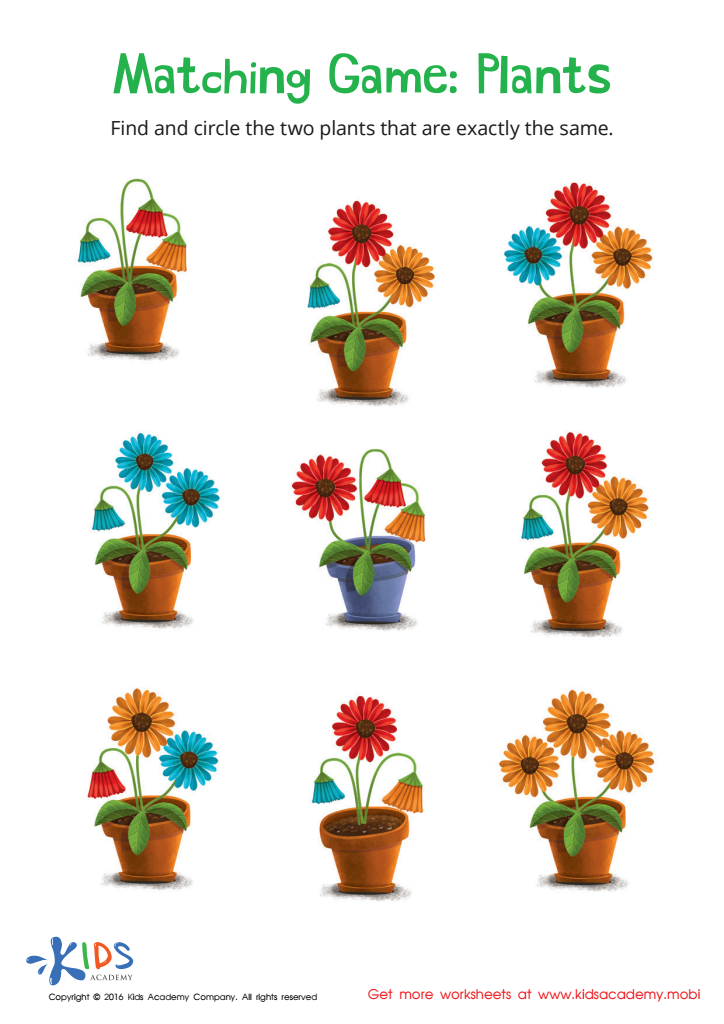
Matching: Plants Worksheet
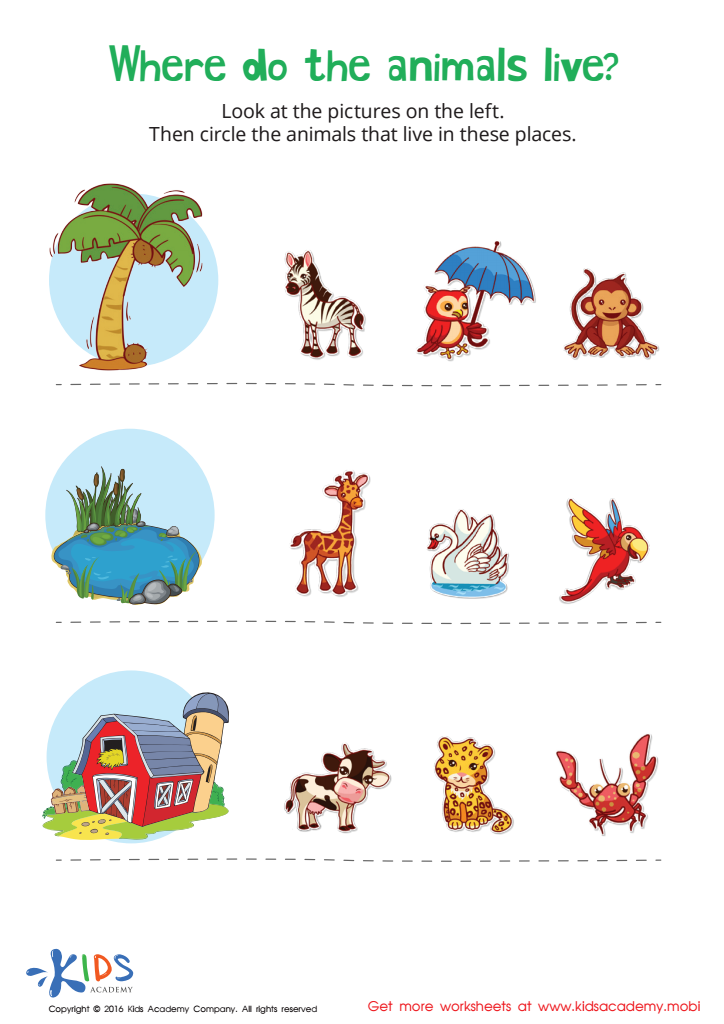
Where Animals Live Worksheet
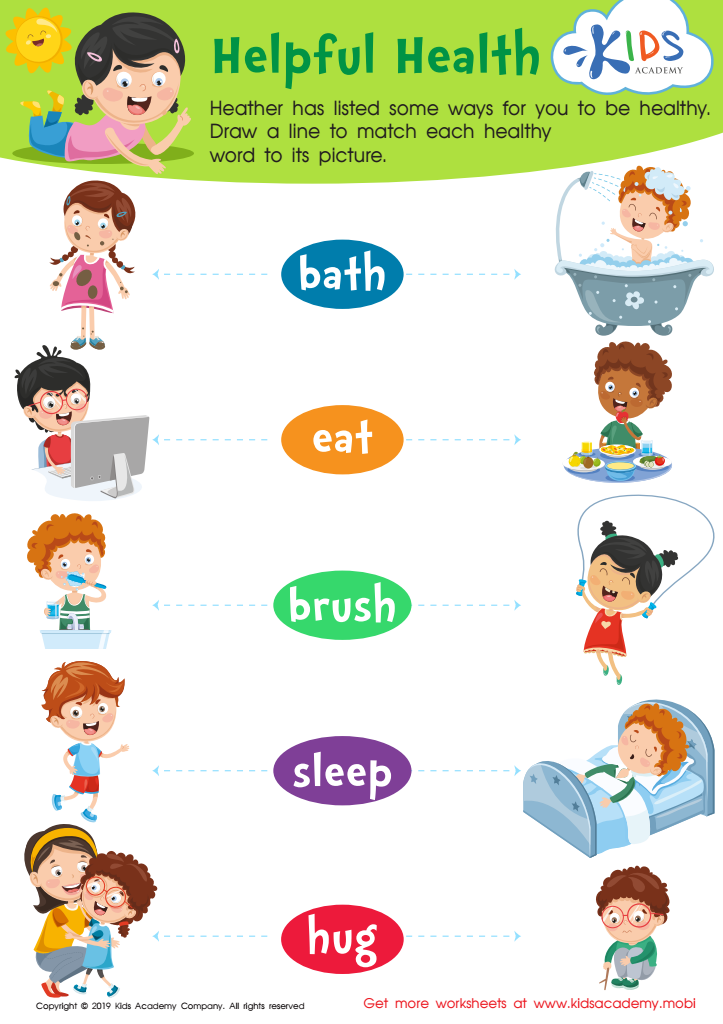
Helpful Health Worksheet







Reading comprehension is a crucial skill for children ages 5-7, as it lays the foundation for future learning and academic success. During these formative years, children transition from learning to read to reading to learn. Normal Matching, in particular, is a measurement tool that helps assess a child's reading comprehension by evaluating their ability to match text with appropriate meanings or concepts.
Parents and teachers should care about Reading Comprehension Normal Matching for several reasons. First, it identifies children's strengths and areas for improvement, enabling targeted support and differentiated instruction. This early assessment helps ensure that children do not fall behind, fostering a strong reading habit essential for learning across subjects.
Moreover, strong reading comprehension facilitates critical thinking and enhances vocabulary, which are vital skills in today's information-rich world. Engaging children in comprehension activities can boost their curiosity and promote a love for reading. Ultimately, prioritizing reading comprehension at this age not only reinforces literacy skills but also builds confidence, instills a sense of achievement, and prepares children for the challenges ahead in their academic journey, fostering lifelong learners. By caring about this development, parents and teachers play a pivotal role in shaping a child’s educational experience.








