Normal Place Value Worksheets for Ages 5-7 - Page 2
37 filtered results
-
From - To
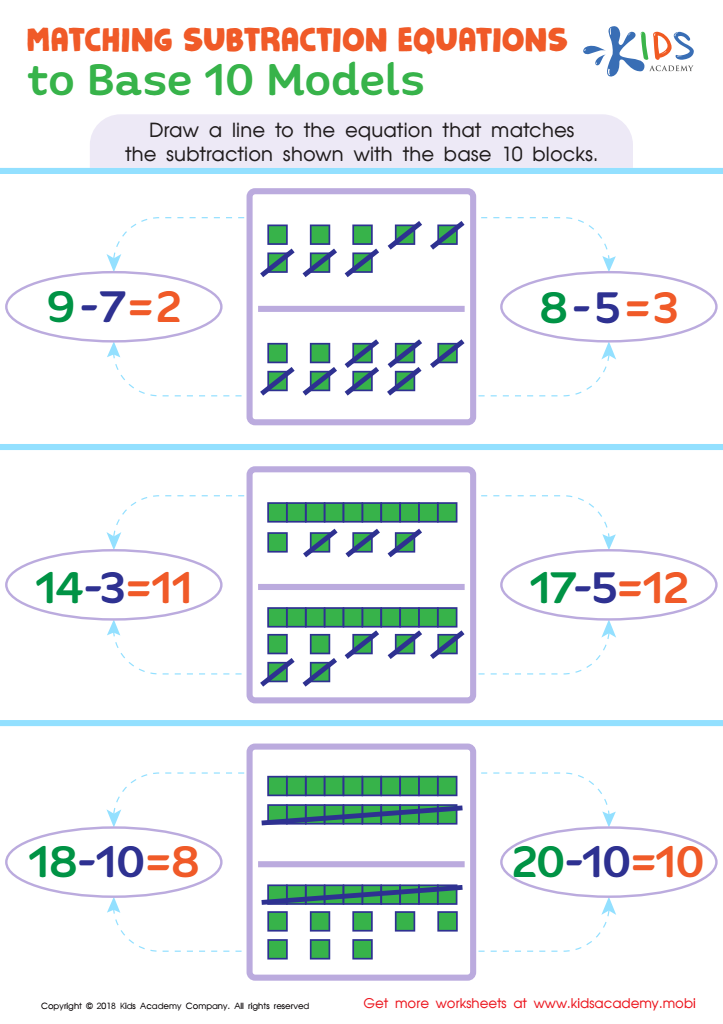
Matching Subtraction Equations To Base 10 Models Worksheet
 Assign to My Students
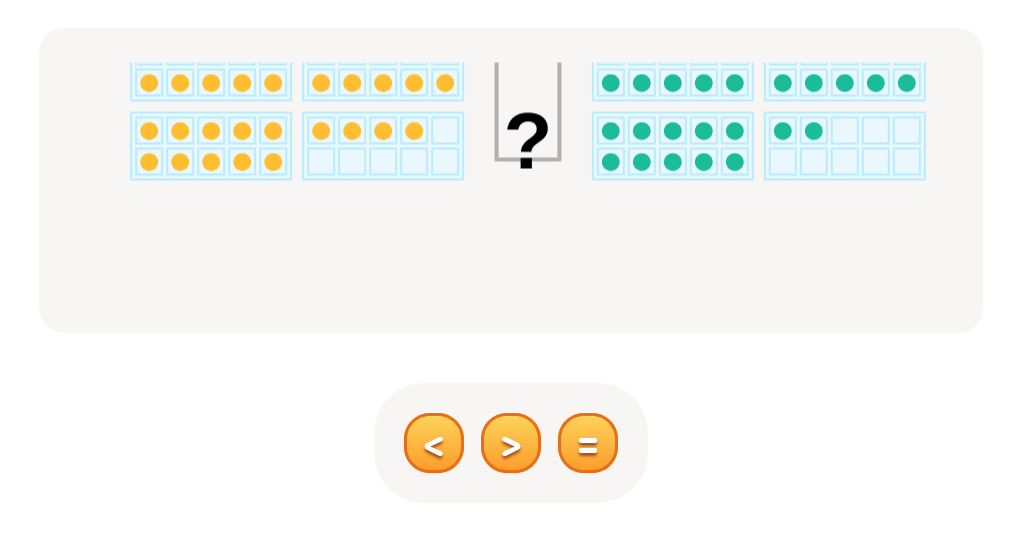

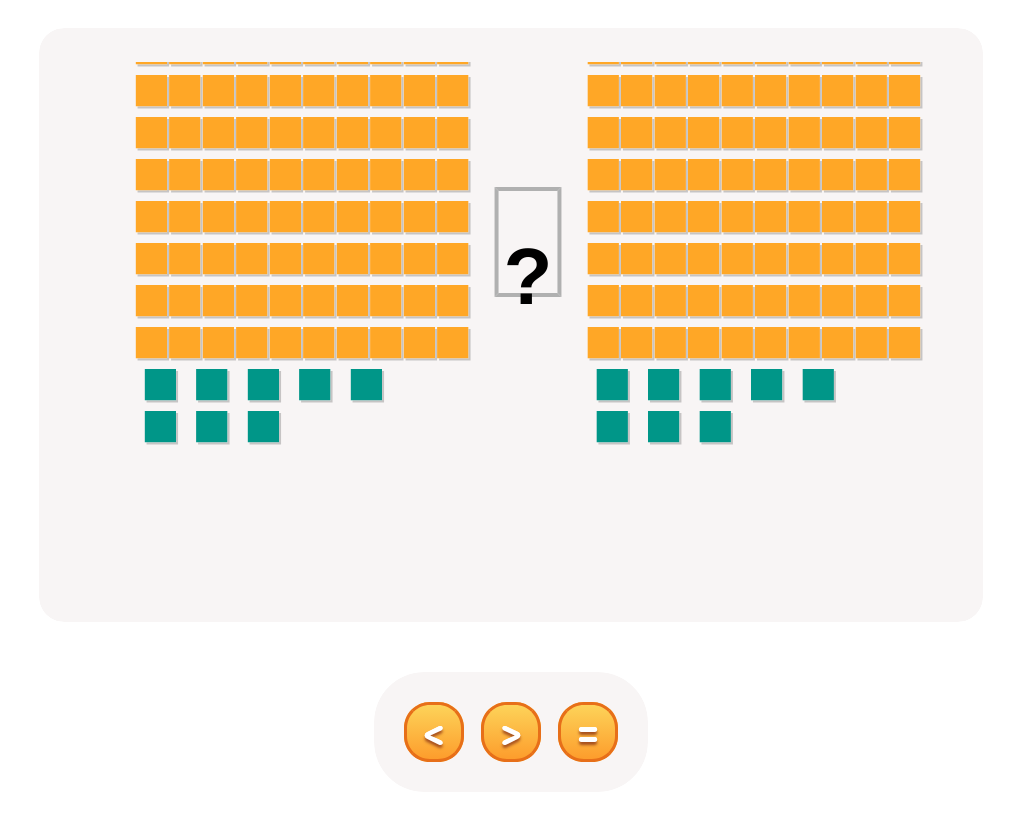
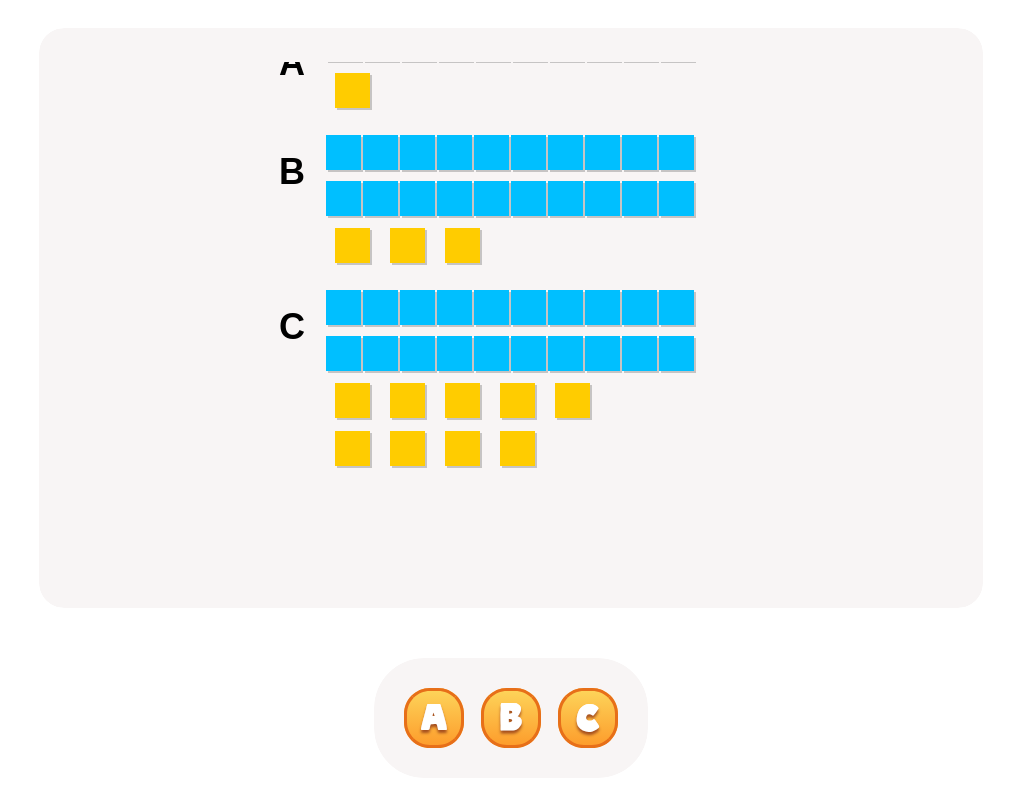
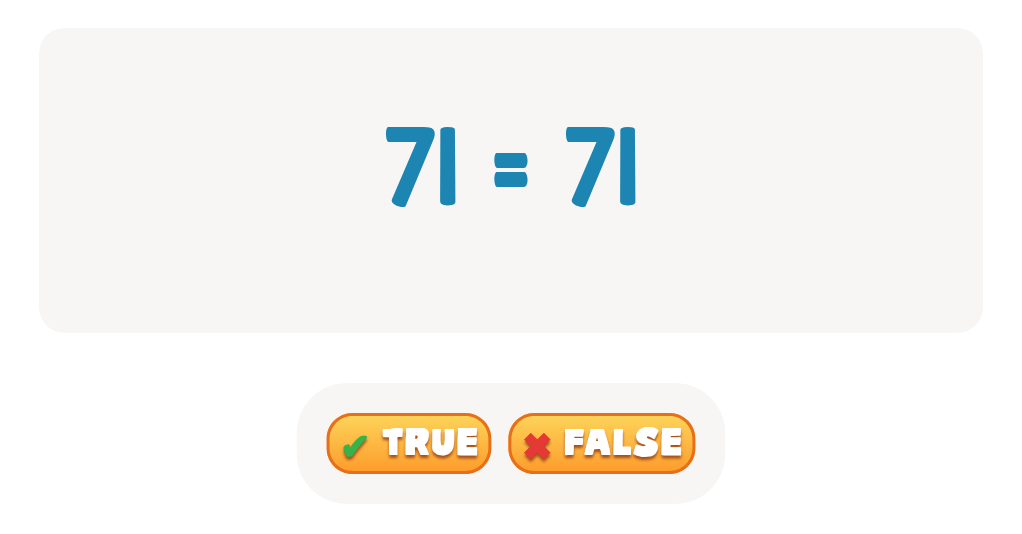
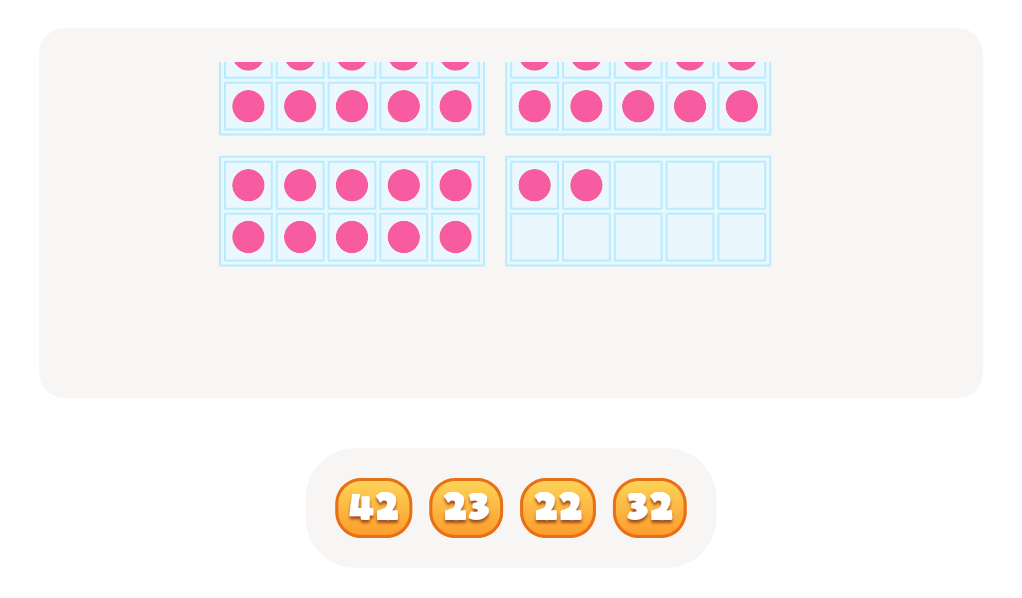
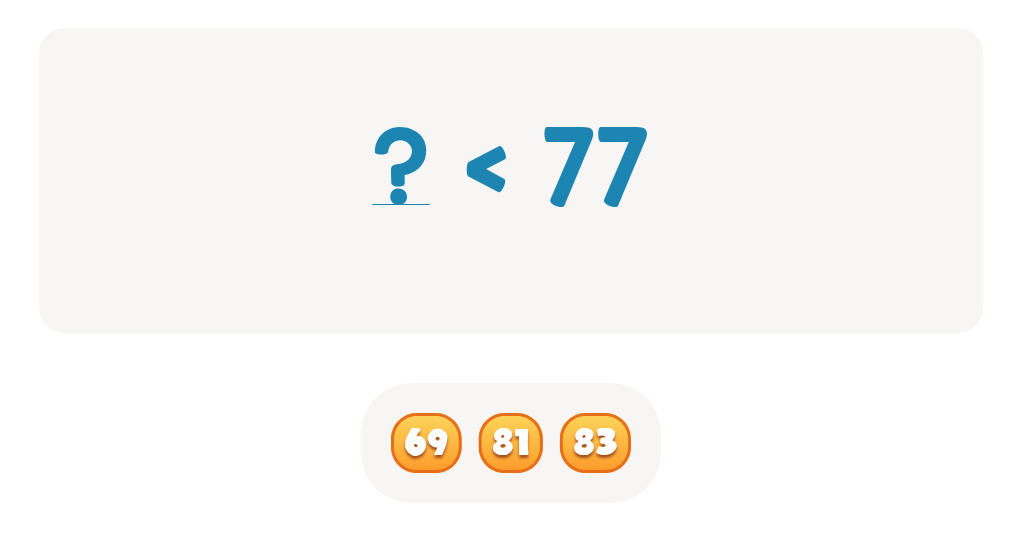
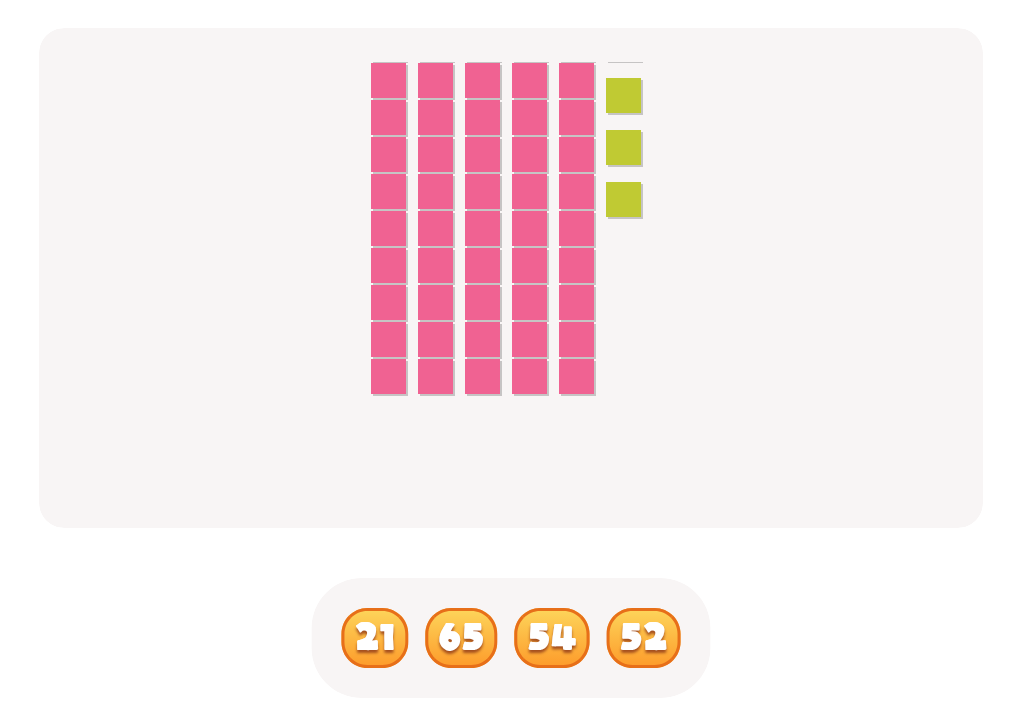
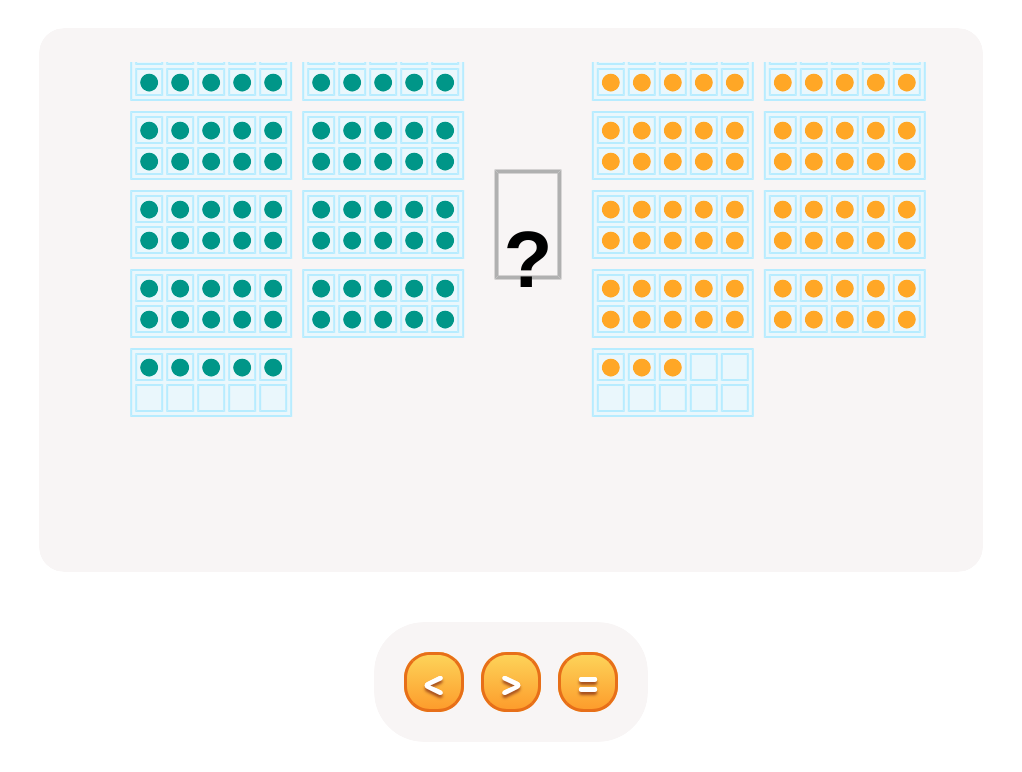
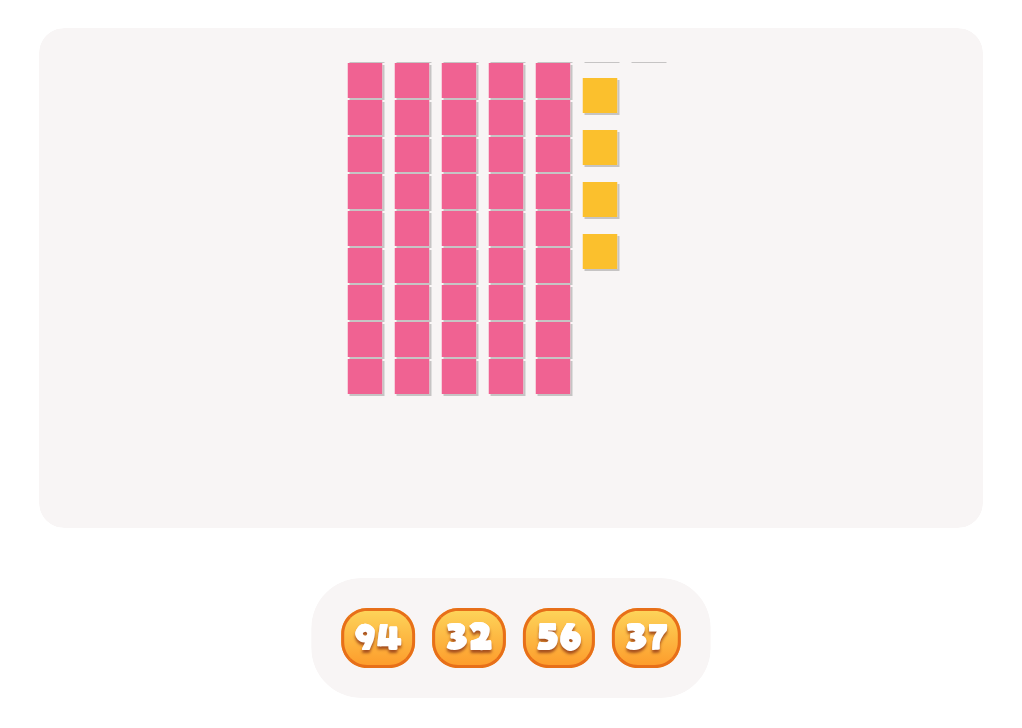
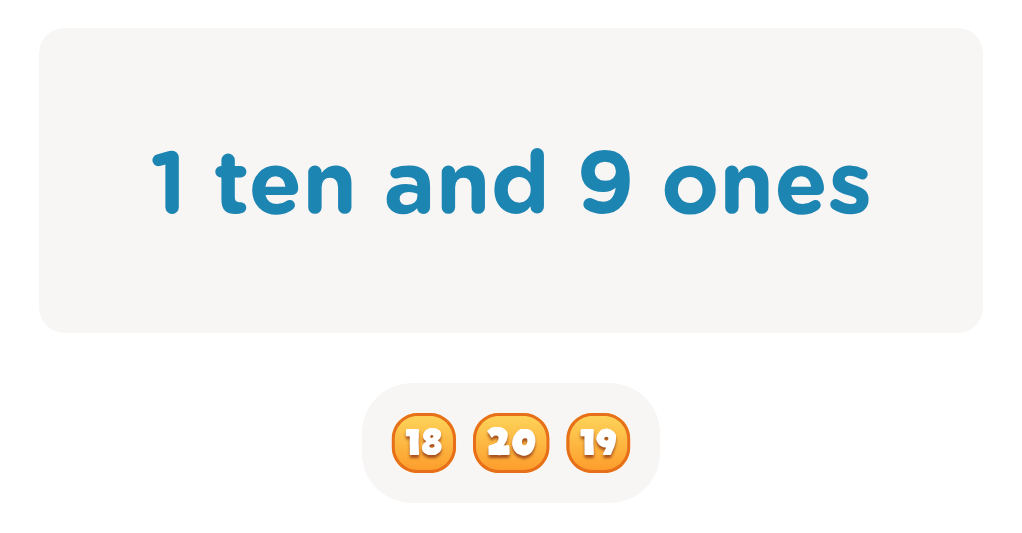
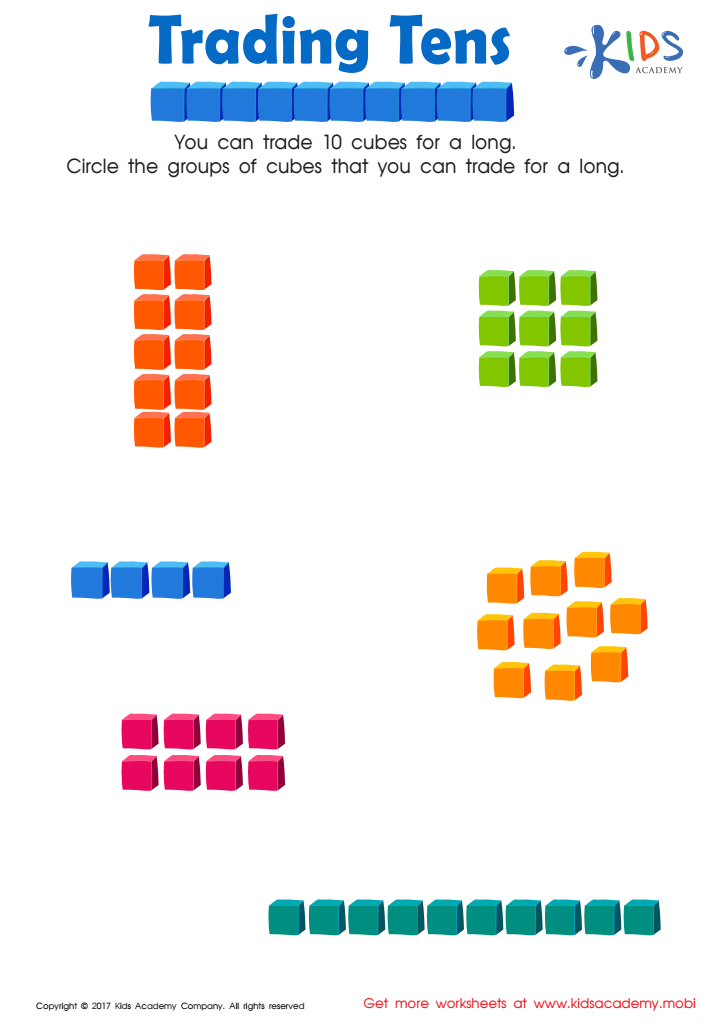
Trading Tens Worksheet
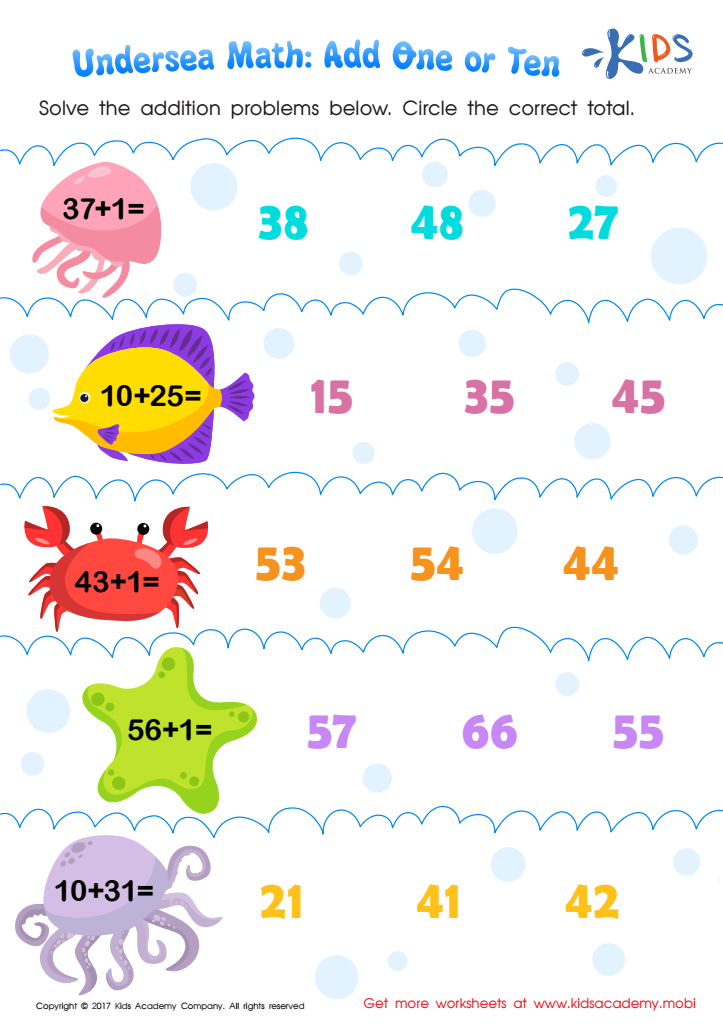
Undersea Math Worksheet
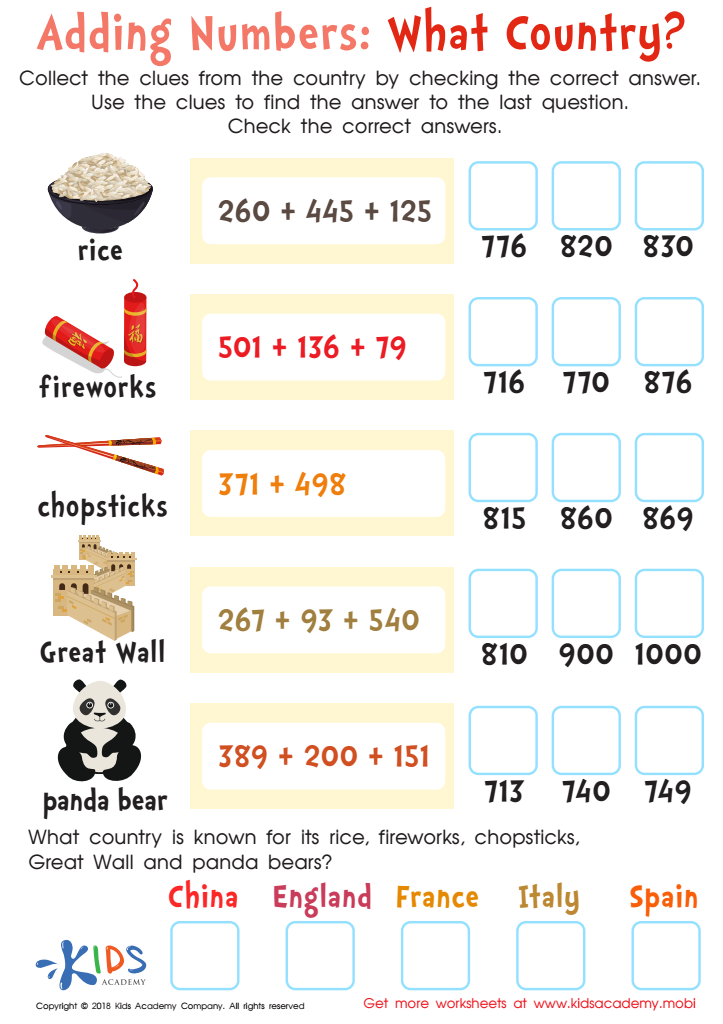
Adding Numbers: What Country Worksheet
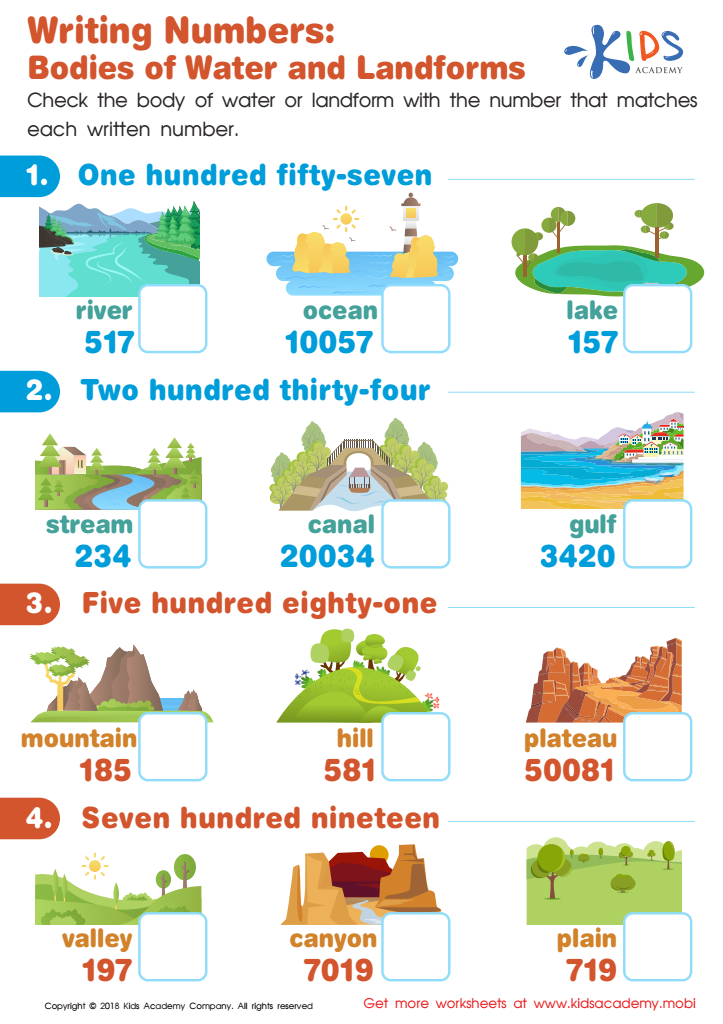
Bodies of Water and Landforms Writing Numbers Worksheet
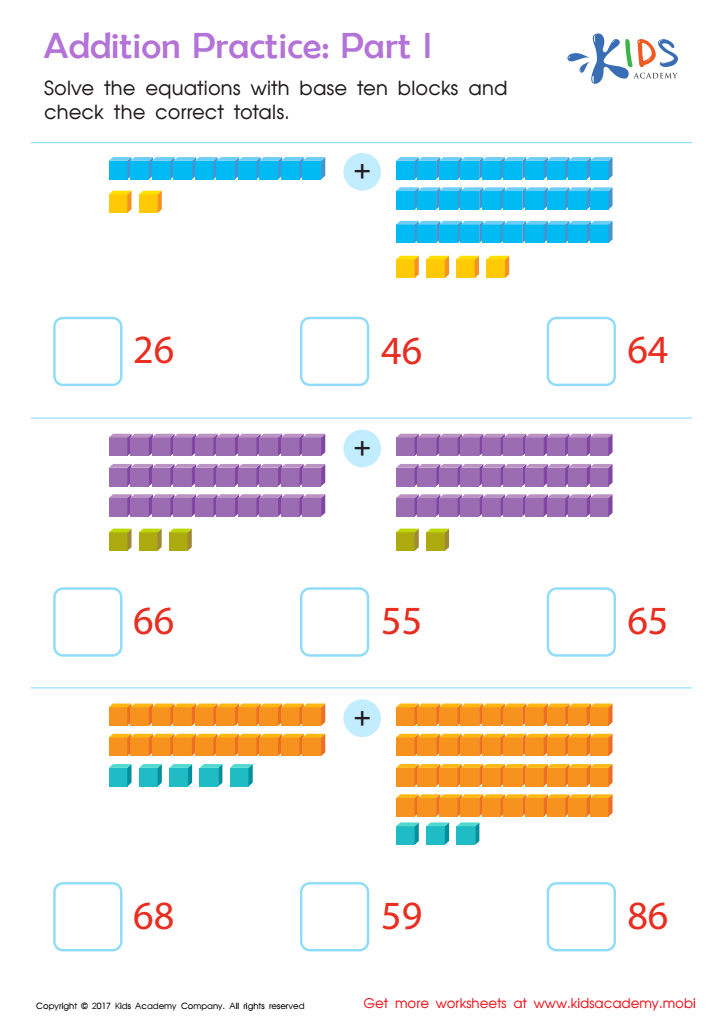
Addition Practice Sheet: Part 1
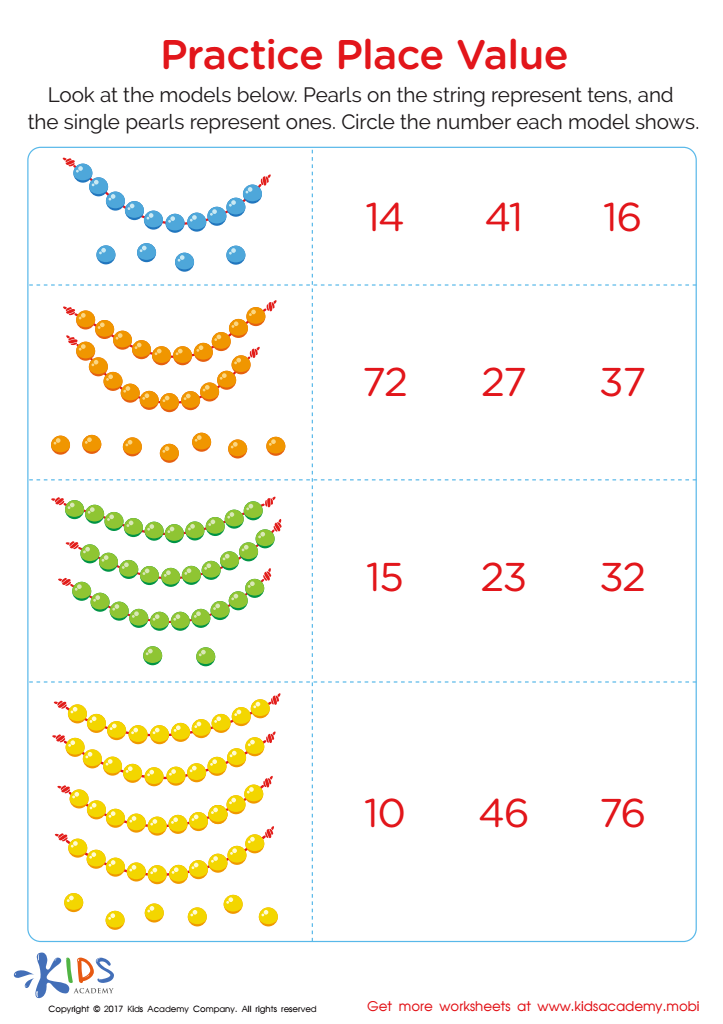
Practice Place Value Printable
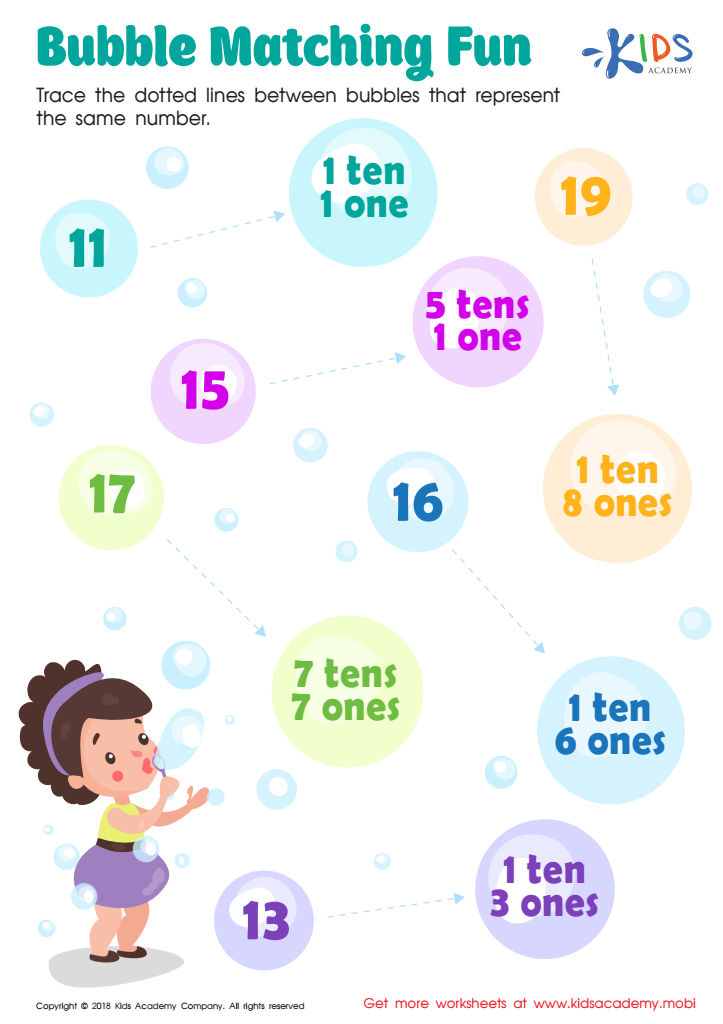
Bubble Matching Fun Worksheet
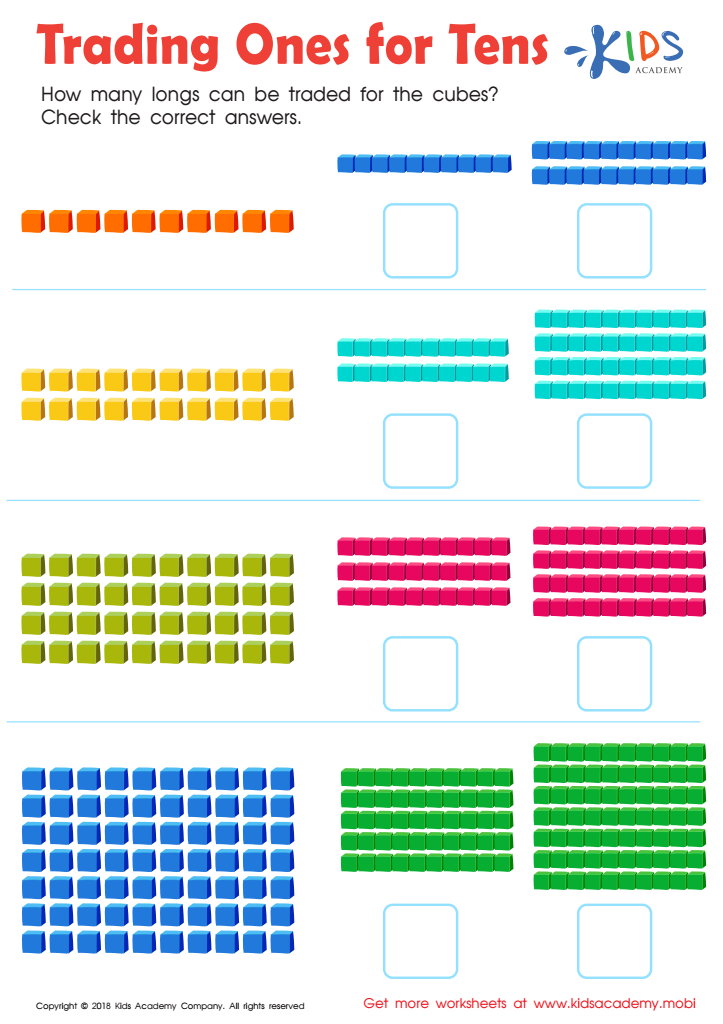
Trading Ones for Tens Worksheet: Part 2
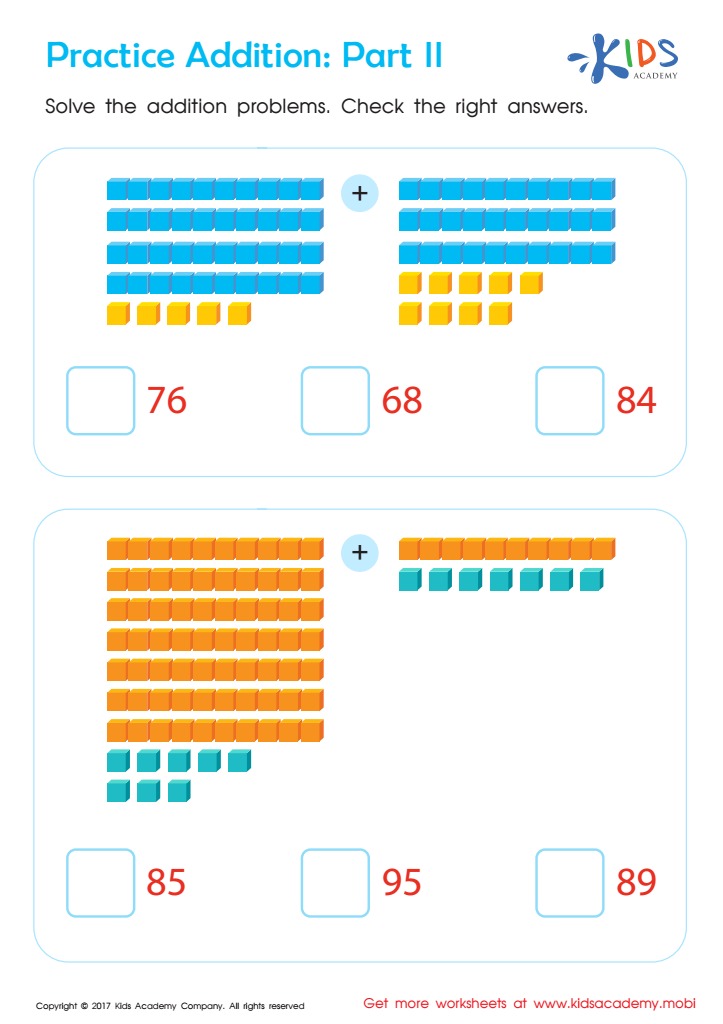
Practice Addition: Part 2 Worksheet
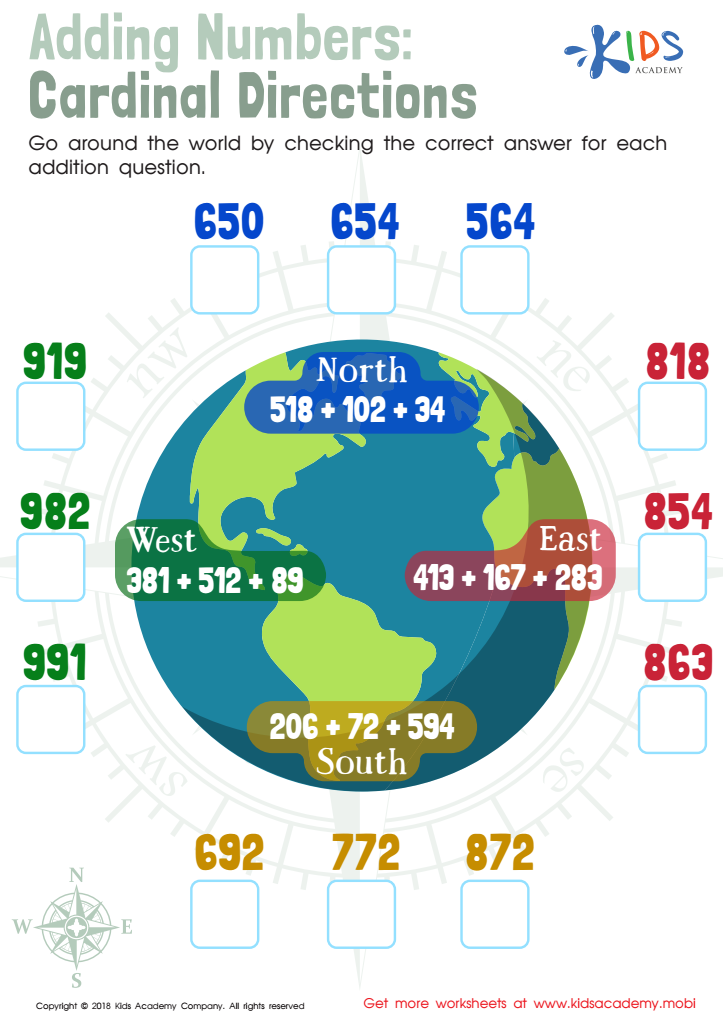
Adding Numbers: Cardinal Directions Worksheet
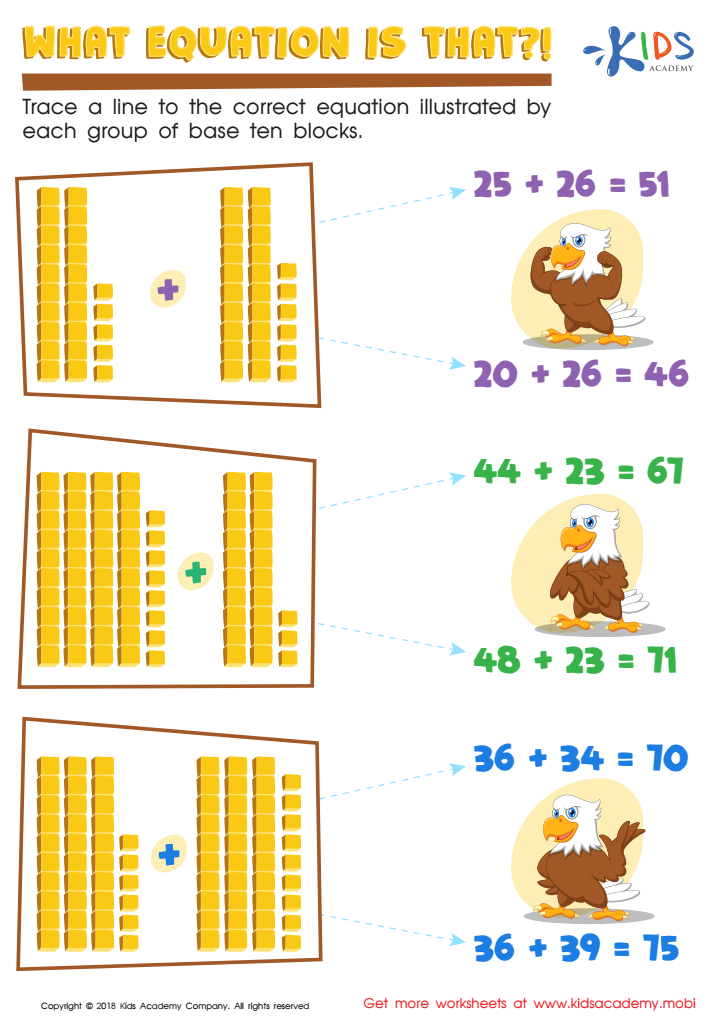
What Equation Is That? Worksheet
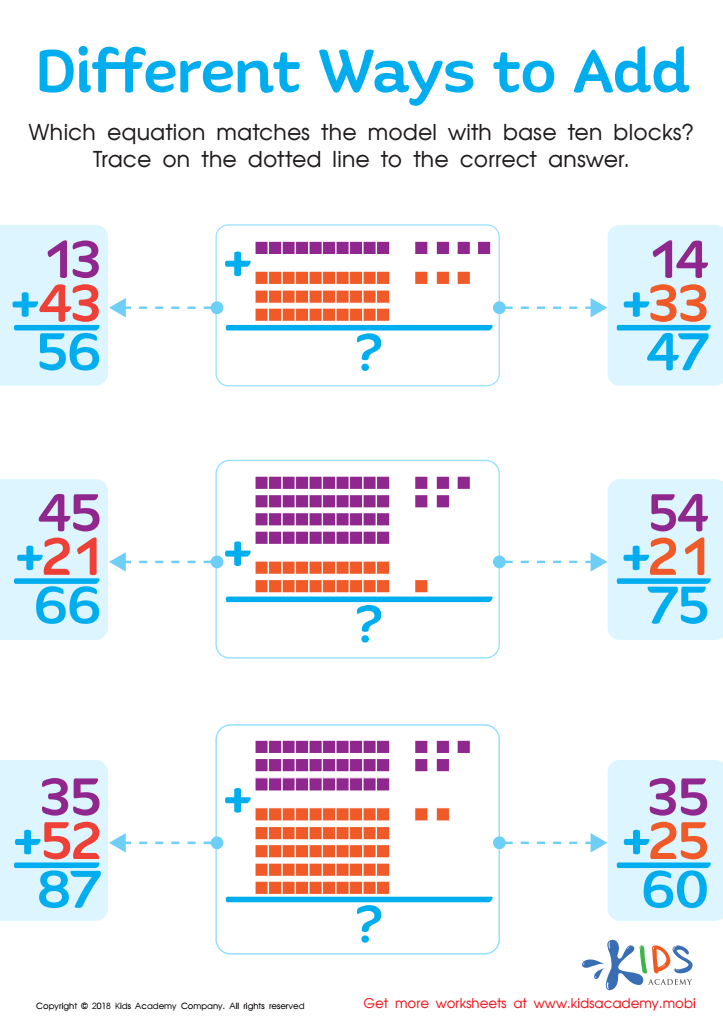
Different Ways to Add Worksheet





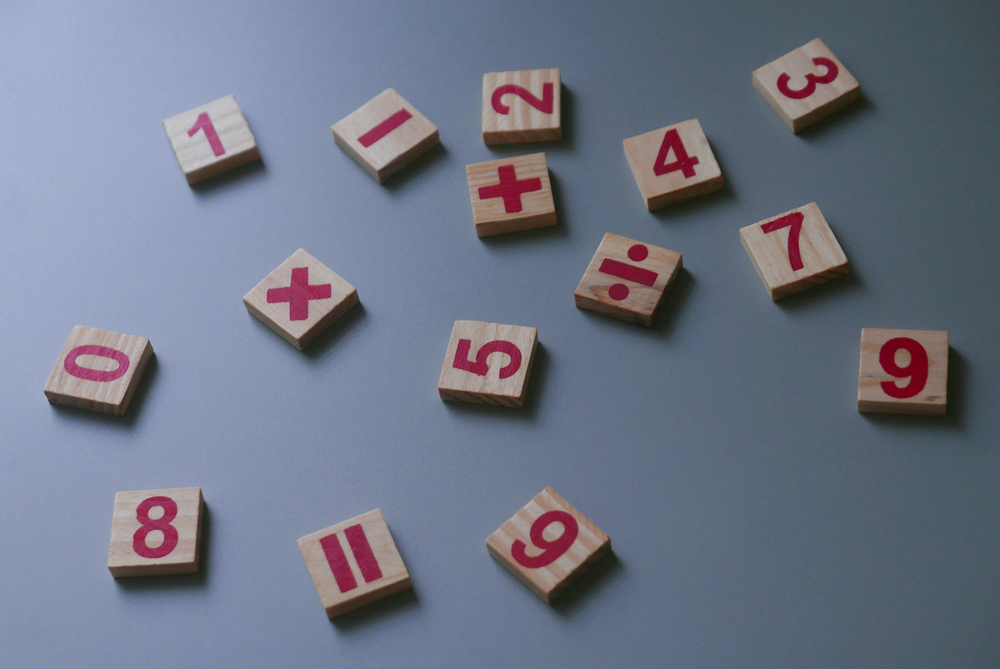


Understanding normal place value is crucial for children ages 5-7 as it forms the foundation for their mathematical literacy. At this age, children begin to grasp the significance of numbers, and place value helps them understand how digits represent different amounts depending on their position. For example, the digit '2' in the number 20 has a value of twenty, while in the number 2, it represents just two.
Parents and teachers should care about this concept because it fosters critical thinking and problem-solving skills, enabling children to perform basic arithmetic, such as addition and subtraction, more efficiently. A solid understanding of place value allows young learners to comprehend larger numbers, develop their number sense, and prepare for more complex mathematical operations in higher grades.
Moreover, place value concepts enhance everyday math skills, such as counting money, telling time, and measuring. By focusing on this core foundation, parents and teachers can empower children to build confidence in their mathematical abilities, making learning more enjoyable and engaging. Ultimately, a strong foundation in place value positively impacts a child's future academic performance, equipping them with essential skills they will use throughout their education and in real-world scenarios.